In this article
What you’ll learn
- Deep cleaning improves mental health and indoor air quality.
- Always follow the top-to-bottom and clockwise cleaning rules.
- Probiotic cleaners and UV-C sanitization are the top trends for 2025-2026.
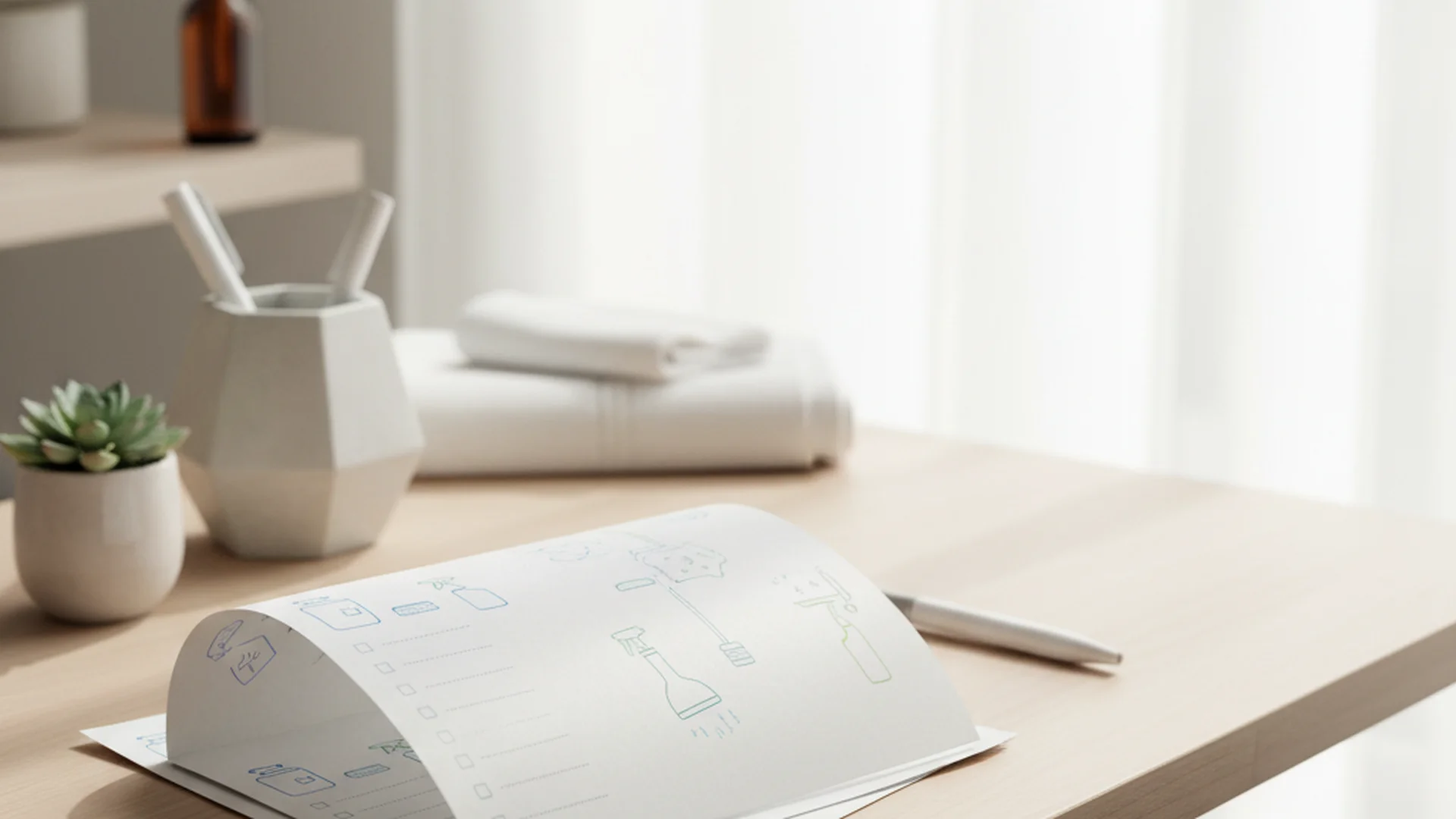
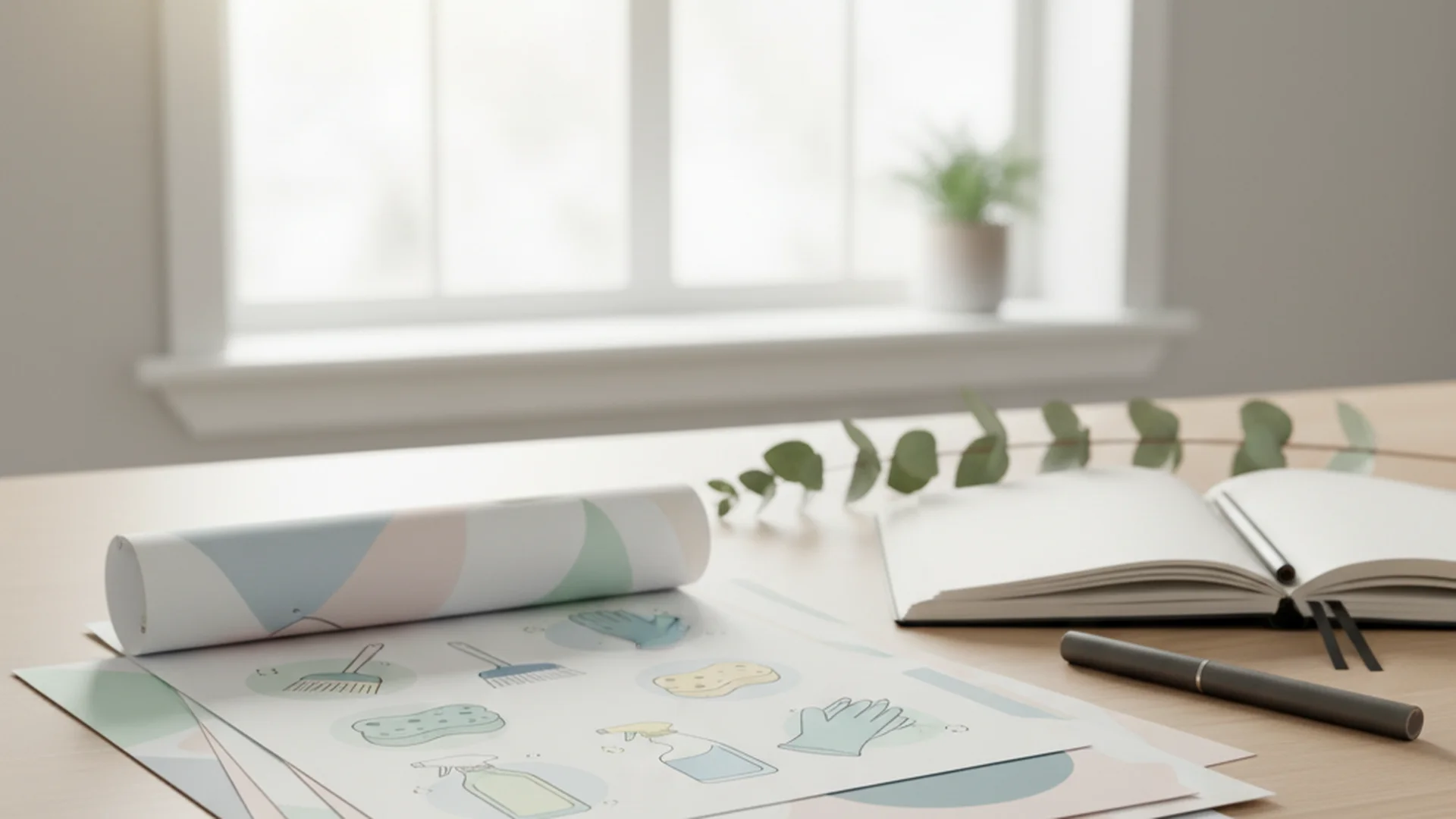
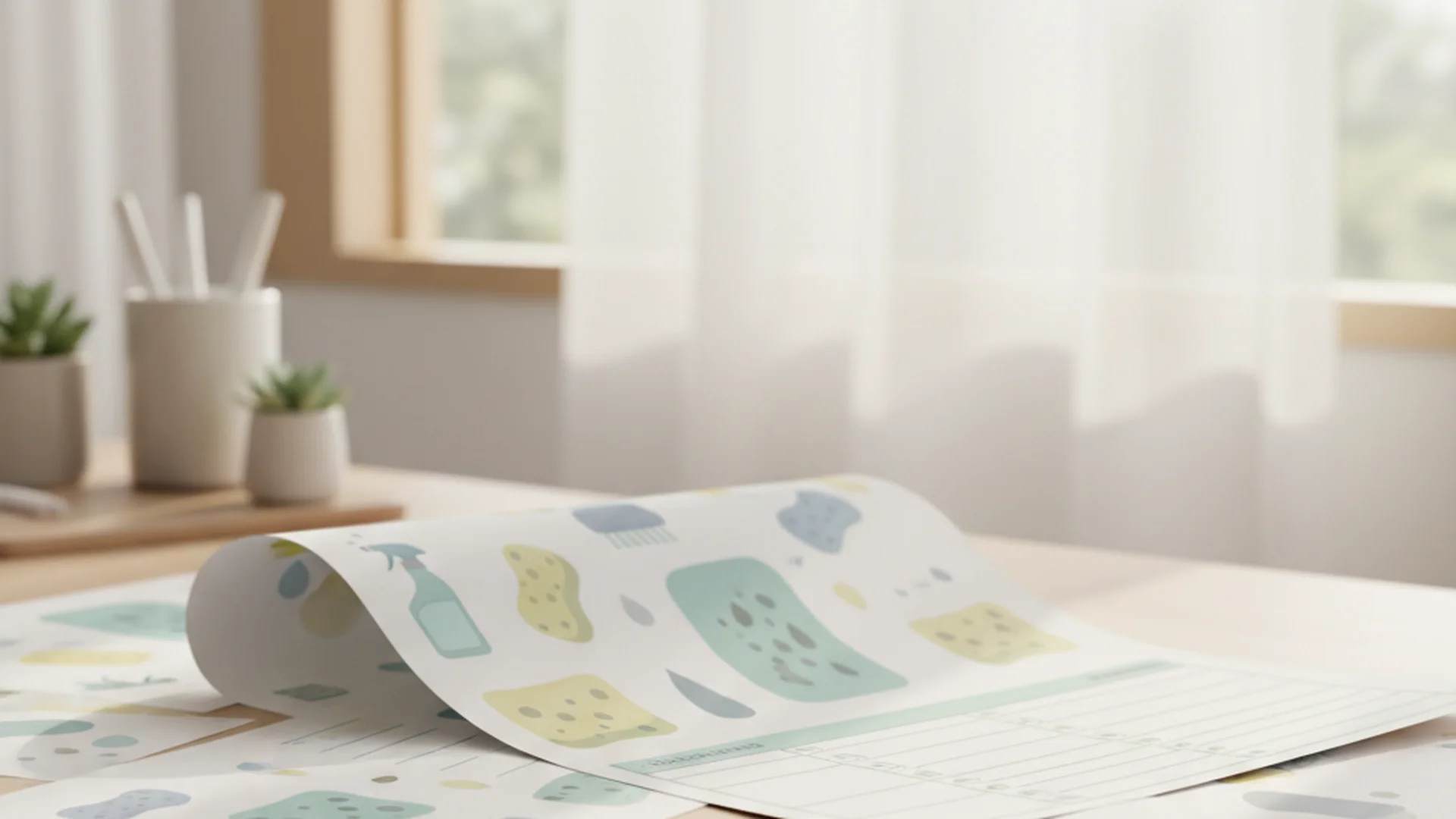
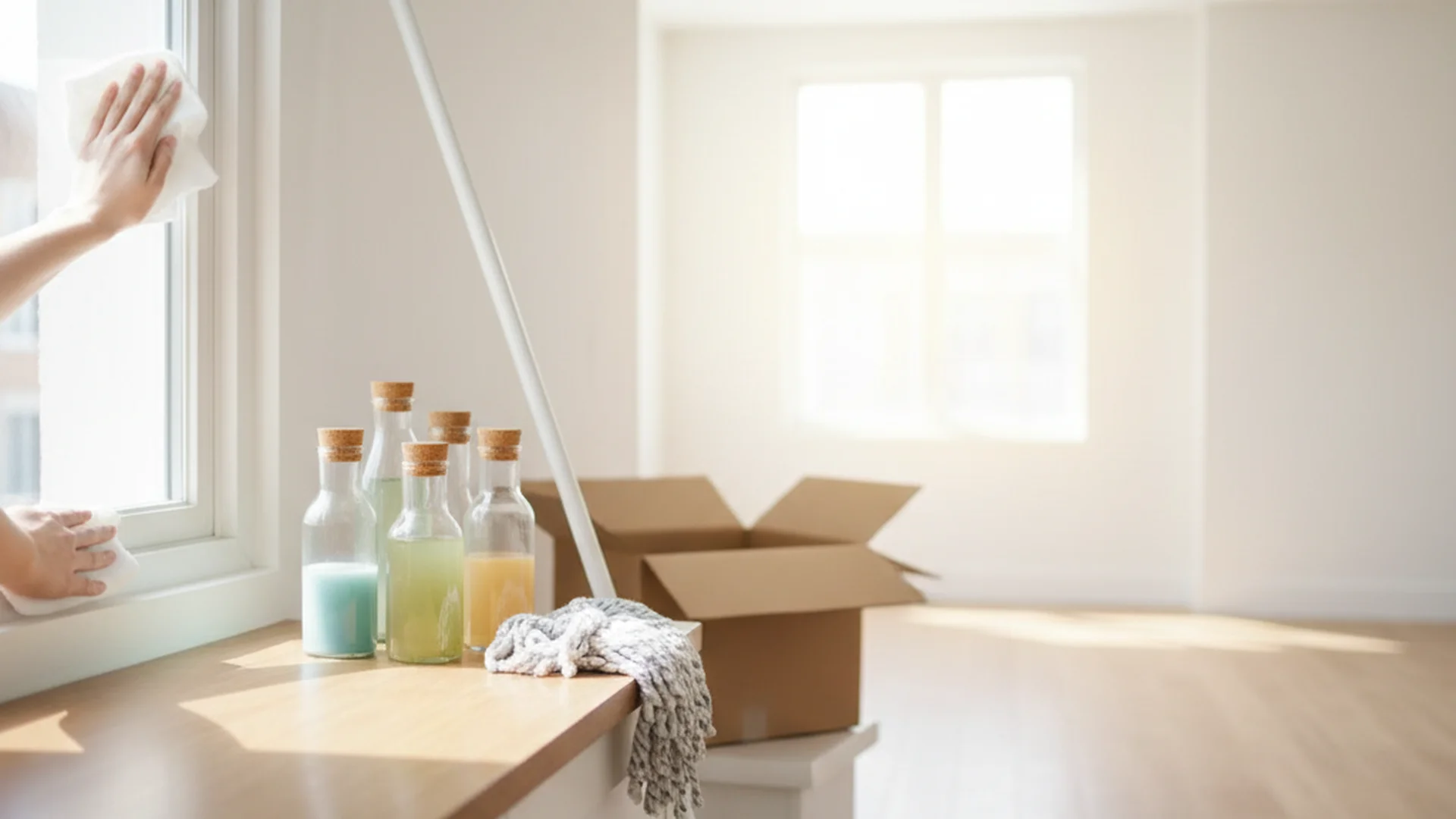
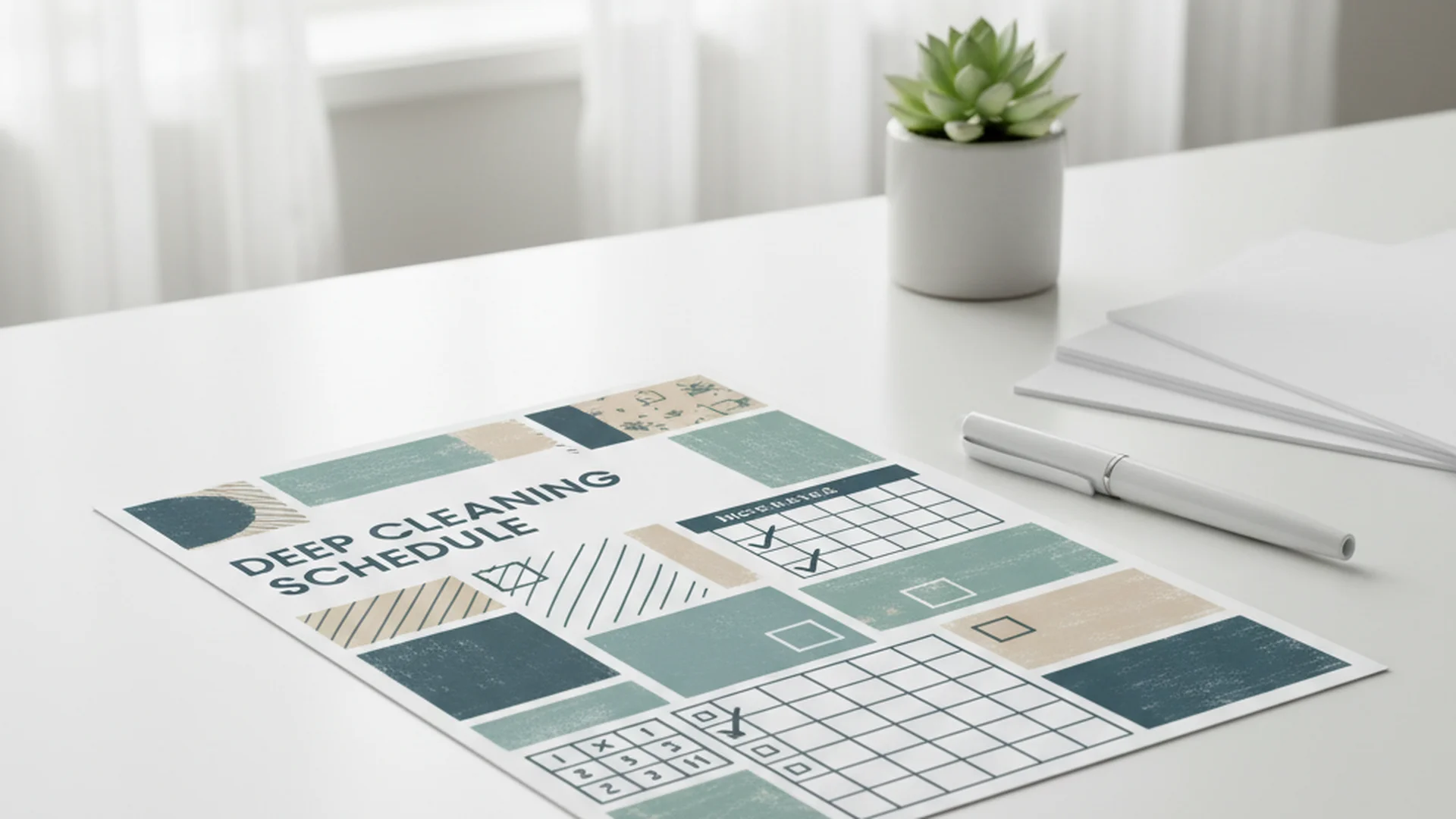
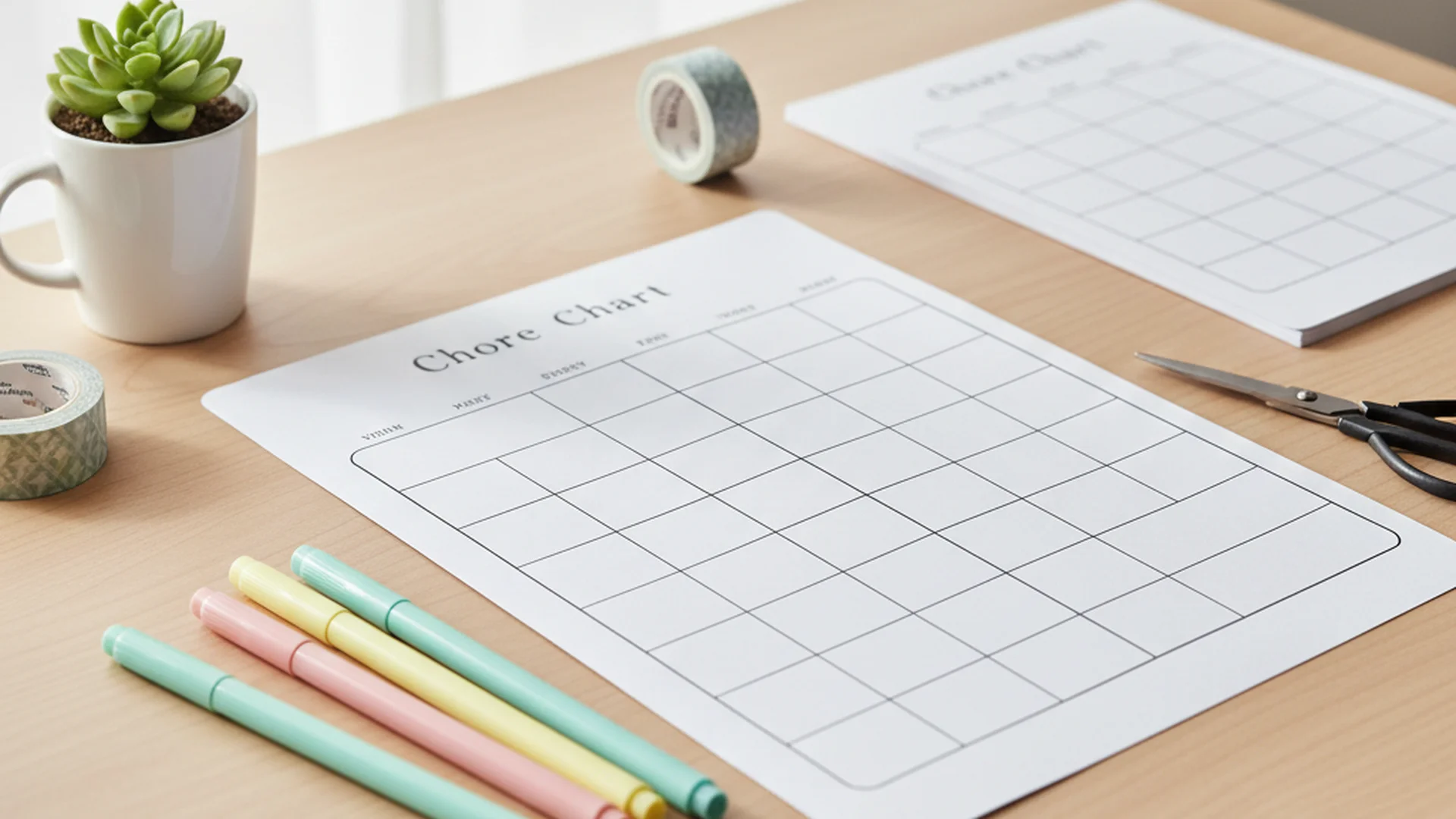
Maintaining a home is more than just a Sunday morning tidy-up. To truly protect your family’s health and your own peace of mind, a rigorous deep clean is essential at least once or twice a year. However, staring at a dusty baseboard or a cluttered pantry can feel overwhelming without a plan. That is why using a deep cleaning checklist printable is the most effective way to ensure no corner is left untouched. By breaking down the monumental task of whole-home sanitization into manageable steps, you can achieve professional-grade results on your own schedule.
Why Deep Cleaning Matters in 2025
In recent years, the connection between our living environment and our well-being has become undeniable. Almost everyone feels a lift in mood after a thorough cleaning session, and many find they get more done in the days that follow. Beyond the psychological benefits, deep cleaning is a frontline defense against poor indoor air quality. Indoor pollutants often run well above outdoor levels, so tasks like vent dusting and carpet shampooing are vital for respiratory health.
While many hire professionals at rates of $55 to $65 per hour, you can save thousands by utilizing a deep cleaning checklist printable template and tackling the project yourself.
Tip: Start your journey by decluttering. Deep cleaning requires access to the "bones" of your house; if you don't remove the surface clutter first, you are simply moving dust from one pile to another.
Expert Strategies for Efficiency
Professional cleaners don't just scrub harder; they scrub smarter. To maximize your efficiency and avoid burnout, follow these industry-standard best practices.
The Top-to-Bottom Rule
Always begin cleaning at the highest point in a room—usually the ceiling fans or crown molding—and work your way down to the floors. This ensures that any dust or debris that falls during the process doesn't ruin a surface you have already cleaned.
Example: Imagine cleaning your hardwood floors first, only to then dust a ceiling fan that drops a year's worth of dander onto your pristine wood. By following the top-down method, your final vacuuming catches everything that fell.
The Power of Dwell Time
One of the most common mistakes is spraying a disinfectant and wiping it away immediately. For chemicals to actually kill bacteria and viruses, they need "dwell time"—usually between 3 to 10 minutes.
Warning: Never mix bleach with ammonia or vinegar. This creates toxic chlorine gas, which can be fatal in unventilated spaces.
Clockwise Navigation
To ensure you never "skip" a spot, pick a starting point at the door and move around the room in a consistent clockwise direction. This systematic approach guarantees that every inch of the baseboards and every window track is addressed.
| Task Category | Tool Needed | Benefit |
|---|---|---|
| Dusting | Microfiber Cloth | Traps 99% of bacteria |
| Sanitizing | EPA-Registered Disinfectant | Kills pathogens |
| Floor Care | HEPA Vacuum | Removes allergens |
Room-by-Room Deep Cleaning Guide
A comprehensive deep cleaning checklist printable pdf should cover the areas that daily maintenance ignores. Here is how to break down the most intensive zones of your home.
The Kitchen: The High-Traffic Zone
Because the kitchen is used for food preparation, it requires the most intensive sanitization.
- Appliances: Pull the refrigerator out and vacuum the coils. Degrease the oven and the range hood filter.
- Small Tech: Descale your coffee maker and sanitize the microwave interior.
- Surfaces: Scrub tile grout with a paste of baking soda and water. Clean inside all cabinets and drawers.
Bathrooms: Focus on Descaling
- Fixtures: Descale showerheads by soaking them in vinegar.
- Ventilation: Clean the exhaust fan cover, which often collects thick layers of dust and moisture.
- Sanitization: Disinfect toothbrush holders and wash the shower curtain or scrub the glass door tracks.
Note: For electronics and wood surfaces, spray your cleaning agent onto a microfiber cloth rather than directly on the object to prevent liquid damage.
Bedrooms and Living Areas
- Soft Goods: Vacuum and flip your mattress (recommended every 6 months). Wash pillows and heavy comforters.
- Dusting: Polish baseboards, dust ceiling fan blades, and steam clean curtains to remove trapped dust mites.
- Electronics: Use UV-C sanitization wands for high-touch items like remote controls and keyboards—a growing trend for 2026.
2025–2026 Cleaning Trends: The Future of Clean
The world of home maintenance is evolving. We are moving away from harsh chemicals and toward "mindful" and "bio-based" solutions.
- Probiotic Cleaners: These products leave "good" bacteria on your surfaces. These microbes continue to eat away at organic waste and odors long after you’ve finished wiping.
- Cleaning as Self-Care: In 2025, cleaning is being reframed as a mindfulness ritual. Many are using sensory products with sandalwood or eucalyptus essential oils to lower cortisol levels while they work.
- Refillable Revolution: To reduce plastic waste, homeowners are switching to concentrated cleaning "pods" and reusable glass spray bottles.
Example: Sarah, a busy homeowner, switched to probiotic cleaners in 2025. She found that the "good bacteria" kept her bathroom smelling fresh for three times longer than traditional bleach-based cleaners.
Common Mistakes to Avoid
Even the most dedicated cleaners can fall into traps that make the job harder or less effective.
- Using One Cloth for the Whole House: This leads to cross-contamination. Using the same cloth on the toilet and then the kitchen counter is a recipe for spreading germs.
- Dry Before Wet: Always dust or vacuum before applying liquid cleaners. If you add liquid to heavy dust, you create "mud," which is much harder to remove.
- Ignoring the "Scentless" Myth: Many believe that if they can't smell bleach, it isn't clean. Modern eco-friendly cleaners are often scentless but are just as effective at killing germs.
Frequently Asked Questions
What is the difference between regular cleaning and deep cleaning?
How long does a full-house deep clean take?
Do I need special chemicals for deep cleaning?
How often should I clean my mattress?
Conclusion
Deep cleaning is an investment in your home’s longevity and your family’s health. By using a deep cleaning checklist printable, you remove the guesswork and ensure that every hidden corner is sanitized. Whether you are adopting the latest UV-C technology or sticking to the tried-and-true "top-to-bottom" method, the result is the same: a sparkling, stress-free sanctuary.
Success: Completing a full deep clean strips out a huge share of your household allergens and significantly improves your daily mood.
Cleaning that keeps score
Every task earns points, every streak multiplies them, and Premium adds a household leaderboard plus a monthly Dustagorgon to beat.
- Free forever
- 30 badges to earn
- Up to 6 in a household
No card needed. Set up your rooms in a couple of minutes.