In this article
What you’ll learn
- Chores build the work ethic and life satisfaction that carry into adulthood.
- Using a visual tracker like a chore chart printable free template improves executive function.
- The "When/Then" technique is the most effective way to motivate children.
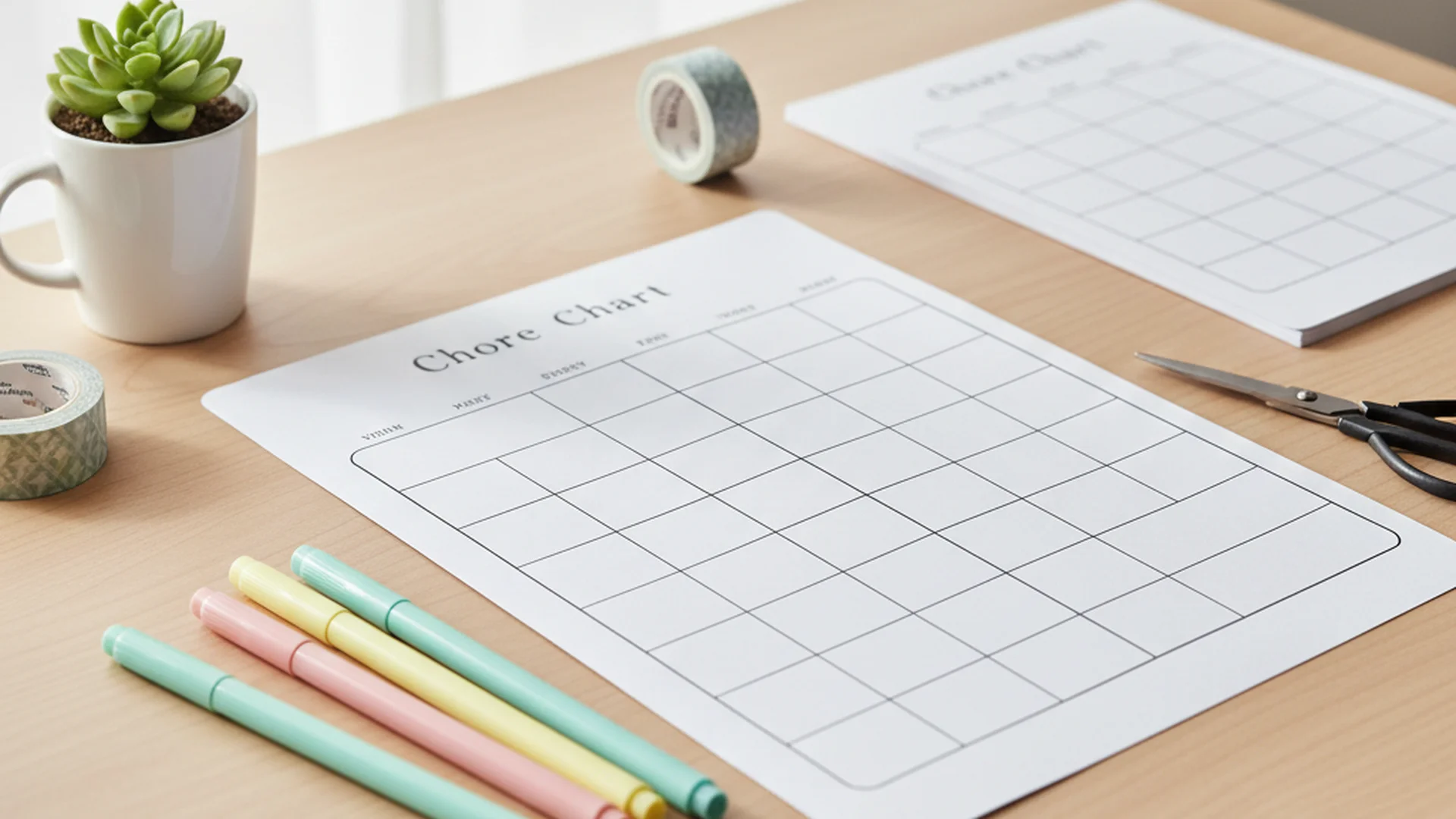
Finding the right system to keep your household running smoothly can feel like a full-time job in itself. As a parent, you aren't just looking for a clean living room; you are looking for a way to raise responsible, capable human beings. One of the most effective tools in a home organizer's arsenal is a high-quality chore chart printable free resource. By providing a clear, visual roadmap for daily responsibilities, you move away from constant nagging and toward a culture of cooperation.
Why Household Responsibilities Matter
It might seem like a small task to ask a child to set the table, but the implications are massive. Children who grow up with chores tend to carry a stronger work ethic and a greater sense of satisfaction into adult life.
Beyond long-term success, chores shape immediate academic performance. Children who start helping around the house as early as kindergarten tend to do better academically and get along better with their peers by the time they reach third grade.
Success: Children who participate in household tasks show better executive functioning, including stronger working memory and better inhibitory control.
How to Start with a Chore Chart Printable Free Template
When you download a chore chart printable free template, the first instinct is often to fill it with every task you can think of. However, for a system to stick, it must be age-appropriate and manageable.
Selecting Age-Appropriate Tasks
You can start as early as age 2 or 3. At this stage, it isn't about the quality of the work, but the habit of contributing.
| Age Group | Recommended Number of Chores | Example Tasks |
|---|---|---|
| Ages 4–6 | 1–3 simple tasks | Matching socks, picking up toys, watering plants |
| Ages 7–9 | 2–5 age-appropriate chores | Setting the table, feeding pets, folding towels |
| Ages 10–12 | 3–5 complex responsibilities | Loading the dishwasher, vacuuming, taking out trash |
Tip: Let your children help choose the printable template. Children are far more likely to follow through when they feel they have "buy-in" or a voice in the design process.
Expert Strategies for Long-Term Consistency
Using a chore chart printable free pdf is only half the battle; the other half is implementation. A few key techniques keep the chart from ending up forgotten on the refrigerator.
The "When/Then" Technique
This is a cornerstone of modern parenting. Instead of making chores a negotiation, make them a prerequisite. For example: "When the pets are fed, then you may have your screen time." This creates an automatic incentive that requires no extra "prizes" from the parent.
The "Watch One, Do One" Method
Never hand a child a chore chart and expect them to know how to "clean the bathroom." Follow this four-step process:
- Watch: You do the chore while they watch.
- Help: You do the chore together.
- Supervise: They do it while you watch and offer gentle guidance.
- Solo: They do it independently.
Warning: Avoid vague instructions like "Clean your room." Instead, be specific: "Put clothes in the hamper, toys in the bin, and books on the shelf."
Real-World Examples of Modern Chore Systems
To help you visualize how to use your chore chart printable free, let’s look at three common family setups using 2025 trends.
Example 1: The "Zone Manager" (Ages 10+)
In this system, a child isn't just assigned random tasks. They are the "Kitchen Specialist" for a full week. Their chart includes wiping the counters after dinner and ensuring the dishwasher is loaded. This fosters a sense of ownership over a specific area of the home.
Example 2: The Time-Blocked Morning Routine
For younger children, use a chart divided into "Morning" and "Evening" blocks. This prevents "chore overwhelm" by focusing only on what needs to happen before school, such as making the bed and putting pajamas away.
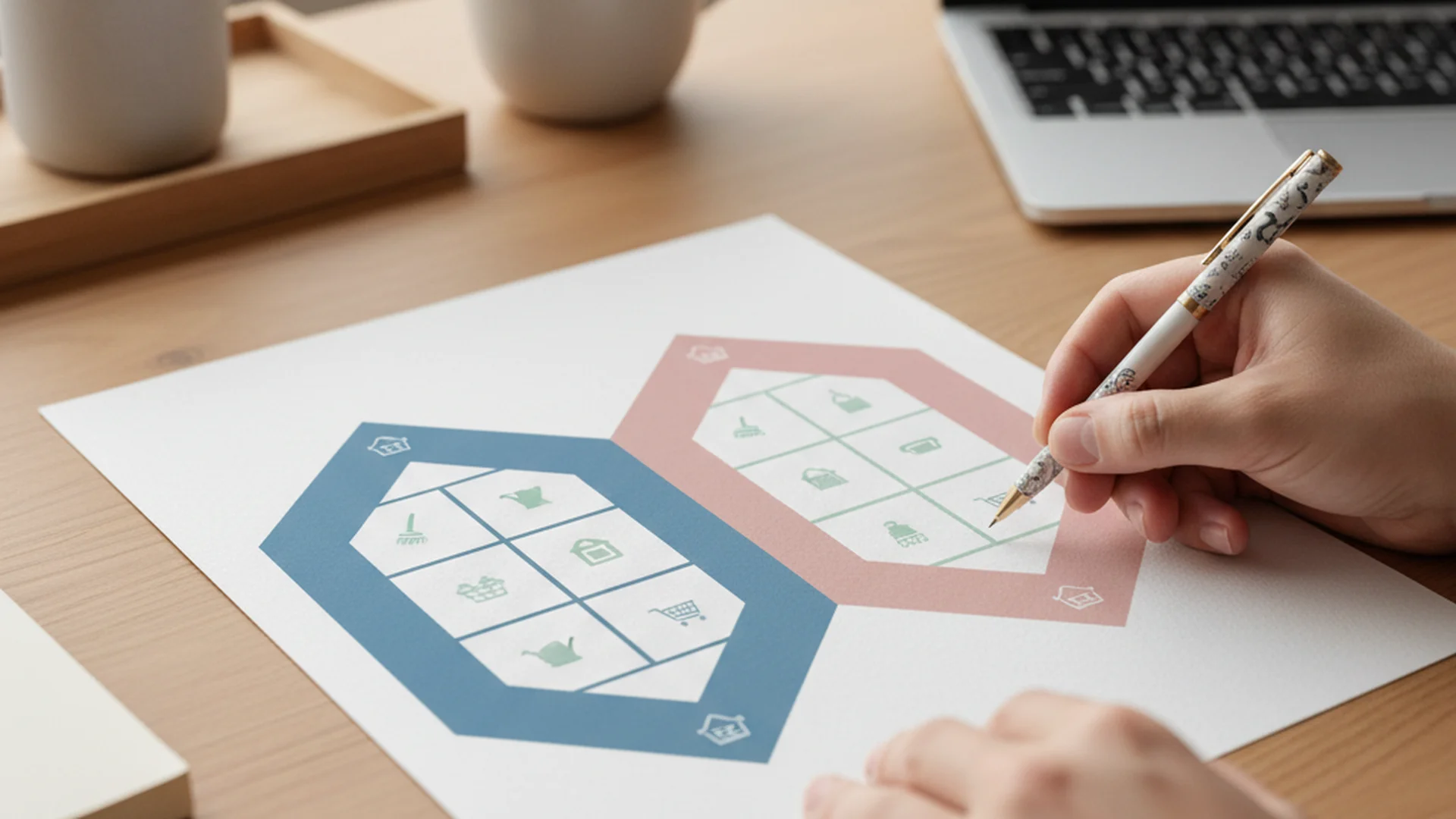
Example 3: The Picture-Based Icon Chart
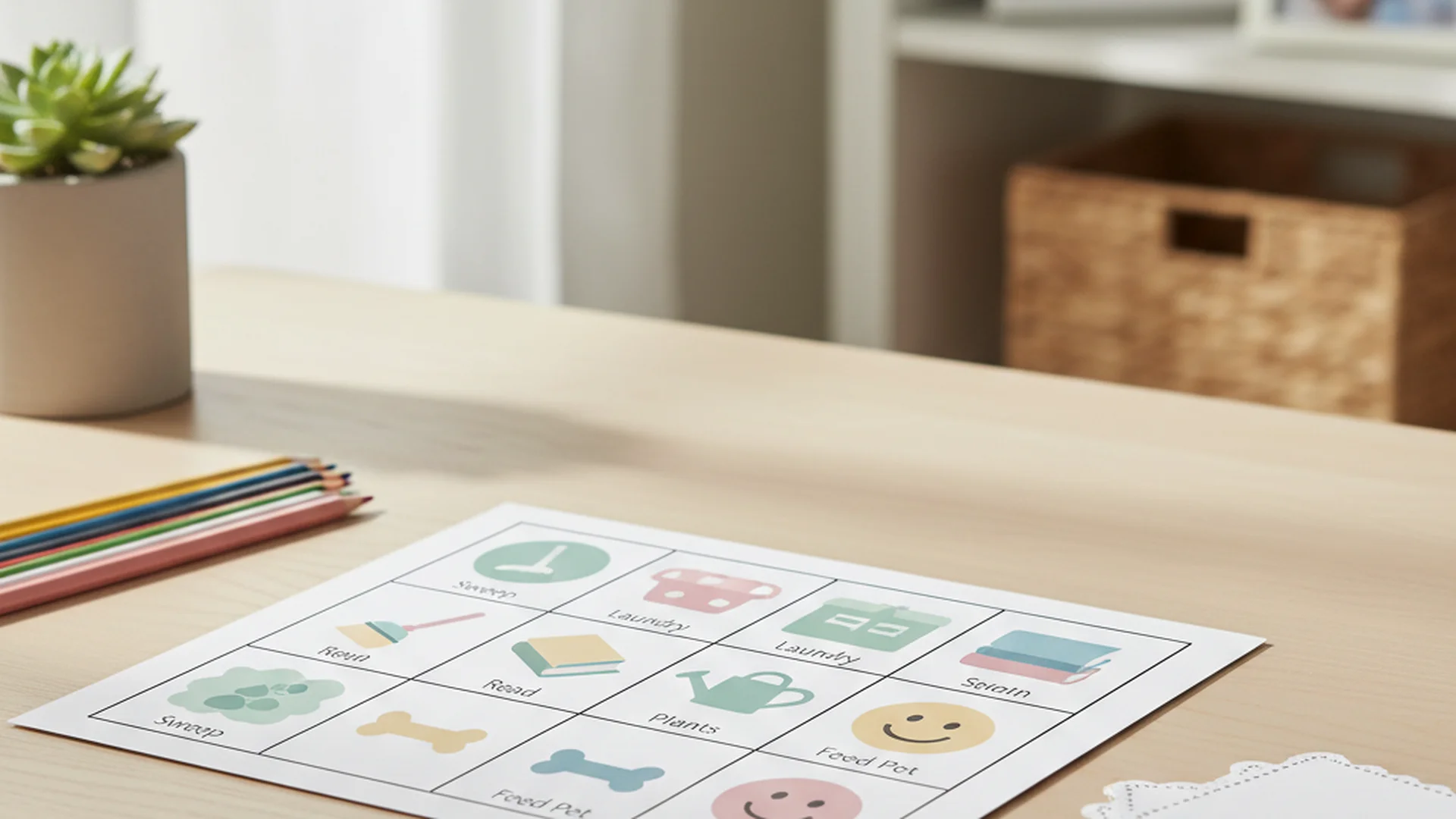
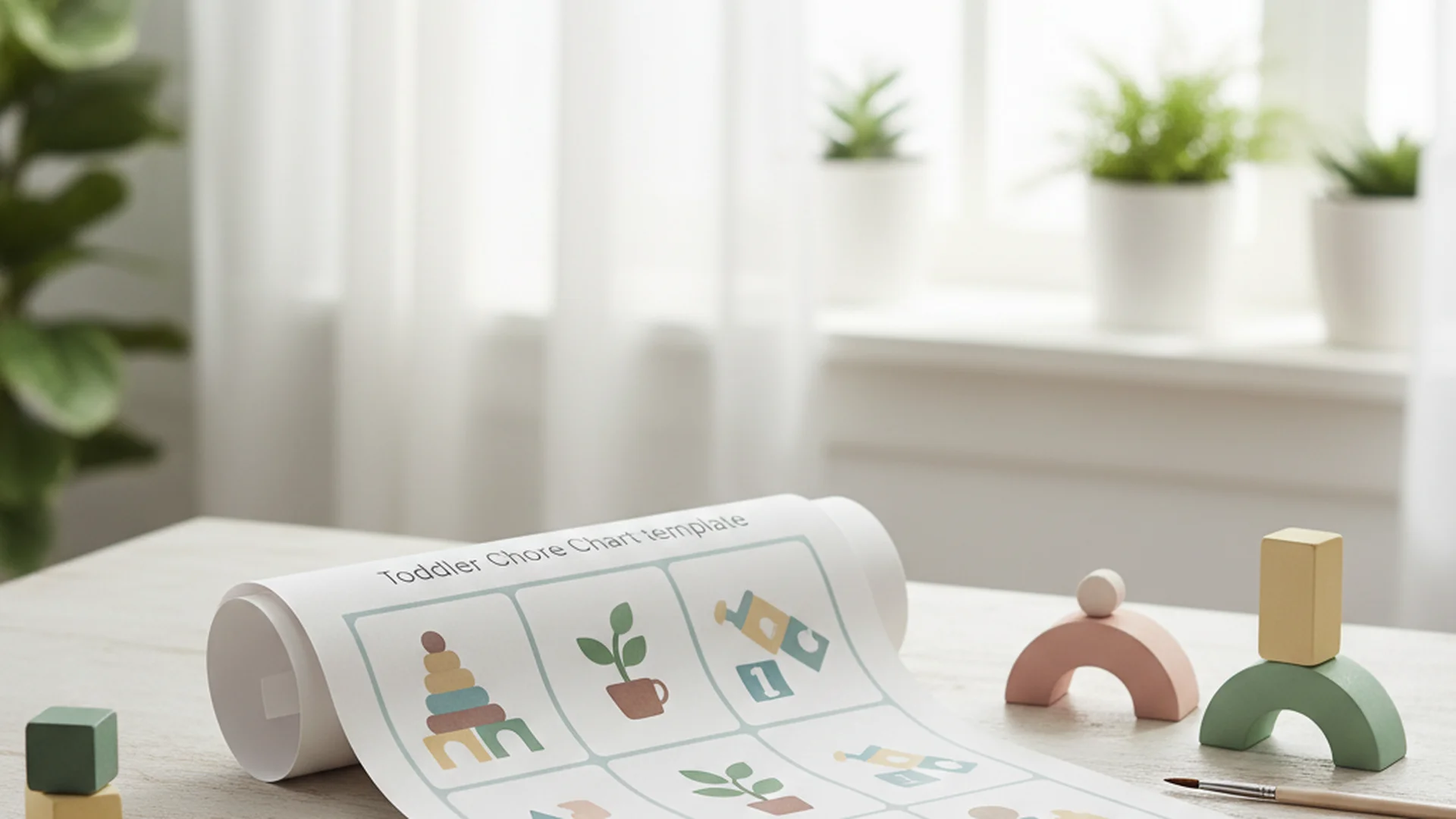
For pre-readers, 2026 trends show a surge in icon-based charts. Instead of the word "Dusting," the chart shows a small illustration of a duster. This fosters early independence because the child doesn't need to ask an adult what their next task is.
Note: Laminate your printable or put it in a plastic sleeve. Using a dry-erase marker adds a "gamified" feel that children love.
Common Mistakes to Avoid
Even with the best chore chart printable free pdf, many parents fall into common traps that lead to the system failing by the end of the first week.
- The "Rewards Economy": Giving a treat for every single task can kill intrinsic motivation. Chores should be framed as a contribution to the "family team" rather than a way to earn a toy.
- Insisting on Perfection: If you redo a child’s work immediately after they finish, you undermine their confidence. If they miss a spot while wiping the table, show them how to do it "even better" next time, or simply let it go.
- The "It's Faster If I Do It" Trap: While it is true that you can sweep the floor faster than your 7-year-old, doing it yourself is a short-term gain that leads to a long-term burden.
- Complicated Systems: If your chart requires 15 minutes of maintenance every night, you will likely abandon it. Keep it simple.
Recent Trends in Home Organization (2025-2026)
As we move into 2026, the "aesthetic" of home management is shifting. Families are moving away from heavy-ink, neon-colored charts and toward minimalist, black-and-white designs. These printer-friendly options fit better with modern home decor and reduce "visual clutter" in the kitchen.
Another growing trend is the Hybrid System. Many families now use a physical printed chart for daily visibility but sync larger rewards (like a weekend camping trip) to a digital family app. This keeps the daily habit tactile while keeping the "big picture" goals organized.
Frequently Asked Questions
At what age should I start using a chore chart?
Should I pay my kids an allowance for doing chores?
What is the difference between a chore list and a chore chart?
How many chores should a teenager have?
Conclusion
Implementing a chore chart printable free system is one of the most significant investments you can make in your child's future. By moving from a "Rewards Economy" to a "Contribution Culture," you provide your children with the executive function skills, work ethic, and sense of belonging they need to thrive. Remember to keep the system simple, be specific with your instructions, and focus on progress over perfection.
Success: Following this guide and using a visual chart will reduce household stress and build lasting habits for your children.
Cleaning that keeps score
Every task earns points, every streak multiplies them, and Premium adds a household leaderboard plus a monthly Dustagorgon to beat.
- Free forever
- 30 badges to earn
- Up to 6 in a household
No card needed. Set up your rooms in a couple of minutes.