In this article
What you’ll learn
- Early chores build the independence and follow-through kids carry into adulthood.
- A visual family chore chart template closes the "reminder gap" between asking and doing.
- Zone cleaning and gamification are the top household trends for 2025-2026.
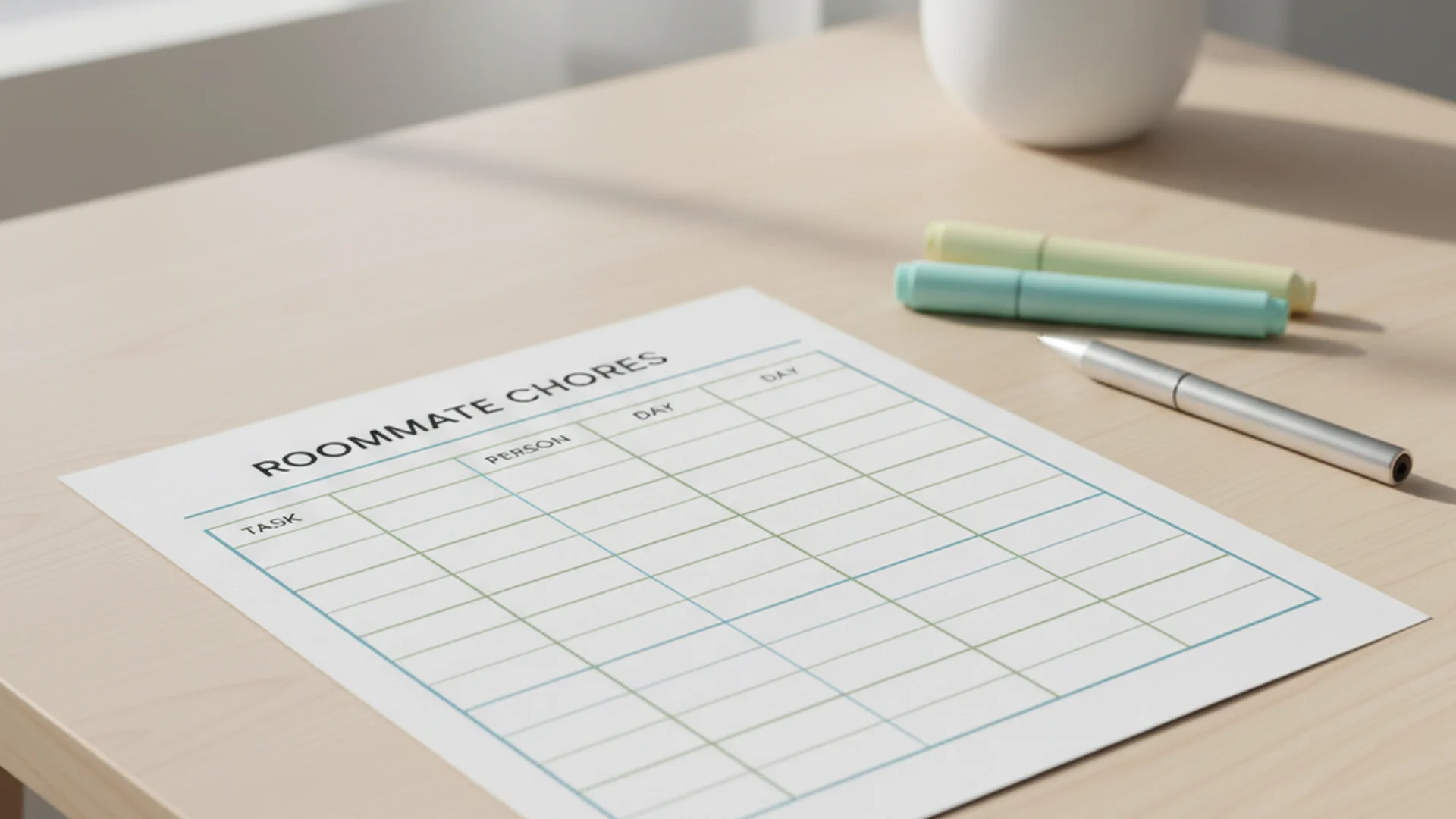
In many households, the word "chores" is met with a collective groan. Parents feel like broken records, and children feel like they are being assigned endless, arbitrary tasks. However, a well-implemented family chore chart template is more than just a tool for a clean house—it is a blueprint for your child's future success. By moving away from verbal nagging and toward a visual, structured system, you can foster independence, reduce the "mental load" of parenting, and create a more harmonious home.
The Science of Success: Why Chores Matter in 2025
Chores are a fundamental building block for a successful life. Children who take on regular jobs from an early age get daily practice at starting something, sticking with it, and seeing it through—the same habits that later show up in schoolwork and in how well they cooperate with their peers.
Perhaps most importantly, the habit of contributing at home tends to stay with a person long into adulthood. This isn't just about learning how to fold a shirt; it’s about developing executive function, working memory, and the "inhibitory control" required to finish a task before moving on to play.
Success: Children who contribute to "family-care" tasks, like helping with dinner or laundry, report higher levels of life satisfaction and a stronger sense of belonging.
Designing the Ultimate Family Chore Chart Template
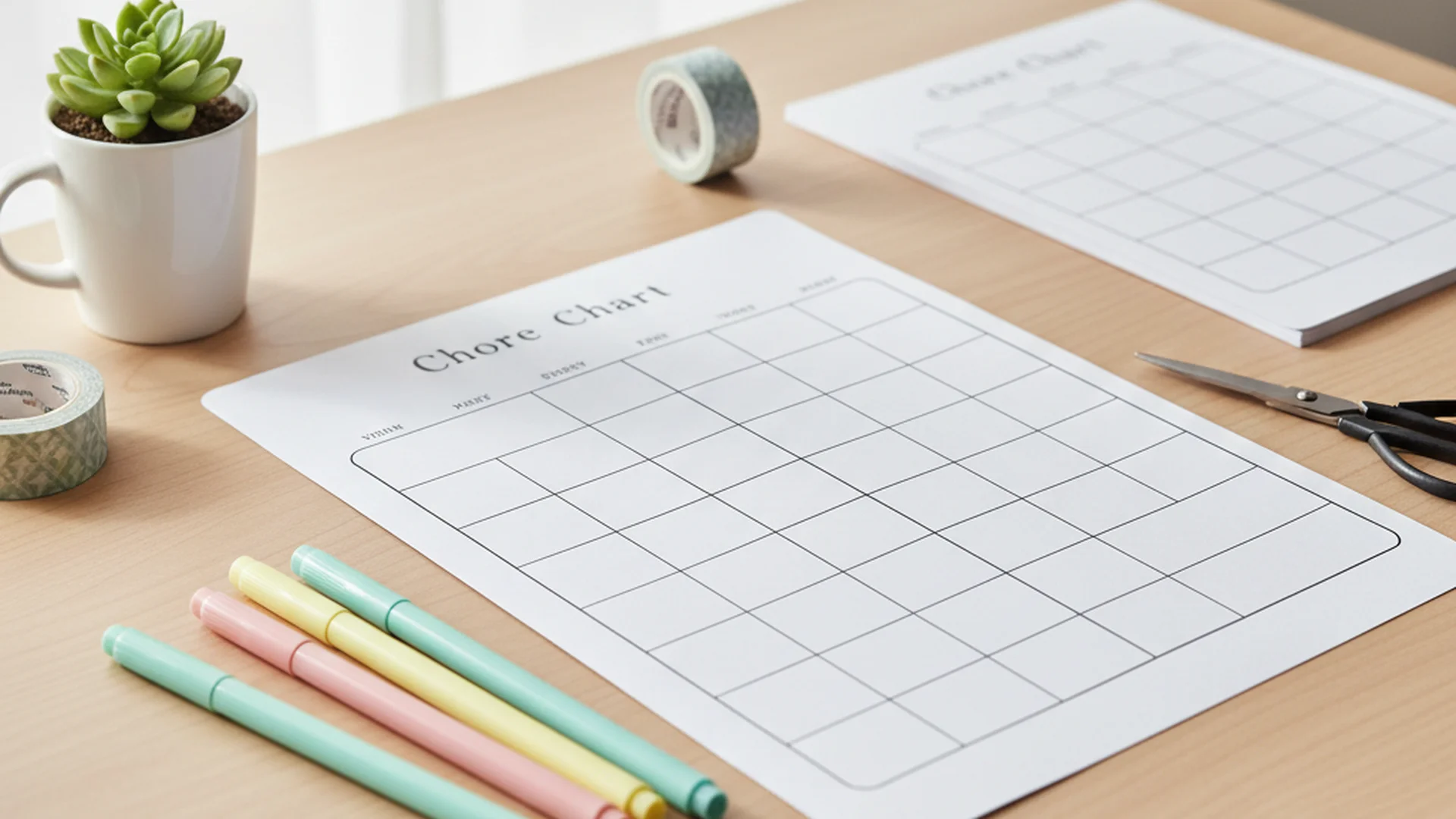
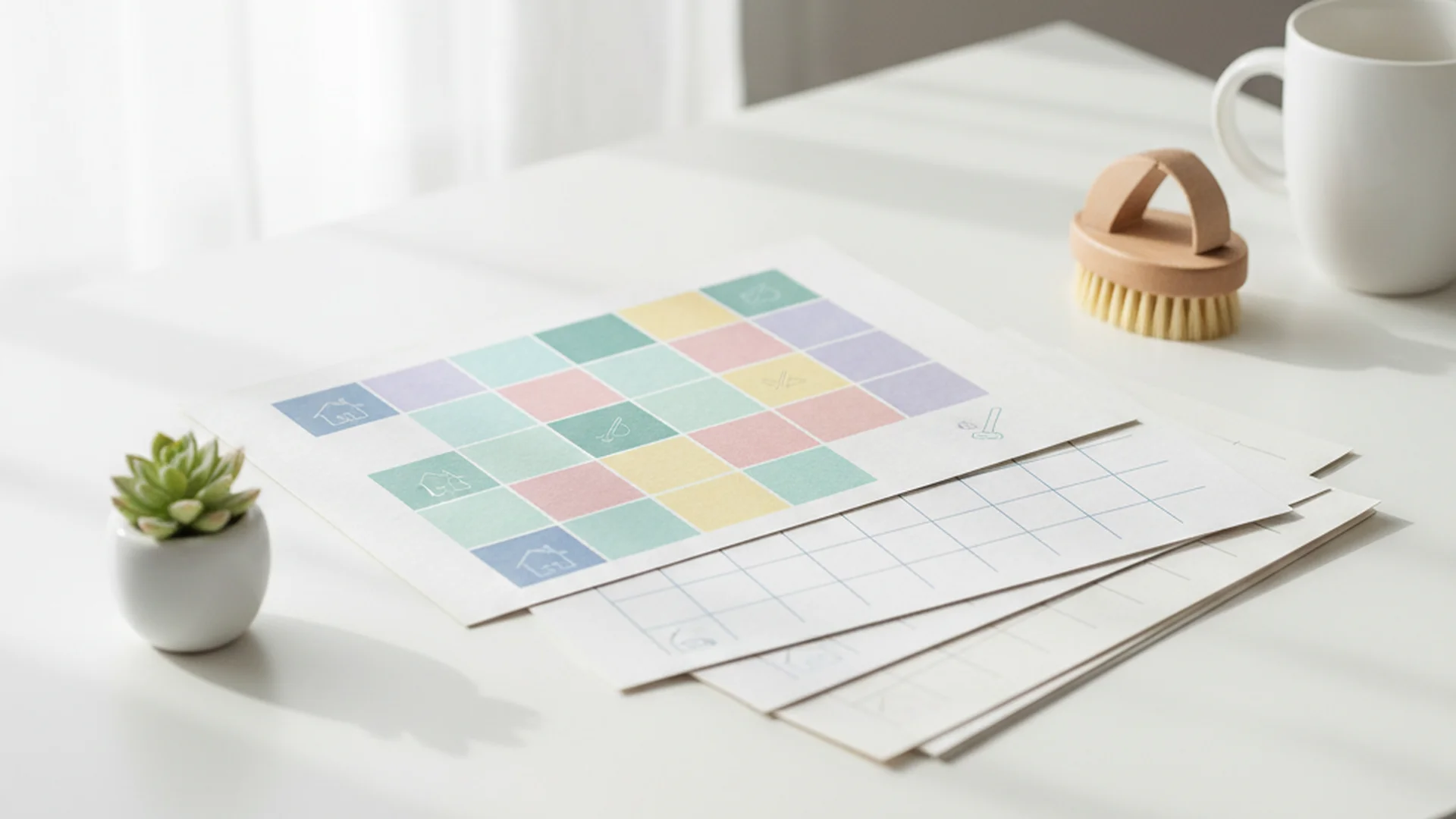
When looking for a free family chore chart template, it is easy to get overwhelmed by complex designs. However, the most effective systems in 2025-2026 prioritize clarity and consistency over aesthetics.
The "Show, Don’t Tell" Method
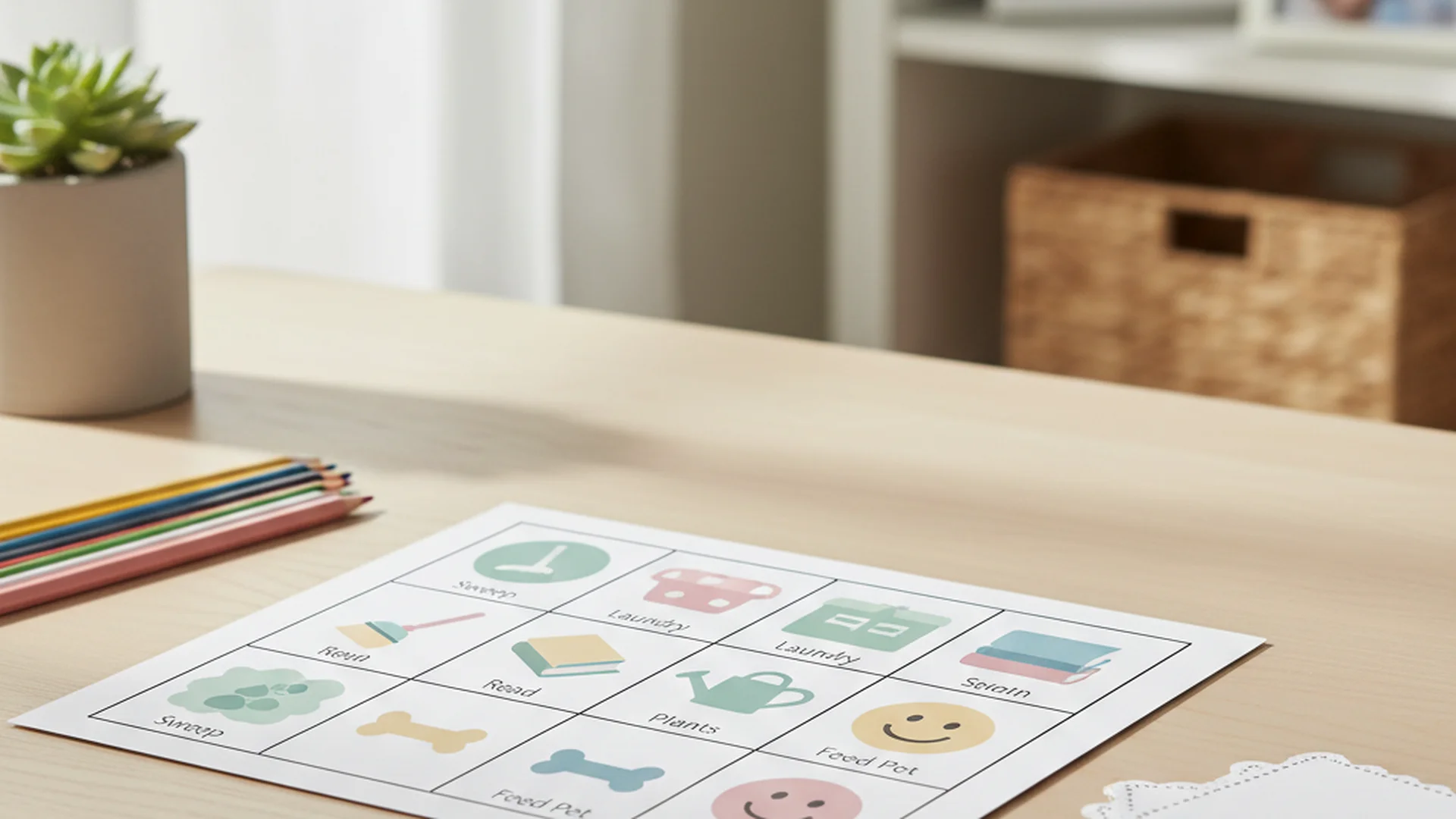
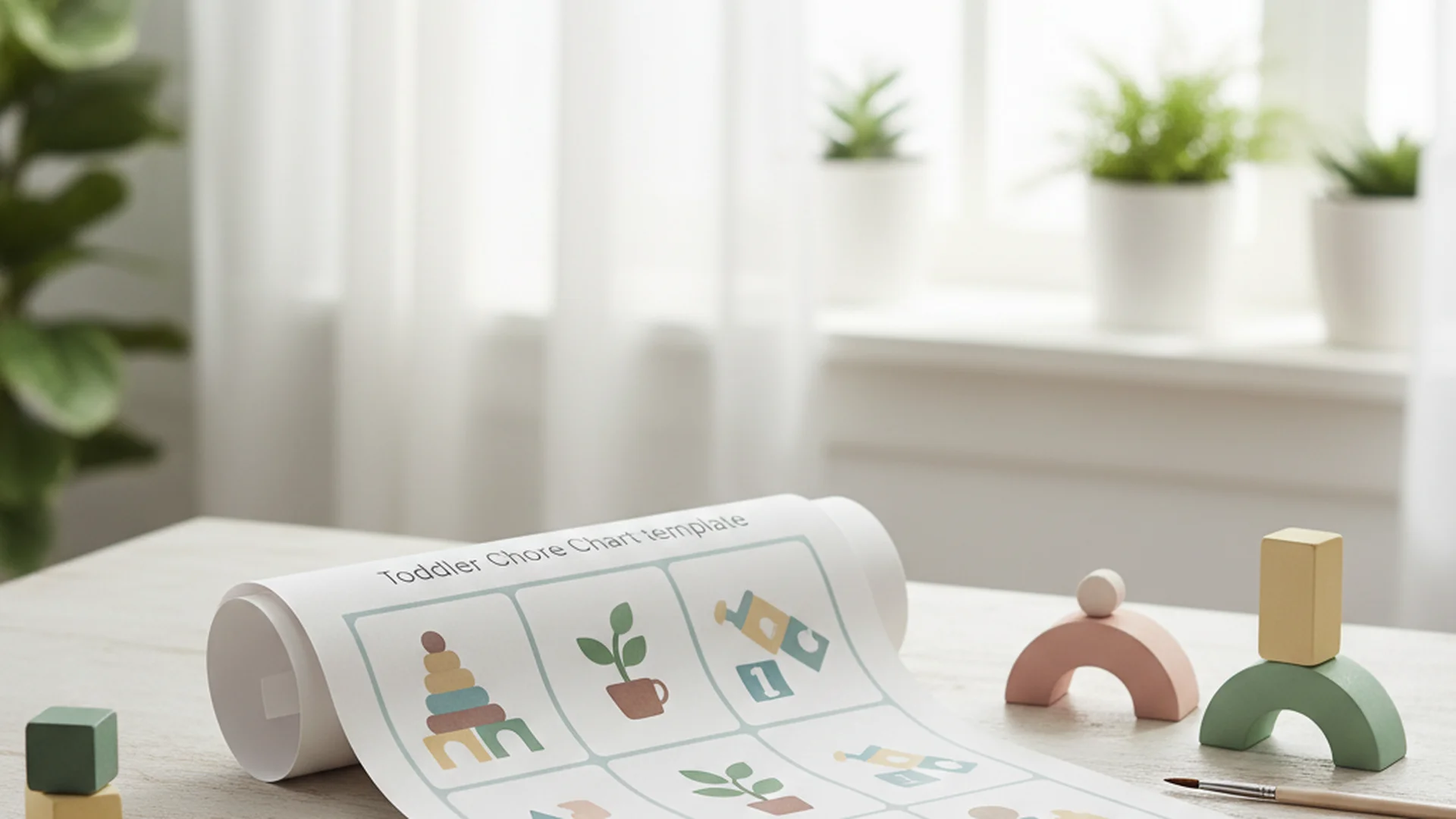
One of the biggest hurdles in household management is ambiguity. A child might think "clean the room" means pushing toys under the bed, while a parent expects a vacuumed floor. To solve this, "laminate the standard." Attach a small photo to your family chore chart template printable showing exactly what a "finished" job looks like.
Collaborative Creation
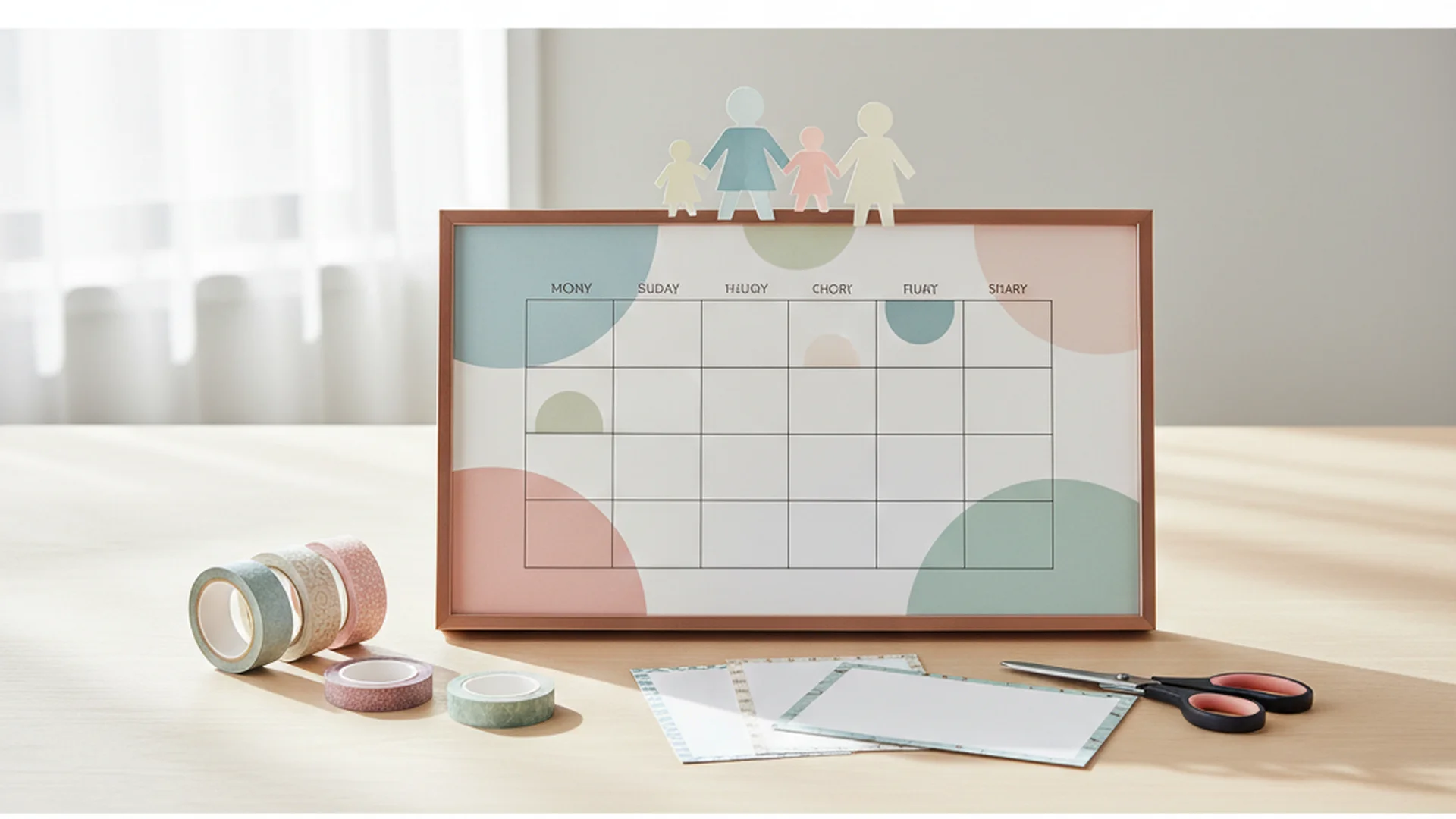
If you want buy-in, you need collaboration. Hold a family meeting to build your chart. When children "apply" for specific jobs or help choose which tasks are assigned to which days, they move from a state of compliance to a state of ownership.
Tip: Use a "Check-Off" system with Velcro or dry-erase markers. The physical act of checking a box provides an immediate dopamine hit that reinforces the habit.
Age-Appropriate Progressions (2025 Guide)
To ensure your system is sustainable, tasks must match the child's developmental stage. A family chore chart template that is too difficult will lead to frustration, while one that is too easy leads to boredom.
| Age Group | Recommended Tasks | Goal |
|---|---|---|
| Ages 2–3 | Pick up toys, put laundry in hamper, dust baseboards | Identity as a "helper" |
| Ages 4–5 | Set the table, water plants, match socks | Basic responsibility |
| Ages 6–8 | Empty dishwasher, sweep, fold towels | Sequence following |
| Ages 9–12 | Vacuum, wash car, cook simple meals | Independence |
| Teens | Full laundry cycles, grocery shop, deep cleaning | Life skills mastery |
Note: Even the youngest family members can participate. Starting at age two with simple "helping" tasks builds the foundational habit of contributing to the household.
Recent Trends in Household Management (2025-2026)
As we move into 2026, several new trends are changing how families use a family chore chart template.
- Zone Responsibility: Instead of a list of 10 micro-tasks, families are assigning "Zones." For example, "Child A" is responsible for the Living Room Zone for the week. This allows the child to manage their own time and decide when to tidy, as long as the zone meets the "standard" by a set deadline.
- Time-Block Chores: Rather than a "To-Do" list, chores are assigned to specific blocks (Morning/Afternoon/Evening). This helps children learn to manage their schedules around school and extracurriculars.
- The Rise of Smart Command Centers: While a family chore chart template printable is excellent for young children, older kids are moving toward digital displays like the Skylight or Hearth. These sync with phones and send "pings" to remind them of their tasks, removing the parent from the role of "nagger."
Common Mistakes to Avoid
Even the best family chore chart template can fail if implemented poorly. Avoid these common pitfalls to keep your family on track:
- The Perfectionism Trap: Never redo a chore immediately after your child finishes it. If the job isn't up to standard, coach them through fixing it. Redoing it yourself signals that their effort wasn't good enough, leading to "chore burnout."
- Complexity Overload: A chart with too many colors, columns, and rules often fails within two weeks. Stick to the "3x3 Rule": 3 categories with a maximum of 3 tasks each.
- Using Chores as Punishment: Linking scrubbing the floor to bad behavior creates a permanent negative association with housework.
- The Reward Economy: Avoid paying for every small act of citizenship. If children expect a prize for every dish moved, they lose the intrinsic motivation to help because it's the right thing to do.
Warning: Tying every chore to money can inadvertently kill intrinsic motivation. Use "extra-mile chores" for allowance, but keep "citizenship chores" as part of being a family.
Frequently Asked Questions
Should I pay my kids for doing chores?
How many chores should a 7-year-old have?
Do chore charts work for adults?
What is the "Reminder Gap"?
Conclusion
Transitioning to a structured family chore chart template is an investment in your children's future and your own current sanity. By moving away from a culture of nagging and toward a culture of contribution, you empower your children with the executive function skills they need to thrive in the real world. Whether you choose a high-tech digital board or a classic free family chore chart template on the fridge, the key is consistency, collaboration, and clear expectations.
Success: Families who stick with a consistent visual chart often notice household stress and arguments easing within the first month.
Cleaning that keeps score
Every task earns points, every streak multiplies them, and Premium adds a household leaderboard plus a monthly Dustagorgon to beat.
- Free forever
- 30 badges to earn
- Up to 6 in a household
No card needed. Set up your rooms in a couple of minutes.