In this article
What you’ll learn
- Household labor is a leading source of conflict, making organization vital for relationships.
- Effective chore charts must address the "mental load," not just physical execution.
- Equity of free time is more important than a strict 50/50 task split.
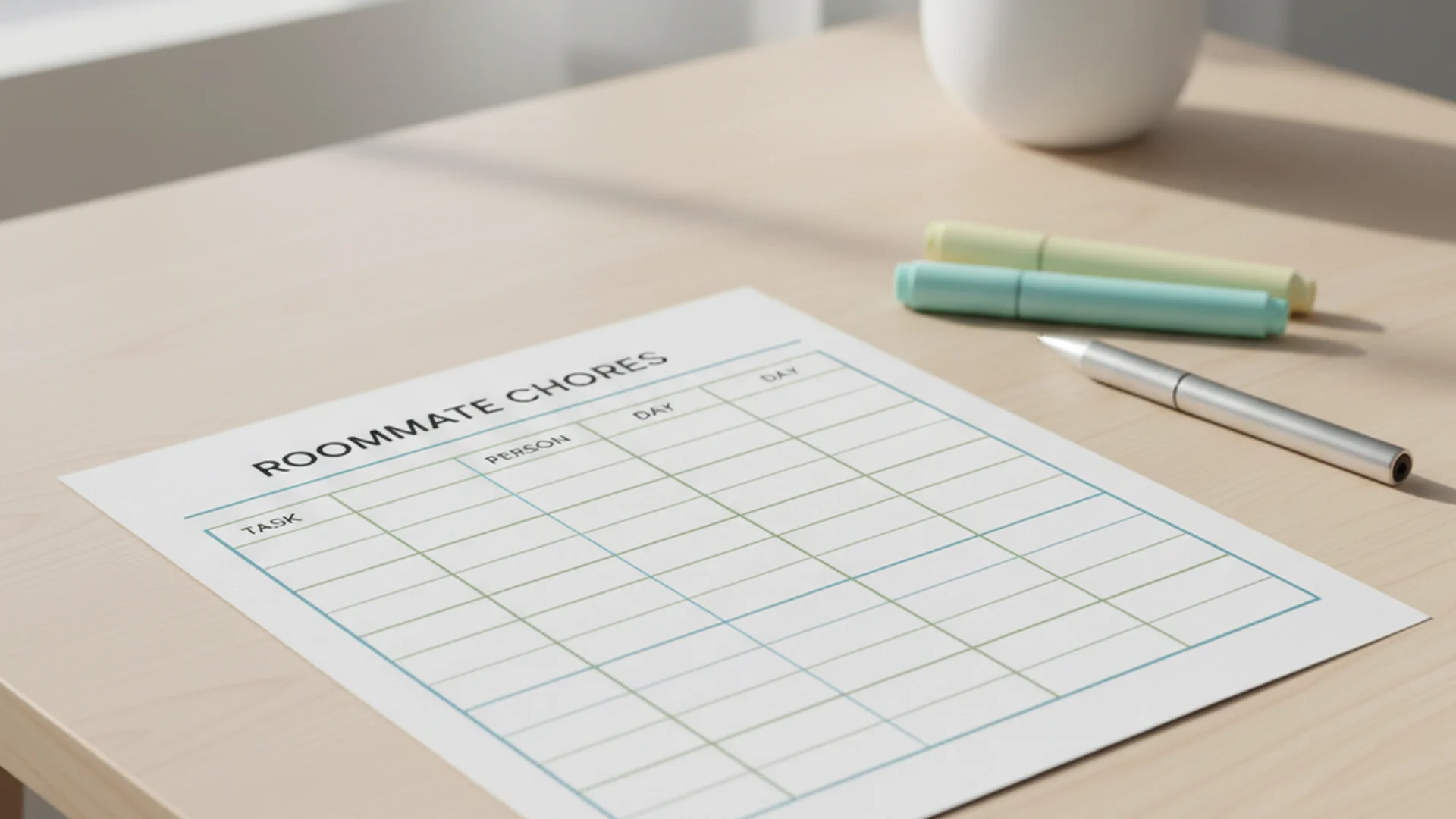
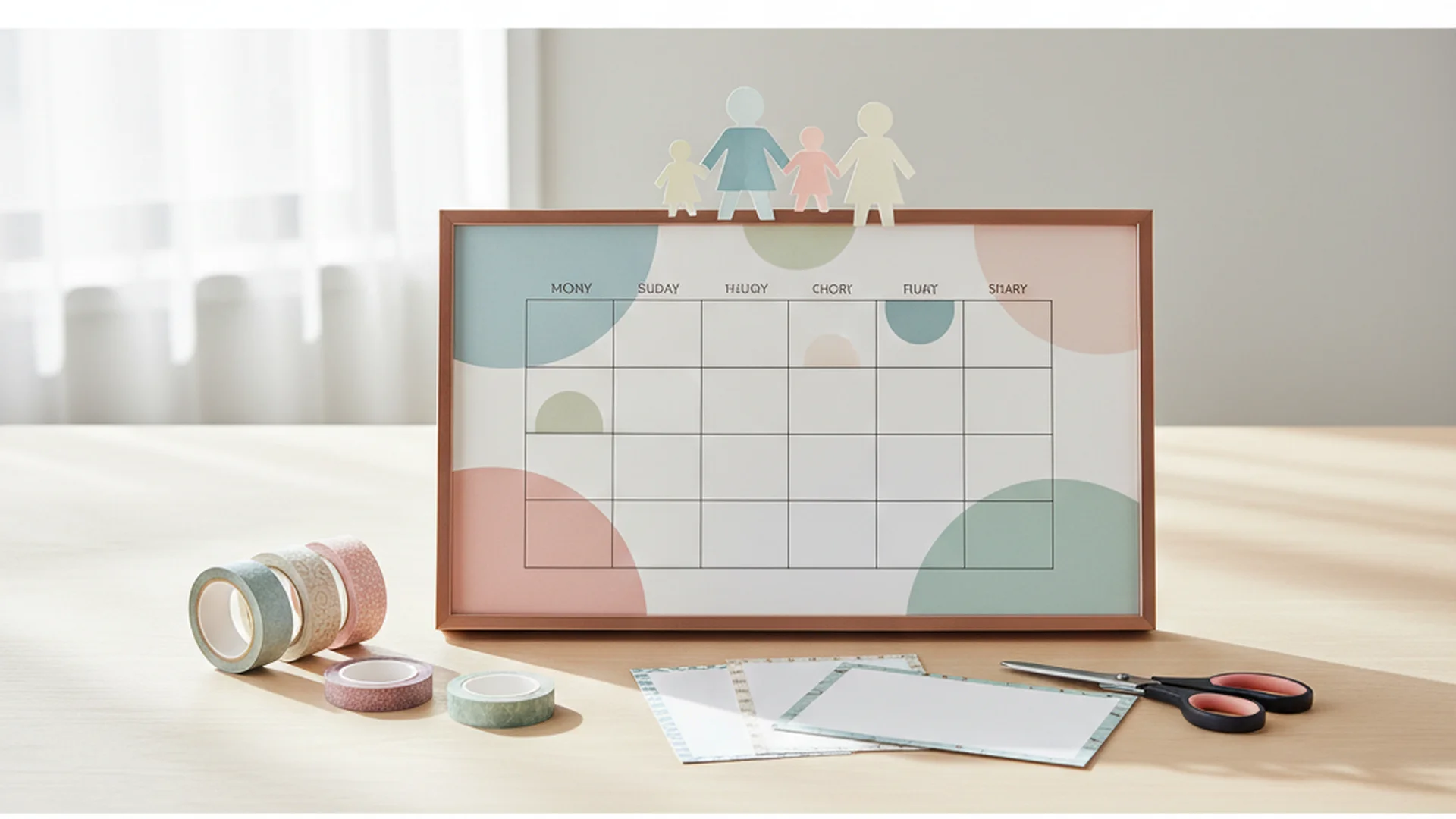
Few things kill romance faster than an overflowing sink or a mountain of laundry that hasn’t been folded in three days. If you find yourself arguing over "who does what" more often than you'd like, a couple chore chart template might be the secret weapon your relationship needs. Far from being a childish list for the fridge, a structured system for domestic labor is a genuine tool for relationship longevity. How you handle the "boring" stuff—like taking out the trash or scrubbing the tub—can be the difference between a thriving partnership and a breakdown in communication.
The Science of Sharing: Why "Who Does What" Matters
Household labor remains one of the most significant friction points in modern relationships. It’s rarely about the actual dishes; it’s about the respect and perceived fairness behind the task.
Disagreements over household chores are one of the most commonly cited reasons couples split up. This isn't just a matter of cleanliness; it’s a matter of equity. There is even a "remote work penalty," where women in remote-working couples end up shouldering the bulk of the housework.
There is also a stubborn satisfaction gap: men tend to be far happier with how chores are divided than their partners are. Using a couple chore chart template printable helps close this gap by making invisible labor visible.
Note: Couples who share at least three chores—doing them together or switching off—tend to describe their relationship in warmer terms than those who strictly "divide and conquer."
Understanding the "Mental Load"
Before you download a free couple chore chart template, you must understand the "Mental Load." Popularized by Eve Rodsky in her book Fair Play, the mental load is the invisible labor of planning, noticing, and remembering.
The CPE Model: Conception, Planning, Execution
Use the "CPE" model to prevent resentment.
- Conception: Noticing the dog is low on food.
- Planning: Researching which brand is in stock and finding a coupon.
- Execution: Physically going to the store and buying the food.
If one partner only handles "Execution" while the other handles "Conception and Planning," the labor is still unequal. A truly effective couple chore chart template assigns the entire CPE cycle to one person.
Tip: When assigning a task like "Dinner," ensure the person responsible also handles the meal planning and the grocery list for those ingredients.
Choosing Your Couple Chore Chart Template
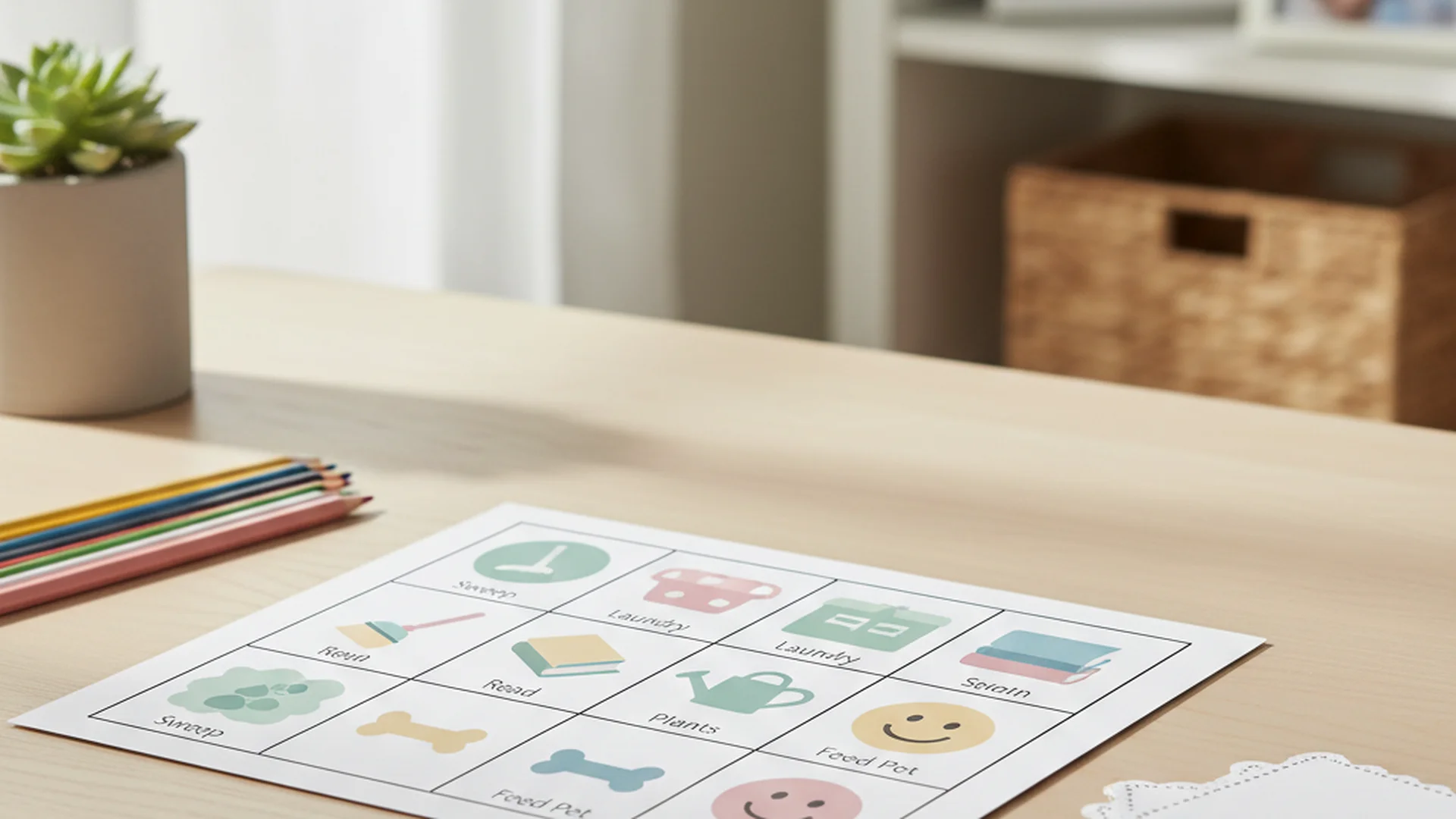
There is no one-size-fits-all solution for domestic harmony. Depending on your lifestyle, you may prefer a digital system or a couple chore chart template printable version.
| System Type | Best For | Pros |
|---|---|---|
| The Simple List | New couples/Small apartments | Easy to start, low maintenance. |
| The Points-Based System | Couples with varying energy levels | Accounts for the "weight" of difficult tasks. |
| The Gamified App | Tech-forward/Competitive couples | High engagement, rewards-based. |
| The Fair Play Method | Families/High-stress households | Explicitly addresses the mental load. |
Real-World Example 1: The Busy Professional Couple
Mark and Elena both work 50+ hours a week. Instead of a 50/50 task split, they use an "Equity of Free Time" model. Because Mark has a longer commute, Elena handles more daily "Execution" tasks, but Mark takes over all deep-cleaning tasks on the weekend. They use a couple chore chart template to track these hours so both get exactly 4 hours of "pure rest" on Sundays.
Real-World Example 2: The Points-Based Gamers
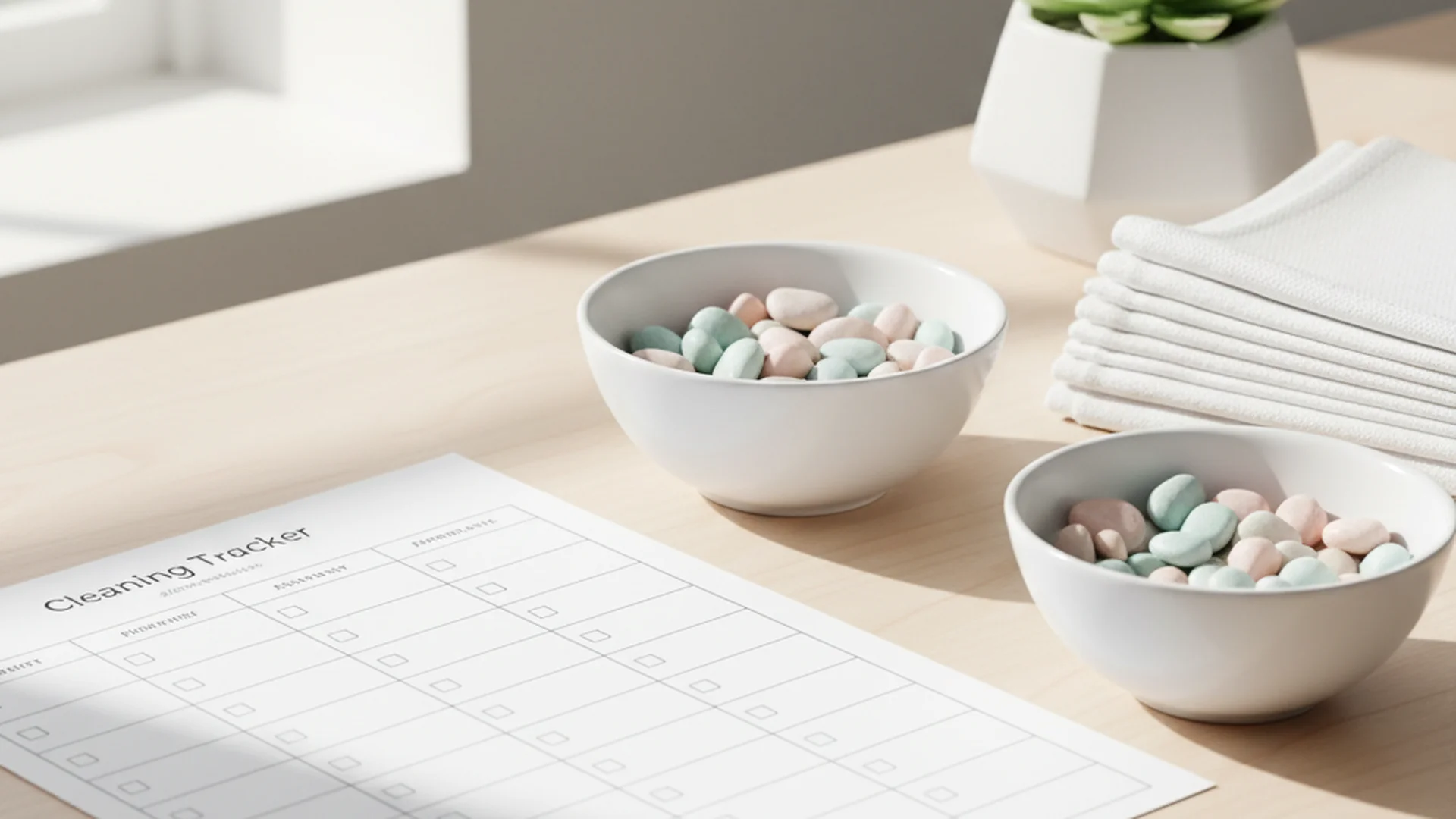
Leo and Sam struggle with ADHD and motivation. They assigned points to chores: 10 points for cleaning the bathroom, 2 points for unloading the dishwasher. They use their couple chore chart template printable to "buy" rewards, such as a guilt-free Saturday morning gaming session or a takeout dinner paid for by the partner with fewer points.
How to Conduct a "Chore Audit" Without Fighting
Setting up your template shouldn't be a battle. Follow these steps to ensure a smooth transition to your new organized life.
Step 1: The Sunday Reset Meeting
Schedule a 10-minute meeting every Sunday. Look at the upcoming week's calendar. If one partner has a big presentation on Thursday, the other should take on more of the household load for those 48 hours.
Step 2: Establish Minimum Standards of Care (MSC)
One of the biggest causes of "chore wars" is differing standards. What does "clean" mean?
- Does "doing the dishes" include wiping the counters?
- Does "taking out the trash" include putting a new liner in?
- Does "doing laundry" include folding and putting it away the same day?
Warning: Avoid "Weaponized Incompetence"—intentionally doing a task poorly so your partner stops asking you to do it. It is one of the biggest relationship red flags there is.
Step 3: Assign Based on Strengths
Don't force a 50/50 split on every single task. If one partner finds vacuuming meditative and the other finds it draining, lean into those natural inclinations.
Recent Trends in Home Management (2025-2026)
The way we manage homes is shifting. We are seeing a rise in AI-driven home managers like "Bo" or "3rd Brain" that suggest task assignments based on your real-time Google Calendar.
Additionally, "Mental Load Transparency" is a major trend for 2026. Modern free couple chore chart template designs now include "Thinking Tasks" (like "Researching a new vacuum") as separate line items from "Execution Tasks" (like "Vacuuming").
Success: Couples who treat their home management like a team project rather than a series of favors for one another tend to feel far closer for it.
Common Mistakes to Avoid
- The "Favor" Fallacy: Never say you are "helping" your partner. It implies the home is their responsibility and you are just a volunteer. You are a co-manager of your shared life.
- The 50/50 Obsession: Life isn't always 50/50. Sometimes it’s 80/20 when a partner is sick or grieving. Focus on fairness over a decade, not a day.
- Scorekeeping: Don't use your couple chore chart template as a weapon during arguments. The chart is a tool for collaboration, not a scoreboard for conflict.
Frequently Asked Questions
How do you split chores fairly when one partner works more?
What is the best way to make a couple's chore chart?
Should we use a points-based system for chores?
How often should we rotate chores?
Conclusion
A couple chore chart template is more than just a piece of paper; it is a contract of respect and a roadmap for a happier relationship. By making the invisible labor visible and agreeing on "Minimum Standards of Care," you remove the guesswork and the resentment that so often plagues modern homes. Reframe these tasks not as "chores," but as acts of service for your partner and your future together.
Cleaning that keeps score
Every task earns points, every streak multiplies them, and Premium adds a household leaderboard plus a monthly Dustagorgon to beat.
- Free forever
- 30 badges to earn
- Up to 6 in a household
No card needed. Set up your rooms in a couple of minutes.