In this article
What you’ll learn
- Extreme decluttering cuts your ongoing housework down sharply.
- Start with non-sentimental items to build decision-making momentum.
- Use the 90/90 rule to make objective choices about what to keep.
The average home is bursting at the seams with more possessions than anyone could reasonably keep track of. If that thought sounds exhausting, it’s because it is. As we move into 2026, the trend of extreme decluttering has shifted from a niche minimalist hobby to a vital survival strategy for mental health. This isn't just about tidying up a junk drawer; it is a decisive, massive purge designed to reset a living space that has become unmanageable. By aggressively removing the "stuff" that weighs us down, we can reclaim our time, our energy, and our sanity.
The Psychology of the Purge: Why We Struggle
Feeling overwhelmed by the state of your home is extremely common. This isn't just a matter of "mess." Physical clutter competes for your attention, which adds to your cognitive load and chips away at your focus.
Cluttered environments also tend to keep stress simmering, and a big declutter can take real weight off your shoulders—essentially acting as a physical form of therapy. When you clear your counters, you are quite literally clearing your mind.
Note: Chaos in the home environment often mirrors chaotic eating habits and high-stress lifestyle choices, so a reset frequently spills over into other parts of your routine.
The 2026 Extreme Decluttering Checklist
To be successful, you need a "surgical" approach. You cannot simply move items from one room to another. Use this extreme decluttering checklist to guide your progress through the most critical phases of the reset.
Phase 1: The "Low-Hanging Fruit" (Day 1)
The goal of the first day is to build momentum. Do not touch sentimental items today. Instead, focus on literal waste and items with expiration dates.
- Expired Goods: Clear out the pantry, the medicine cabinet, and the makeup drawer. If it's past its prime, it’s gone.
- The "Linen Purge": Toss stained towels, lumpy pillows, and mismatched bedsheets.
- Obsolete Tech: Gather all "mystery" cords, chargers for phones you no longer own, and broken electronics.
- Unopened Boxes: If you moved over a year ago and still haven't opened those boxes in the garage, donate them contents-unseen.
Phase 2: The Category Purge (Day 2-3)
Now that the "trash" is gone, it’s time to tackle functional items.
- Clothing: Follow the "2025 Rule"—if you didn't wear it during the previous year, it does not belong in your 2026 closet.
- Kitchen Duplicates: You do not need four spatulas or three blenders. Keep only the best-performing version of every tool.
- The "Doom Piles": Tackle the random stacks of paper, mail, and "miscellaneous" items that have colonized your flat surfaces.
Phase 3: Digital and Final Clear-Out (Day 4)
In 2026, our clutter isn't just physical.
- Digital Declutter: Delete "zombie apps" (apps you haven't opened in 6 months), unsubscribe from marketing emails, and clear your cloud storage.
- The Donation Station: Ensure every item marked for removal is physically moved to the car or a pickup zone.
Warning: The process is not finished until the items have left your property. Leaving bags in the garage or trunk creates a "clutter ghost" that maintains your mental stress.
Proven Extreme Decluttering Tips for Success
If you feel the urge to quit halfway through, these tried-and-tested methods can help you push through the "messy middle."
The 90/90 Rule
This is a staple of extreme decluttering. Ask yourself: Have I used this item in the last 90 days? Will I use it in the next 90 days? If the answer to both is "no," the item is a candidate for removal. This rule removes the "I might need this one day" excuse that keeps us stuck.
The Four-Box Method
Label four large boxes: Keep, Donate, Sell, and Trash. As you move through a room, every single item must go into one of these boxes. Nothing is allowed to stay on the floor or go back into a drawer until the room is completely empty and cleaned.
The Photo Method for Sentimental Items
The hardest part of extreme decluttering is letting go of items with emotional weight. Instead of keeping a dusty trophy or an old set of china you never use, take a high-quality photo of it. You can keep the memory in a digital album without the physical object taking up square footage in your home.
Tip: If you have high-end items you are hesitant to donate, put them in a "Decision Box" with a date six months from now. If you don't open the box by that date, donate it without looking inside.
Real-World Examples of Extreme Decluttering
To understand the impact of this process, let's look at how it transforms different types of lives.
Example 1: The "Empty Nester" Reset
After her children moved out, Margaret realized she was still living in a house designed for five people. She spent 30 years collecting "just in case" items. By performing an extreme declutter, she reduced her kitchen inventory by 60%, allowing her to downsize to a smaller, more manageable home and saving her $800 a month in utility and maintenance costs.
Example 2: The Digital Nomad Transformation
David felt weighed down by his 3-bedroom apartment. He used the "90/90 rule" to reduce his belongings to just what could fit in a single SUV. This extreme approach allowed him to transition to a traveling lifestyle, focusing his finances on experiences rather than the $3,000 a year he was previously spending on a climate-controlled storage unit.
Example 3: The Work-From-Home Overhaul
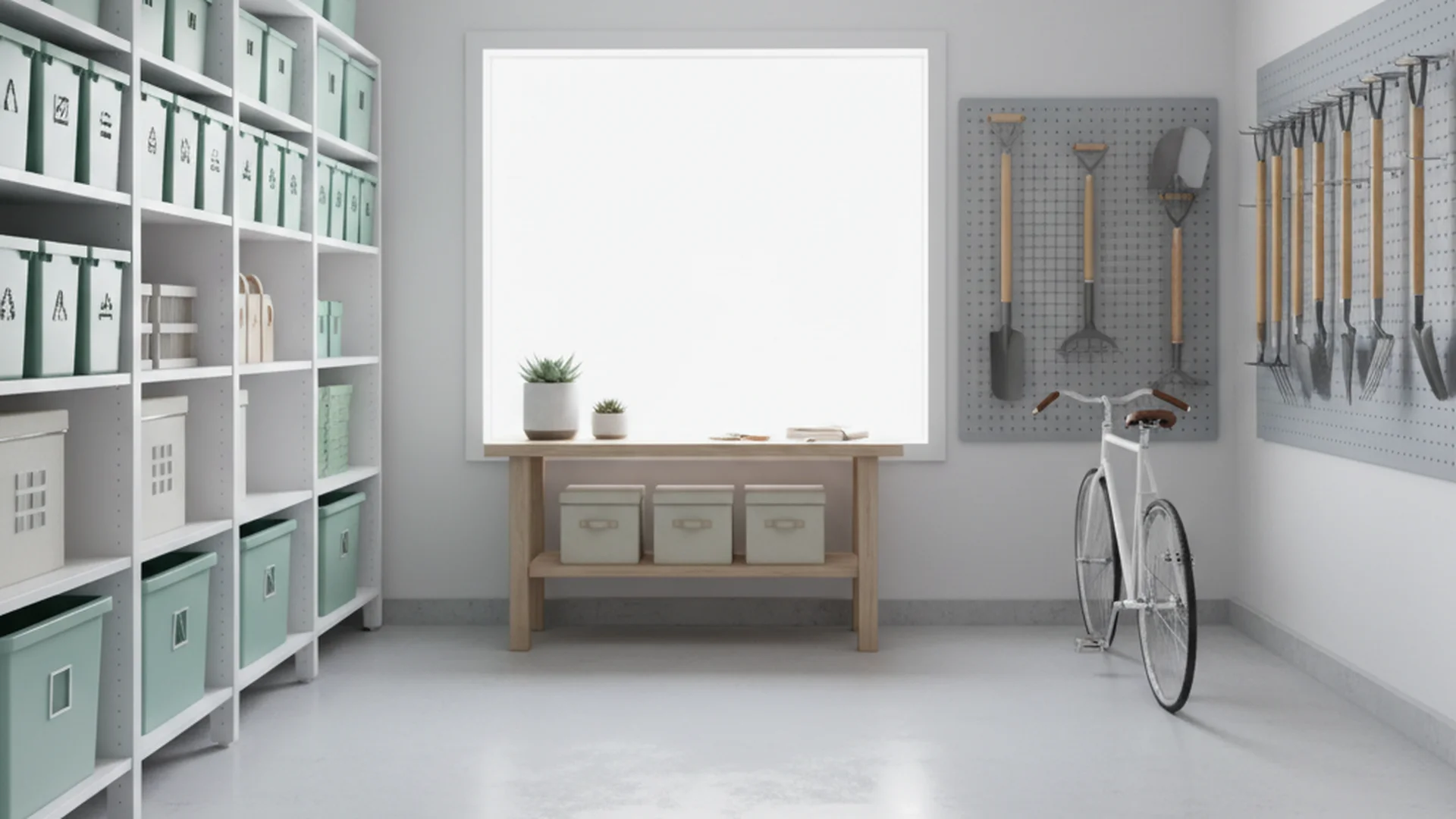
In 2025, Sarah's home office had become a storage room for broken toys and old documents. The clutter was causing her to lose 4 hours of productivity a week. By applying a "surgical purge," she cleared all flat surfaces and implemented vertical storage. Her "housework tax" dropped significantly, and her professional output increased because her brain was no longer distracted by the surrounding chaos.
New Trends for 2026: The Tech and Eco Shift
The way we declutter is changing. In 2026, several new trends have emerged to make the process more sustainable and efficient.
- AI-Assisted Organization: New apps now allow you to scan your pantry or closet. The AI identifies "dead stock"—items you haven't touched—and suggests recipes or outfits to use them, or prompts you to donate them if they remain untouched for another month.
- Circular Disposal: The trend has moved away from landfills. Many people now use hyper-local "Buy Nothing" groups or textile recycling programs to ensure their unwanted items find a second life rather than contributing to environmental waste.
- Vertical & Magnetic Storage: As people get rid of bulky dressers and cabinets, there is a shift toward "invisible" storage. Using magnetic walls and vertical racks keeps items visible but off the counters, preventing the "clutter creep" from returning.
Common Mistakes to Avoid
Even with the best intentions, it is easy to fall into these common traps that stall progress.
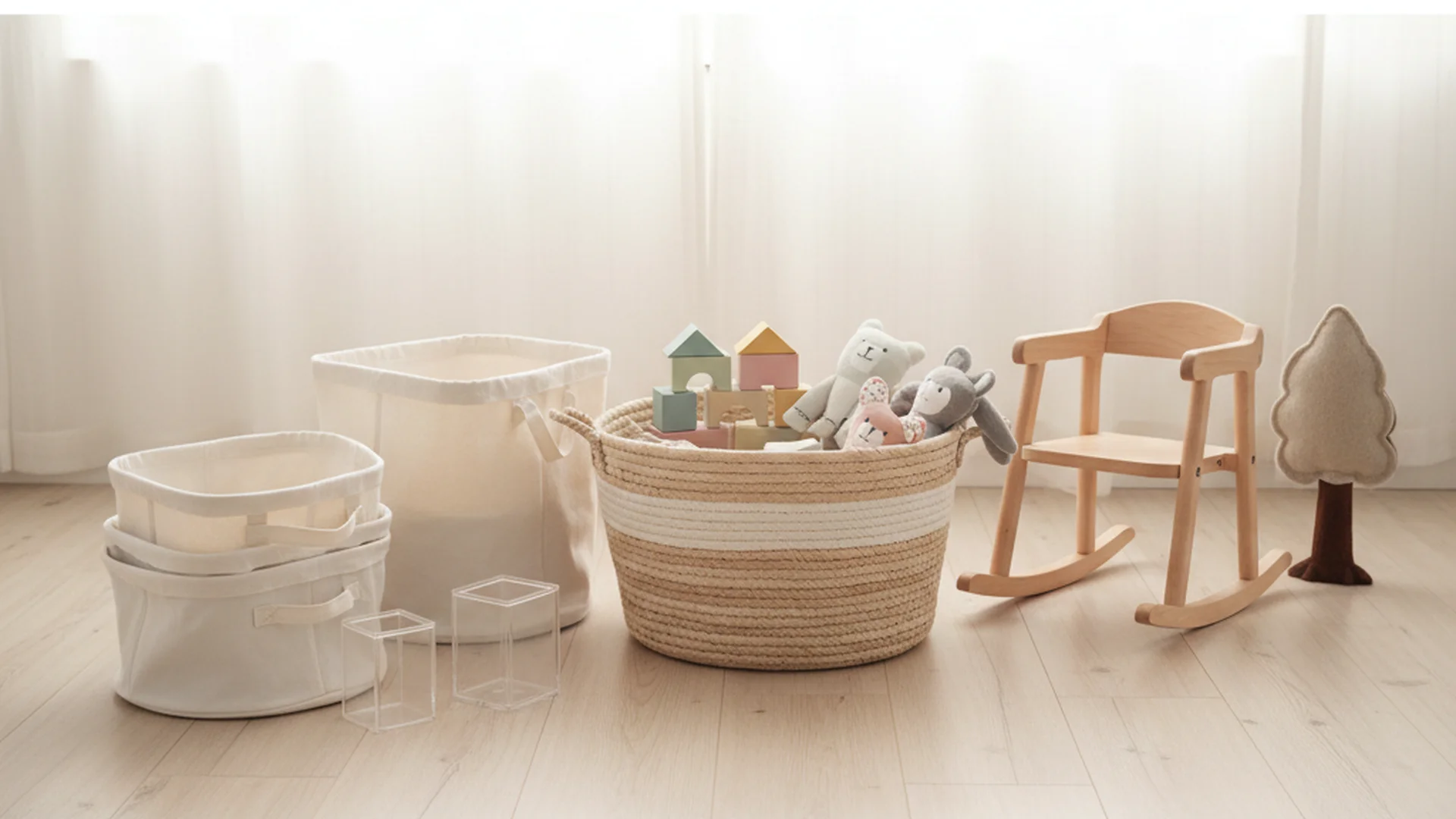
- Organizing Before Decluttering: This is the #1 mistake. You cannot organize your way out of having too much stuff. If you buy fancy bins before you purge, you are simply "organizing clutter."
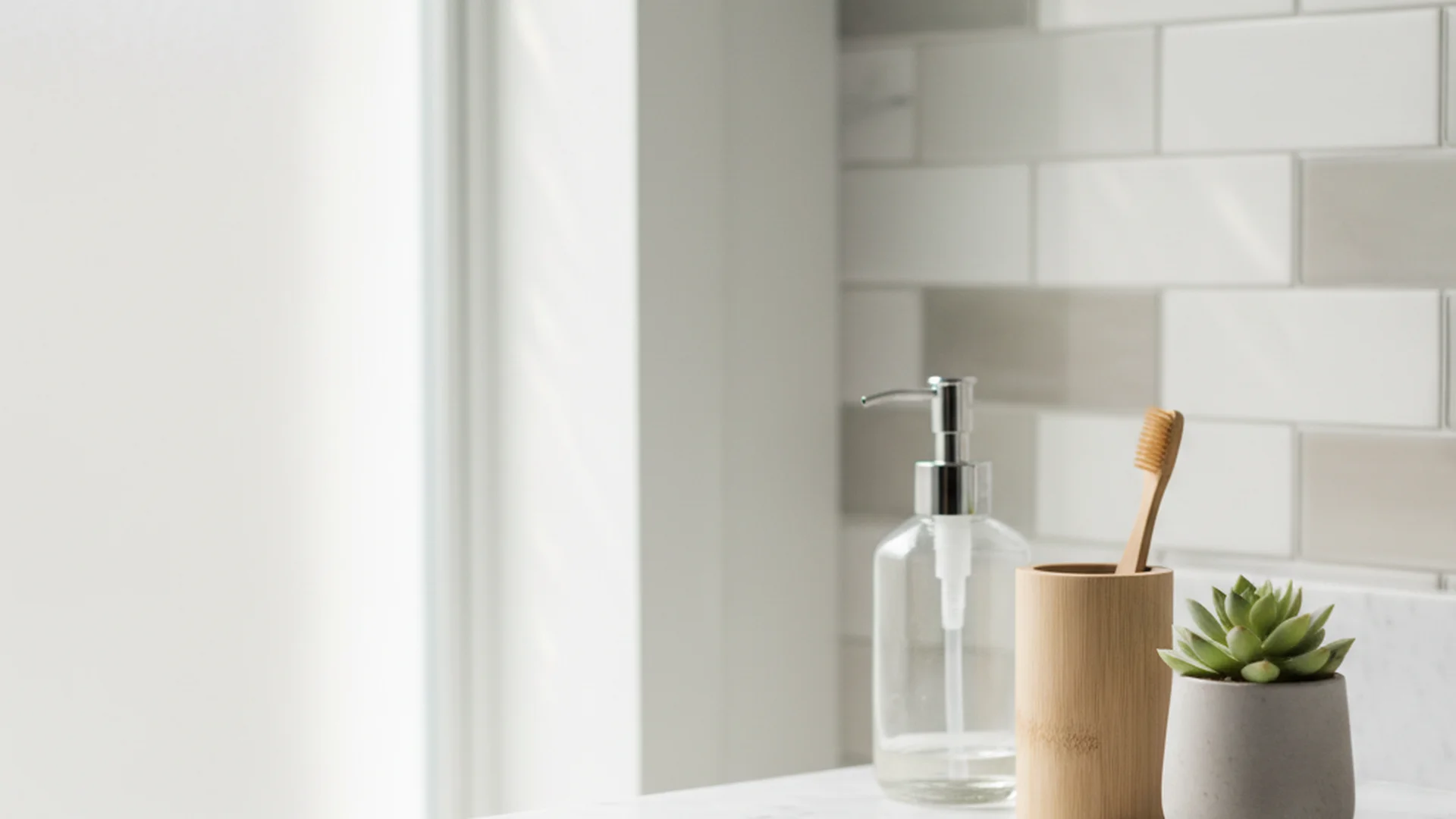
- Starting with Sentimental Items: Starting with your childhood photos or your late grandmother’s jewelry will lead to emotional fatigue within 20 minutes. Start in the bathroom—it’s the easiest place to build your "decision-making muscles."
- The "I Might Need It One Day" Trap: If you haven't used an item in a year, the cost of storing it (both mentally and in terms of physical space) is much higher than the cost of replacing it in the unlikely event of an emergency.
- Trying to Sell Everything: Unless an item is worth a significant amount of money, the time and effort required to list, ship, or meet buyers for a $5 item isn't worth it. Focus on donating to clear the space quickly.
| Item Category | Recommended Reduction | Impact Level |
|---|---|---|
| Paper/Files | 90% (Go Digital) | High |
| Kitchenware | 50% | Medium |
| Clothing | 40-60% | High |
| Linens/Towels | 70% | Low |
Frequently Asked Questions
How do I start when I’m completely overwhelmed?
What is the difference between minimalism and extreme decluttering?
How do I handle a partner who doesn't want to declutter?
Is it better to declutter room-by-room or by category?
Conclusion
Extreme decluttering is more than just a cleaning project; it is a gateway to a more intentional life. By lifting the sheer weight of excess belongings out of our homes, we make room for the things that actually matter: our hobbies, our relationships, and our peace of mind. Whether you are using the 90/90 rule or the Four-Box method, the goal remains the same—to stop serving your stuff and start making your stuff serve you.
Success: By completing an extreme decluttering project, you claw back hours of housework every week and significantly lower your daily stress levels.
Cleaning that keeps score
Every task earns points, every streak multiplies them, and Premium adds a household leaderboard plus a monthly Dustagorgon to beat.
- Free forever
- 30 badges to earn
- Up to 6 in a household
No card needed. Set up your rooms in a couple of minutes.