In this article
What you’ll learn
- Regular cleaning maintains hygiene, while deep cleaning resets the home environment.
- Deep cleaning is essential for improving Indoor Air Quality (IAQ) and removing allergens.
- A health-first approach using sustainable products is the gold standard for 2025-2026.
In the fast-evolving world of home maintenance, the old standards of "if it looks clean, it is clean" are quickly being replaced. As we move into 2025 and 2026, the conversation around deep clean vs regular clean has shifted from simple aesthetics to a rigorous focus on health, sustainability, and "bio-load" reduction. Whether you are a busy homeowner or a commercial property manager, understanding the nuances of these two cleaning tiers is vital for protecting both your property investment and your health.
Many people find themselves asking: which is better deep clean vs regular clean? The reality is that these are not competing services but rather two halves of a complete home wellness strategy. Regular cleaning keeps the chaos of daily life at bay, while deep cleaning addresses the hidden pollutants that build up over months.
Understanding the Fundamental Differences
To choose the right service, you must first understand the scope. A regular clean is a maintenance service. Think of it like your daily toothbrushing routine. It’s quick, it happens often, and it keeps the surface-level grime from taking over.
Deep cleaning, by contrast, is like a trip to the dentist for a professional scaling. It is intensive, time-consuming, and targets the areas that your daily routine simply cannot reach. In the current landscape, deep cleaning is increasingly recognized as "restoration" cleaning—bringing a home back to its original, hygienic baseline.
What is Regular Cleaning?
Regular cleaning is designed to maintain a baseline of hygiene. It usually occurs on a weekly or bi-weekly schedule. The goal is to manage the "living dust" and debris that accumulate through daily activity.
Typical tasks include:
- Wiping down accessible kitchen counters and stovetops.
- Cleaning the exterior of large appliances.
- Sanitizing bathroom surfaces (sinks, mirrors, toilets).
- General floor care (vacuuming and mopping).
- Emptying trash bins and tidying common areas.
What is Deep Cleaning?
Deep cleaning goes beneath the surface. It targets the "static" grime—the dust that has settled on the tops of cabinets, the mineral deposits inside showerheads, and the grease behind the oven. In 2025, deep cleaning also focuses heavily on Indoor Air Quality (IAQ), targeting allergens that hide in places we rarely see.
Typical tasks include:
- Scrubbing tile grout to remove mold spores and discoloration.
- Cleaning inside ovens, dishwashers, and refrigerators.
- Dusting ceiling fans, crown moldings, and high-reaching vents.
- Wiping down all baseboards, door frames, and window tracks.
- Removing heavy scale from bathroom fixtures.
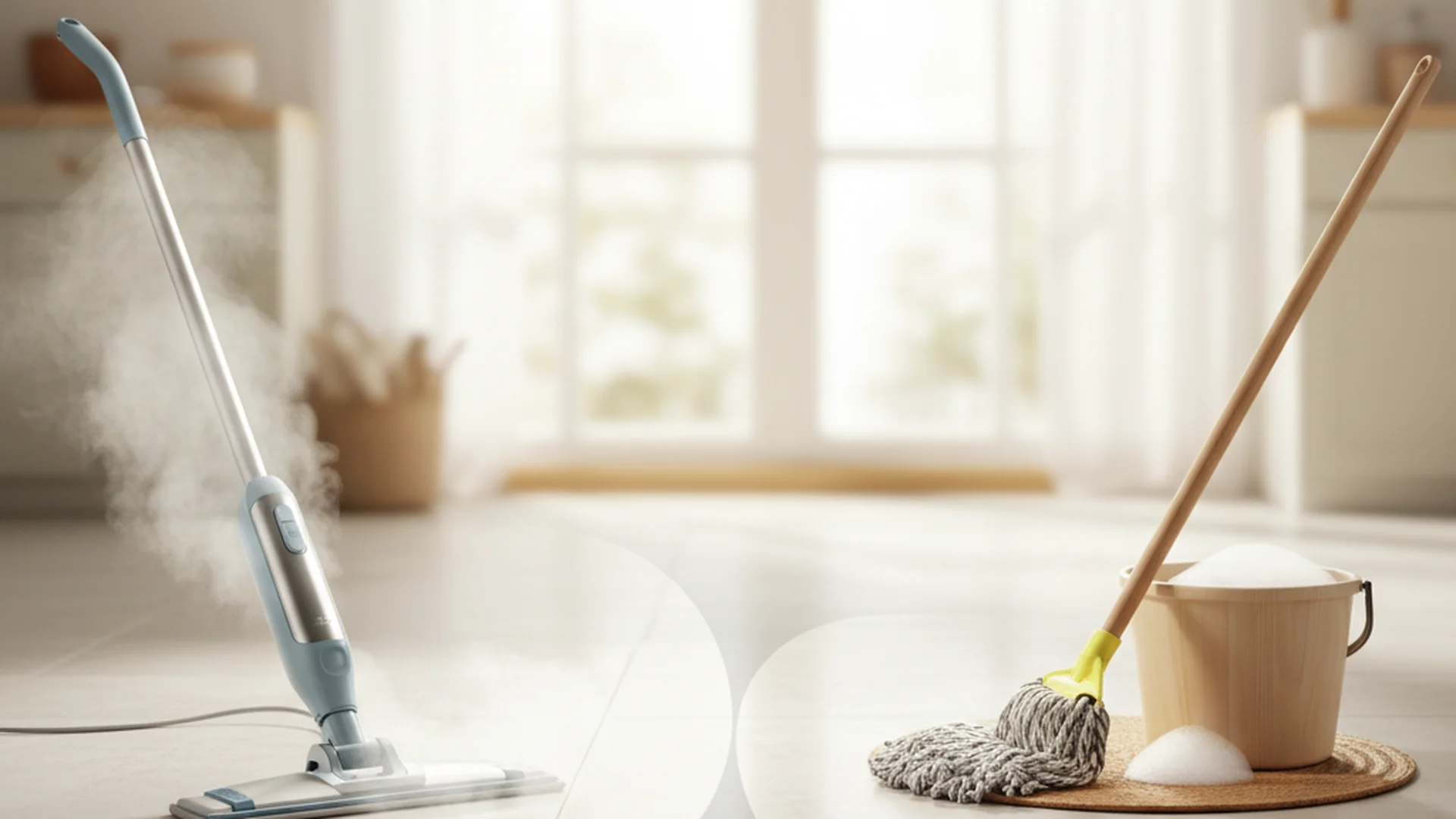
Note: Deep cleaning often requires specialized equipment, such as steam cleaners or HEPA-filter vacuums, to ensure microscopic pollutants are actually removed rather than just redistributed.
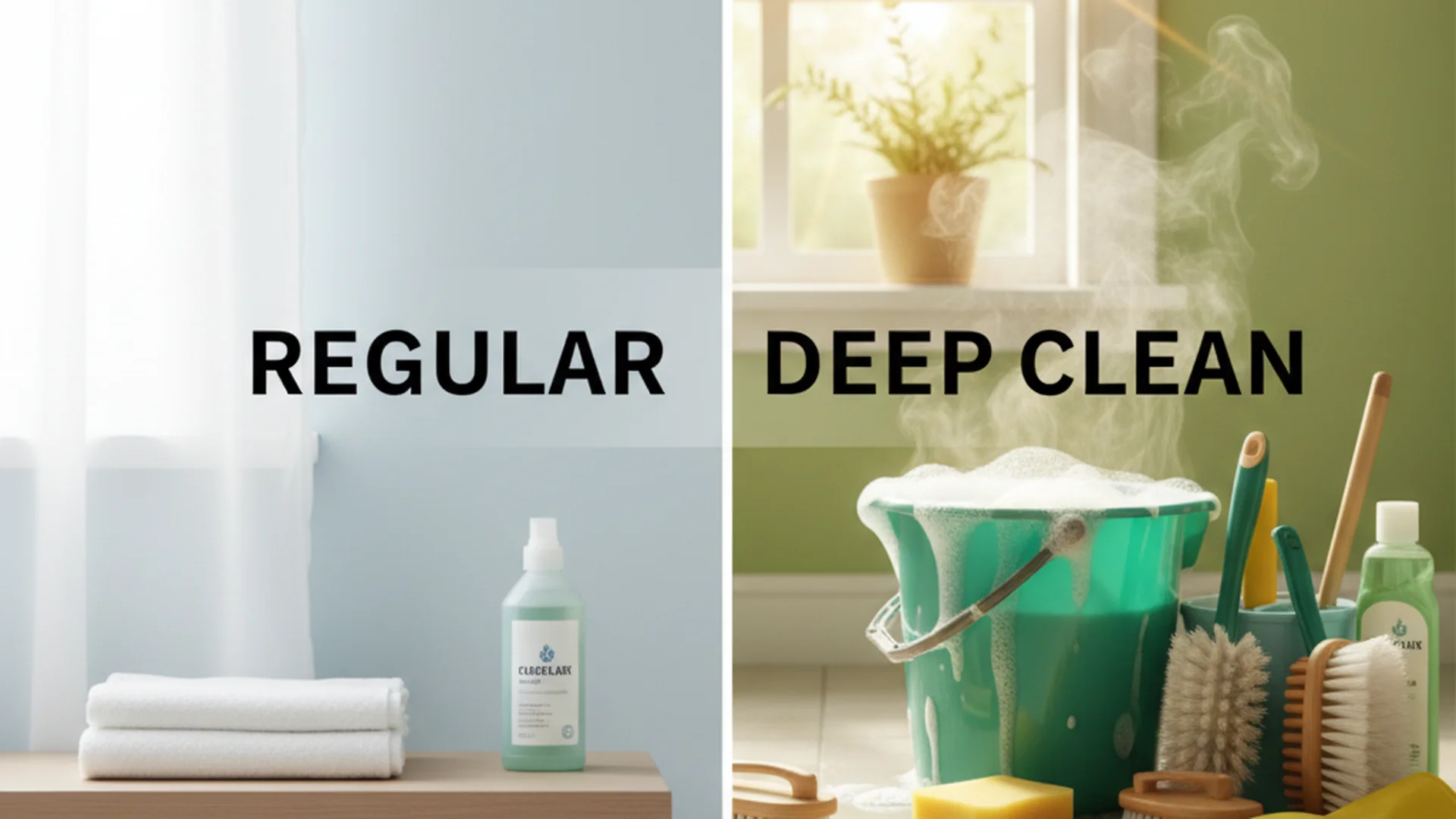
Deep Clean vs. Regular Clean: The Comparison Matrix
When deciding which is better deep clean vs regular clean for your current situation, refer to this breakdown of time, cost, and scope.
| Feature | Regular Cleaning (Maintenance) | Deep Cleaning (Restoration) |
|---|---|---|
| Primary Purpose | To maintain hygiene and order. | To remove deep-seated grime and allergens. |
| Frequency | Weekly or bi-weekly. | Every 3–6 months. |
| Target Areas | High-traffic surfaces and floors. | Hidden areas, vents, and appliance interiors. |
| Average Time | 2–4 hours for a standard home. | 8–12+ hours (often multiple days). |
| Average Cost | $150–$250 (Baseline). | $400–$800+ (2x to 4x regular rate). |
| Health Impact | Controls surface bacteria. | Drastically improves Indoor Air Quality (IAQ). |
The Health-First Shift: 2025–2026 Trends
The cleaning industry is no longer just about soap and water. Modern standards emphasize "Health-First" cleaning. This means moving beyond what the eye can see and addressing the microscopic environment.
The Rise of Sustainability
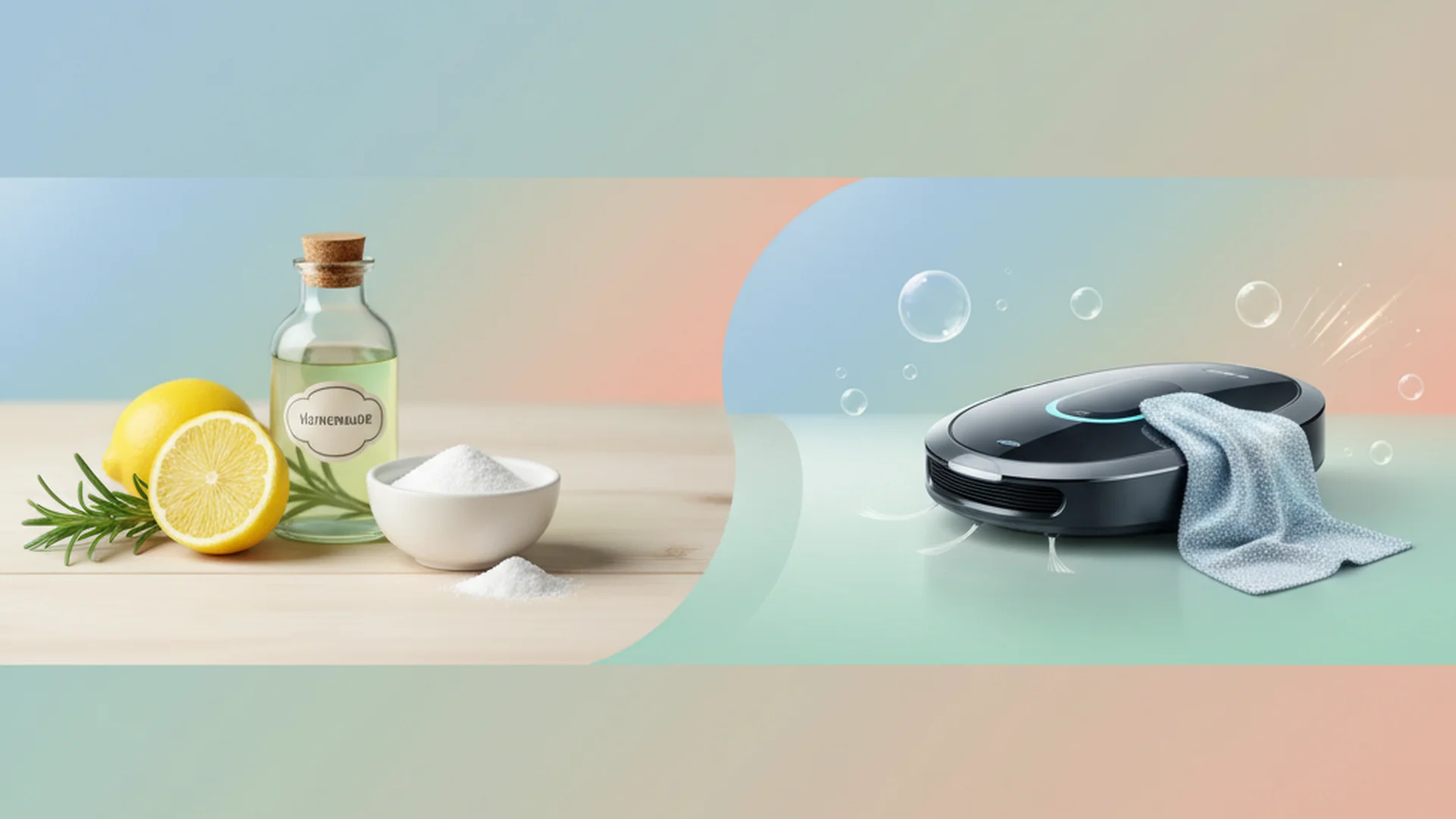
Sustainable cleaning products are steadily becoming the default choice rather than the niche one. Homeowners are increasingly avoiding "toxic" smells (like heavy bleach or ammonia) in favor of plant-based surfactants and electrolyzed water systems. These products are just as effective at breaking down bio-films but are much safer for the respiratory health of the occupants.
Smart and Robotic Integration
While a robot can't yet perform a "deep" scrub of your shower grout, AI-powered autonomous vacuums and mops have become the primary tools for maintaining a deep clean. Modern homes are using IoT sensors to track high-traffic areas, alerting owners when a "regular" clean needs to be bumped up to a "targeted" clean based on actual usage.
Wellness and Productivity
Plenty of people notice a real lift in focus and mental energy after a deep clean. A cluttered, dusty environment tends to keep stress levels simmering, whereas a deep-cleaned space promotes a sense of calm and control.
Success: Homeowners who schedule deep cleans every 4 months often notice fewer respiratory niggles and a more positive mood during home-work hours.
Best Practices for a Professional-Grade Clean
If you are tackling these tasks yourself or hiring a team, follow these industry-standard rules for the best results.
The "Top-to-Bottom" Rule
Always start at the highest point in a room. Gravity is your enemy; if you clean the floors first and then dust the ceiling fan, you’ll have to clean the floors again. In a deep clean, this includes the tops of window frames and crown moldings.
Zone-Based Planning
Trying to deep clean an entire house in a single Saturday is a recipe for burnout. A "one heavy room per weekend" approach works far better. Focus on the kitchen one week, the primary bathroom the next. This ensures that the quality of work doesn't drop as you get tired.
Focus on High-Touch Sanitization
In 2026, we focus on more than just the doorknob. True sanitization involves cleaning the area around light switches, the sides of cabinet handles, and the remote controls where skin oils and bacteria accumulate into a "bio-load."
Tip: Use a microfiber cloth for deep cleaning. Their split fibers are designed to trap particles rather than just pushing them around like cotton rags.
Real-World Examples
To better understand which service you need, consider these three common scenarios.
Example 1: The Allergy Sufferer
Sarah lives in a suburban home with two dogs. She cleans every Saturday (Regular Clean), yet she still wakes up with a stuffy nose. She schedules a Deep Clean specifically focusing on HVAC vents, upholstery steam cleaning, and baseboard dusting.
- Result: The removal of deep-seated pet dander and dust mites from the "hidden" zones improves her air quality immediately.
Example 2: The New Home Move-In
Mark and Elena just bought a house. It "looks" clean, but the previous owners had different hygiene standards. They opt for a Deep Clean (specifically a Move-In Clean).
- Result: The cleaners scrub inside the kitchen cabinets, sanitize the inside of the dishwasher, and descale the showerheads. Mark and Elena now have a sterile, fresh baseline for their new life.
Example 3: The Post-Holiday Reset
After hosting three weeks of family gatherings in December, the "Regular Clean" isn't cutting it. There are grease splatters behind the stove and dirt tracks in the grout.
- Result: A Deep Clean in January resets the home, removing the accumulated "party grime" and preparing the space for the new year.
Common Mistakes to Avoid
Even with the best intentions, many people fail to achieve a true deep clean due to these common errors.
1. Mixing Cleaning Products
This is a dangerous trend fueled by social media "cleaning hacks." Never mix bleach with ammonia (creates toxic chloramine gas) or bleach with vinegar. Stick to one product per surface, or use pH-neutral multi-surface cleaners.
Warning: Mixing household chemicals can result in toxic fumes that lead to permanent lung damage or immediate respiratory distress.
2. Skipping the Planning Phase
Professional cleaners use a 50–100 point checklist. If you start without a plan, you will likely miss "invisible" areas like the tracks of sliding doors, the space behind the toilet base, or the coils behind the refrigerator.
3. Using the Wrong Tools
A regular vacuum is great for carpet, but it often lacks the HEPA filtration required to trap the fine dust disturbed during a deep clean. Similarly, using a simple sponge on grout is far less effective than using a dedicated stiff-bristled grout brush or a steam cleaner.
4. Thinking "Clean" Equals "Smells Like Lemon"
Many people assume that if a room smells like artificial citrus or bleach, it is clean. True cleanliness is the absence of scent. Strong fragrances often mask lingering mold or bacteria.
Frequently Asked Questions
Which is better deep clean vs regular clean?
Do I need to deep clean if I clean every week?
Is a move-in/move-out clean the same as a deep clean?
Can deep cleaning improve my health?
How often should I schedule a deep clean?
Conclusion
Navigating the choice between a deep clean vs regular clean is about more than just checking tasks off a list—it is about creating a sustainable, healthy environment for you and your family. In the 2025 landscape, "clean" is a metric of health, not just a visual state. Regular cleaning provides the daily peace of mind you need, while deep cleaning provides the periodic "reset" that keeps your home's air and surfaces in peak condition.
By integrating both into your home care strategy, you ensure that your living space remains a sanctuary of wellness rather than a reservoir for hidden allergens and grime.
Success: Following a structured deep cleaning schedule twice a year can extend the life of your appliances and flooring by up to 25%, saving you thousands in replacement costs.
Cleaning that keeps score
Every task earns points, every streak multiplies them, and Premium adds a household leaderboard plus a monthly Dustagorgon to beat.
- Free forever
- 30 badges to earn
- Up to 6 in a household
No card needed. Set up your rooms in a couple of minutes.