In this article
What you’ll learn
- Start decluttering at least 6–8 weeks before your move to avoid decision fatigue.
- Use the Five-Box Method to filter every item through a clear destination.
- Decluttering can reduce your moving volume by up to 40%, significantly lowering costs.
Moving to a new home is often cited as one of life’s most stressful events, second only to major life changes like career shifts or marriage. However, the secret to a seamless transition isn't just better packing—it is decluttering before moving. When you take the time to purge your belongings before the first box is even taped, you aren't just tidying up; you are performing a strategic financial and mental reset. The average home holds a staggering number of individual objects, most of them long forgotten. Transporting all of those items to a new location without a filter is a recipe for high labor costs, unnecessary stress, and a cluttered new beginning.
The True Cost of Clutter in 2025
In the current moving landscape of 2025-2026, the financial impact of your "stuff" is higher than ever. Professional moving companies typically charge based on weight or volume. If you haven't audited your possessions, you are essentially paying someone to carry "dead weight" across the city or country.
A rigorous pre-move purge can reduce shipping volume by up to 40%. This isn't just about saving a few dollars on boxes; it’s the difference between needing a 26-foot truck and a 16-foot truck. Beyond the finances, the mental health implications are profound. Cluttered environments keep your stress levels running high. By decluttering, you ensure your new home is a sanctuary rather than a storage unit for your past.
Note: Plenty of movers finish unpacking and wish they had discarded far more before the truck arrived. Don't be one of them!
The Pre-Move Roadmap: When to Start
Timing is everything. If you wait until the week before moving day to decide what to keep, "decision fatigue" will set in. This leads to the most common moving mistake: throwing everything into a box with the promise to "sort it at the new house."
The 8-Week Countdown
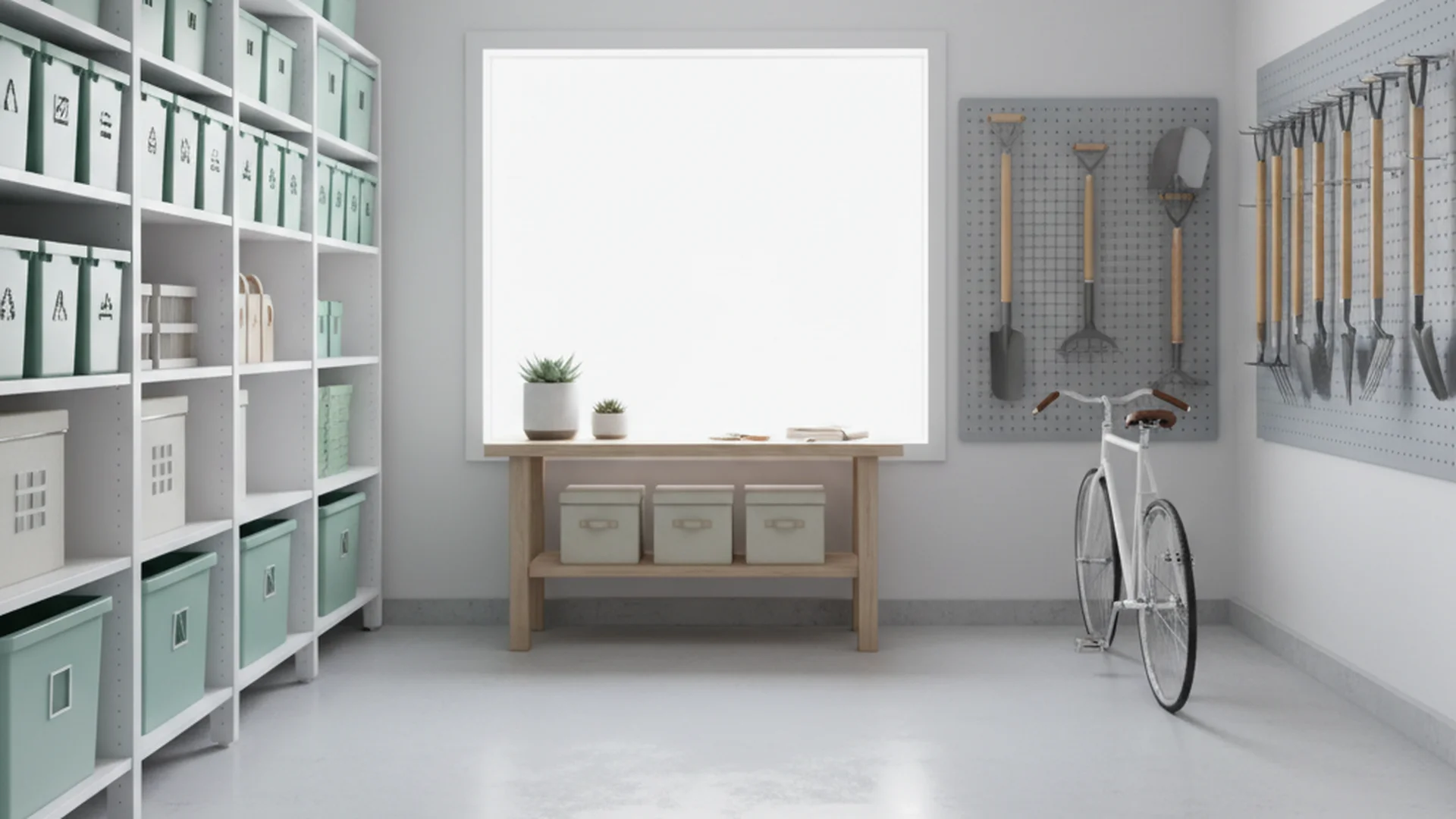
- Weeks 8-7: Focus on the "Storage Zones" (Attic, Basement, Garage). These areas contain items with the least daily emotional attachment.
- Weeks 6-5: Tackle the "Function Rooms" (Kitchen, Guest Bathroom, Home Office).
- Weeks 4-3: Sort through personal spaces (Bedrooms, Closets).
- Weeks 2-1: Final sweep and "Eating Down the Pantry."
Tip: Start with the rooms you use the least. Building "decluttering momentum" in the basement makes the harder decisions in the living room much easier later on.
Proven Frameworks for a Successful Purge
To make decluttering before moving efficient, you need a system. You cannot simply look at a shelf and hope for inspiration. You need a set of rules that remove the emotion from the process.
The Five-Box Method
Every single item in your home must pass through one of these five filters:
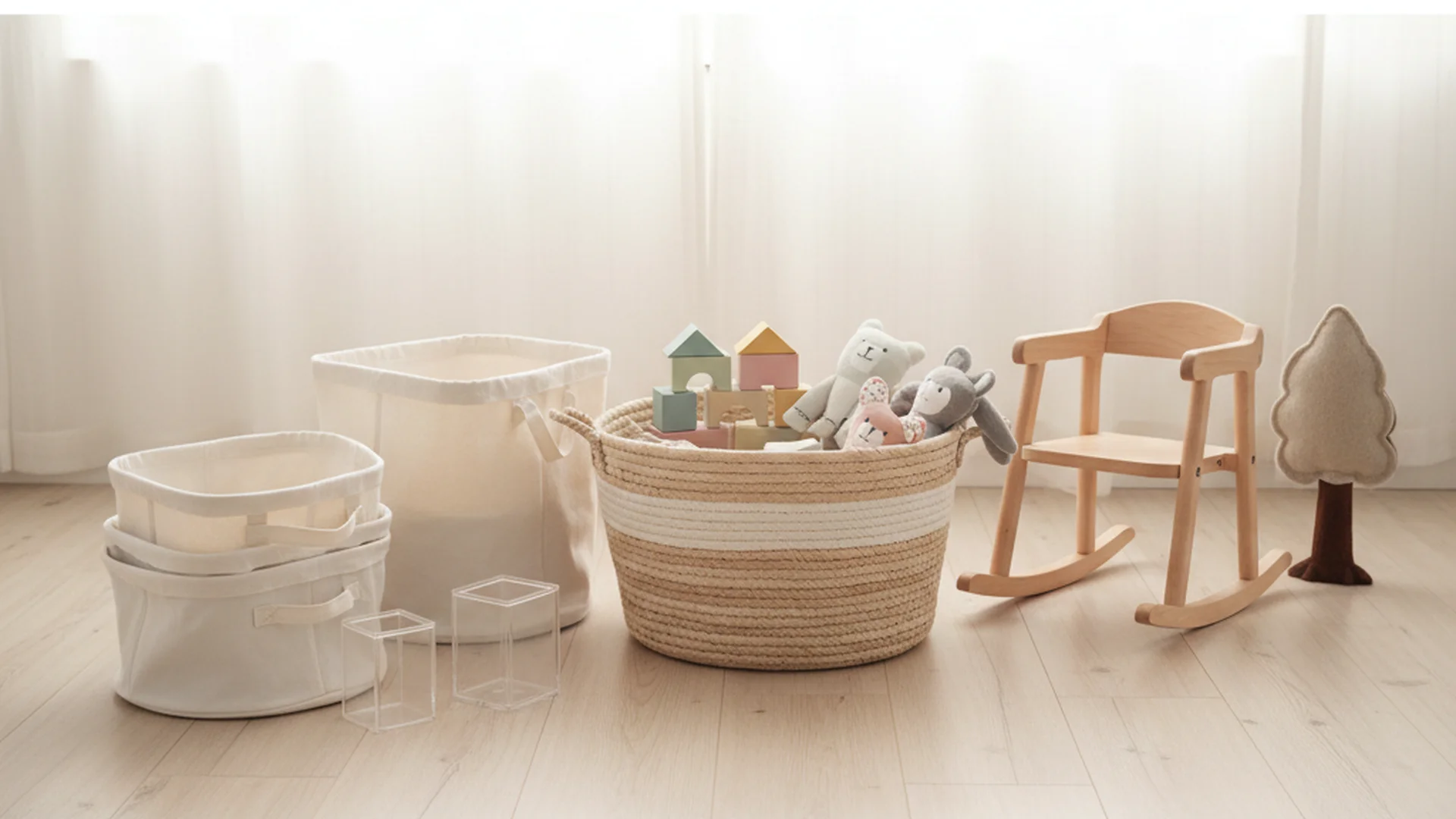
- Keep: Essential items that have a specific place in the new floor plan.
- Sell: Items of value that you can list on digital marketplaces.
- Donate: Useful items that no longer serve you but could help others.
- Recycle: Non-functional items, paper, and textiles.
- Trash: Items that are broken, expired, or unsalvageable.
The 20/20 Rule
If you are struggling to decide on a "maybe" item, ask yourself: Can I replace this for less than $20 in less than 20 minutes from my new home? If the answer is yes, let it go. This is particularly effective for kitchen gadgets, duplicate tools, and basic office supplies.
The One-Year Rule
This is the gold standard for closets. If you haven't worn a piece of clothing or used a specific appliance in the last 12 months, the odds of you using it in the new house are close to zero.
Warning: Be wary of the "Just in Case" mindset. It is the primary cause of "DOOM" piles (Discarded Objects of Ordinary Merit) that sit unpacked in garages for years.
Room-by-Room Decluttering Before Moving Checklist
| Room Type | Primary Targets | Strategy |
|---|---|---|
| Kitchen | Duplicates (spatulas, mugs), expired pantry goods, specialty appliances. | Keep only one of each "utility" tool. If you haven't made bread in a year, the bread maker goes. |
| Closet | Outgrown clothes, "someday" outfits, worn-out shoes. | Use the "Reverse Hanger" trick or the One-Year Rule. |
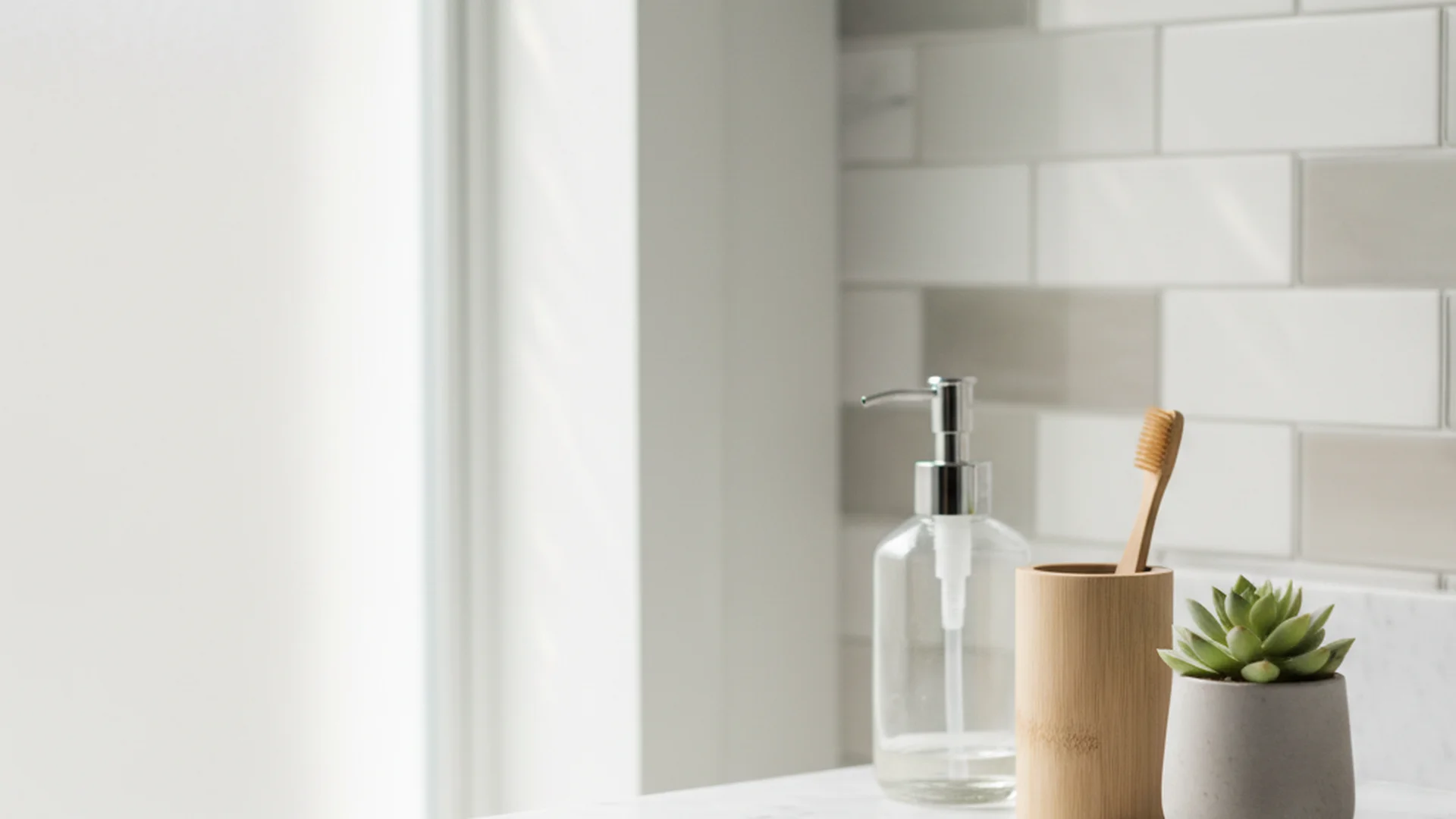
| Bathroom | Expired meds, half-used toiletries, old towels. | Consolidate half-empty bottles; donate old towels to animal shelters. |
| Office | Paper files, obsolete cables, old electronics. | Digitize what you can; use e-waste recycling for the rest. |
Real-World Example: The Kitchen Overhaul
Take Sarah, a client who was moving from a suburban house to a city condo. She realized she owned 24 coffee mugs for a two-person household. By applying the "Rule of 4" (keeping four of the best mugs), she cleared an entire cabinet's worth of packing. She saved on wrapping paper, boxes, and weight, and her new kitchen felt instantly organized.
2025-2026 Moving Trends: Technology and Sustainability
The way we move is changing. Modern decluttering isn't just about trash bags; it’s about leveraging technology and being mindful of the planet.
AI-Assisted Moving
In 2025, tools like ChatGPT are becoming essential. You can input your inventory and ask for a "Pantry Meal Plan" to help you use up canned goods and spices before the move. You can also use AI to write compelling descriptions for items you are selling on Facebook Marketplace or eBay, speeding up the "Sell" portion of your Five-Box Method.
The "Take-Away Party"
A rising trend in 2026 is the "Take-Away Party." Instead of the stress of a garage sale, invite friends and family over two weeks before the move. Label items you are parting with and let guests take what they want for free. It turns a chore into a social event and ensures your items go to homes where they are appreciated.
Digital Decluttering
Don't forget the "invisible" weight. Moving is the perfect time to clean up your digital life. Organize your cloud storage, delete old emails, and shred physical documents after digitizing them. This prevents the "Box of Random Papers" from ever entering your new home office.
Success: One mover reduced their physical file storage from four filing cabinets to a single encrypted hard drive, saving massive space and improving their home security.
Common Mistakes to Avoid
Even the most organized people fall into these traps. Awareness is the first step to avoiding them.
- "I'll sort it at the new house": This is the most expensive lie you can tell yourself. You will pay for the boxes, the tape, and the movers' time, only to be exhausted at the new house and end up shoving those boxes into a closet.
- Procrastinating Sentimental Items: Most people leave the photo albums and heirlooms for last. Because these are the hardest to sort, they end up being "panic-packed" without any organization. Start these early but in small sessions.
- Ignoring the "Digital Paper Trail": Keeping years of old utility bills or bank statements is a security risk. Shred them or scan them.
- Focusing on Small Homes Only: Decluttering isn't just for people downsizing. Even if you are moving to a larger home, bringing "old energy" and unneeded items prevents your new space from feeling fresh and intentional.
Tip: If an item hasn't sold within two weeks of being listed online, donate it immediately. Don't let "waiting for a buyer" hold up your decluttering timeline.
Frequently Asked Questions
When should I start decluttering before a move?
How do I decide what to keep and what to toss?
What should I do with sentimental items?
Is it better to sell or donate unwanted items?
How do I handle "just in case" items?
Conclusion
Decluttering before a move is more than just a cleaning task; it is a strategic investment in your future. By reducing your belongings by 30-40%, you save money on moving costs, reduce the time spent packing and unpacking, and—most importantly—ensure that your new home is a place of clarity and peace from day one.
Remember to start early, use a system like the Five-Box Method, and don't be afraid to let go of the things that no longer serve your lifestyle. Your future self, standing in a clean and organized new living room, will thank you.
Success: Following this structured approach will turn the most stressful part of moving into a rewarding "mental reset" for your new chapter.
Cleaning that keeps score
Every task earns points, every streak multiplies them, and Premium adds a household leaderboard plus a monthly Dustagorgon to beat.
- Free forever
- 30 badges to earn
- Up to 6 in a household
No card needed. Set up your rooms in a couple of minutes.