In this article
What you’ll learn
- Cleaning apps manage the backlog of chores, while habit trackers focus on daily behavioral consistency.
- For families, cleaning apps are superior due to collaborative task-sharing and gamification.
- A hybrid approach—using both tools for different purposes—is often the most effective strategy for long-term maintenance.
In the modern quest for a peaceful, organized sanctuary, many of us find ourselves staring at a smartphone screen, wondering which digital tool will finally solve the "messy house" problem. When choosing between a cleaning app vs habit tracker, the decision isn't just about software features—it's about how your brain approaches productivity. Are you trying to manage a complex list of household maintenance tasks, or are you trying to transform yourself into a person who naturally tidies as they go?
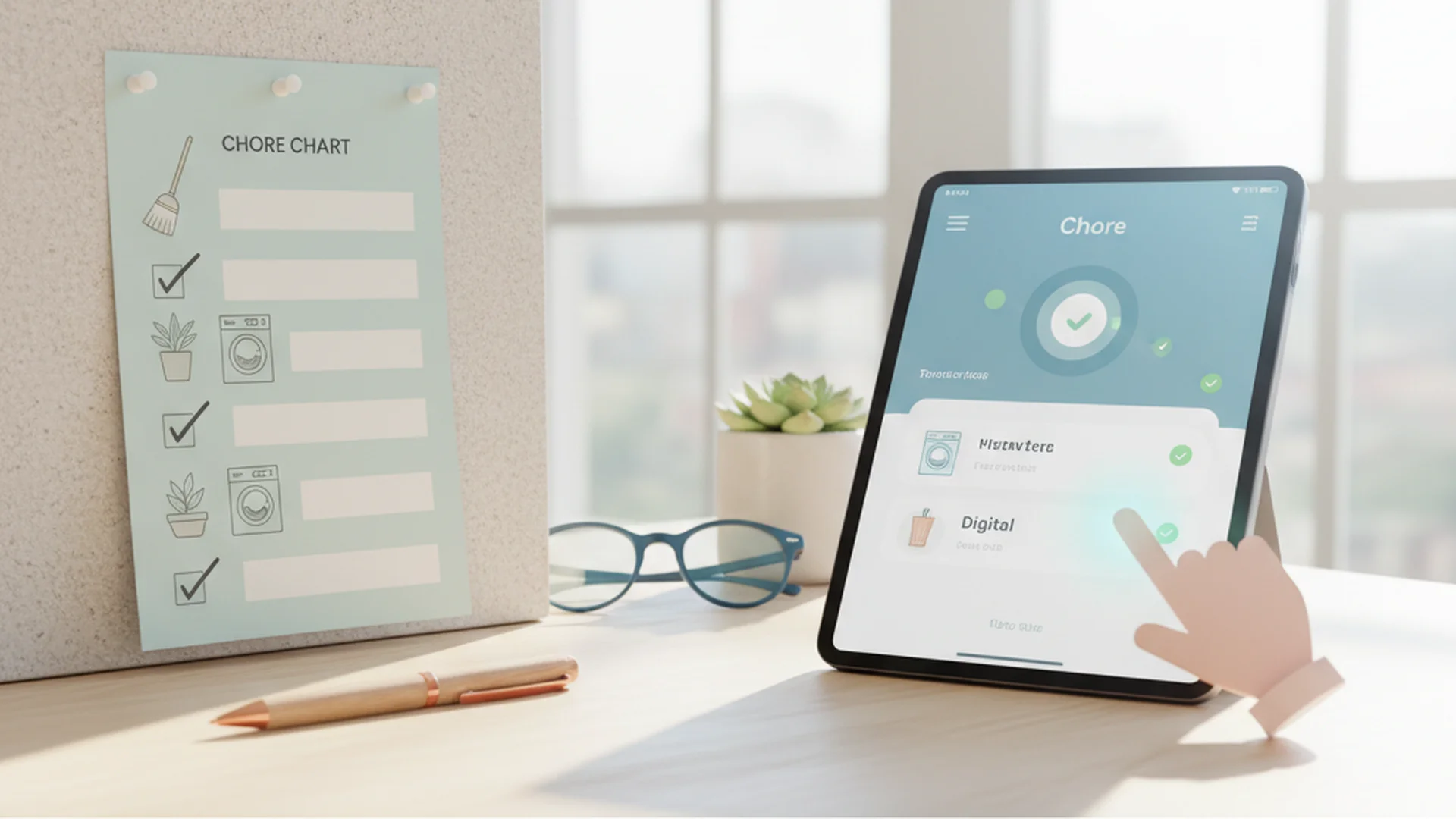
As we move into 2025, the landscape of home management has shifted. We no longer rely on static paper checklists; instead, we use AI-driven tools that predict when our floors are dirty or when our mental load is reaching a breaking point. Determining which is better cleaning app vs habit tracker depends entirely on whether you prioritize the "state" of your home or the "rhythm" of your day.
Understanding the Core Differences
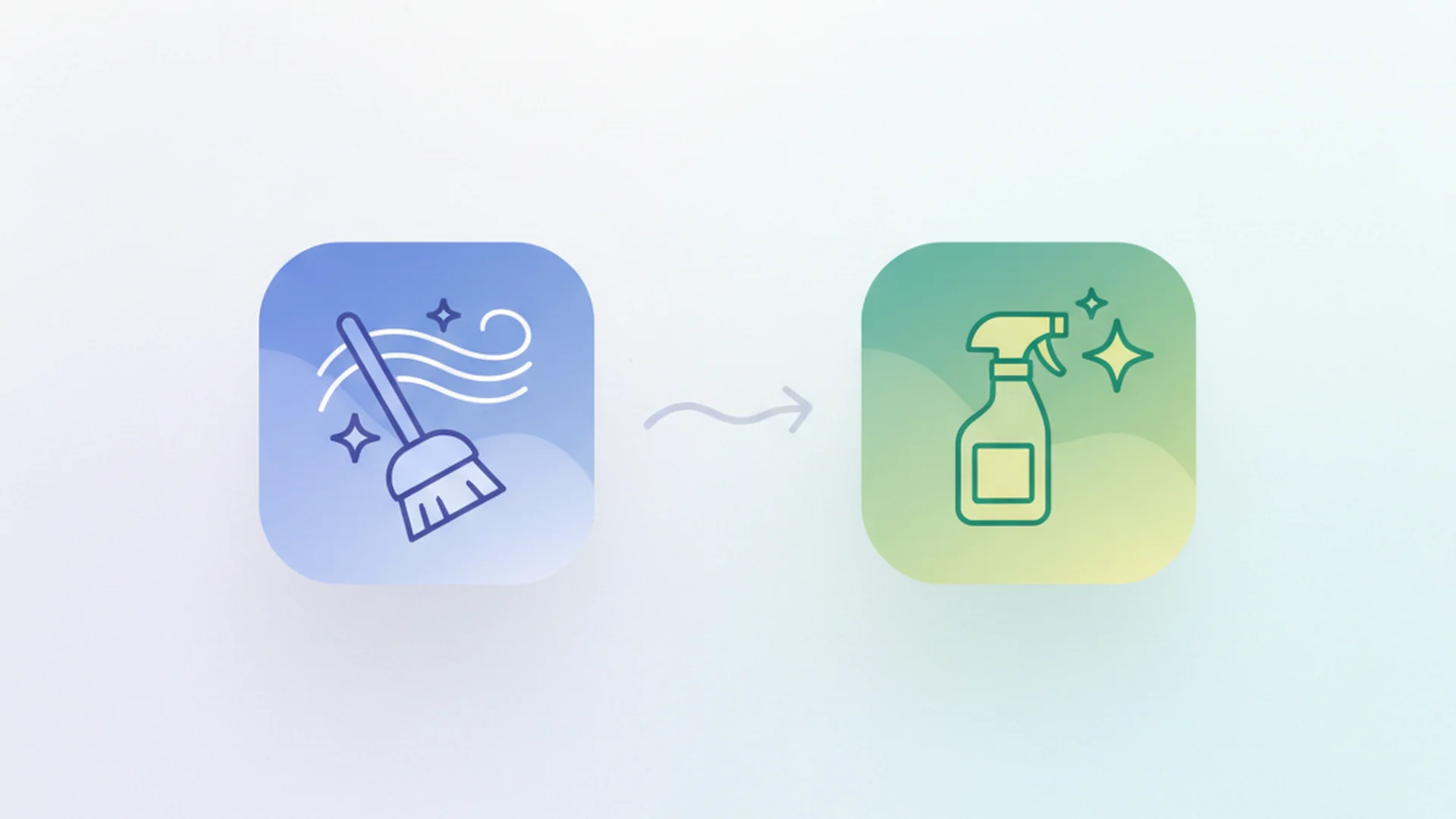
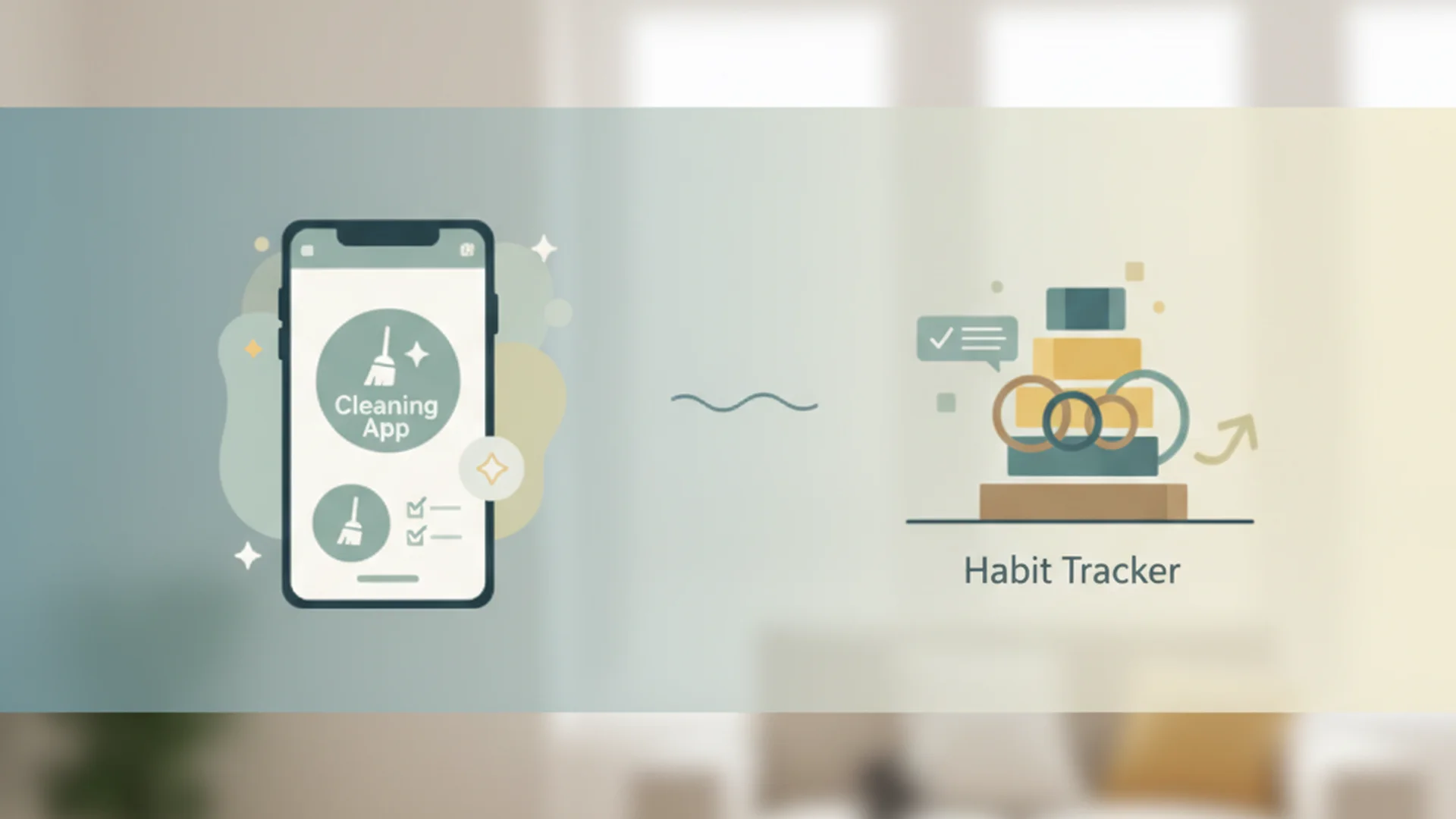
At first glance, these two types of apps might seem interchangeable. After all, "Clean the Kitchen" can be a task in an app like Sweepy or a daily habit in an app like Streaks. However, the underlying logic of these tools is fundamentally different.
Cleaning Apps: The Inventory Managers
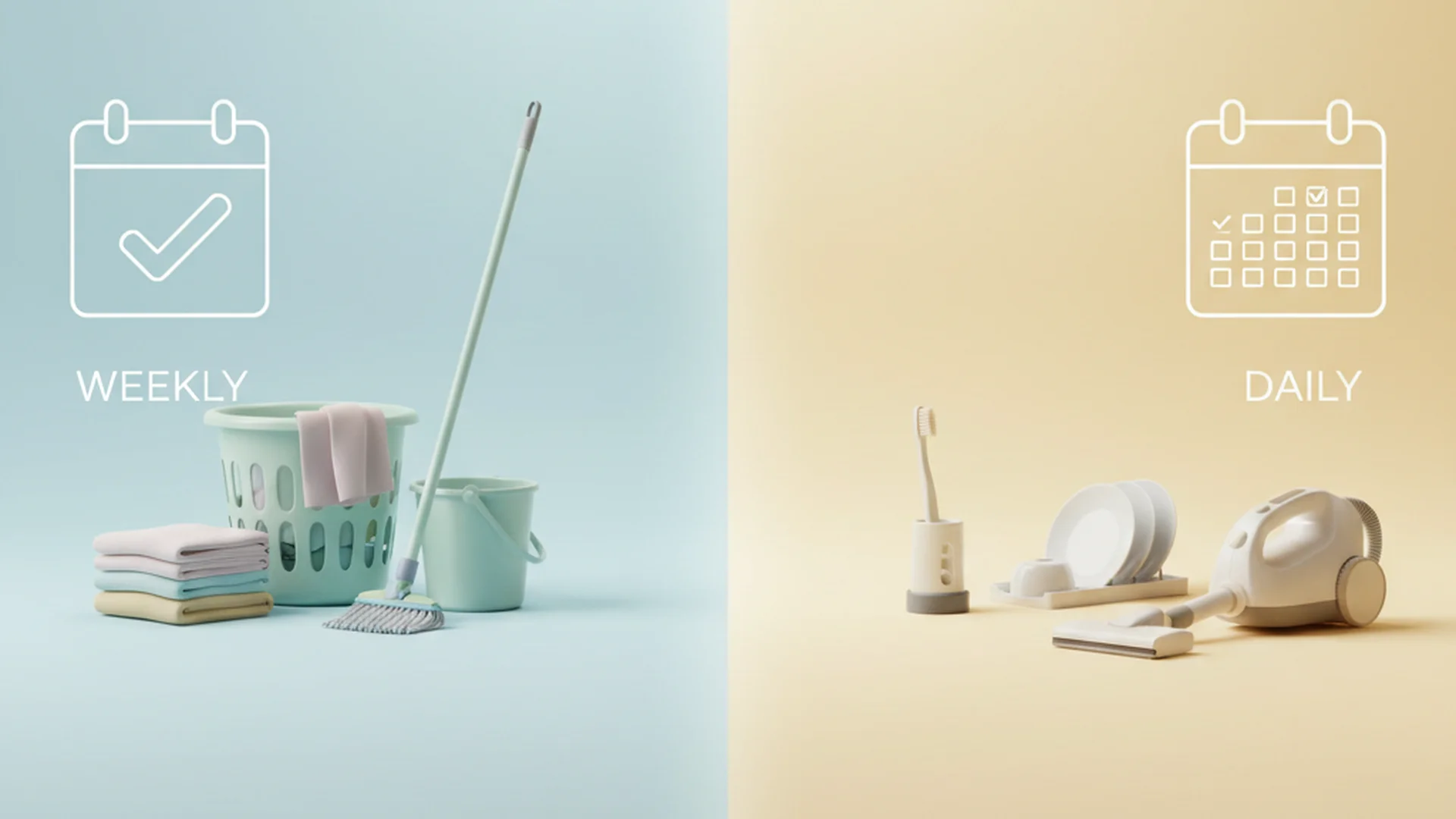
Cleaning apps are task-specific. They treat your home like a project management board. Tools like Tody, Sweepy, or Homey focus on the "dirtiness" level of a room. They track when you last mopped the floor and calculate when it needs to be done again based on a frequency you set.
These apps are designed to manage the "backlog." They tell you what is overdue, helping you visualize the invisible labor of deep cleaning tasks like descaling the coffee maker or wiping down baseboards—tasks that don't happen every day and are easy to forget.
Habit Trackers: The Behavior Builders
Habit trackers like Done, Streaks, or Habitica are behavior-focused. They don’t care about the condition of your baseboards; they care about your consistency. Their primary goal is to help you maintain a "streak."
When you use a habit tracker for cleaning, you aren't tracking the "task"; you are tracking the "identity." You are becoming a person who "tidies for 15 minutes a day" or "washes the dishes before bed." These tools are designed to bridge the long stretch it takes for a new behavior to become automatic.
Note: Habit trackers focus on the "why" and the "who," while cleaning apps focus on the "what" and the "when."
The Psychology of Cleanliness
Why does the choice between a cleaning app vs habit tracker matter so much? Because your environment directly impacts your brain chemistry. Almost everyone feels their best mentally and physically when their home is clean.
Clutter isn't just an eyesore; it "competes for your attention," leaving you with a constant hum of stress and cognitive overload. This is why many people with ADHD or high mental loads find cleaning apps revolutionary. These apps externalize memory. Instead of using your precious "brain RAM" to remember the last time you changed the HVAC filter, the app holds that information for you.
Warning: Most people abandon habit-tracking apps within the first few days because they focus on the mechanical "what" rather than the emotional "why." To succeed, you must connect the habit to a feeling of peace or accomplishment.
Comparison: Feature Breakdown
To help you decide which is better cleaning app vs habit tracker for your specific needs, let's look at how they compare across several key categories.
| Feature | Cleaning App (e.g., Sweepy, Tody) | Habit Tracker (e.g., Streaks, Done) |
|---|---|---|
| Primary Goal | Task Management & Home Maintenance | Behavior Change & Consistency |
| Best For | Irregular/Deep cleaning (Oven, Windows) | Daily "Maintenance" (Make bed, Tidy) |
| Collaboration | Multi-user/Family sync common | Usually solo-use |
| Logic | "The floor is 80% dirty" | "Did you do this today? Yes/No" |
| 2025 Trend | Smart Home/IoT integration | AI-emotional "companionship" |
New Trends in 2025 and 2026
The technology behind these apps has evolved significantly. If you haven't looked at these tools in a year or two, you’ll find that the 2025 versions are much more sophisticated.
AI-Driven Scheduling
Modern apps like SmartClean no longer rely on static dates. They use AI to suggest personalized cleaning routines based on your household size, whether you have shedding pets, and even local weather. For example, if the weather forecast shows three days of rain, the app might automatically move "Mopping" to the top of your list for the day the sun returns.
Smart Home and AR Integration
The most exciting development in 2025 is the integration with smart appliances. Leading cleaning apps now sync with robot vacuums like Roomba or Dyson. When your robot finishes its cycle, it automatically marks "Vacuum Living Room" as complete in your cleaning app.
Furthermore, some apps are experimenting with Augmented Reality (AR). You can scan a room with your phone camera, and the app will overlay a "heat map" of dirt, highlighting areas that haven't been cleaned or touched in a long time.
Tip: If you have a smart home setup, look for cleaning apps that offer IFTTT or Matter integration to automate your task tracking.
Real-World Examples
1. The Busy Parent (The Cleaning App Winner)
The Miller family has three children and two dogs. For them, a habit tracker isn't enough because the chores are shared and irregular. They use Sweepy. Each family member has a profile, and the app gamifies the experience with a leaderboard. The app tells them when the playroom is "red" (dirty), and the kids compete to earn points by cleaning it.
2. The Minimalist Professional (The Habit Tracker Winner)
James lives in a small apartment and values simplicity. He doesn't have enough chores to warrant a complex cleaning app. Instead, he uses a habit tracker called Done. He has three habits: "Make bed," "10-minute nightly tidy," and "One deep clean task." For James, the goal is the ritual, not the inventory management.
3. The ADHD Homeowner (The Hybrid Approach)
Sarah struggles with "blindness" to clutter. She uses a cleaning app vs habit tracker hybrid. She uses Tody to remind her of deep-cleaning tasks (like cleaning the fridge) so they don't fall off her radar. Simultaneously, she uses a simple habit tracker for her "Daily Non-Negotiables." This combination ensures she stays consistent without getting overwhelmed by a 50-item daily list.
Common Mistakes to Avoid
Even with the best app, many people fail to maintain an organized home. Here are the most common pitfalls:
- "The App Will Do the Work": Users often spend hours "optimizing" the app, setting up elaborate schedules and color-coded zones. If you spend 30 minutes setting up a schedule, you’ve lost the time you could have used to actually clean the kitchen.
- Over-scheduling: Setting 20 cleaning habits at once leads to "notification fatigue." You will eventually start ignoring the pings. Start with three daily habits and one weekly deep-clean task.
- Ignoring the 2-Minute Rule: If a cleaning task takes less than two minutes (like putting a dish in the dishwasher), do it immediately. Don't waste time logging it into an app.
- Focusing on Dates, Not Need: Don't force yourself to clean the bathroom on Tuesday just because the app says so. If the bathroom is clean, skip it. Use apps that prioritize tasks based on the actual condition of the room to prevent burnout.
Success: Users who start with just two daily habits are far more likely to still be using their tracking tools six months later than those who start with ten or more.
The Expert Recommendation: The Hybrid Method
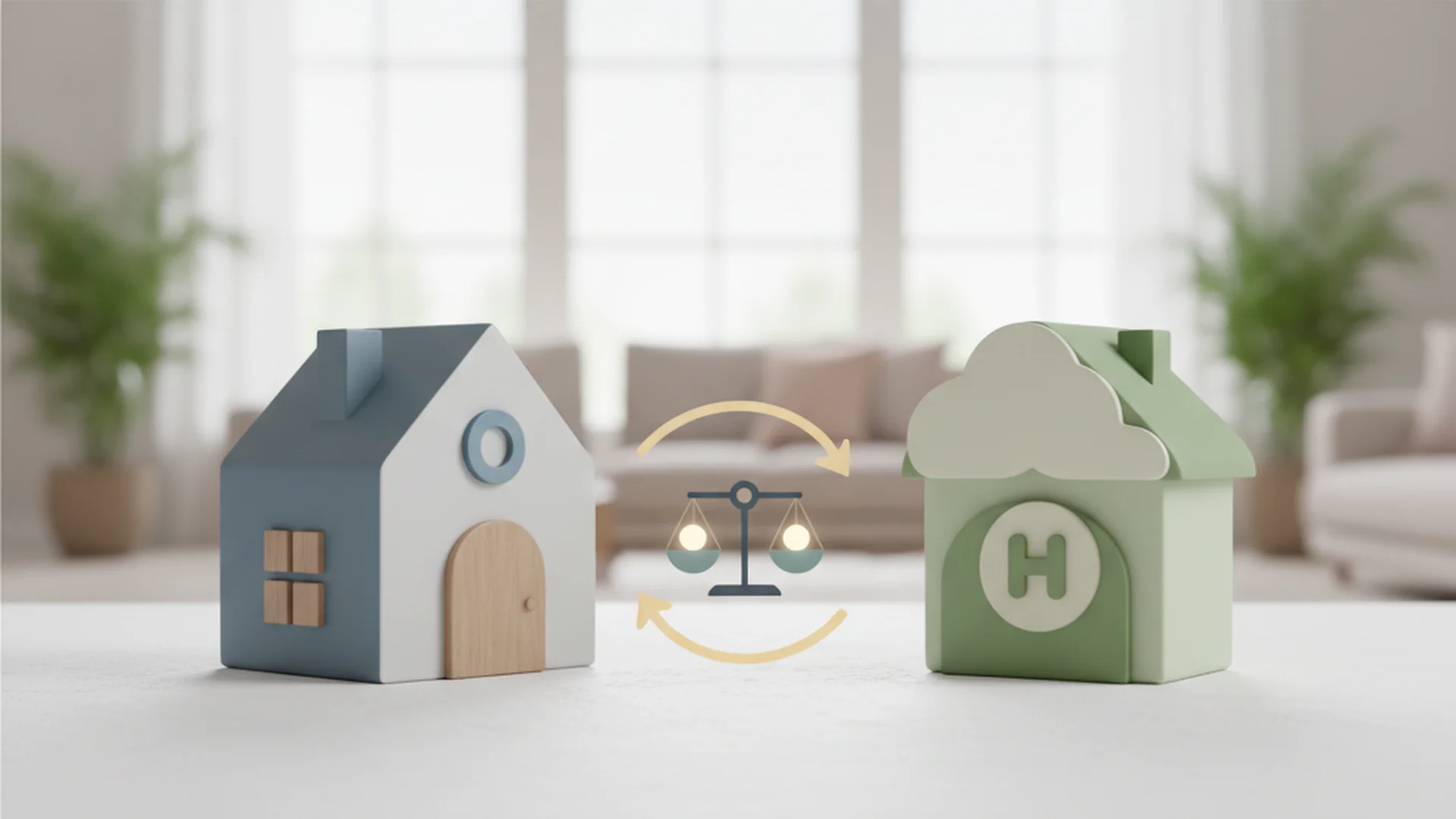
As a Home Organization Expert, I often tell my clients that the debate of cleaning app vs habit tracker doesn't have to be "either/or." In fact, the most successful households use a hybrid approach.
- Use a Habit Tracker for "Daily Non-Negotiables": These are the things that keep your head above water—wiping counters, making the bed, and a 15-minute evening tidy.
- Use a Cleaning App for "Zone Cleaning": Focus on one room per week for deep cleaning. Use the app to track things like baseboards, windows, and behind the fridge.
- The "Need-Based" Filter: Always prioritize by "Need," not "Date." This prevents you from cleaning things that aren't dirty and saves your energy for the areas that truly require attention.
Frequently Asked Questions
Can I use a habit tracker for household chores?
What is the main difference between Tody and a habit tracker like Done?
Which is better for families with kids?
Are cleaning apps worth the subscription cost?
How do I stop "notification fatigue" from these apps?
Conclusion
Whether you choose a cleaning app vs habit tracker, the goal remains the same: a home that serves as a sanctuary rather than a source of stress. Cleaning apps are the masters of the "what" and "when," ensuring that no corner of your home is neglected. Habit trackers are the masters of the "how" and "who," transforming your daily routines until cleanliness becomes a natural byproduct of your lifestyle.
In 2025, with the help of AI and smart home integration, keeping a clean home is easier than ever. Start small, choose the tool that fits your brain's logic, and remember that the best system is the one you actually use.
Success: By externalizing your cleaning schedule to a digital tool, you free up mental energy for the things that truly matter in your life.
Cleaning that keeps score
Every task earns points, every streak multiplies them, and Premium adds a household leaderboard plus a monthly Dustagorgon to beat.
- Free forever
- 30 badges to earn
- Up to 6 in a household
No card needed. Set up your rooms in a couple of minutes.