In this article
What you’ll learn
- Prioritize high-impact, low-effort tasks during survival mode.
- Use the Five-Minute Rule to overcome the initial hurdle of starting.
- Leverage adaptive tools and AI to reduce cognitive and physical load.
We’ve all been there: staring at a pile of laundry or a cluttered kitchen countertop while feeling like your internal battery is sitting at a steady 1%. Whether you are navigating chronic fatigue, neurodivergence, or simply a demanding season of life, cleaning low energy days can feel like an impossible mountain to climb. The guilt of "not doing enough" often compounds the physical exhaustion, leading to a cycle of shame and further burnout.
However, maintaining a functional home doesn't have to be an all-or-nothing endeavor. By shifting our perspective from "perfection" to "functionality," we can keep our living spaces supportive rather than stressful. This guide explores practical strategies, 2025-2026 industry trends, and useful tools to help you manage your home when your energy reserves are at their lowest.
The Science of Clutter and Mental Energy
It isn’t just "in your head"—the physical state of your home directly impacts your biological stress levels. Visual clutter competes constantly for your neural resources. Much like having forty tabs open in a web browser, a messy room forces your brain to work harder to filter out irrelevant information.
A clean, organized environment makes a genuine difference to cognitive function and decision-making. Conversely, clutter increases feelings of fatigue and overwhelm. For those dealing with ADHD or depression, this creates a "productivity gap" where the environment itself makes it harder to find the energy needed to fix the environment.
Furthermore, the vast majority of people feel their best mentally and physically when their home is clean. However, for the smaller group who find the actual process of cleaning to be a primary stressor, traditional "hustle" cleaning methods are often counterproductive.
Note: People who describe their homes as "cluttered" tend to carry noticeably more stress throughout the day. Clearing even a single flat surface can take some of that weight off.
The "Energy Scale" Method for Task Management
One of the most effective ways to manage a household with chronic fatigue or ADHD is the "Energy Scale" method. Instead of a static to-do list, your tasks should be fluid based on your current capacity.
1. Survival Mode (Energy Level: 1–3)
On these days, your goal is "sanitation and safety." If you only have 15 minutes of total energy, focus on:
- Clearing a path from the bed to the door.
- Taking out the trash (to prevent odors and pests).
- Washing exactly three plates or the items you need for your next meal.
2. Average Days (Energy Level: 4–7)
On standard days, you might have about an hour of aggregate energy. Focus on "High Impact, Low Effort" chores:
- Loading the dishwasher.
- Wiping down one high-traffic counter.
- Starting one load of laundry (but only if you have the energy to move it to the dryer).
3. Spicy Days (Energy Level: 8–10)
These are the rare moments of high motivation—often referred to as "manic cleaning" or "spontaneous productivity." Use these days for:
- Deep cleaning the oven or fridge.
- Organizing the "doom pile" in the corner.
- Scrubbing baseboards or windows.
Tip: Categorize your tasks by "Energy Cost" rather than by room. This allows you to pick a chore that matches your current state without over-exerting yourself.
Trends for 2025: The "Gentle Reset" and Probiotic Cleaning
As we move into 2026, the culture around home maintenance is shifting away from "hustle" and toward sustainable, sensory-friendly habits.
The Gentle 2026 Lock-in
This movement emphasizes small, sustainable habits over deep-clean marathons. The focus is on the "Closing Shift"—a 10-minute nightly routine where you set your future self up for success. This might include clearing the coffee table or putting the remote back in its place. It isn’t about being "clean"; it’s about making the morning easier.
Probiotic and Eco-Friendly Cleaners
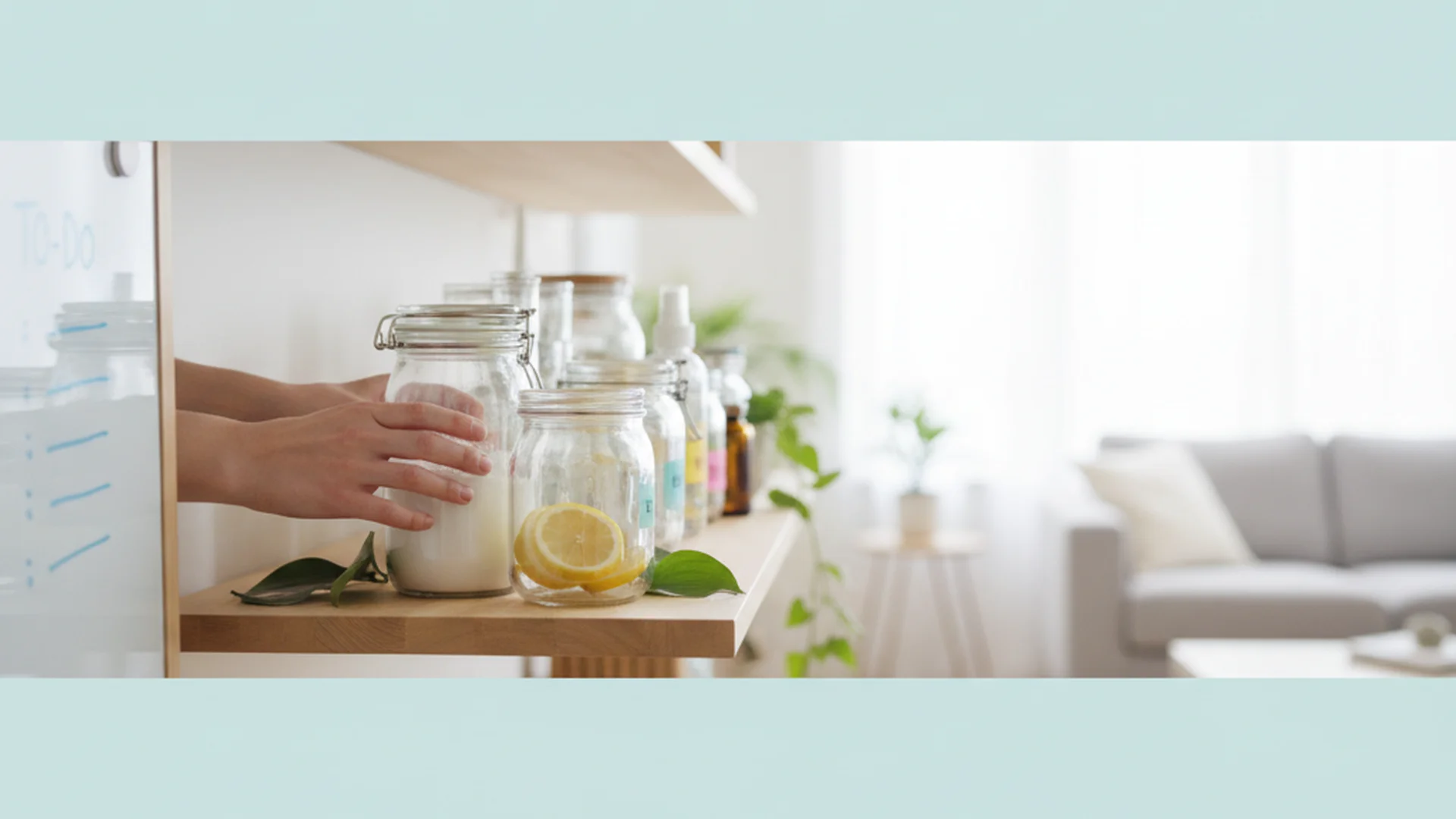
A major trend in 2025 is the use of probiotic-based cleaning sprays. These cleaners leave "good bacteria" on surfaces that continue to consume organic matter and fight odors for days after you wipe. This is a game-changer for low-energy days because the product continues to work even when you aren't.
Biophilic Design and Sensory Rituals
"Dopamine Cleaning" is the practice of making cleaning sensory-friendly. Instead of harsh chemical smells, use fragrance-led rituals like citrus or eucalyptus essential oils to provide a mood boost. Incorporating natural light and biophilic elements (like plants) can also improve the "energy" of a room, making it a space you actually want to be in.
Success: Using probiotic cleaners can reduce the frequency of deep-cleaning sessions, as the beneficial bacteria prevent the rapid buildup of grime.
Real-World Examples of Low-Energy Cleaning
Example 1: The "Closing Shift" Transition
Sarah, a freelance designer with ADHD, struggled with a messy kitchen every morning. This "messy start" usually drained her energy before work began. She implemented the "Closing Shift" rule: At 9:00 PM, she sets a timer for 8 minutes. She ignores the deep scrubbing and only focuses on what her "morning self" needs—one clean mug, a cleared counter for coffee, and the dishwasher started. This small investment prevents a morning spiral.
Example 2: The "Bite-Sized" Bathroom
James lives with chronic fatigue syndrome. Scrubbing a bathtub is physically impossible on most days. He uses an adaptive tool—a long-handled electric scrubber—while sitting on a shower stool. By breaking the bathroom into "zones" (Sink Monday, Toilet Wednesday), he maintains hygiene without triggering post-exertional malaise (PEM).
Example 3: Body Doubling via Technology
Elena finds that she cannot clean in silence; her brain becomes too loud and overwhelmed. She uses "Body Doubling"—calling a friend on FaceTime while they both do their respective chores. The external presence of another person provides the "social friction" needed to stay on task, turning a 30-minute chore into a shared social experience.
Tech Tools and AI Assistance
If the cognitive load of "deciding what to clean" is too high, let technology do it for you. Popular tools for 2025-2026 include:
| Tool Name | Key Function | Best For |
|---|---|---|
| Goblin Tools | AI "Magic ToDo" | Breaking "Clean Kitchen" into tiny steps |
| Tody | Gamified Chores | Tracking cleanliness levels over time |
| Sweepy | Household Sync | Shared responsibility for couples/roommates |
| AI Vision | Photo Analysis | Analyzing a photo of a mess to create an "attack plan" |
Warning: Avoid comparing your "survival mode" home to "CleanTok" influencers. Their videos are highly curated and often involve "all-or-nothing" mentalities that lead to burnout.
Common Mistakes to Avoid
The "All-or-Nothing" Mentality
Many people believe that if they can’t deep-clean the entire house, there is no point in doing anything. This is a cognitive distortion. In reality, clearing just one surface or removing the trash can meaningfully lower your stress and improve the air you are breathing.
Pushing Through Pain
A far better rule is to "rest before you're tired." Forcing yourself to finish a task when your body is signaling exhaustion can lead to days of "crash" recovery. It is better to leave the laundry in the basket than to spend three days in bed because you overexerted yourself.
Over-Reliance on Chemicals
Using too much product doesn't make things cleaner; it often leaves a sticky residue that attracts more dust. This creates more work in the long run. Stick to multi-purpose, eco-friendly cleaners and the "less is more" philosophy.
Neglecting Strategic Placement
A common barrier to cleaning low energy is the "fetch" factor. If you have to go to the garage to get a vacuum or the laundry room to get a spray, you are less likely to do it. Keep cleaning supplies in the rooms where they are used (e.g., a small bottle of glass cleaner and a cloth in the bathroom).
Frequently Asked Questions
How do I clean if I have zero motivation?
What are the best low-energy tasks for high impact?
- Taking out the trash (removes odors).
- Clearing a flat surface (removes visual noise).
- Opening a window (improves air quality). These provide the biggest "hit" of accomplishment for the least amount of physical effort.
How can I manage a house with chronic fatigue?
Use adaptive tools and the "Rest-Clean-Rest" cycle. Long-handled scrubbers, robot vacuums, and lightweight cordless sticks reduce the physical strain of bending and reaching. Additionally, classify your tasks into the "Energy Scale" (Survival, Average, Spicy) so you never overextend your "spoon count" for the day.
Is there an app that can help with ADHD cleaning?
Yes, Goblin Tools is highly recommended for neurodivergent individuals. It uses AI to take a broad task like "Clean the living room" and breaks it down into incredibly small, non-threatening steps like "pick up one sock" or "move the magazines to the table." This reduces the executive function load required to start.
Conclusion
Cleaning on low-energy days isn't about achieving a "magazine-ready" home; it’s about kindness toward your future self. By implementing the "Gentle Reset," using the Energy Scale, and leaning on adaptive tools, you can maintain a space that supports your mental health without depleting your physical reserves. Remember, your worth is not tied to the cleanliness of your floors. Sometimes, the most "productive" thing you can do is recognize that you need rest.
Success: Small, consistent actions are more effective than sporadic deep cleans. Even a 5-minute tidy reduces stress and keeps your home functional.
Cleaning that keeps score
Every task earns points, every streak multiplies them, and Premium adds a household leaderboard plus a monthly Dustagorgon to beat.
- Free forever
- 30 badges to earn
- Up to 6 in a household
No card needed. Set up your rooms in a couple of minutes.