In this article
What you’ll learn
- Focus on low-sensory, high-visibility cleaning tools
- Use "Point-of-Performance" storage to reduce task friction
- Adopt the "5 Things" method to prevent executive function burnout
Walking down the household chemical aisle can feel like a sensory assault for the neuro-spicy brain. Between the neon labels promising "industrial strength" and the eye-watering scent of artificial pine, it is no wonder many people with ADHD find the act of cleaning physically and mentally repulsive. Finding adhd friendly cleaning products isn't just about finding a soap that works; it is about curating an environment that accommodates executive dysfunction, sensory processing sensitivities, and the dreaded "cleaning paralysis."
As a professional cleaning consultant, I have seen how the wrong tools can turn a five-minute tidy-up into a week-long shame spiral. The key to maintaining a functional home isn't "trying harder"—it is lowering the barrier to entry by using products and systems that work with your brain, not against it.
The Sensory Clean: Why Your Products Might Be Sabotaging You
For many neurodivergent individuals, the primary barrier to cleaning isn't laziness—it's sensory tax. Heightened sensory sensitivity is extremely common among neurodivergent adults. If your vacuum sounds like a jet engine or your window cleaner smells like a laboratory accident, your brain will naturally develop an avoidance response to those tasks.
Low-Fragrance and Bio-Based Solutions
Heavy chemical odors like bleach and ammonia can be physically painful for those with heightened olfactory senses. In 2025, we have seen a massive shift toward "microbiome-friendly" and unscented cleaning lines. These products use enzymes or probiotics rather than harsh surfactants to break down grime.
Tip: If you crave a "clean" scent but hate artificial perfumes, look for products with "mood-boosting" essential oils. Lemon is excellent for focus, while lavender can lower the anxiety often associated with starting a daunting task.
The Rise of Quiet Technology
A major trend for 2026 is "low-decibel" cleaning. Traditional vacuums often exceed 80 decibels, which can trigger a "fight or flight" response in ADHD brains. Newer, ultra-quiet robot vacuums and dishwashers allow for "background cleaning." This means the work gets done without the constant sensory hum that drains your mental energy.
Note: When shopping for a vacuum, look for models rated under 65dB. This allows you to listen to a podcast or music while cleaning, which provides the necessary stimulation to keep an ADHD brain engaged.
Hacking Executive Function with the Right Tools
The ADHD brain often suffers from "prioritization blindness." When you look at a messy room, you don't see a series of small tasks; you see one giant, insurmountable mountain of "mess." This is where specialized adhd friendly cleaning products help bridge the gap between "I should clean" and "I am cleaning."
Point-of-Performance Storage
One of the biggest hurdles in ADHD cleaning is "friction." If you see a spill on the bathroom counter but the cleaning spray is in the kitchen, the chances of you walking to the kitchen and returning to the bathroom are slim. You will likely get distracted by a stack of mail on the way and forget the spill entirely.
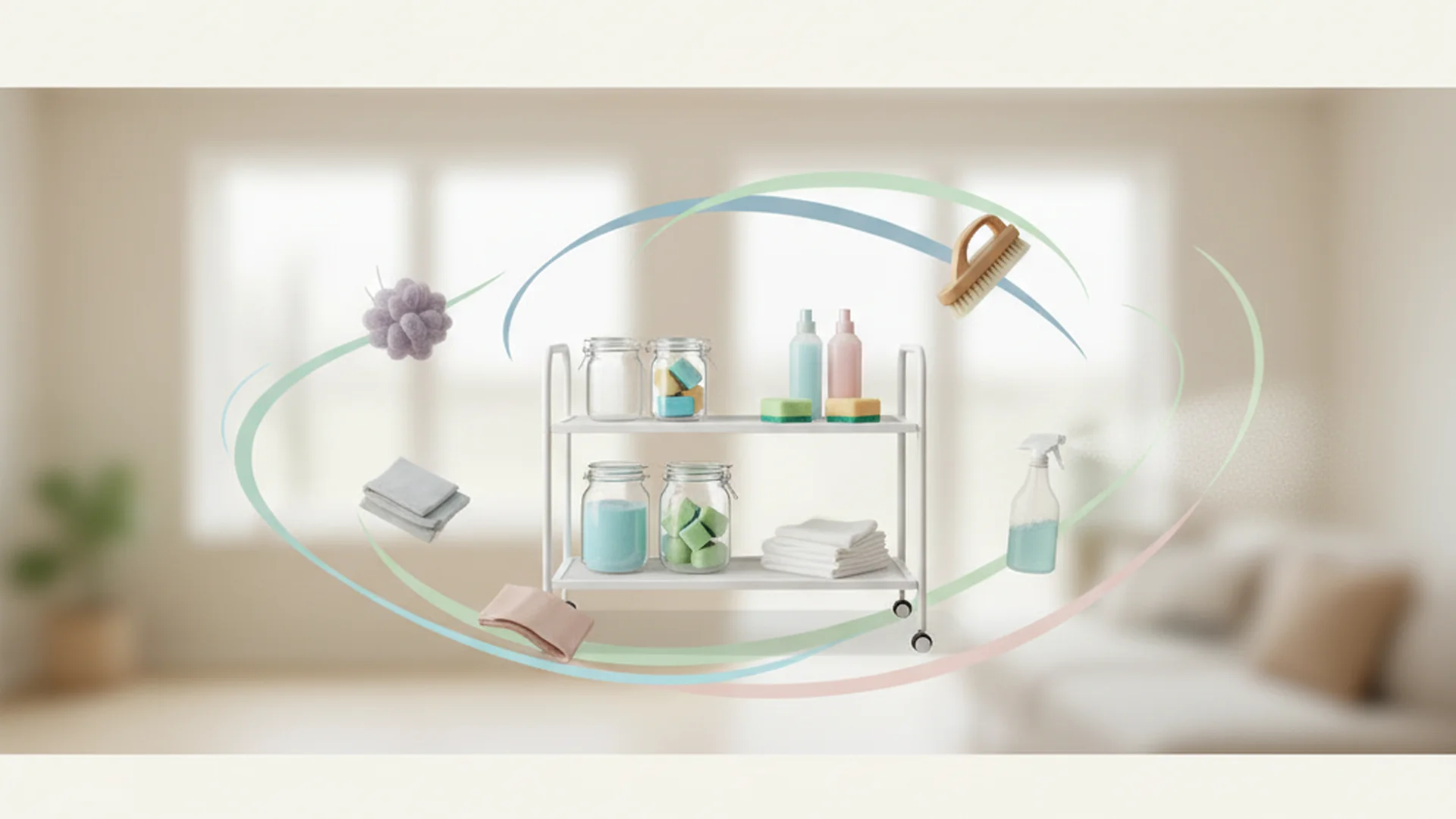
Real-World Example: The Under-Sink Strategy Instead of one central cleaning closet, place a dedicated spray bottle and microfiber cloth under every sink in your home. By keeping the supplies at the "point of performance," you eliminate the transition time that usually leads to distraction.
Multi-Purpose Over Specialization
Decision fatigue is the enemy of the ADHD brain. If you have ten different bottles for ten different surfaces, you have to decide which one to use every time you switch tasks. This micro-decision-making process consumes "brain fuel."
Success: Transitioning to a single, high-quality multi-purpose cleaner for 90% of your surfaces (windows, counters, and floors) can significantly reduce the cognitive load of cleaning.
| Product Category | Traditional Choice | ADHD-Friendly Alternative | Benefit |
|---|---|---|---|
| Floor Care | Mop and Bucket | Spray Mop / Robot Mop | Lower setup friction |
| Dusting | Feather Duster | Microfiber Water-Cloths | No chemicals needed |
| Waste | Small Trash Cans | Oversized, Open Bins | Easier to "hit" the target |
| Storage | Opaque Totes | Clear Acrylic Bins | Visual permanence |
2026 Trends: AI and Probiotic Innovation
The "neuro-inclusive home" market is expanding rapidly as we head into 2026. Brands are finally acknowledging that not everyone processes instructions or environments the same way.
Probiotic Cleaners
Probiotic cleaners are a game-changer for people who forget to clean regularly. These products leave behind beneficial bacteria that continue to "eat" dirt and grime for days after the initial wipe-down. It’s like an automated cleaning assistant that works on a microscopic level, providing a safety net for when your executive function dips.
Smart Integration and Apps
AI-driven apps like Sweepy or Tiimo now sync directly with smart home devices. Instead of a vague "clean the house" reminder, these apps suggest specific, low-energy tasks based on your current energy levels or the "mess-history" of a room.
Warning: Be careful not to spend more time "setting up" the app than actually cleaning. Use the default settings first to avoid "procrastivity"—the act of doing productive-feeling tasks to avoid the actual work.
The ADHD Cleaning Toolkit: 5 Must-Have Items
To build a truly ADHD-friendly routine, you need tools that offer a "dopamine hit" or reduce the physical effort required to start. Here are my top five recommendations for 2026:
- Electric Dustpans: These are stationary vacuums that sit on the floor. You simply sweep the dirt toward them, and they suck it up. This removes the "bending over" friction and the frustration of that annoying line of dust that a traditional dustpan always leaves behind.
- Clear Storage Bins: "Out of sight, out of mind" is a literal reality for many with ADHD. Use transparent containers for everything from laundry pods to dish sponges so you always know your inventory levels.
- Visual Timers: Using a mechanical "tomato" or Pomodoro timer turns cleaning into a gamified sprint. Setting a timer for 15 minutes makes the task feel finite rather than "forever."
- Glass Refillable Bottles: Aesthetics matter. Using heavy, high-quality glass bottles can provide a tactile "dopamine hit" that makes the act of spraying more satisfying.
- Microfiber "Water-Only" Cloths: High-quality cloths (like E-Cloth) allow you to clean mirrors and stainless steel with just water. This removes the need for chemical sprays entirely, making it the ultimate low-friction tool.
Tip: Use "Body Doubling" to get through deep cleans. Join a virtual platform like Focusmate or simply call a friend while you fold laundry. Having another presence—even a digital one—provides the external regulation your brain needs to stay on task.
Common Mistakes to Avoid
Even with the best adhd friendly cleaning products tips, it is easy to fall into old patterns. Avoid these common pitfalls to keep your home functional:
1. The "Marathon" Mistake
Many people with ADHD wait until the house is a disaster and then try to spend 10 hours on Saturday "resetting" everything. This almost always leads to burnout and "cleaning paralysis" the following week. Instead, embrace the "15-Minute Sprint."
2. Hiding Supplies for "Aesthetics"
Keeping your cleaning supplies tucked away in a dark, bottom cabinet makes them invisible to your brain. If you don't see the tool, you won't remember the task.
- Correction: Mount your broom and most-used spray bottles on the wall in plain sight. Use attractive tools so they don't feel like an eyesore.
3. Storing Items "Logically" instead of "Functionally"
A common mistake is storing items where they "belong" (e.g., all batteries in a garage tool bench). For an ADHD brain, you should store items where you actually use them.
- Real-World Example: Keep a small stash of batteries in the drawer right next to the TV remotes. Keep the vacuum upstairs if that's where the most carpet is, even if it "looks better" in the downstairs closet.
4. Moralizing the Mess
Perhaps the biggest mistake is believing that a messy home makes you a "bad" person. KC Davis, author of How to Keep House While Drowning, reminds us that care tasks are morally neutral. A clean house is a functional tool for your life, not a reflection of your worth.
Frequently Asked Questions
Why can I never finish cleaning a room?
Are natural cleaning products better for ADHD?
How do I clean when I’m overwhelmed by the mess?
What tools actually help with "Time Blindness"?
Conclusion
The goal of using adhd friendly cleaning products is not to achieve a "perfect" home that looks like a magazine spread. The goal is to create a space that supports your mental health and daily functioning. By choosing low-sensory tools, reducing decision fatigue with multi-purpose cleaners, and embracing the "morally neutral" nature of household chores, you can break the cycle of overwhelm.
Remember: progress over perfection. If all you did today was clear the "trash" category from one room, that is a massive win for your executive function.
Success: Embracing neuro-inclusive cleaning means your home serves you, rather than you serving your home.
Cleaning that keeps score
Every task earns points, every streak multiplies them, and Premium adds a household leaderboard plus a monthly Dustagorgon to beat.
- Free forever
- 30 badges to earn
- Up to 6 in a household
No card needed. Set up your rooms in a couple of minutes.