In this article
What you’ll learn
- Always air out wool before opting for a full wash.
- Never use standard detergents; choose lanolin-replenishing soaps.
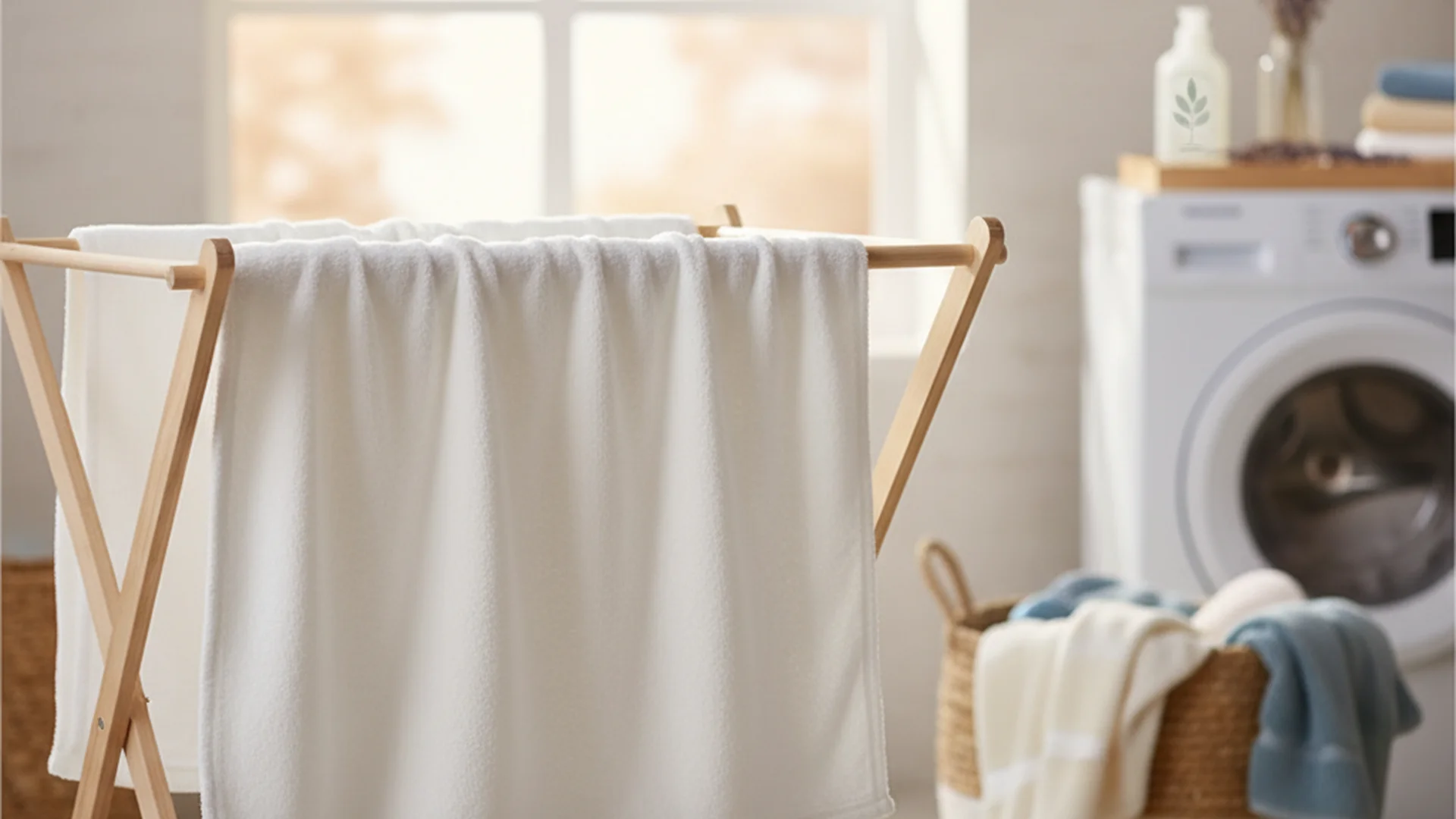
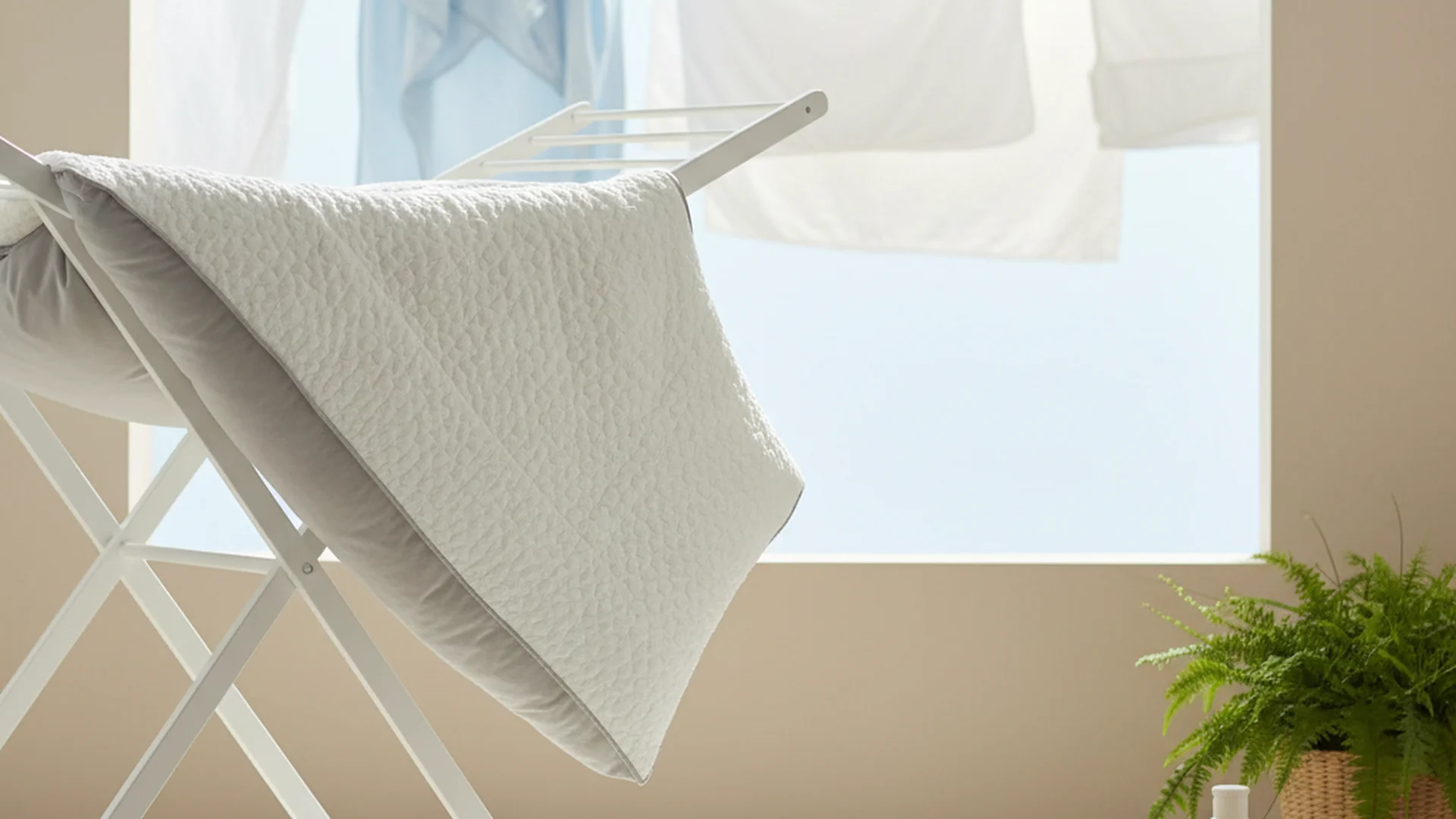
- Lay wool flat to dry to prevent stretching and distortion.
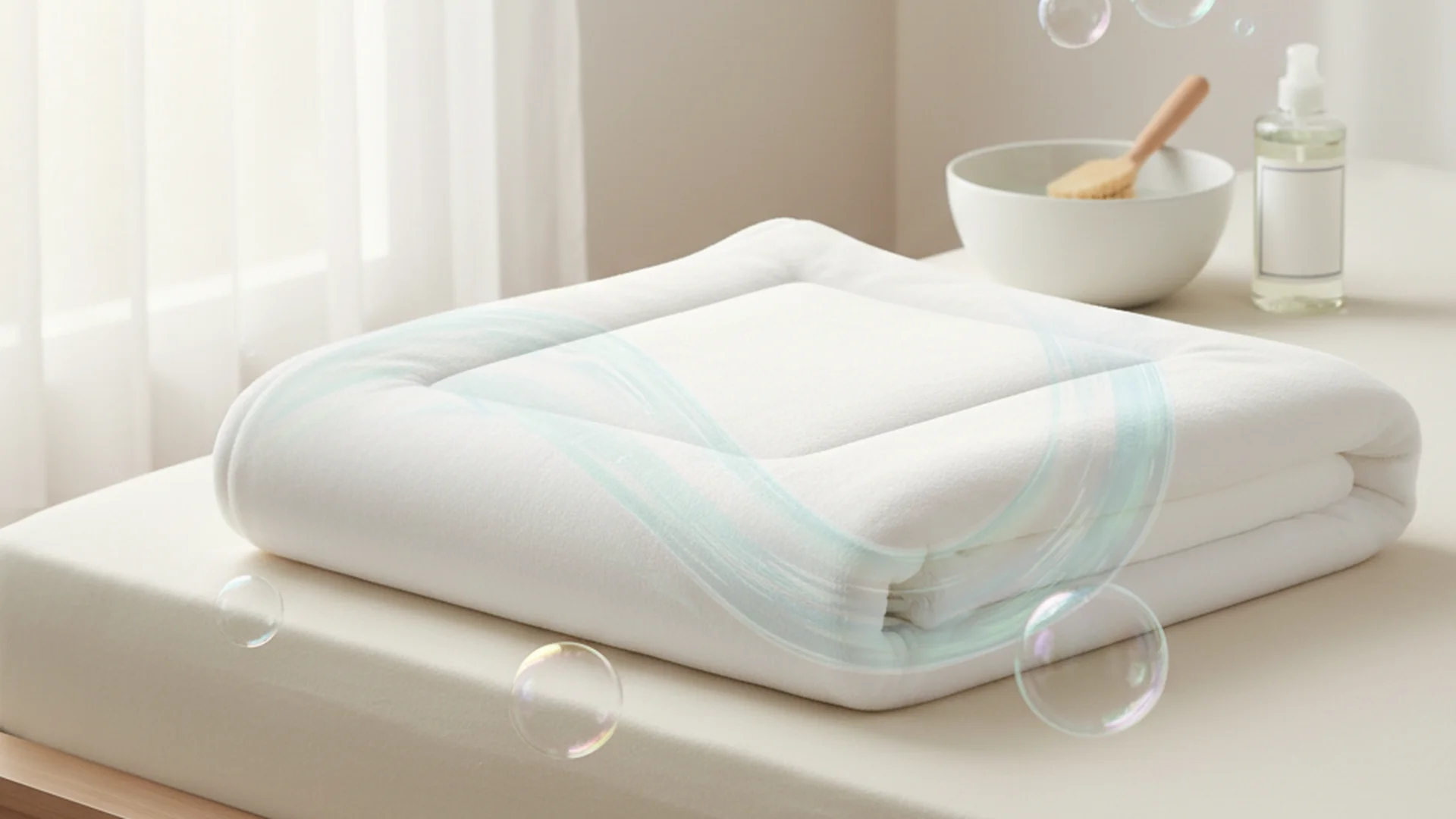
Wool is often considered the "gold standard" of bedding materials. It is breathable, insulating, and remarkably durable. However, because it is a natural protein fiber, many homeowners feel a sense of trepidation when it comes time for maintenance. Knowing how to clean wool blanket collections properly is the difference between an heirloom that lasts 50 years and a felted, shrunken mess that barely covers a toddler.
In this guide, we will explore the best practices for maintaining your wool, from simple refreshing techniques to deep-cleaning methods that align with the latest 2025 textile care trends. Whether you are dealing with a vintage family heirloom or a modern Merino throw, the goal remains the same: preserving the natural lanolin and structural integrity of the fiber.
Why Wool Requires a Different Approach
Before we dive into the "how," it is essential to understand the "why." Wool is a high-performance natural fiber that accounts for only about 1% of the global fiber market, yet it dominates the luxury animal fiber sector.
The secret to wool’s resilience is lanolin. This natural, waxy coating repels water and dirt, making the fabric naturally resistant to stains and odors. However, this same coating makes wool sensitive to modern cleaning chemicals. Traditional detergents are designed to "attack" proteins—and since wool is a protein fiber, standard soaps can literally eat away at your blanket over time, leaving it thin and scratchy.
Level 1: The Routine Refresh
Because of its self-cleaning properties, you rarely need to fully submerge a wool blanket in water. In fact, the best way clean wool blanket fibers is often to avoid water entirely for as long as possible.
Shaking and Airing Out
The most effective way to remove dust and neutralize "old" smells is to take the blanket outside. Give it a vigorous shake to loosen surface debris. Hang it in a shaded, well-ventilated area for one to two hours.
Tip: Avoid direct sunlight when airing out your wool. UV rays can bleach the natural dyes and make the fibers brittle over time.
The Brushing Technique
If your blanket looks a little "pilled" or flat, use a soft-bristled garment brush. Lay the blanket on a clean, flat surface and brush in the direction of the grain (the "nap"). This removes surface soil and realigns the fibers to their original luster.
Level 2: Spot Cleaning and Spills
Accidents happen. Whether it’s a splash of morning coffee or a wine spill during a movie night, the key is speed.
Immediate Blotting
Never rub a stain on wool. Rubbing pushes the liquid deeper into the scales of the fiber and can cause permanent matting. Instead, take a clean, dry microfiber cloth and blot the area firmly to soak up as much liquid as possible.
The Vinegar Solution
For mild stains, a simple homemade solution is often more effective than harsh chemical sprays.
- Mix 1/3 white vinegar with 2/3 cold water.
- Dampen a cloth with the solution and dab the stain.
- Blot with a dry cloth.
Success: One of my clients recently used this vinegar method on a fresh red wine spill on a cream-colored Merino throw. By blotting immediately and using the vinegar solution, the stain disappeared completely without leaving a "water ring."
Level 3: Deep Cleaning (Hand or Machine)
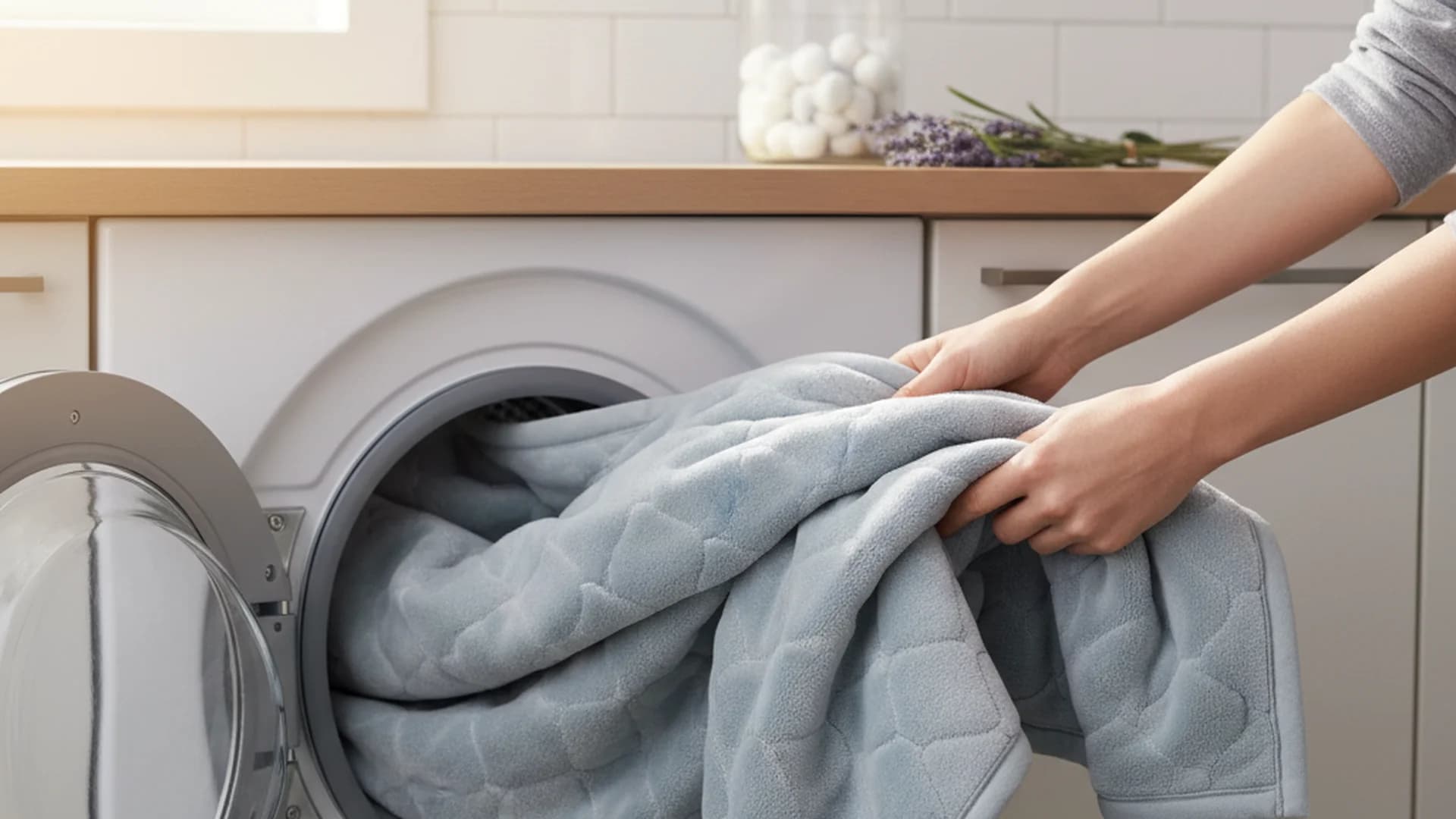
Eventually, your blanket will need a deeper clean. The question most people ask is: Can you wash wool in a machine? The answer is usually yes, but with strict conditions.
Checking the Care Label
If the label says "Dry Clean Only," pay attention to the construction. For "Artisan" or "Vintage" wool with complex dyes, professional cleaning is truly necessary to prevent color bleeding. However, many modern blankets can be washed at home.
Machine Washing Steps
- Select the Cycle: Use a dedicated "Wool" or "Delicate" cycle.
- Temperature: Ensure the water is cold (60°F / 15°C is the new 2025 standard for protecting Merino).
- Detergent: Use a pH-neutral wool wash.
- Spin: Set the spin to "Low" or "No Spin" to prevent the centrifugal force from stretching the fibers.
Warning: Improper washing (specifically the combination of heat and high agitation) can cause wool to shrink by up to 30% or more through a process called "felting." This is irreversible.
The "Towel Roll" Drying Method
Once the wash is done, do not wring the blanket. Wringing snaps the fibers and ruins the shape. Instead, lay the damp blanket flat on a large, clean towel. Roll it up tightly like a sleeping bag and press down firmly to allow the towel to absorb the excess moisture.
| Method | Best For | Risk Level |
|---|---|---|
| Airing | Odors & Dust | Very Low |
| Brushing | Pilling & Surface Soil | Low |
| Hand Wash | Delicate/Vintage Wool | Medium |
| Machine Wash | Modern, Sturdy Wool | High |
2025–2026 Maintenance Trends
The world of home care is shifting toward a "Care-First" movement. In 2025, consumers are moving away from "disposable" bedding and investing in high-quality wool, viewing cleaning as a ritual of preservation rather than a chore.
Probiotic Cleaning Sprays
A major trend for 2026 is the rise of probiotic cleaning sprays. These sprays use "good bacteria" to eat away organic matter that causes odors, meaning you can refresh your blanket without ever using water.
Lanolin-Replenishing Detergents
New "no-rinse" wool washes are hitting the market. These contain liquid lanolin, which cleans the fibers while simultaneously restoring the waxy coating that standard soaps strip away. This keeps your blanket soft and water-resistant for decades.
Note: Probiotic sprays are particularly useful for heavy outdoor wool blankets used around fire pits, as they effectively neutralize smoke odors.
Common Mistakes to Avoid
Even with the best intentions, it is easy to ruin a high-quality wool piece. Here are the most common pitfalls:
- Using Standard Detergent: Most detergents contain proteases. Since wool is a protein, these enzymes will degrade the blanket over time.
- The Tumble Dryer: Heat is the ultimate enemy. Even 10 minutes on "Low Heat" can cause "heat-set" shrinkage that cannot be undone.
- Hanging to Dry: Never hang a wet wool blanket on a clothesline. The weight of the water will pull the fibers downward, permanently elongating and misshaping the weave.
- Hot Water: High temperatures cause the scales on the wool fibers to open and interlock, leading to a stiff, felted texture.
Frequently Asked Questions
Can I wash a wool blanket in the washing machine?
How often should I wash my wool blanket?
What is the "sheep smell" and how do I get rid of it?
Can I unshrink a wool blanket?
Conclusion
Mastering how to clean wool blanket items is an investment in your home’s comfort. By moving away from aggressive cleaning methods and embracing the "Care-First" philosophy of 2025, you ensure that your wool stays soft, warm, and beautiful for decades. Remember: wool wants to take care of itself—your job is simply to give it a little help along the way.
Success: By following these tiered cleaning steps, you can extend the life of your wool bedding by up to 50 years, making it one of the most sustainable and cost-effective items in your home.
Cleaning that keeps score
Every task earns points, every streak multiplies them, and Premium adds a household leaderboard plus a monthly Dustagorgon to beat.
- Free forever
- 30 badges to earn
- Up to 6 in a household
No card needed. Set up your rooms in a couple of minutes.