In this article
What you’ll learn
- Adopt a top-down cleaning method to maximize efficiency and hygiene.
- Switch to liquid soaps to reduce the buildup of stubborn calcium stearate.
- Utilize 2026 technology like probiotic cleaners and UV-C sanitization.
For many homeowners, the walk-in shower is a sanctuary—a place of relaxation and rejuvenation. However, as we move into 2026, the way we maintain these spaces has fundamentally changed. We are no longer just "scrubbing away dirt"; we are managing a complex domestic ecosystem. Knowing how to clean walk in shower surfaces effectively is now a matter of "Cleaning for Health," a movement that prioritizes the bathroom microbiome and long-term sanitization over a simple aesthetic shine.
For most households, the shower and toilet are the top priority when it comes to protecting family health. As habits shift toward genuine sanitization, the modern walk-in shower—often featuring frameless glass and large-format tiles—requires a more sophisticated approach than a simple sponge and a prayer.
The Science of Shower Grime
Before we dive into the "how-to," it is essential to understand what you are actually fighting. Most people assume they are just cleaning off dirt. In reality, hard water is the norm in a great many homes. The calcium and magnesium in that water react with the fatty acids found in traditional bar soaps to create calcium stearate, commonly known as soap scum.
Chemically, soap scum is significantly harder to remove than standard environmental dust. Furthermore, in a typical walk-in environment, mold and mildew can colonize within just 24 to 48 hours if standing water is left to sit. This is why prevention is just as important as the cleaning process itself.
Note: Switching from bar soap to liquid body wash can reduce soap scum accumulation by up to 80%, as liquid soaps do not contain the binders and fats found in traditional bars.
The Best Way to Clean a Walk-in Shower: A Top-Down Approach
When looking for the best way clean walk in shower enclosures, professionals always follow the "Top-Down" method. This ensures that gravity works with you rather than against you, preventing dirty water and cleaning agents from dripping onto surfaces you have already polished.
Step 1: Pre-Treat and Dwell Time
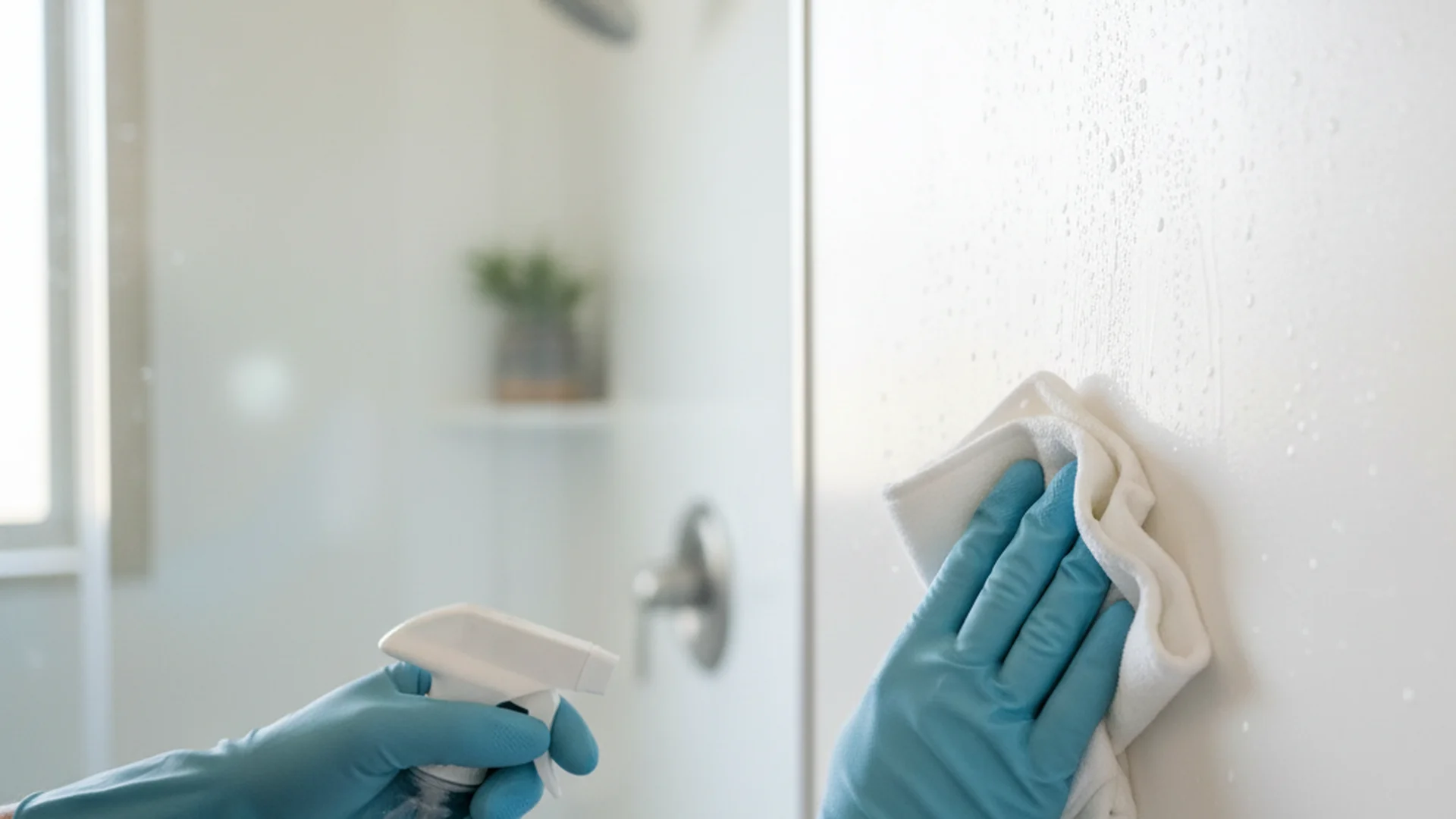
The most common mistake is scrubbing immediately after spraying. To clean efficiently, spray your chosen solution—whether it is a 1:1 vinegar-water mix or a modern probiotic cleaner—and let it sit for 10–15 minutes. This "dwell time" allows the chemical or biological agents to break down organic matter and mineral deposits.
Step 2: The Glass and Hardware
Start at the very top of your frameless glass. Use a high-GSM (grams per square meter) microfiber cloth. Unlike sponges, these trap bacteria and prevent the microscopic scratches that can occur on acrylic or coated glass. For a streak-free finish, follow your wet wipe with a "dry polish" using a fresh microfiber cloth.
Step 3: The Walls and Grout
Focus on the grout lines, which are the most porous and vulnerable parts of your shower. In 2026, many homeowners are moving away from harsh bleach (which can erode grout sealer) and toward pH-neutral cleaners that protect the integrity of the stone or tile.
Step 4: The Floor and Drain
The final step is the floor. If you have a curbless walk-in shower, water management is key. Use a dedicated linear drain brush to clear the filter. A clogged drain keeps the floor wet longer, which encourages the growth of "pink mold" (Serratia marcescens) along the edges.
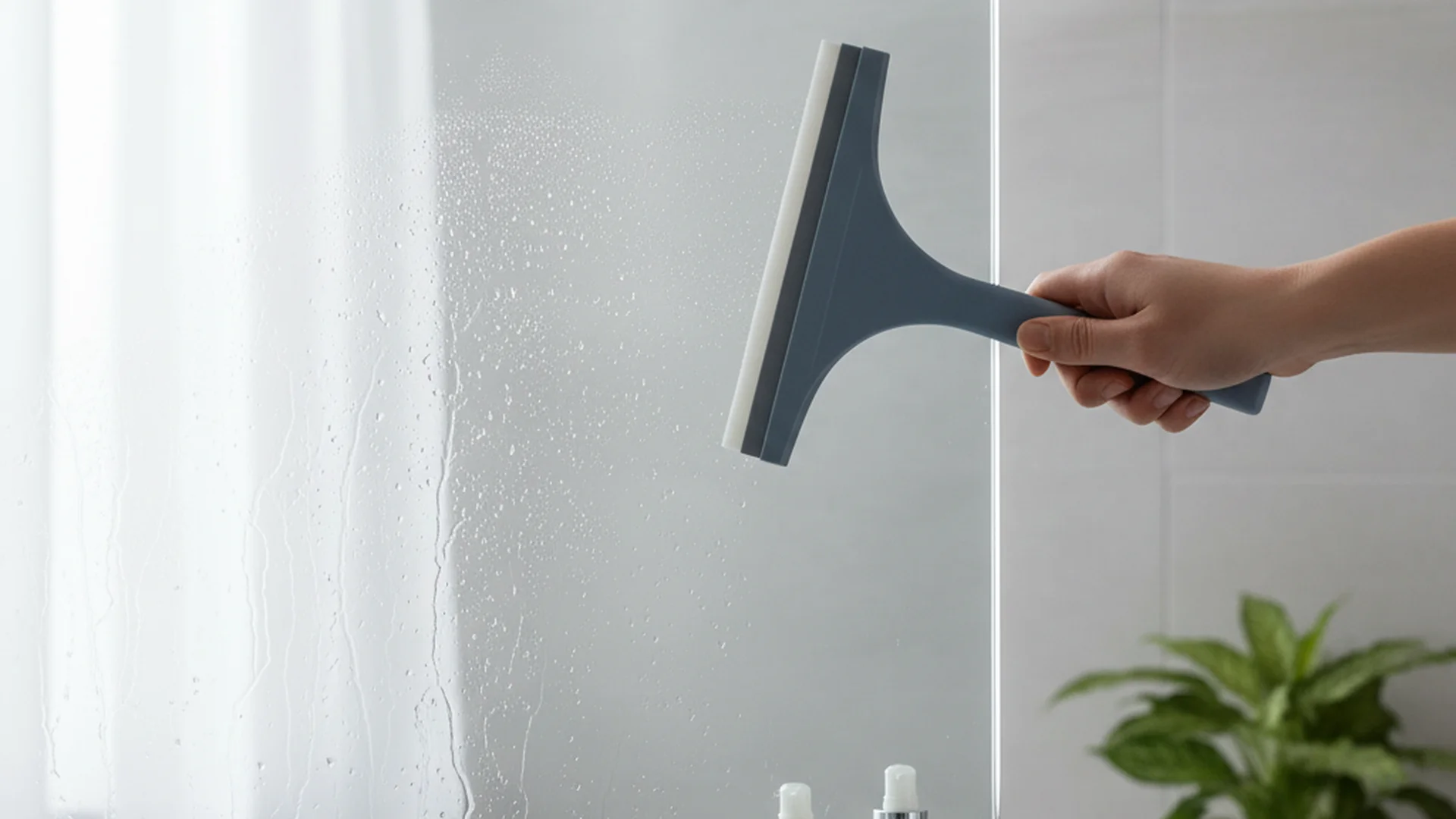
Tip: Use a silicone-edged squeegee after every single shower. This 30-second habit removes 90% of the water that would otherwise lead to limescale and mold.
2026 Trends: Smart Technology and Probiotics
The cleaning landscape has been revolutionized by new technologies that make maintenance almost effortless.
Robotic Shower Cleaners
We have seen the rise of robot vacuums, and now, automated window-cleaning robots (such as the Samnuerly or NEYTIIR series) are being adapted for frameless shower glass. These devices attach via suction and use AI to navigate the glass, providing a high-gloss polish without any manual labor.
Probiotic (Microbiome) Cleaners
A major trend for 2026 is the use of "living" cleaners. These sprays contain beneficial bacteria that continue to consume organic grime for up to 72 hours after you apply them. This creates a proactive barrier against pathogens and keeps the shower cleaner for longer periods between deep cleans.
Nanotechnology Coatings
Many modern showers now come with factory-applied hydrophobic coatings. If yours didn't, DIY products like Nanotol create a "lotus effect." This causes water to bead up and roll off the surface immediately, virtually eliminating water spots for up to two years.
Success: Applying a hydrophobic coating can reduce your weekly cleaning time from 45 minutes to less than 15 minutes.
Common Mistakes to Avoid
Even the most diligent cleaners can fall into traps that damage their bathrooms or endanger their health.
- Mixing Chemicals: Warning: Never mix bleach with ammonia or vinegar. This creates toxic chloramine or chlorine gas. In the small, enclosed space of a walk-in shower, this can be lethal.
- Neglecting the Fan: Most people turn the exhaust fan off as soon as they leave the bathroom. You should run the fan for 30–60 minutes post-shower to fully extract humidity.
- Using Abrasives on Acrylic: Using "Magic Erasers" or abrasive pads on acrylic surfaces creates microscopic scratches. These scratches trap more dirt over time and permanently dull the finish.
- Over-Scrubbing Natural Stone: Marble and slate are sensitive. Using acidic cleaners or scrubbing too hard can "etch" the stone, leaving permanent dull spots.
| Surface Material | Recommended Cleaner | Tool to Use |
|---|---|---|
| Frameless Glass | Vinegar/Water or Probiotic | Microfiber Cloth |
| Ceramic Tile | pH-Neutral All-Purpose | Soft Scrub Brush |
| Natural Stone | Specialized Stone Cleaner | Soft Microfiber |
| Acrylic Panels | Mild Dish Soap | Non-abrasive Sponge |
Frequently Asked Questions
How often should I clean a walk-in shower?
What is the best way to clean glass without streaks?
Can I use bleach on everything?
How do I clean a "curbless" walk-in shower floor?
Conclusion
Cleaning a walk-in shower is no longer about the brute force of scrubbing; it is about utilizing the right chemistry and technology. By adopting the "Top-Down" method, embracing the squeegee habit, and exploring modern innovations like probiotic cleaners and nano-coatings, you can maintain a bathroom that isn't just visually clean, but biologically healthy.
As we continue to prioritize health in 2026, these small shifts in our cleaning routines will ensure that our most private spaces remain true sanctuaries for years to come.
Success: By implementing a daily squeegee habit and switching to liquid soap, you will likely find that your "deep clean" days become significantly easier and less frequent.
Cleaning that keeps score
Every task earns points, every streak multiplies them, and Premium adds a household leaderboard plus a monthly Dustagorgon to beat.
- Free forever
- 30 badges to earn
- Up to 6 in a household
No card needed. Set up your rooms in a couple of minutes.