In this article
What you’ll learn
- Identify your sink material before choosing a cleaning agent to prevent etching.
- The "gap" between the basin and counter requires specialized tools for hygiene.
- Daily "rinse and dry" routines are the most effective way to prevent mineral buildup.
Vessel sinks have become the undisputed centerpiece of modern bathroom design. However, many quickly realize that learning how to clean vessel sink basins requires a slightly different strategy than maintaining a traditional undermount sink. Because the basin sits entirely above the counter, you are dealing with exposed exterior surfaces and a unique "crevice" where the sink meets the vanity—a spot that 20% of consumers identify as a major cleaning pain point.
In this guide, we will explore the best way clean vessel sink fixtures based on their material, address the "gap" problem, and provide a maintenance schedule that keeps your bathroom looking like a high-end resort.
Why Vessel Sinks Require Special Care
Unlike standard sinks where only the interior is visible, a vessel sink is a 360-degree sculptural element. This means every splash, fingerprint, and dust mote is on full display. Furthermore, the installation style creates a narrow junction at the base that can trap moisture and soap scum, leading to mold if neglected.
According to research from Archive Market Research, the shift toward these sinks is driven by aesthetics, but their longevity depends entirely on proper surface maintenance. Whether you have trendy tempered glass or classic porcelain, the following steps will ensure your investment remains pristine.
Material-Specific Cleaning Rules
The most important rule in bathroom maintenance is that "all-purpose" does not always mean "safe for all." Using the wrong chemical on a $500 stone basin can cause permanent damage in seconds.
| Material | Best Cleaning Agent | Tools Needed | Avoid At All Costs |
|---|---|---|---|
| Tempered Glass | Distilled water & Vinegar (1:1) | Microfiber cloth | Abrasive sponges, bleach |
| Natural Stone | pH-neutral stone cleaner | Soft cloth, sealant | Vinegar, lemon, ammonia |
| Ceramic/Porcelain | Baking soda & water paste | Soft sponge | Metal scouring pads |
| Copper | Mild dish soap | Soft cloth, wax | Harsh scrubbing, acidic cleaners |
Cleaning Tempered Glass
Glass sinks are stunning, but they are magnets for streaks and hard water spots. In areas with hard water, mineral deposits like calcium can cloud the glass in as little as 3–5 days.
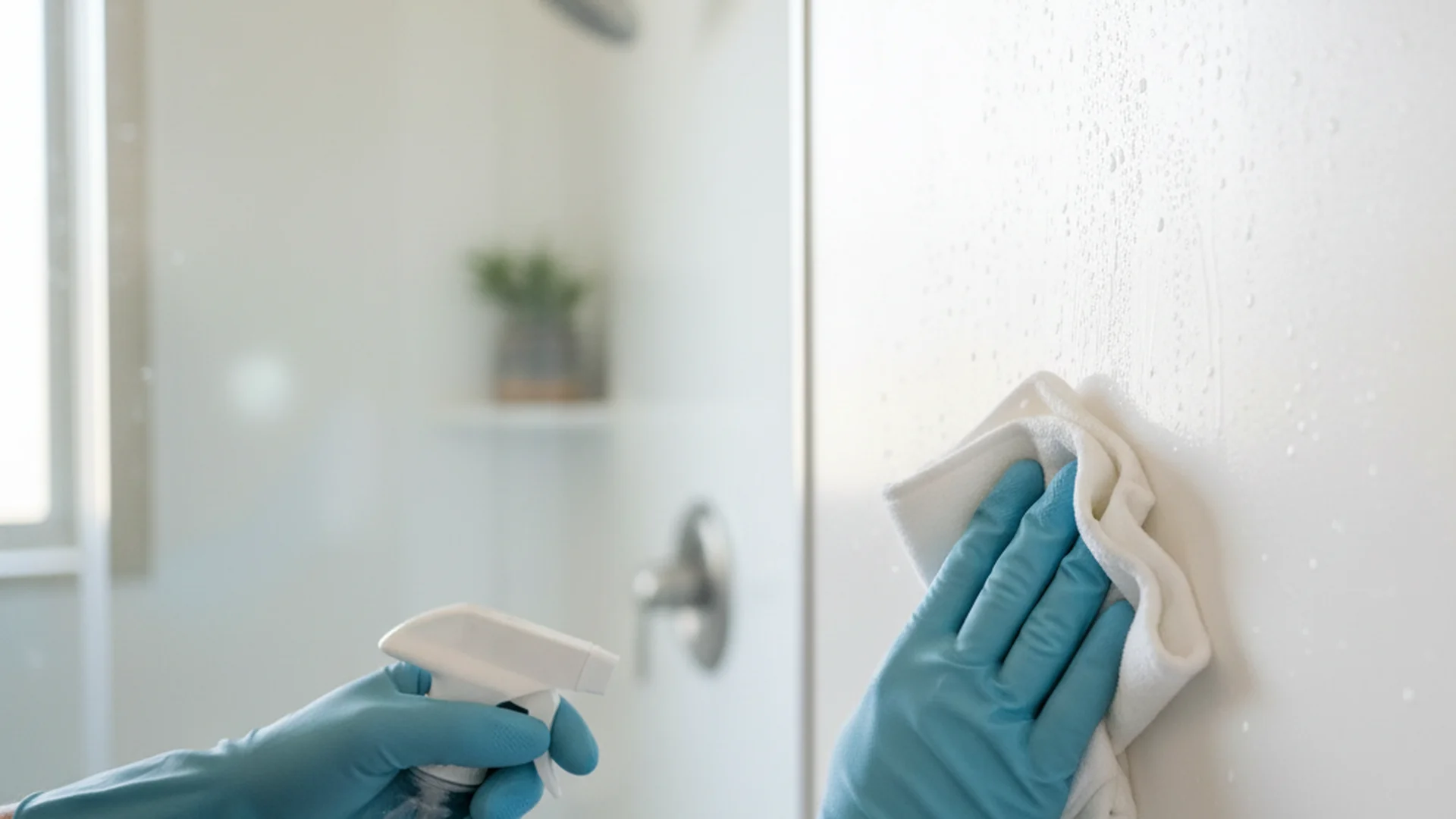
Tip: Always apply your cleaner to the cloth first, rather than spraying the sink directly. This prevents "overspray" from landing on your vanity or faucet, which might require a different cleaning agent.
Maintaining Natural Stone (Marble & Travertine)
Natural stone is porous. If you use vinegar or bleach, you will "etch" the surface—essentially eating away the stone and leaving dull, white marks.
Warning: Never use acidic cleaners on stone. Stick to pH-neutral soaps specifically formulated for marble or granite.
The Ceramic and Porcelain Approach
These make up 57% of global sales because they are the heartiest. If you have stubborn makeup or toothpaste stains, a simple paste of baking soda and water works wonders. It provides just enough grit to lift the stain without scratching the protective glaze.
Step-by-Step: The Best Way Clean Vessel Sink Bases
The "gap" is the most notorious area of a vessel sink. This is the thin space where the bowl meets the countertop. Because it is often only a few millimeters wide, a standard sponge won't fit.
Step 1: Dusting the Exterior
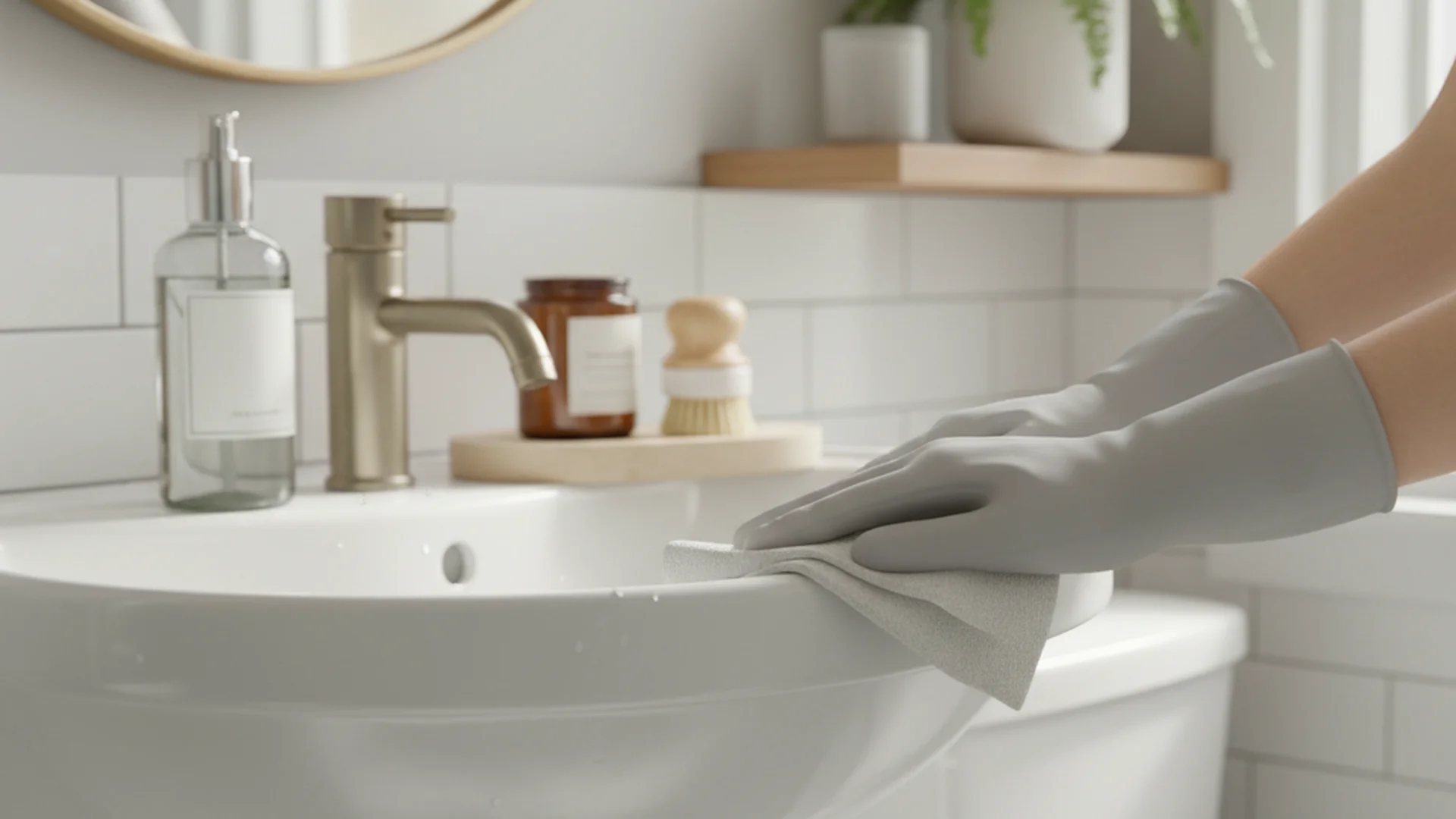
Before getting the sink wet, use a dry microfiber cloth to wipe the exterior of the bowl. If you jump straight to wet cleaning, you’ll just turn the dust into mud, making it harder to remove from the base crevice.
Step 2: Cleaning the Junction
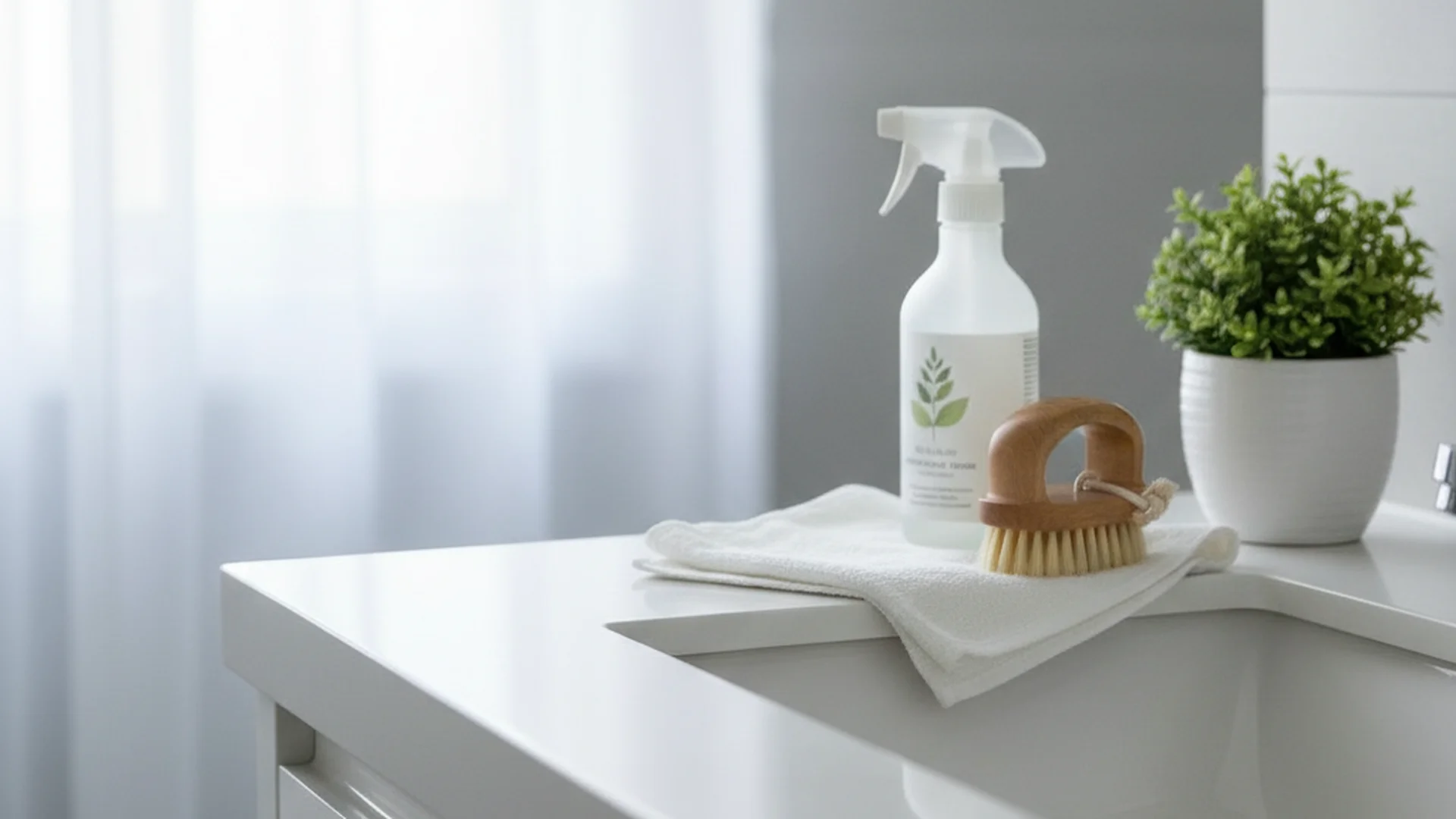
To reach the 360-degree crevice, use a "gap brush" or a flexible microfiber wand. These are often sold as straw cleaners or specialized detailing brushes. Slide the brush around the base to pull out trapped hair, dust, and dried soap.
Note: If you notice a dark line forming at the base, it may be mildew. Use an enzyme-based cleaner to safely break down the organic matter without damaging the silicone seal.
Step 3: Interior Scrubbing
Apply your material-specific cleaner to the interior. Focus on the area around the drain, as this is where "biofilm" (pink or orange slime) tends to accumulate.
Step 4: The Rinse and Buff
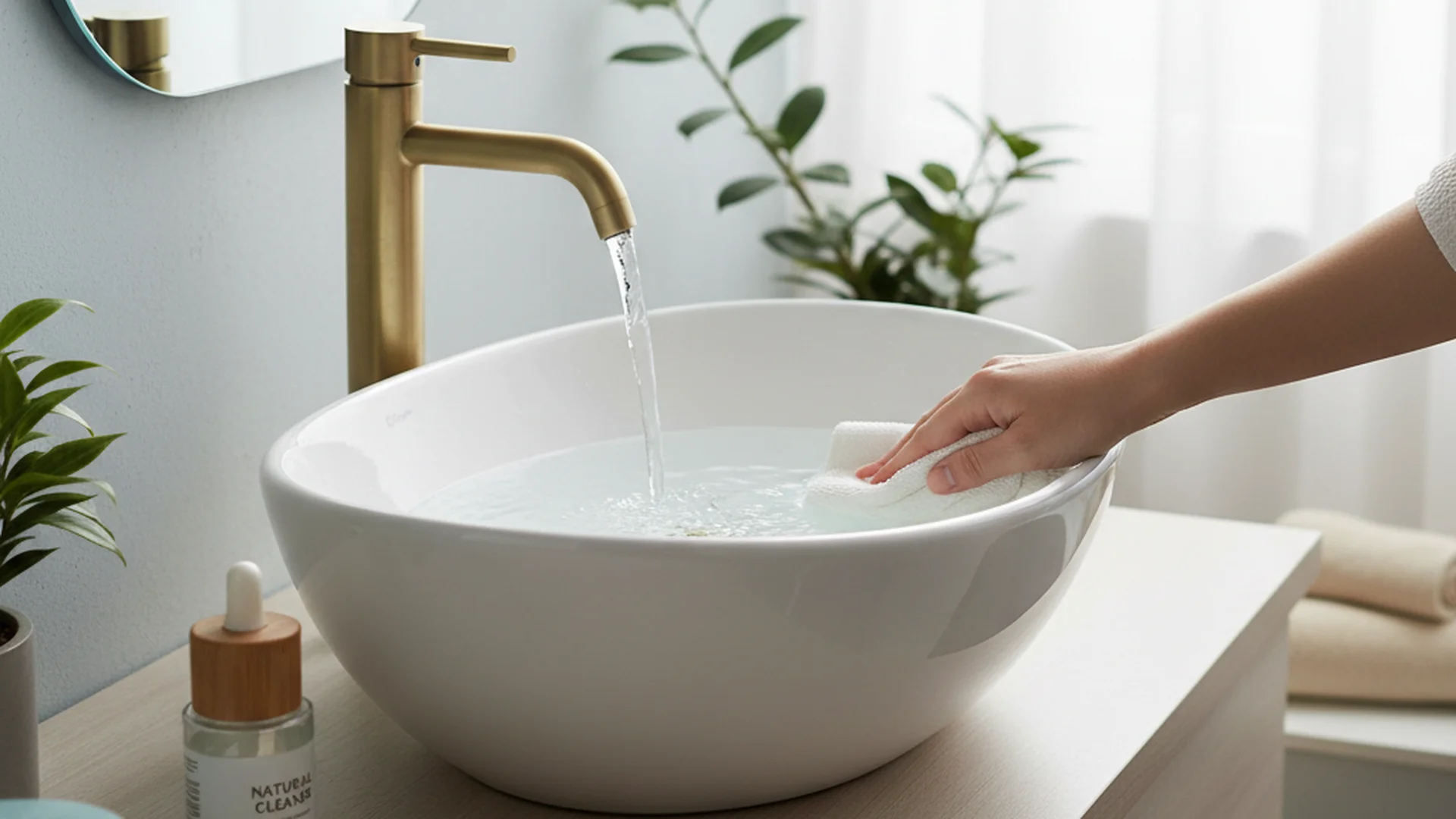
Rinse thoroughly with warm water. The final, and most crucial, step is the "buff dry." Use a fresh, lint-free microfiber cloth to dry the entire sink—inside and out. This prevents the "ghost water spots" that occur when minerals are left behind after evaporation.
Success: Regularly drying your sink after the final use of the night can reduce your deep-cleaning time by 50% by preventing mineral buildup.
Common Mistakes to Avoid
Even seasoned cleaners can make errors that dull the finish of a vessel sink over time. Here are the three most common pitfalls we see in 2025:
- Neglecting the Underside: Many people only clean the interior bowl. However, because the exterior is visible, splashes from handwashing often dry on the underside, creating a crusty rim of soap scum that is visible from a distance.
- Using Scouring Pads: Even those "non-scratch" blue sponges can create micro-scratches on glass and stone. Over months of use, these scratches trap dirt and make the sink look permanently "cloudy."
- Leaving Soap Bars on the Rim: Modern vessel sinks often feature thin, elegant rims. Resting a wet bar of soap directly on the edge leads to "soap melt." On porous stone, this can cause a deep stain; on glass, it creates a stubborn film that is difficult to buff out.
Recent Trends in Vessel Sink Maintenance (2025–2026)
As we move into 2026, two major trends are changing how we care for our bathrooms:
- The Rise of Matte Finishes: Matte black and stone-look finishes are currently trending. While beautiful, these finishes show oil from fingerprints much more easily than glossy surfaces. Experts now recommend using a drop of dawn dish soap on a damp cloth to cut through these oils effectively.
- Enzyme-Based Cleaners: There is a massive shift away from harsh bleach toward sustainable, enzyme-based cleaners. These are particularly effective for vessel sinks because they "eat" the bacteria in the hard-to-reach base gap without corroding the specialized foil-underlays common in modern glass sinks.
Frequently Asked Questions
How do I clean the tiny gap where the sink meets the counter?
Can I use bleach or vinegar on a stone vessel sink?
Why is my glass sink always streaky?
How do I prevent "splashback" on my mirror and counter?
How often should I seal my stone vessel sink?
Conclusion
A vessel sink is more than just a plumbing fixture; it is a piece of art. By understanding the specific needs of your sink's material and paying attention to the often-overlooked exterior and base gap, you can maintain that "brand new" look for years to come. Remember, the secret to a sparkling bathroom in 2025 isn't harsh chemicals—it's the right tools and a consistent "rinse and dry" habit.
Success: Following this material-specific routine will not only keep your bathroom hygienic but also protect the resale value of your home by preserving expensive stone and glass finishes.
Cleaning that keeps score
Every task earns points, every streak multiplies them, and Premium adds a household leaderboard plus a monthly Dustagorgon to beat.
- Free forever
- 30 badges to earn
- Up to 6 in a household
No card needed. Set up your rooms in a couple of minutes.