In this article
What you’ll learn
- Temperature and humidity control are vital for medication potency.
- Follow the 6-step deep clean process for maximum efficiency.
- Use eco-friendly disposal methods to protect the water supply.
For many homeowners, the medicine cabinet is a "set it and forget it" zone—a cluttered repository for half-empty aspirin bottles, tangled bandages, and mysterious ointments from three years ago. However, learning how to clean medicine cabinet setups properly is more than just an aesthetic choice; it is a vital component of household safety and health management. A disorganized cabinet can lead to accidental ingestion of expired drugs or, worse, a delay in finding life-saving supplies during an emergency.
In this comprehensive guide, we will explore the most efficient strategies to audit, sanitize, and reorganize your health supplies, ensuring your home pharmacy remains a safe resource rather than a hazard.
The Bathroom Paradox: Why Your Storage Might Be Failing
It is one of the great ironies of home design: the "medicine cabinet" is almost always located in the bathroom, which is often the worst place for these items. The constant fluctuation of heat and moisture from showers can cause medications to break down chemically, causing them to lose potency or even become harmful before their official expiration date.
The best way clean medicine cabinet layouts often involve reconsidering the location itself. If you notice your tablets are crumbling or your ointments are separating, your bathroom’s humidity is likely the culprit.
Note: If your bathroom lacks a high-powered exhaust fan, consider moving your primary medication storage to a cool, dry kitchen cabinet (away from the stove) or a bedroom dresser.
The 6-Step Deep Clean Workflow
To achieve a professional-level clean, you must move beyond a simple "surface wipe." Follow this logical progression to ensure nothing is overlooked.
Step 1: The Total Empty
You cannot properly deep-clean around bottles. Remove every single item from the cabinet and place them on a clean towel on the counter. This allows you to see the true state of the shelving and ensures no small pills or sticky residues are hiding in the corners.
Step 2: The Expiration Audit
Check every label. Many solid tablets stay reasonably potent for a while past their "EXP" date, but this does not apply to everything. Liquid medications (like insulin or cough syrup), eye drops, and nitroglycerin lose effectiveness rapidly, so treat their dates as firm.
Tip: Don’t just look for the expiration date. Look for "PAO" (Period After Opening) symbols. Many eye drops and creams are only safe for 30 to 90 days once the seal is broken.
Step 3: Sanitize the Surface
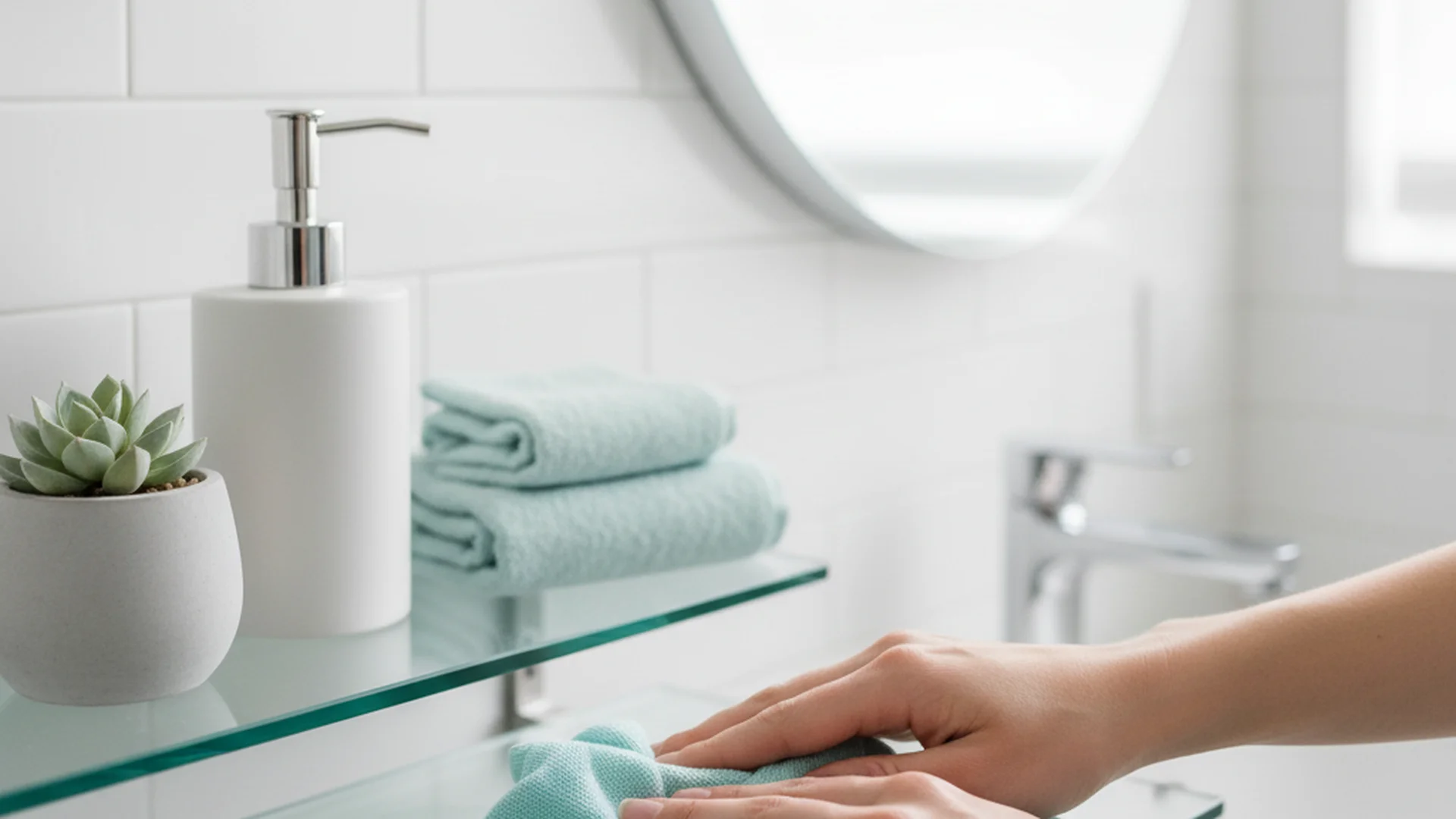
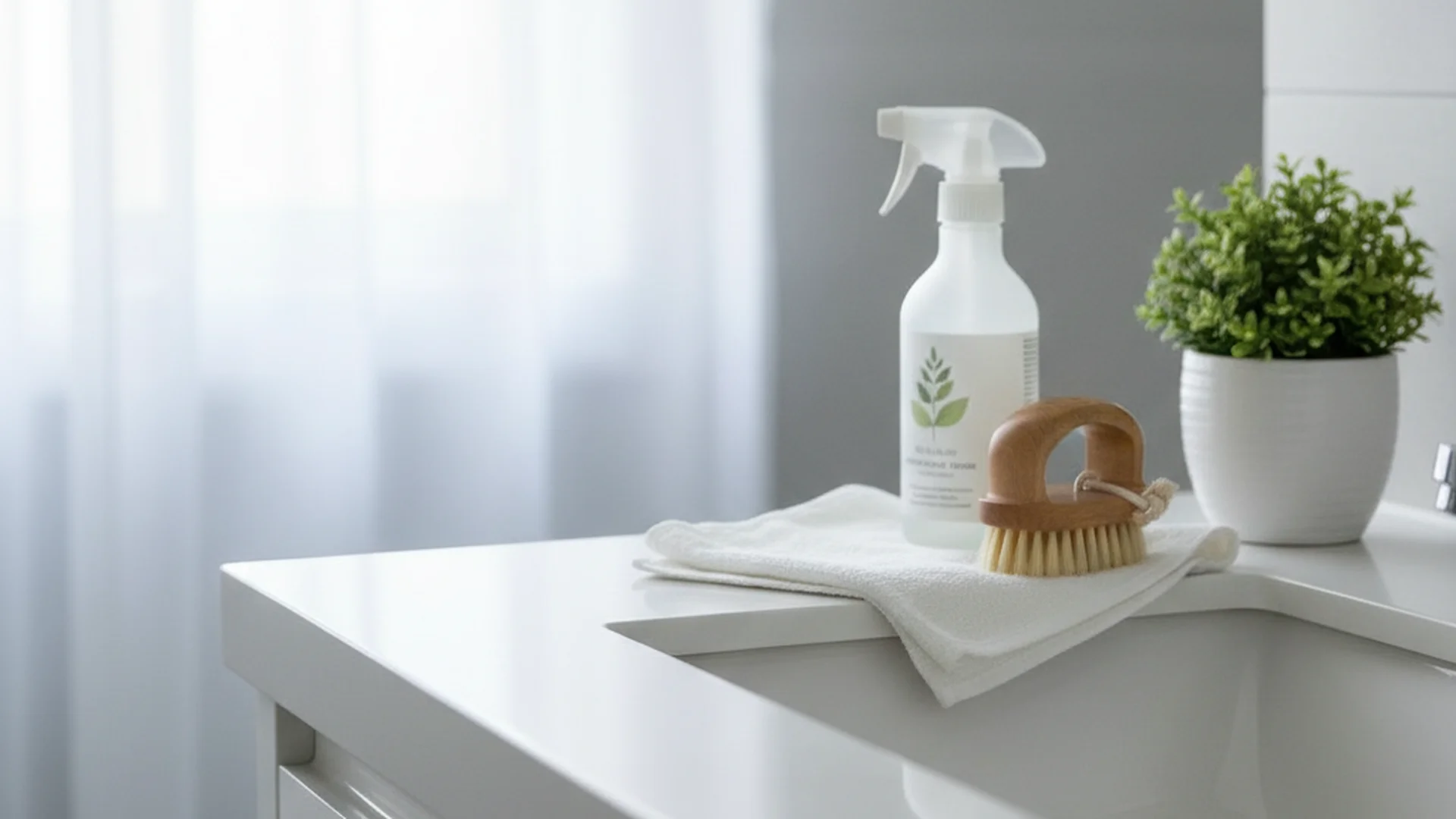
Since these shelves hold items used for health and hygiene, avoid heavy synthetic fragrances or harsh bleach that could leave residues. A 1:1 solution of water and white vinegar is highly effective for glass shelves and mirrored surfaces. For wooden or plastic interiors, a mild dish soap and warm water work best.
Step 4: Categorization
The key to long-term organization is grouping items by their use-case. Avoid the "everything in a pile" approach. Instead, create distinct zones:
- Pain & Fever: Ibuprofen, Acetaminophen, Aspirin.
- Cough & Cold: Decongestants, throat lozenges, and cough suppressants.
- First Aid: Bandages, antiseptic wipes, and medical tape.
- Digestive Health: Antacids and anti-nausea medications.
Step 5: Proper Disposal
Never flush medications down the toilet. Flushing contributes to water contamination because wastewater treatment plants aren't designed to filter pharmaceuticals. Instead, use the DEA’s Public Disposal Search Utility to find local pharmacies that accept expired meds.
Step 6: Optimization
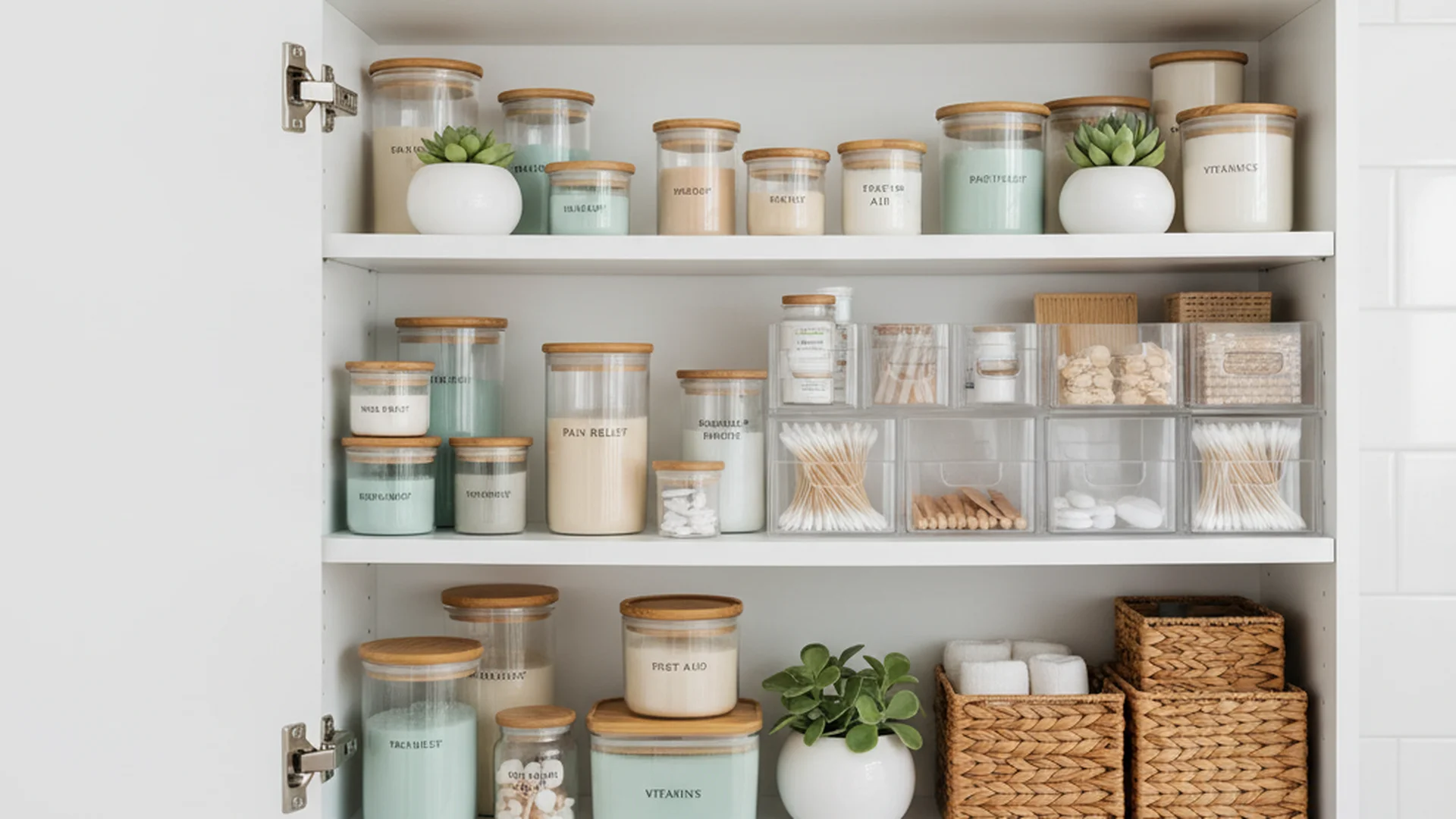
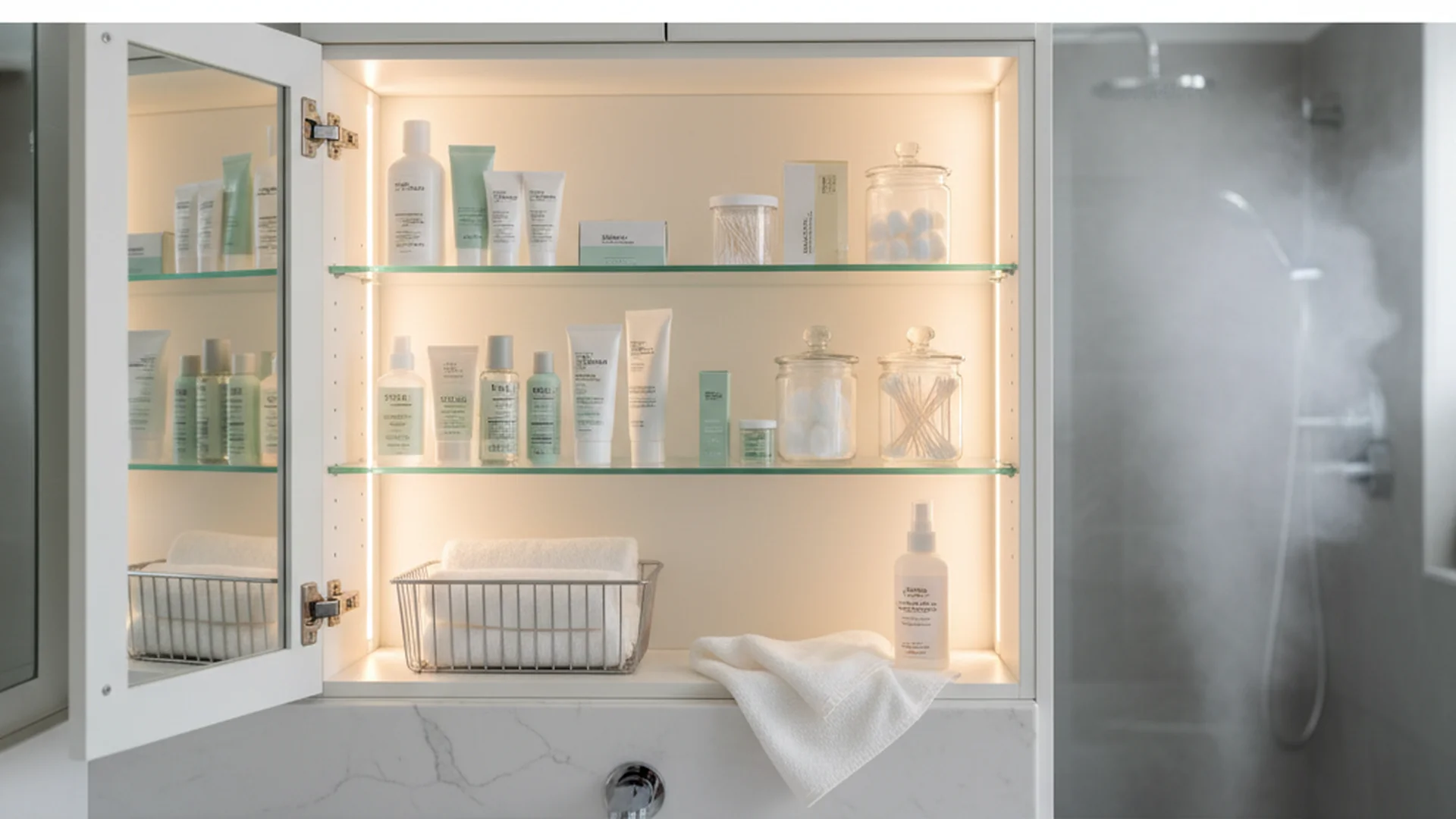
To prevent "bottlenecking"—where small items get pushed to the back and forgotten—use clear acrylic bins. These allow you to see exactly what you have at a glance and prevent the "domino effect" when reaching for a bottle in the back.
| Storage Method | Visibility | Space Efficiency | Best For |
|---|---|---|---|
| Acrylic Bins | High | High | Daily Meds |
| Bamboo Tiers | Medium | Very High | Small Tins |
| Turntables | High | Medium | Bulk Bottles |
Modern Trends for 2026: The "Home Pharmacy" Aesthetic
Cleaning your medicine cabinet in 2026 is about more than just hygiene; it’s about integrating technology and sustainability.
Digital Inventory Tracking
A rising trend among domestic efficiency specialists is the use of QR codes. By placing a small QR code label on the inside of the cabinet door, you can link to a simple spreadsheet or app (like Sortly or Medisafe). This can alert you when a medication is nearing its expiration, so you can replace it before you actually get sick.
Eco-Friendly Disposal Kits
Products like Deterra (drug deactivation pouches) are becoming household staples. These pouches contain activated carbon that neutralizes pills, liquids, and patches when water is added, making them safe to throw in the household trash without harming the environment.
Smart Lighting
If you’ve ever struggled to read a dosage label at 2:00 AM, you know the value of good lighting. Installing motion-sensor LED strips inside the cabinet ensures labels are readable without the shock of harsh overhead bathroom lights during a midnight fever.
Success: Upgrading to smart lighting and digital tracking reduces dosage errors and saves money by preventing duplicate purchases.
Common Mistakes to Avoid
Even the most well-intentioned cleaning session can go wrong if you fall for these common pitfalls:
- Keeping the "Cotton Ball": Many people leave the cotton plug inside a pill bottle. Expert Tip: Toss it immediately. Once the bottle is opened, the cotton can actually pull moisture into the bottle, compromising the integrity of the pills.
- Removing Original Packaging: Never move pills to a "prettier" unlabeled glass jar for the sake of aesthetics. You lose the expiration date, critical dosage instructions, and emergency contact info.
- The "Toilet Trash Can" Misconception: While the FDA maintains a "Flush List" for high-risk meds (like opioids) when take-back programs aren't available, 99% of medications should never be flushed.
- Mixing First Aid with Daily Meds: Storing bandages and ointments mixed with daily prescriptions creates "decision fatigue." Keep daily items at eye level and emergency/first aid on a secondary shelf.
Frequently Asked Questions
How often should I clean out my medicine cabinet?
Where is the best place to store medicine?
Can I throw expired pills in the trash?
How do I tell if a medication has gone bad?
Is it safe to use expired Ibuprofen or Tylenol?
Conclusion
Maintaining an organized health station is a cornerstone of domestic efficiency. By applying the best way clean medicine cabinet techniques—from the "Total Empty" to digital inventory tracking—you transform a cluttered corner into a functional wellness hub. Accidental medication ingestion sends a great many young children to emergency rooms every year; a clean, organized, and secure cabinet is your first line of defense against these preventable accidents.
Commit to a bi-annual cabinet check-up to ensure your family’s health supplies are potent, safe, and ready when you need them most.
Success: A clean cabinet isn't just organized—it's a safer home for everyone.
Cleaning that keeps score
Every task earns points, every streak multiplies them, and Premium adds a household leaderboard plus a monthly Dustagorgon to beat.
- Free forever
- 30 badges to earn
- Up to 6 in a household
No card needed. Set up your rooms in a couple of minutes.