In this article
What you’ll learn
- Daily rinsing with warm water removes 92% of surface bacteria.
- Avoid abrasive scrubbers to prevent micro-abrasions that harbor germs.
- Use the 'Fizz Method' with hydrogen peroxide for safe, effective whitening.
Porcelain has long been the "timeless" choice for homeowners, and as we move into 2026, its popularity is only growing. Whether you have a vintage farmhouse basin or a sleek modern integrated unit, knowing how to clean porcelain sink surfaces correctly is the difference between a dull, scratched basin and a brilliant, glass-like finish that lasts for generations. While porcelain is incredibly durable, it is essentially a glass coating over clay or cast iron. Treating it with the wrong chemicals can lead to permanent damage that no amount of scrubbing can fix.
In this guide, we will explore the most effective, research-backed methods to maintain your sink, from daily habits to deep-cleaning "fizz" techniques that keep your bathroom or kitchen looking brand new.
The Daily 2-Minute Habit: Prevention Over Cure
The secret to a 30-year sink isn't a magic chemical; it’s consistency. Research shows that a simple daily rinse with warm water after use can remove up to 92% of surface bacteria. This significantly reduces the build-up of biofilm and soap scum that eventually hardens into difficult-to-remove grime.
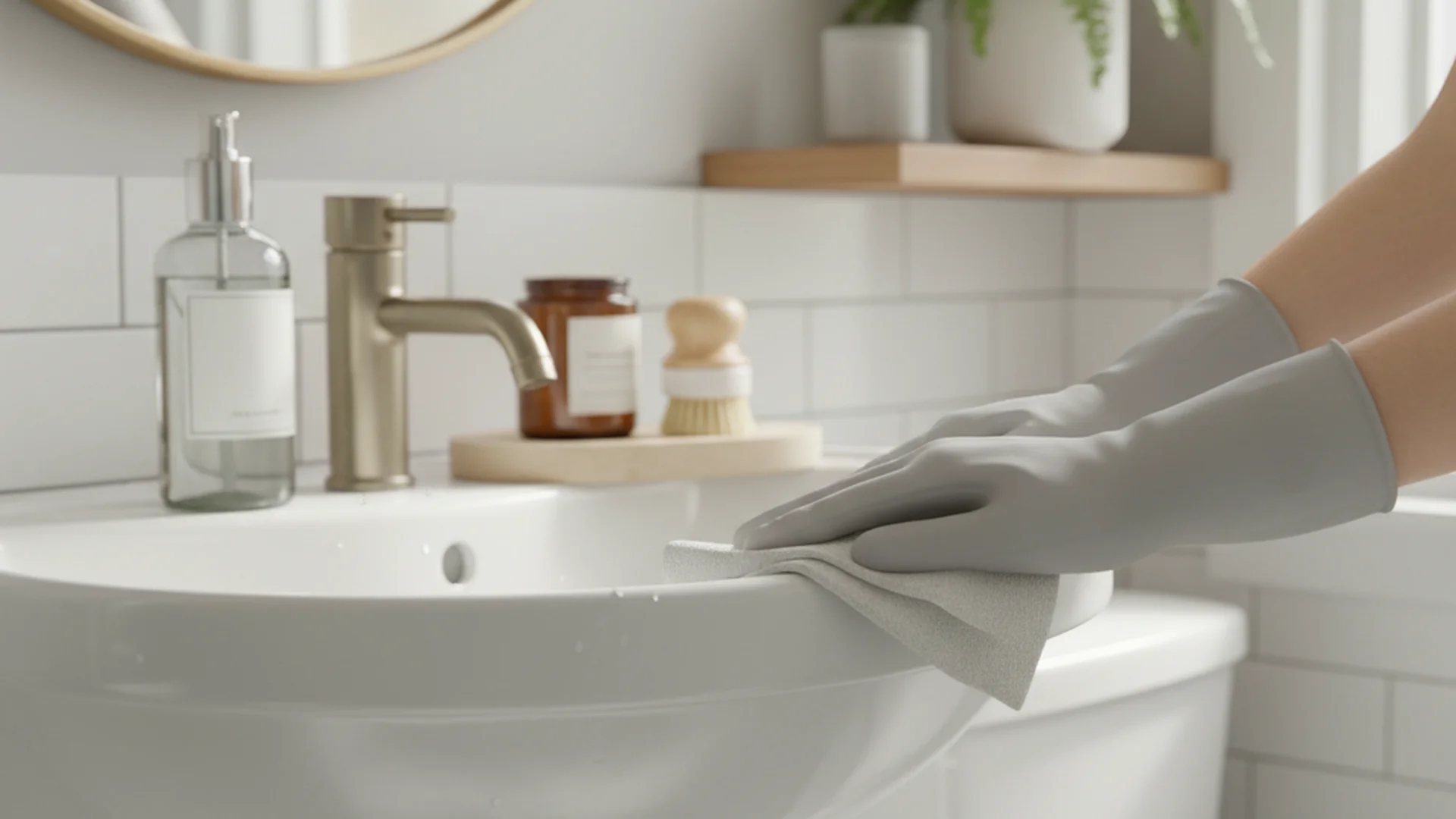
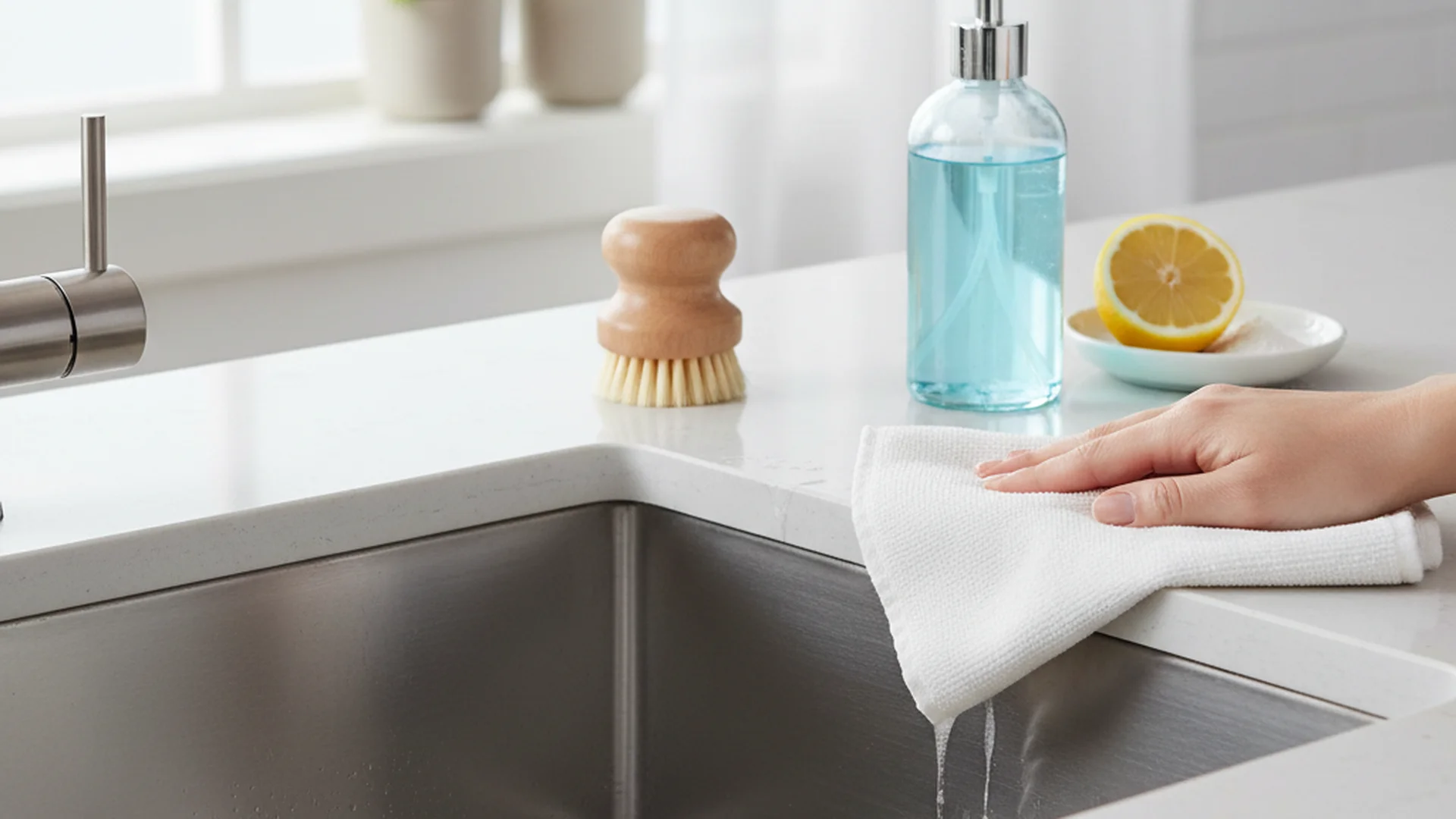
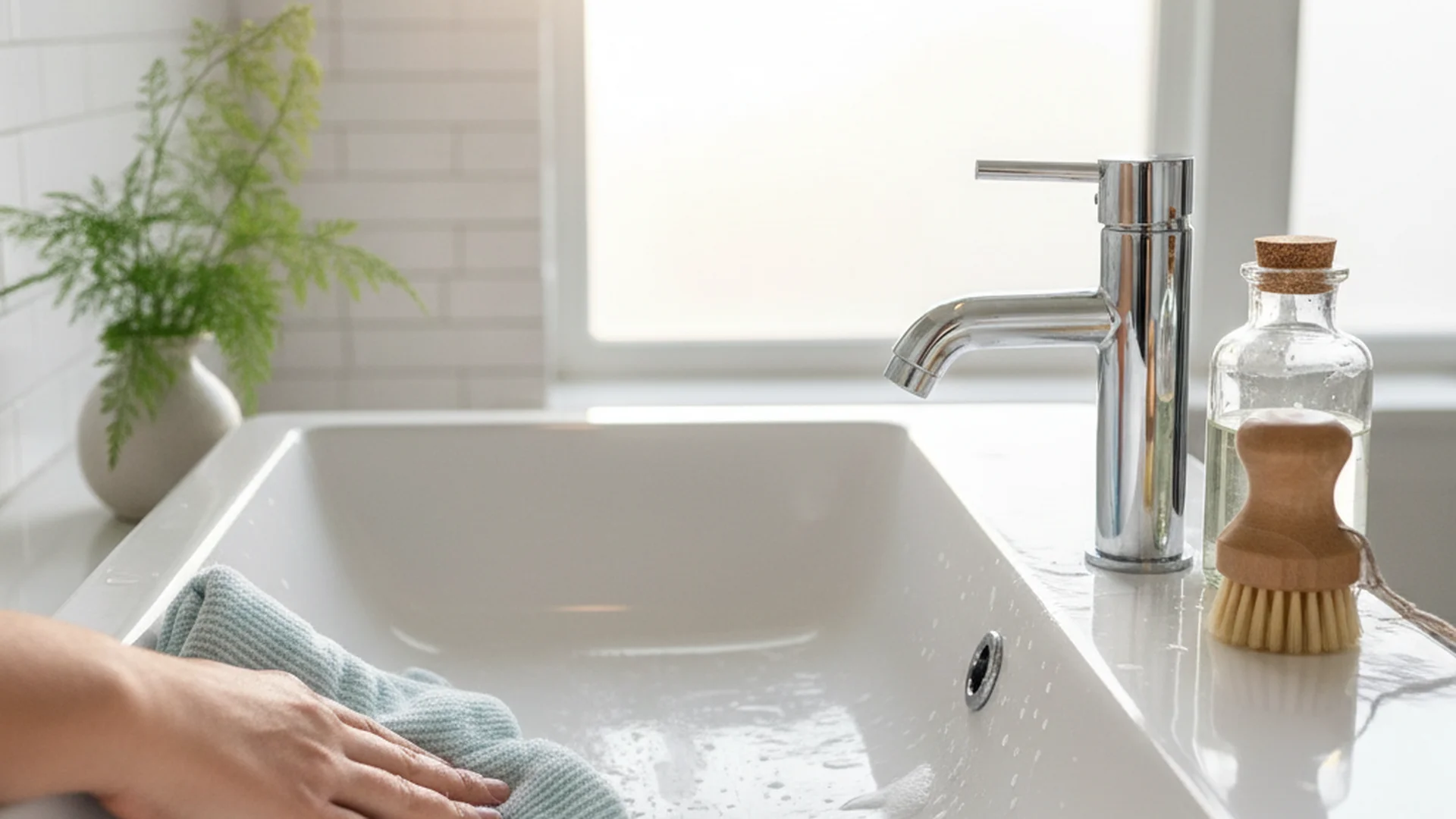
For daily maintenance, skip the heavy cleaners. Use a few drops of mild dish soap and a soft microfiber cloth. The microfiber is essential because it picks up microscopic debris without scratching the delicate glaze.
Tip: Always dry your sink with a clean towel after the final rinse of the day. This prevents hard water spots and mineral deposits from forming, which are the primary culprits behind a "dull" looking sink.
The Natural Deep Clean: The "Fizz" Method
When your sink starts to lose its luster or shows faint yellowing, it's time for a deep clean. Many people reach for bleach, but there is a safer, more effective way to whiten porcelain without the harsh fumes or risk of weakening the glaze.
How to Perform the Fizz Method
- Rinse and Prep: Wet the sink with warm water.
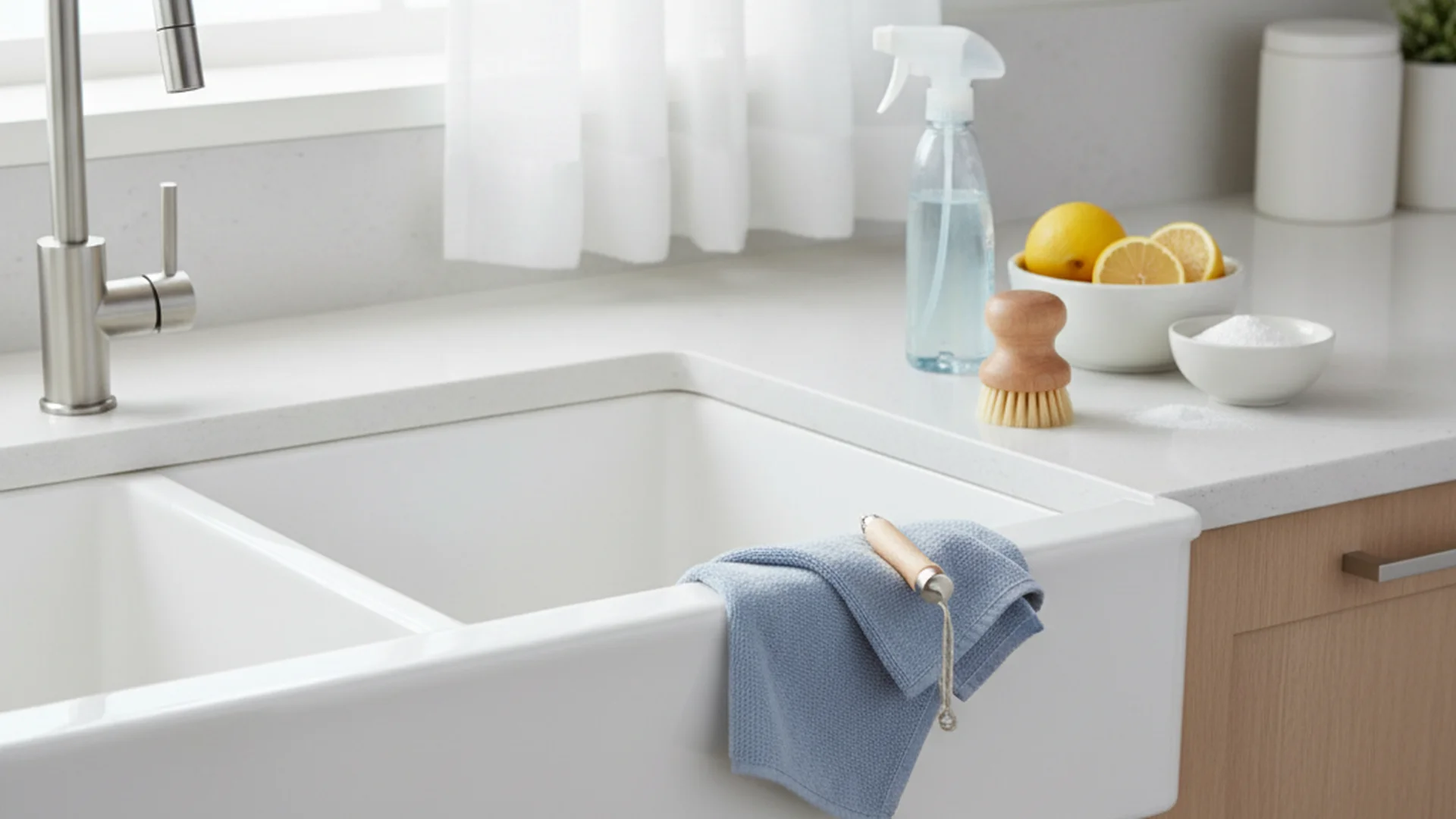
- Sprinkle: Cover the entire surface with a generous layer of baking soda. Baking soda acts as a very mild abrasive that won't create micro-scratches.
- Spray: Use a spray bottle filled with hydrogen peroxide to mist the baking soda.
- The Reaction: The resulting fizzing reaction helps lift organic stains and grime from the pores of the glaze without mechanical scrubbing.
- Sit and Rinse: Let it sit for 15 minutes, then rinse with hot water.
Success: This method is highly effective for white sinks, providing a "gentler whitening" alternative to chlorine bleach that is safer for your plumbing and the environment.
Tackling the "Tough Stuff": Rust and Metal Marks
One of the most common complaints with porcelain sinks is the appearance of "scratches" that look like grey or black lines. These are usually not scratches in the porcelain itself but "metal marks" or scuffs left behind by pots, pans, or even jewelry.
Removing Metal Scuffs
To remove these marks, you need a specialized, non-abrasive liquid cleanser. Products like liquid Bar Keepers Friend have been shown to remove up to 95% of tough stains and scuff marks without damaging the protective finish. Apply a small amount to a non-scratch sponge and rub gently in a circular motion.
Dealing with Rust
If you have old pipes, you might notice orange rust rings around the drain. For these, a paste of lemon juice and salt can work wonders. The citric acid breaks down the iron oxide, while the salt provides just enough friction to lift the stain.
Warning: Never use steel wool or green scouring pads on porcelain. These are the #1 cause of permanent "grey marks" and glaze damage, which can increase bacterial growth by up to 30% in the resulting micro-abrasions.
2025-2026 Trends: Matte Finishes and Earth Tones
While classic white remains a staple, 2026 trends show a significant shift toward sage greens, terracotta, and matte black porcelain. These specialized finishes require a different approach than traditional high-gloss white porcelain.
| Sink Type | Recommended Cleaner | What to Avoid |
|---|---|---|
| High-Gloss White | Baking Soda / Peroxide | Abrasive Powders |
| Matte Black | Diluted Castile Soap | Acidic Cleaners (Vinegar/Lemon) |
| Earth Tones (Sage/Terracotta) | Neutral pH Cleaners | Bleach |
| Integrated/Seamless | Microfiber / Mild Soap | Harsh Scrubbing at Seams |
For matte and colored sinks, avoid acidic cleaners like vinegar or lemon juice, as they can eventually dull the specialized pigments and leave the surface looking patchy.
Common Mistakes to Avoid
Even with the best intentions, many homeowners inadvertently damage their sinks. Here are the most common pitfalls:
- The "Vinegar and Baking Soda" Myth: Mixing these two sounds like a cleaning powerhouse, but they immediately neutralize each other, essentially turning into saltwater. For the best results, use baking soda to scrub first, rinse, and then use a vinegar solution for mineral removal.
- Leaving Wet Sponges in the Sink: A wet, soapy sponge sitting in the basin for hours can cause localized dulling or mineral rings. Always store your sponges in a ventilated holder.
- Assuming Porcelain is Invincible: Porcelain is hard but brittle. Dropping a heavy cast-iron skillet can cause "spiderweb" cracks (crazing) that cannot be cleaned away and may require professional resurfacing.
- Neglecting the Workstation Ledge: Modern workstation sinks have built-in ledges. These are prime spots for food particles to hide. Ensure you wipe under these ledges daily to prevent mold growth.
Note: A solution of 50% white vinegar and 50% water can eliminate 82% of common household mold species if you find growth around the drain or workstation ledges.
Real-World Examples: Porcelain Success Stories
Example 1: The Coffee Lover's Basin
A homeowner in Seattle struggled with dark rings in their white porcelain kitchen sink due to daily coffee disposal. By implementing the "Immediate Action" rule—rinsing the sink immediately after pouring out coffee—and using a weekly baking soda scrub, the stains were eliminated without the need for harsh chemicals.
Example 2: The Vintage Revival
A renovator found a 1950s pink porcelain sink covered in "scratches." Instead of replacing it, they used a non-abrasive liquid cleanser to buff out what turned out to be 70 years of metal scuff marks. A final buff with a few drops of mineral oil restored the original high-gloss shine.
Example 3: The Matte Black Challenge
A family installed a matte black porcelain sink but found it looked "cloudy" within a month. The issue was hard water deposits. By switching to a neutral pH soap and drying the sink with a microfiber cloth after every use, they maintained the deep, velvety finish.
Frequently Asked Questions
Can I use bleach on my porcelain sink?
How do I remove "metal marks" that look like scratches?
What is the best daily routine for a porcelain sink?
Are natural cleaners truly effective for porcelain?
Conclusion: Maintaining a 30-Year Shine
Cleaning a porcelain sink doesn't require an arsenal of harsh chemicals. By focusing on daily rinsing, avoiding abrasives, and using the "fizz method" for deep cleans, you can ensure your sink remains a centerpiece of your home for 20 to 30 years. Remember that porcelain is essentially a glass surface—treat it with care, keep it dry, and it will reward you with a brilliant shine for decades to come.
Success: Regular maintenance not only keeps your sink looking beautiful but also prevents the bacterial growth associated with micro-abrasions, keeping your home healthier.
Cleaning that keeps score
Every task earns points, every streak multiplies them, and Premium adds a household leaderboard plus a monthly Dustagorgon to beat.
- Free forever
- 30 badges to earn
- Up to 6 in a household
No card needed. Set up your rooms in a couple of minutes.