In this article
What you’ll learn
- The gap between the sink and counter is the primary source of odors and mold.
- Different materials (stainless steel vs. granite composite) require specific cleaning agents.
- Probiotic cleaners are the 2025 standard for long-term biofilm management.
Undermount sinks are the gold standard for modern kitchen and bathroom design. As of 2025, they command a massive 47.7% share of the U.S. market, prized for their sleek, "seamless" integration with luxury stone and quartz countertops. However, that seamless look hides a dirty secret: the "invisible" gap where the sink meets the stone. If you have ever wondered how to clean undermount sink units effectively, you aren't just fighting surface stains—you are battling a hidden ecosystem of moisture and bacteria.
In this guide, we will explore the best way clean undermount sink installations to ensure your home remains both beautiful and hygienic.
Why Undermount Sinks Require Special Care
Unlike traditional drop-in sinks, the rim of an undermount sink is glued beneath the countertop. This creates a small, often recessed ledge where food particles, soap scum, and moisture congregate. Because this area is shaded and damp, it becomes a primary breeding ground for biofilm—a slimy layer of bacteria.
Recent studies indicate that 45% of consumers are now switching to antibacterial and non-toxic cleaning routines specifically to address this moisture-trapping "gap." Neglecting this area doesn't just lead to bad smells; it can lead to adhesive failure. Replacing or repairing a sagging undermount sink costs an average of $200, making regular maintenance a financial necessity rather than just a chore.
The "Daily Dry" Rule: Your First Line of Defense
The most effective way to maintain an undermount sink is to prevent moisture from sitting at the seal. Standing water is the primary catalyst for mold growth and the eventual degradation of your silicone sealant.
Routine Maintenance Steps
- Clear the Basin: Ensure no food scraps or standing water remain in the sink after use.
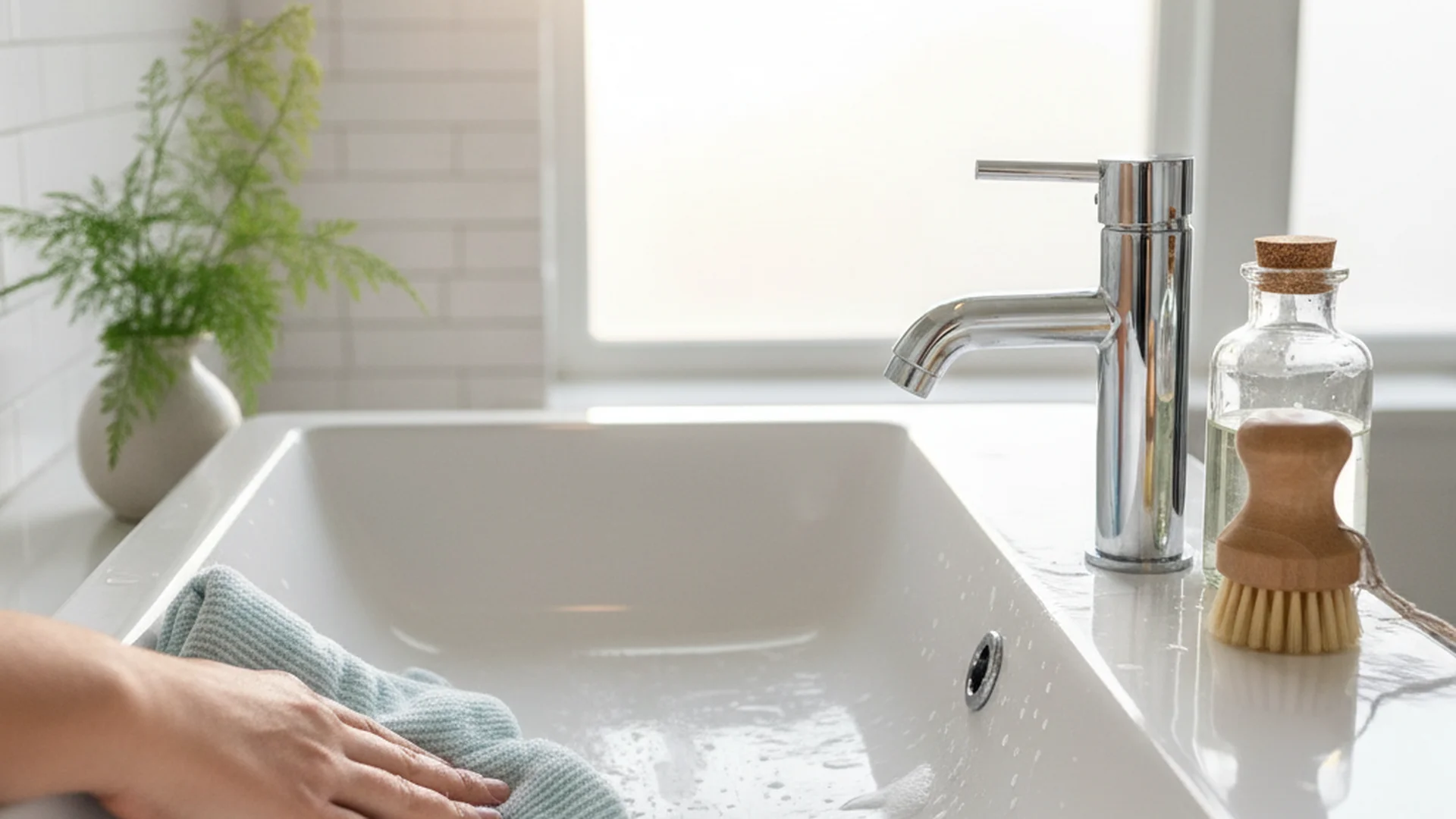
- Wipe the Overhang: Take a dry microfiber cloth and run it along the underside of the countertop where it meets the sink.
- Dry the Rim: Ensure the caulk line is dry before you walk away.
Tip: Keep a dedicated "rim cloth" under your sink. Using the same sponge you use for dishes can actually introduce more bacteria into the gap.
The "Hidden Gap" Deep Clean Strategy
The #1 pain point for homeowners is the dark line between the sink and the counter. If this area looks black or orange, you are likely looking at mold or mineral-heavy biofilm.
Tools You Will Need
- A soft-bristled toothbrush or a specialized crevice tool.
- A 1:1 solution of white vinegar and water (or a probiotic cleaner).
- Microfiber cloths.
The Process
To execute the best way clean undermount sink gaps, spray your cleaning solution directly into the crevice. Let it sit for 2–3 minutes to break down the grime. Use the toothbrush to scrub gently along the caulk line. You might be surprised—and perhaps a little horrified—by what comes out.
Warning: Avoid using metal scrapers or stiff wire brushes in the gap. These can tear the silicone sealant, leading to leaks and the dreaded "sink sag."
Material-Specific Cleaning Guide
While the gap cleaning is universal, the basin itself requires care tailored to its material. Stainless steel currently makes up 56.6% of the market, but fireclay and granite composite are rising in popularity.
Stainless Steel Sinks
Stainless steel is durable but prone to water spots and micro-scratches.
- The Method: Use mild dish soap and a soft cloth. Always scrub in the direction of the "grain" or brushed finish.
- Pro Tip: To restore the luster, apply a single drop of olive oil to a dry cloth and buff the surface after cleaning.
Granite Composite Sinks
These sinks are beautiful but can look "chalky" over time as they dry out.
- The Method: Use a pH-neutral cleaner. Avoid bleach, which can cause permanent discoloration.
- Success: Applying a thin layer of mineral oil once a month will restore the deep color and create a hydrophobic barrier that makes water bead right off.
Fireclay and Porcelain Sinks
These are non-porous and resist stains well, but they can chip if handled roughly.
- The Method: For tough coffee or wine stains, create a paste of baking soda and water. Let it sit for 10 minutes, then scrub with a soft sponge.
Note: White fireclay sinks show stains more easily than others, but they are actually more resistant to deep staining than older ceramic models due to their high-density construction.
The 2025 Tech Revolution: Probiotic Cleaners
In 2025 and 2026, the cleaning industry has shifted toward "Probiotic Cleaning." Brands like Frigidare ReadyClean and Hyve have introduced cleaners that use beneficial bacteria to consume organic waste.
Why does this matter for undermount sinks? Unlike traditional sprays that stop working the moment they dry, probiotic cleaners stay active in the sink gap for up to 72 hours. They literally "eat" the biofilm in the hidden crevices where your toothbrush can't reach. If you struggle with persistent sink odors, switching to a probiotic concentrate is a game-changer.
Real-World Examples of Sink Maintenance
Example 1: The "Ghost Smell" Case
A client of mine, Sarah, complained that her kitchen always smelled like "wet dog" despite a spotless sink. Upon inspection, the basin was clean, but the underside of the granite overhang was coated in black mold. By implementing the toothbrush and vinegar method twice a week, the smell vanished within days.
Example 2: The Dull Granite Recovery
A homeowner in a high-mineral water area found their black composite sink turned grey and cloudy. By switching from harsh abrasive cleaners to a simple pH-neutral soap followed by a mineral oil buffing, the sink regained its "showroom" shine and became significantly easier to wipe down.
Example 3: The Sagging Sealant
A DIY enthusiast used heavy-duty industrial drain cleaners monthly. The corrosive chemicals ate away at the adhesive bond between the sink and the quartz. The sink eventually sagged by a quarter-inch, requiring a professional $250 re-mounting. This highlights why avoiding harsh chemicals is a maintenance necessity.
Common Mistakes to Avoid
- Using Abrasive Pads: Steel wool creates micro-scratches on stainless steel and stone. These scratches act as "anchors" for bacteria, making the sink harder to clean in the long run.
- Neglecting the Caulk: Silicone doesn't last forever. If your caulk is black and scrubbing doesn't help, the mold is likely behind the sealant. It’s time to strip and re-caulk (usually every 3–5 years).
- Using Bleach on Granite: Bleach is too harsh for most stone composites and can lead to white "blooming" spots that are impossible to remove.
- Ignoring Workstation Ledges: Modern workstation sinks have integrated tracks for cutting boards. These tracks are debris magnets and need to be scrubbed weekly.
Frequently Asked Questions
How do I clean the gap between the sink and the counter?
Are white undermount sinks harder to keep clean?
Can I use bleach in an undermount sink?
Why does my sink smell even when it looks clean?
Conclusion
Cleaning an undermount sink is less about the basin and more about the "hidden" areas that the design creates. By adopting the "Daily Dry" rule and performing a weekly deep clean of the gap with a soft brush, you can prevent mold, eliminate odors, and protect your investment. Whether you have a classic stainless steel model or a modern granite composite workstation, the key is consistency and the right tools.
Success: Regular maintenance not only keeps your kitchen smelling fresh but also extends the life of your countertop's adhesive, saving you hundreds in repair costs.
Cleaning that keeps score
Every task earns points, every streak multiplies them, and Premium adds a household leaderboard plus a monthly Dustagorgon to beat.
- Free forever
- 30 badges to earn
- Up to 6 in a household
No card needed. Set up your rooms in a couple of minutes.