In this article
What you’ll learn
- Limescale buildup can reduce energy efficiency by up to 12%.
- Citric acid is the expert-recommended choice for odorless descaling.
- Never submerge an electric kettle base or use abrasive steel wool.
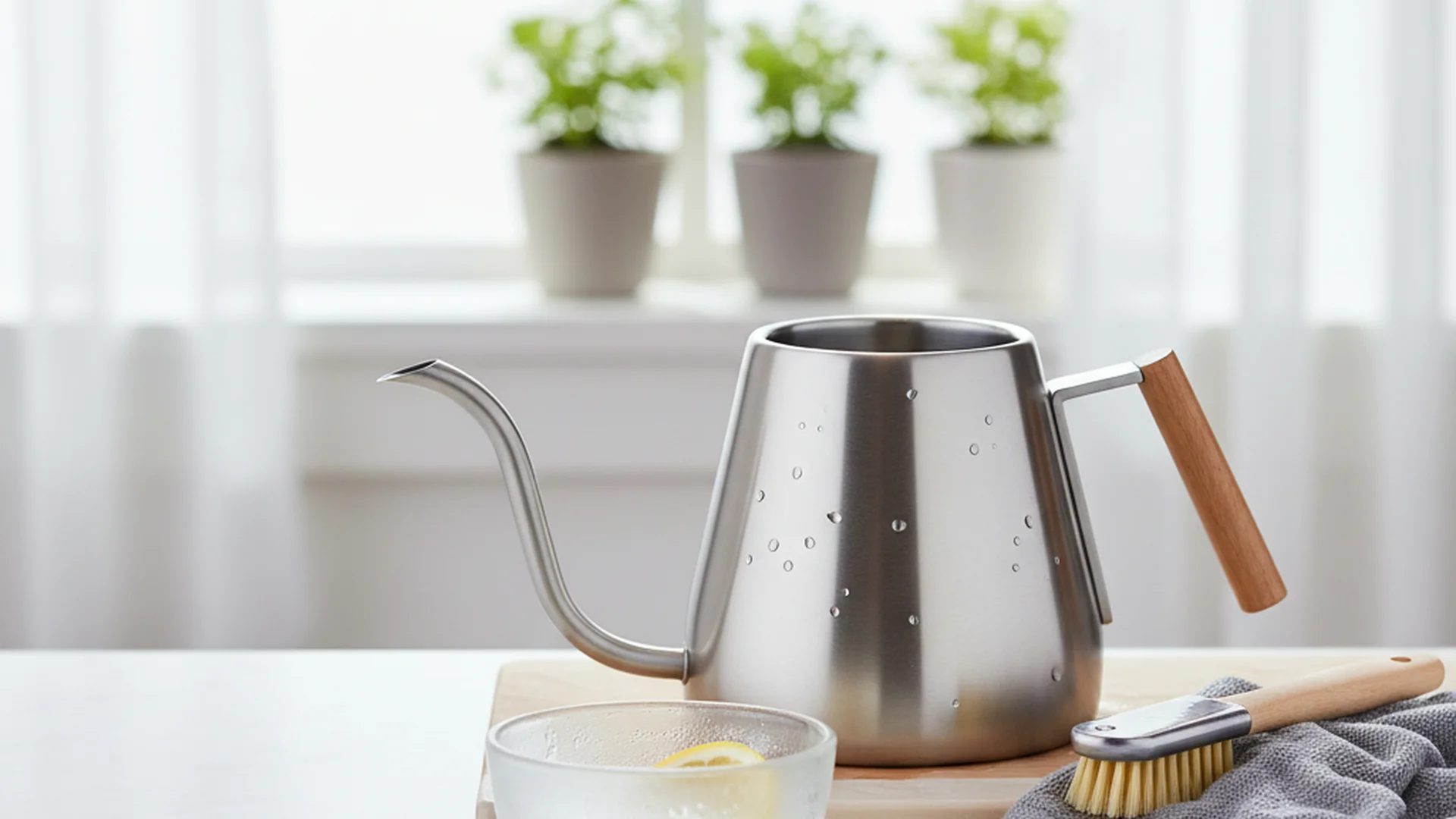
There is nothing quite like the ritual of brewing a fresh cup of tea. Whether it is a morning Earl Grey or an evening chamomile, the quality of your water and the cleanliness of your vessel dictate the final flavor. However, if you have noticed white flakes at the bottom of your cup or your water is taking longer than usual to boil, it is time to learn how to clean tea kettle properly.
Maintaining a clean kettle isn't just about aesthetics or taste—it is also a matter of efficiency and appliance longevity. As minerals from your tap water accumulate, they form a stubborn layer known as limescale. In this guide, we will explore the best natural methods to restore your kettle to its former glory, from using pantry staples to adopting the latest 2026 cleaning technologies.
The Science of Limescale: Why Cleaning Matters
Before we dive into the "how," we must understand the "why." If you live in a household with hard water—which accounts for approximately 85% of homes in the United States—your kettle is under constant mineral attack.
Limescale, primarily composed of calcium carbonate, acts as a powerful insulator. A layer of scale sitting between the heating element and the water slows the transfer of heat, which means your kettle works harder, stays on longer, and costs you more in electricity bills.
Furthermore, while the act of boiling water kills most pathogens, the porous structure of mineral buildup can actually trap organic matter. Regular descaling doesn't just improve your tea; it protects your investment.
How to Clean Tea Kettle Without Chemicals
Many people are wary of using harsh industrial descalers in an appliance used for food and drink. Fortunately, you can effectively clean tea kettle without chemicals by using natural acids found in your kitchen.
The Citric Acid Method (Expert Choice)
In 2025 and 2026, home organization experts have shifted their top recommendation from vinegar to citric acid. Citric acid is highly effective, relatively inexpensive, and, most importantly, completely odorless.
- Fill and Boil: Fill your kettle halfway with water and bring it to a boil.
- Add Acid: Once boiled, add 1 to 2 tablespoons of food-grade citric acid powder.
- Wait: Let the solution sit for 20 minutes. You will likely see the limescale fizzing away.
- Rinse: Empty the kettle and rinse thoroughly with cold water.
Success: This method is the fastest way to remove heavy mineral deposits without leaving behind a lingering scent that might ruin your next delicate cup of green tea.
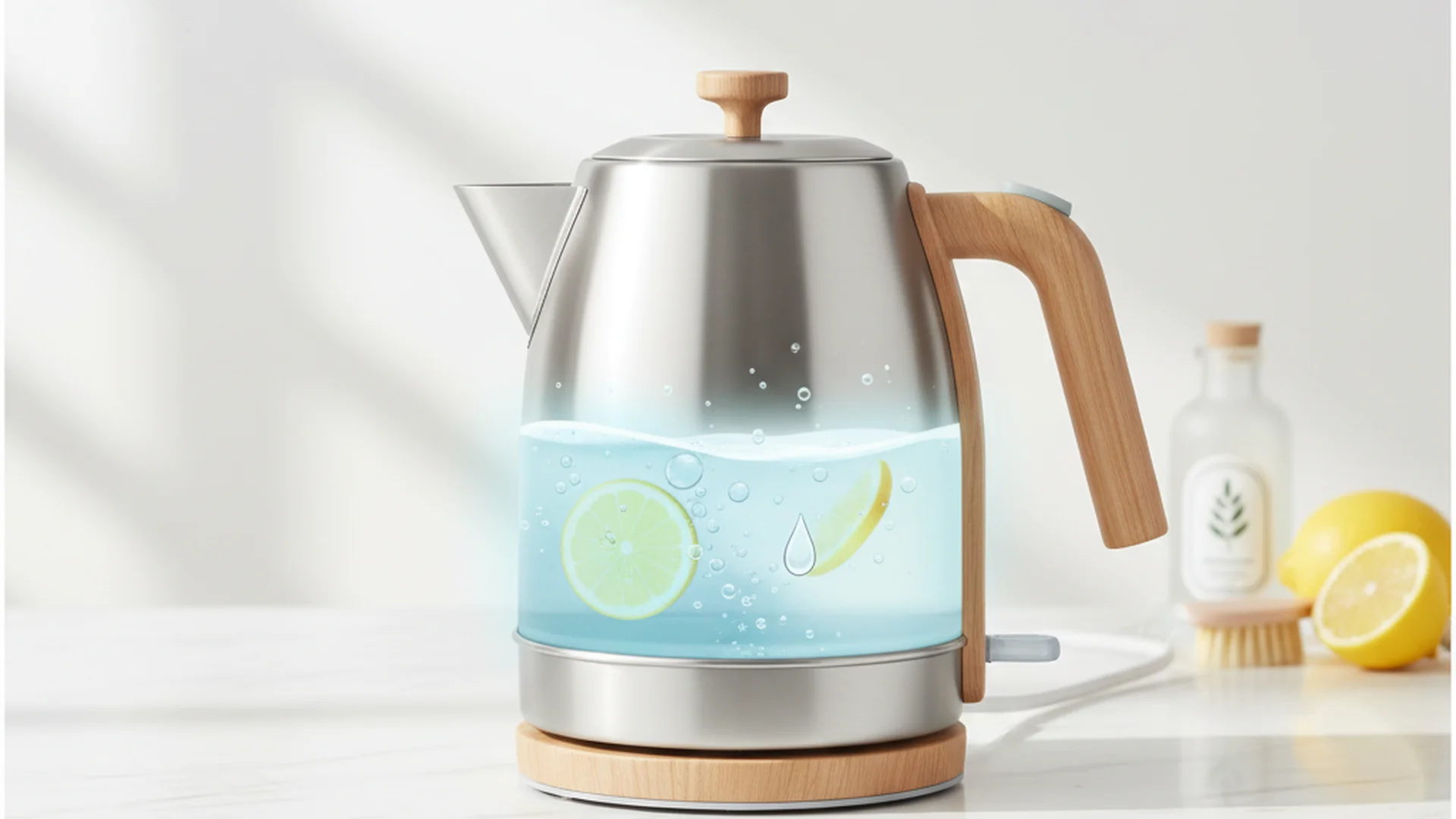
The Lemon Method
If you don't have citric acid powder, fresh lemons are a fantastic alternative for a light cleaning.
- Slice two lemons and place them inside the kettle.
- Fill the kettle with water until the slices are submerged.
- Boil the water and let it sit for one hour.
- Scrub the interior gently with a non-abrasive cloth and rinse.
The Classic Vinegar Method
If you prefer using what you already have in the pantry, the process to clean tea kettle vinegar style is a tried-and-true classic. It is particularly effective for heavy buildup that has been sitting for months.
Step-by-Step Vinegar Descaling
- Mix the Solution: Create a 1:1 ratio of white distilled vinegar and water. Fill the kettle about halfway or three-quarters full, ensuring all limescale spots are covered.
- Boil: Turn the kettle on and bring the solution to a rolling boil.
- Soak: Once it boils, turn it off and let it sit. For light buildup, 30 minutes is enough. For heavy crusting, let it sit for a full hour.
- Scrub: Use a soft-bristled, non-metallic brush to gently dislodge any loosened flakes.
- Neutralize the Odor: This is the most important step. Rinse the kettle multiple times. If the vinegar smell persists, boil a fresh pot of water with a tablespoon of baking soda to neutralize the acidity, then boil one last pot of plain water.
Warning: Never use brown vinegar or balsamic vinegar, as the sugars and colors can stain the interior and leave a permanent residue.
Specialized Care for Different Kettle Types
Not all kettles are created equal. Depending on the material and power source, you may need to adjust your approach.
| Kettle Type | Best Cleaning Agent | Exterior Care |
|---|---|---|
| Electric (Stainless) | Citric Acid | Microfiber + Drop of Olive Oil |
| Stovetop (Enamel) | Vinegar + Baking Soda | Baking Soda Paste for Grease |
| Glass | Lemon / Citric Acid | Diluted Vinegar Spray |
| Copper | Citric Acid | Lemon + Salt Scrub |
Electric Kettle Safety
When cleaning an electric kettle, the most common mistake is forgetting that it is an electrical appliance.
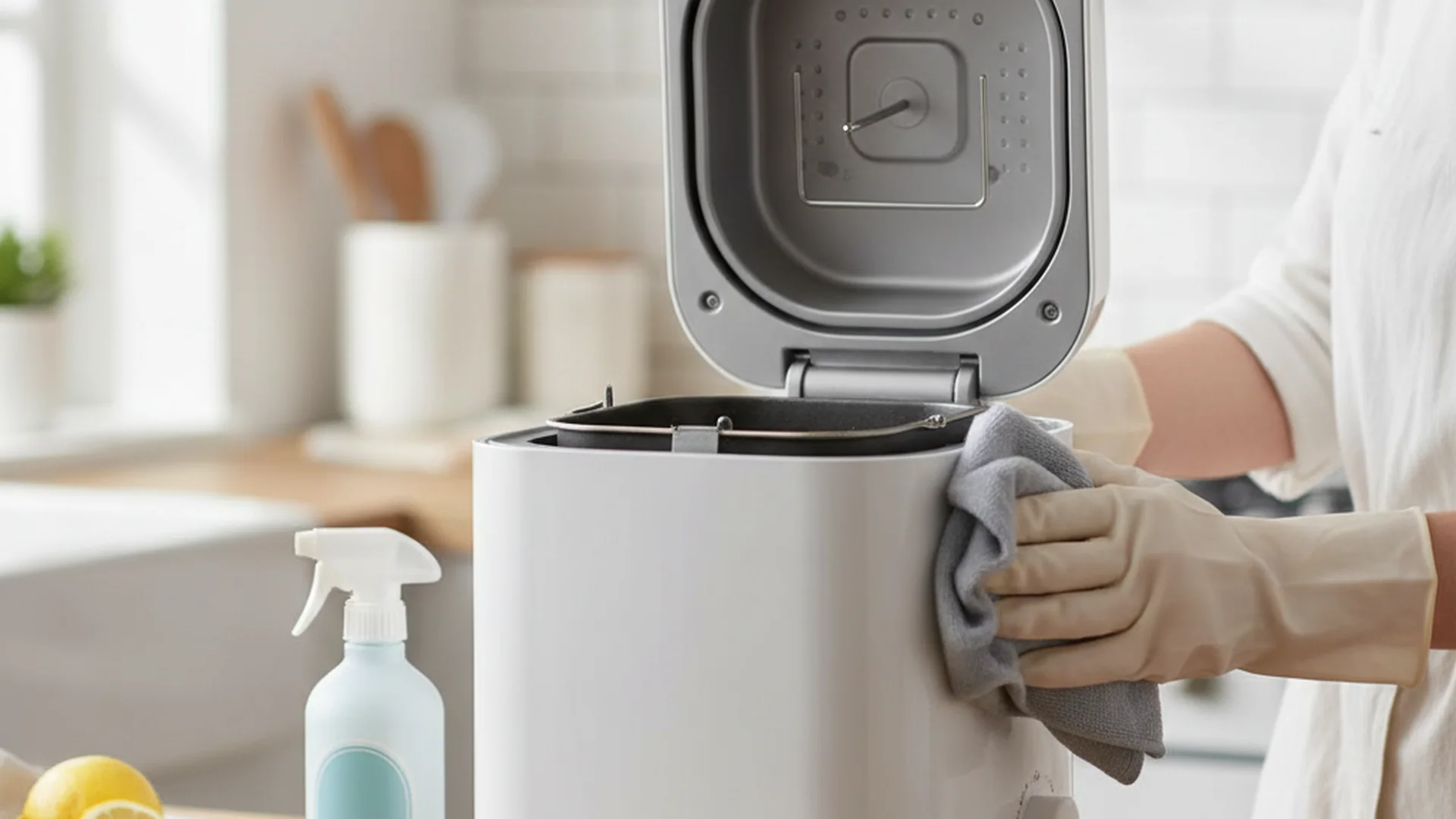
Warning: Never submerge the base of an electric kettle or the kettle itself in water. This can short-circuit the internal wiring and pose a significant fire hazard. Always unplug the unit before cleaning the exterior.
Glass Kettle Maintenance
Glass kettles are beautiful but show every watermark. To keep them sparkling, avoid using any abrasive sponges. Even the "soft" side of some sponges can create micro-scratches that make the glass look cloudy over time. Stick to microfiber cloths and liquid solutions.
Common Mistakes to Avoid
Even seasoned cleaners can make mistakes that shorten the lifespan of their appliances. Here are the top pitfalls to avoid:
- Using Steel Wool: Using abrasive scrubbers creates micro-scratches on stainless steel or glass. These scratches provide more surface area for limescale to grip onto in the future, making the problem worse.
- Neglecting the Filter: Most modern kettles feature a small mesh filter at the spout. If you descale the body but forget the filter, mineral flakes will still end up in your mug. Remove and soak the filter in your cleaning solution alongside the kettle.
- The "Boiling Cleans It" Myth: Many believe that boiling water "cleans" the kettle by killing germs. In reality, boiling water concentrates minerals. Every time you boil water and let the leftovers sit, the mineral concentration increases as pure water evaporates.
2026 Trends in Kettle Maintenance
The world of home appliances is evolving, and kettle maintenance is no exception. In 2025 and 2026, we have seen several new trends:
- Smart Maintenance Alerts: High-end brands like Fellow and Breville now include "Descale Notification" sensors. These track the volume of water processed and alert you via an LED light or smartphone app when it is time for a deep clean.
- Ultrasonic Cleaning Wands: For high-end glass kettles, small portable ultrasonic "wands" have entered the market. These use high-frequency vibrations to dislodge mineral deposits without any chemicals at all.
- Eco-Friendly Descaling Pods: There is a major shift toward plastic-free, plant-derived descaling tablets that offer the power of citric acid in a pre-measured, mess-free format.
Note: If you are buying a new kettle in 2026, look for models with a "seamless" interior, which eliminates the crevices where scale typically hides.
Real-World Examples of Kettle Care
- The Hard Water Household: A family in Phoenix, Arizona, noticed their electric kettle was "screaming" (making a high-pitched whistle) during boils. After a 30-minute soak with citric acid, the noise vanished. The culprit was scale buildup on the heating element causing uneven heating.
- The Office Breakroom: A shared office kettle had a permanent vinegar smell because of improper rinsing. The solution was a "Baking Soda Reset"—boiling water with two tablespoons of baking soda to neutralize the lingering acid.
- The Tea Connoisseur: A glass gooseneck kettle user switched to using a "ZeroWater" filter to fill their kettle. By removing minerals before they entered the kettle, they reduced their deep-cleaning frequency from once a month to once a year.
Frequently Asked Questions
Is the white flaky stuff in my kettle dangerous?
How often should I clean my kettle?
Can I use bleach to clean my kettle?
Why does my electric kettle keep switching off before the water boils?
Conclusion
Mastering how to clean tea kettle is a simple yet rewarding skill that improves your morning routine and saves you money. By using natural methods like citric acid or vinegar, you can ensure your appliance runs efficiently and your tea tastes exactly as intended. Remember that prevention is just as important as cleaning; try to get into the "Empty Habit" by discarding unused water after every use to prevent minerals from settling.
Success: Regular maintenance can extend the life of your electric kettle by 3 to 5 years, preventing the heating element from burning out prematurely.
Cleaning that keeps score
Every task earns points, every streak multiplies them, and Premium adds a household leaderboard plus a monthly Dustagorgon to beat.
- Free forever
- 30 badges to earn
- Up to 6 in a household
No card needed. Set up your rooms in a couple of minutes.