In this article
What you’ll learn
- Regular maintenance extends machine lifespan from 3 years to over 15 years.
- Never submerge the kettle in water as it destroys the electrical heating elements.
- Natural solutions like vinegar and baking soda are highly effective for most surfaces.
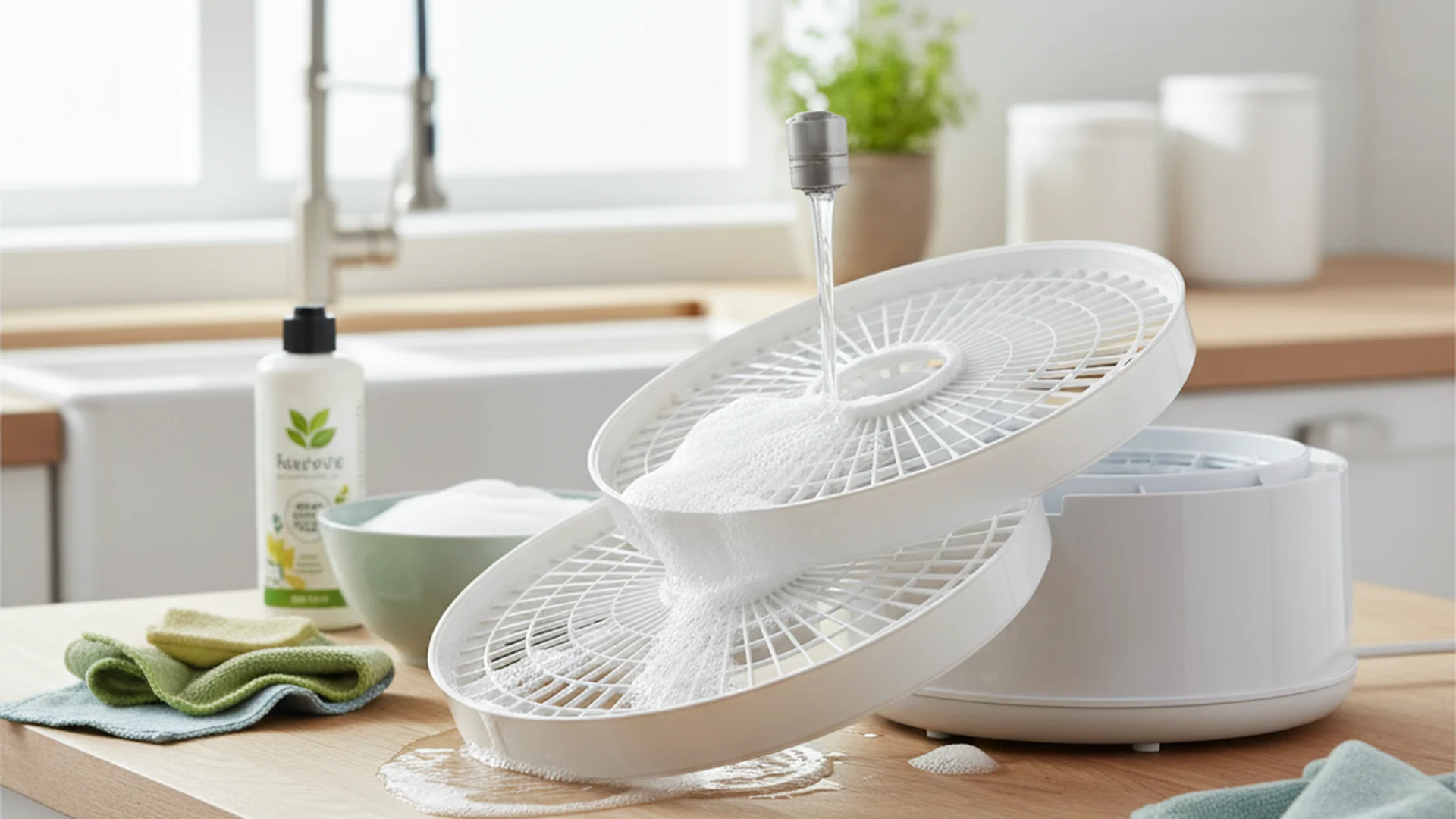
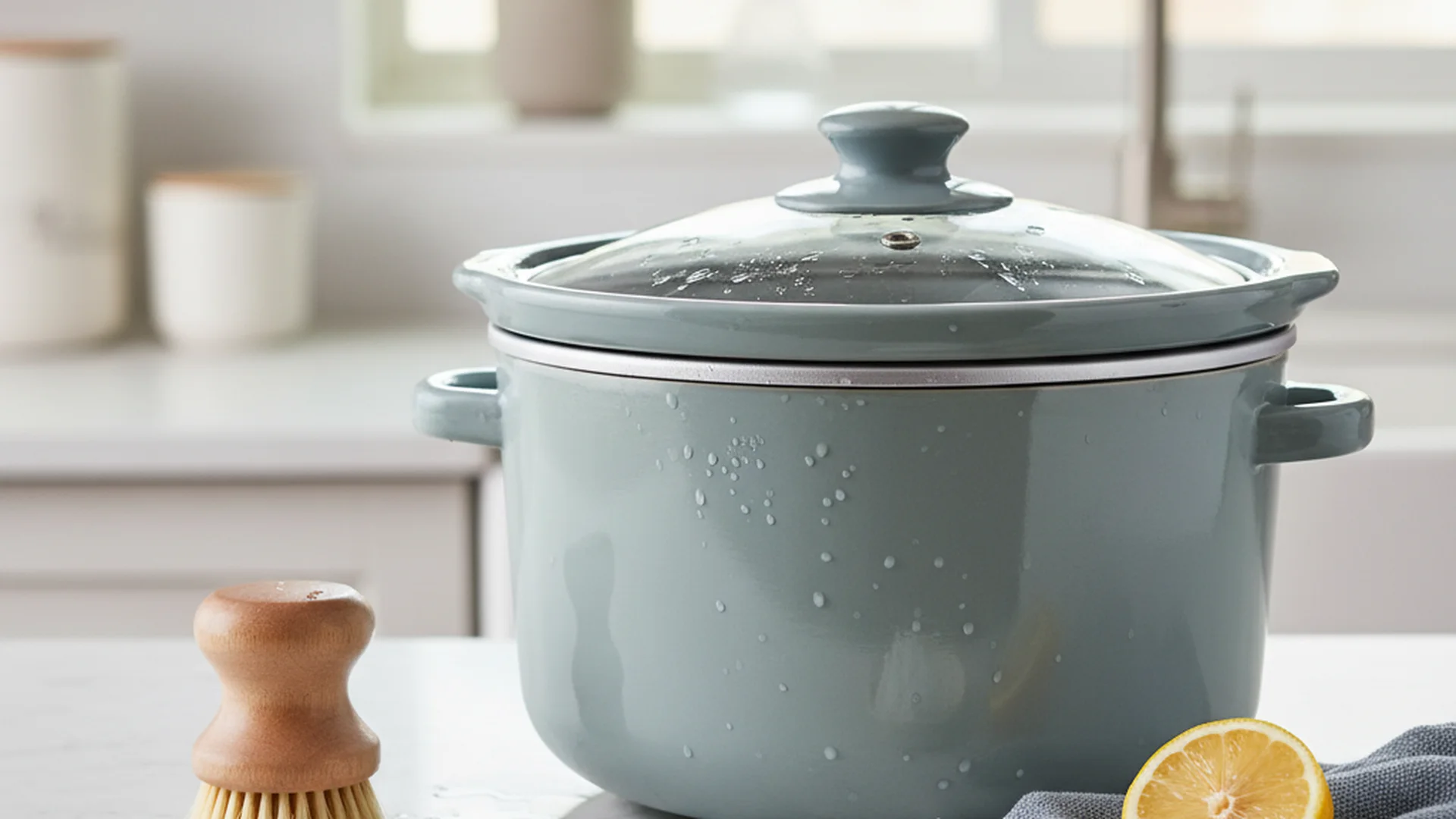
There is nothing quite like the aroma of fresh, buttery popcorn filling a room. Whether you are running a commercial concession stand or enjoying a dedicated home theater, your popcorn machine is the heart of the experience. However, that delicious snack leaves behind a stubborn legacy: carbonized oil, salt buildup, and grease. If you don't know how to clean popcorn maker units properly, that "movie theater smell" can quickly turn into a rancid, smoky odor that ruins your snacks and damages your equipment.
In this guide, we will explore the professional techniques used to keep these machines in top condition, ensuring your popcorn stays crisp and your appliance lasts for decades.
Why Cleaning Your Popcorn Maker Matters
Many owners view cleaning as a secondary chore, but it has an outsized effect on how long the machine survives. A well-maintained commercial popcorn maker can last between 5 to 15 years. In contrast, neglected units often fail within just 2 to 3 years. The primary culprit is "carbonization"—the process where oil is repeatedly heated until it forms a hard, black crust. This crust acts as an insulator, forcing the heating elements to work harder and eventually burn out.
Beyond the machinery, there is the health aspect. "Inadequate equipment sanitization" is a common health code violation for concession stands. By sticking to a daily cleaning routine, you ensure every kernel is safe for consumption.
Essential Cleaning Supplies
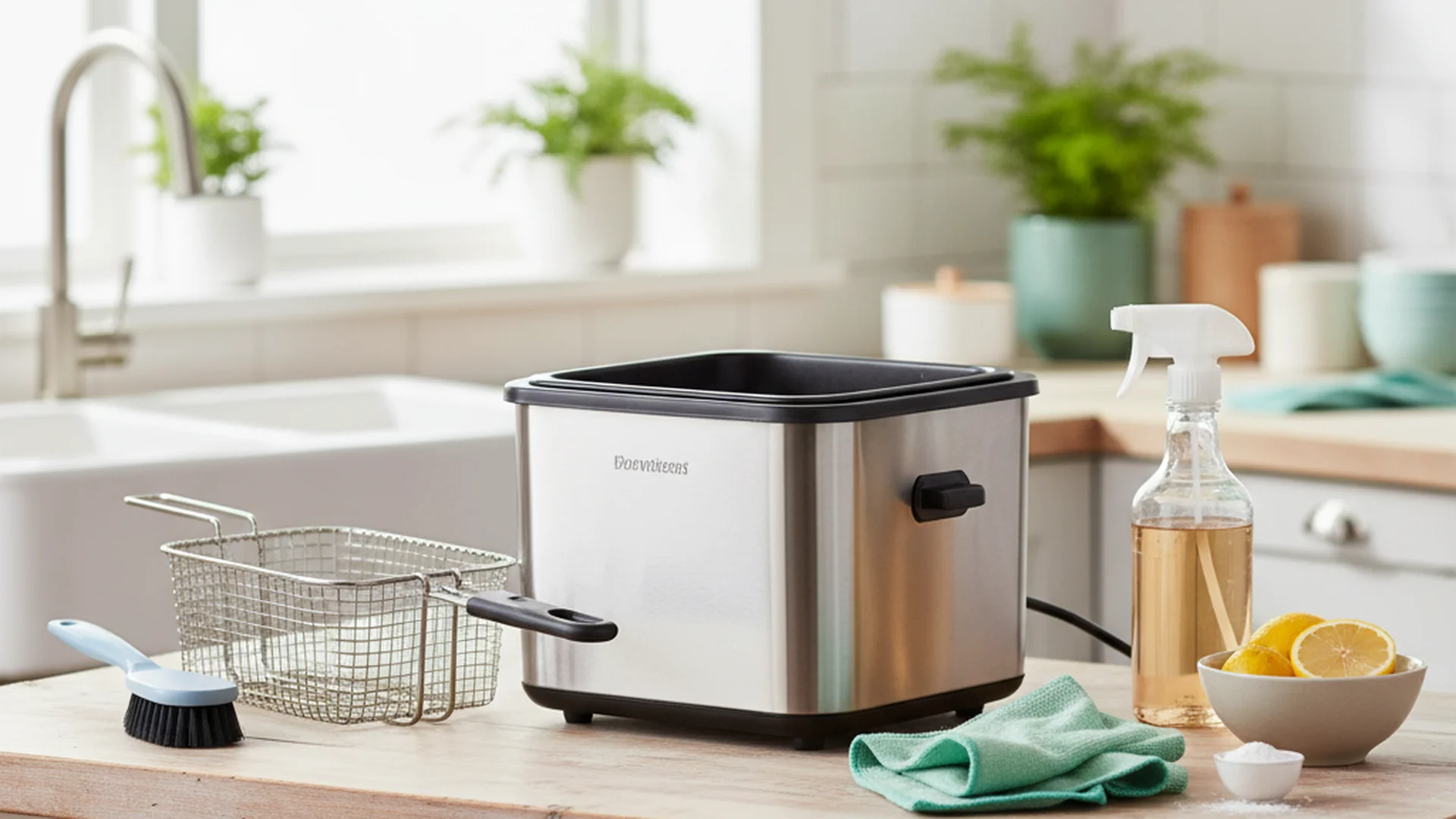
Before we dive into the process, gather the following supplies. We prioritize methods to clean popcorn maker without chemicals where possible to ensure food safety.
| Item | Purpose |
|---|---|
| White Vinegar | Natural degreaser for glass and stainless steel |
| Baking Soda | Abrasive-yet-gentle paste for burnt-on grease |
| Distilled Water | Prevents mineral clouding on glass surfaces |
| Microfiber Cloths | Soft cleaning without scratching surfaces |
| Soft-Bristle Brush | Reaching into corners and hinges |
Step-by-Step: How to Clean Popcorn Maker Kettles
The kettle is the "engine room" of the machine. It experiences the highest heat and the most oil contact.
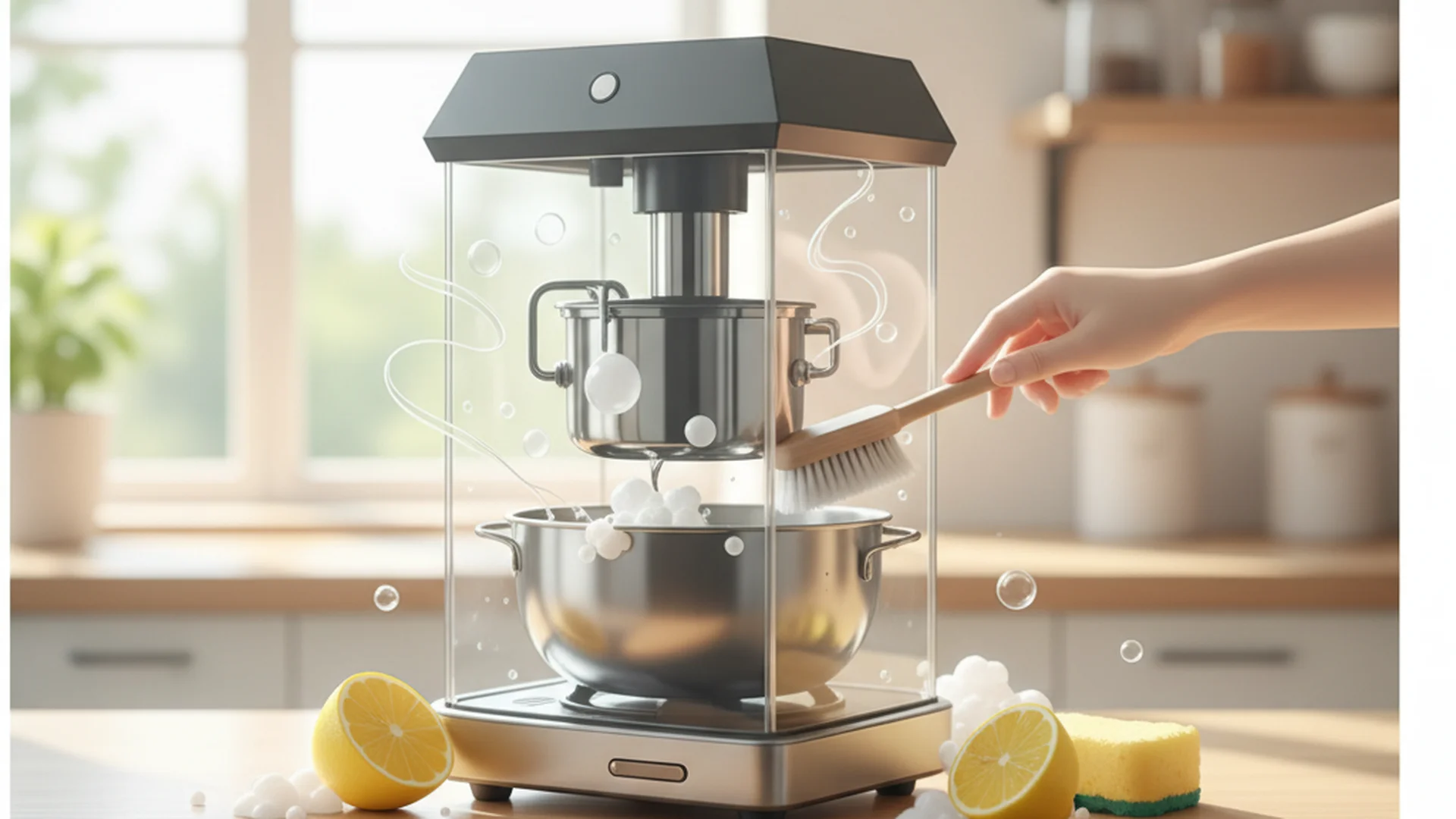
The "Boil-Out" Method for Deep Cleaning
For commercial-grade kettles or home units with significant buildup, the "boil-out" is the gold standard.
- Fill the Kettle: Fill the kettle about halfway with water.
- Add Cleaner: Add a specialized cleaner or two tablespoons of baking soda.
- Boil: Turn on the kettle heat and bring the water to a boil.
- Soak: Once boiling, turn off the heat and let it sit for 30 minutes. This loosens the carbonized grease that scrubbing alone won't touch.
- Drain and Wipe: Carefully pour out the water (it will be dark brown/black) and wipe the interior with a microfiber cloth.
Warning: Never submerge the kettle or the motor base in water. Even if the kettle is removable, it contains sensitive electrical components. Submerging it is the #1 cause of short-circuiting.
How to Clean Popcorn Maker Glass and Cabinets
The glass walls of your machine are prone to "clouding" from oil vapor. To maintain that crystal-clear look, you can clean popcorn maker vinegar solutions easily.
Using Vinegar for a Streak-Free Shine
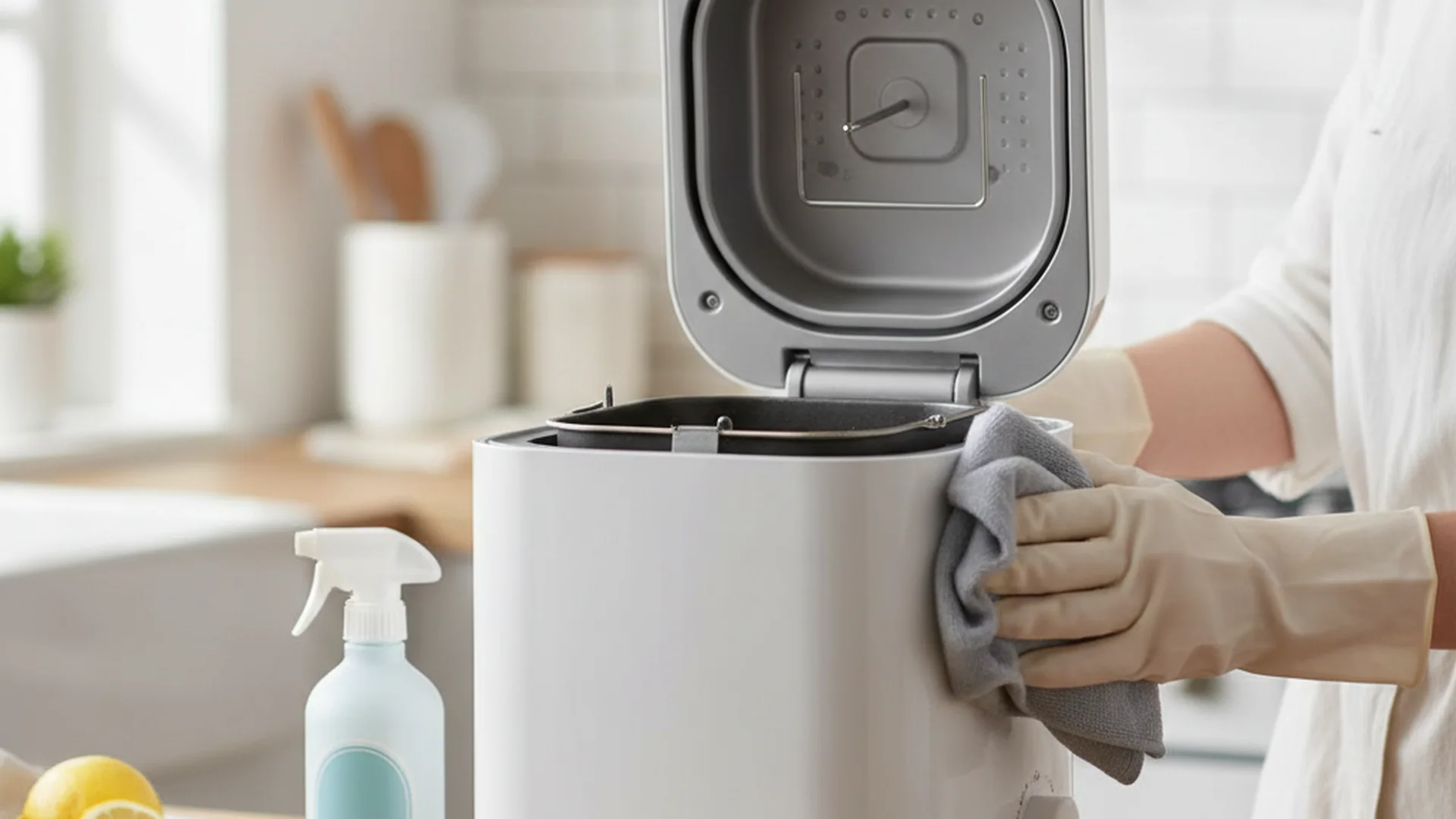
Create a 50/50 solution of white vinegar and distilled water in a spray bottle. Spray the solution onto a microfiber cloth rather than directly onto the machine to prevent liquid from seeping into the electrical tracks.
Tip: Use distilled water instead of tap water. Tap water contains minerals that can leave "hard water spots" or a cloudy film on the glass over time.
Real-World Example: The Cinema Experience
A local independent cinema in Seattle recently reported that switching from ammonia-based cleaners to a simple vinegar and distilled water mix reduced their monthly maintenance costs by 15% and eliminated the "chemical smell" that customers complained about during morning matinees.
Removing Burnt-On Yellow Grease
If you have stubborn yellow stains on the bottom tray or around the kettle rim, standard wiping won't work.
- Make a Paste: Mix 3 parts baking soda with 1 part water.
- Apply: Spread the paste over the yellowed areas.
- Wait: Let it sit for 10 to 15 minutes.
- Scrub: Use a non-abrasive sponge or cloth to gently rub the area. The baking soda acts as a mild abrasive to lift the oil without scratching the metal.
Success: This method is the safest way to restore the luster of stainless steel components without using harsh industrial degreasers.
Recent Trends: The Future of Popcorn Machine Maintenance (2025-2026)
As we move into 2025 and 2026, the technology behind these machines is evolving to make cleaning easier:
- AI-Integrated Maintenance: Modern high-end models now feature IoT (Internet of Things) sensors. These sensors track "popping cycles" and oil temperature, sending an alert to your smartphone when a deep clean or boil-out is strictly necessary.
- Self-Cleaning Kettles: New "E-Z Kleen" technology uses automated steam-injection systems to sanitize the interior at the touch of a button, reducing manual labor by 70%.
- Eco-Friendly Pre-Portions: 2026 is seeing a surge in "Clean-Packs"—pre-portioned kits using high-stability oils like MCT or coconut oil, which leave 30% less residue than traditional soybean oils.
Common Mistakes to Avoid
As a professional cleaning consultant, I see the same errors repeated by homeowners and business owners alike. Avoid these to protect your investment:
1. Using Ammonia on Glass or Acrylic
Many modern machines use tempered glass or high-impact acrylic. Using standard glass cleaners with ammonia can cause "crazing" (tiny internal cracks) or permanent clouding. Always stick to vinegar or food-safe cleaners.
2. "Seasoning" the Kettle
A common misconception is that popcorn kettles should be "seasoned" like a cast iron skillet. This is false. Leaving old oil behind leads to rancidity and carbon buildup, which will eventually flake off into your food as black specks.
3. Using Steel Wool or Abrasive Pads
While it is tempting to scrub that burnt spot with a wire pad, don't. Steel wool creates microscopic scratches. These scratches provide "anchors" for future oil and salt to stick to, making your next cleaning session twice as hard.
Note: If you see "pitting" in your kettle (small holes or divots), it is usually a sign that abrasive cleaning tools have stripped the protective coating.
Frequently Asked Questions
Can I use vinegar to clean my popcorn maker?
How often should I deep clean the machine?
Is dish soap safe for all parts?
How do I remove the "smoky" smell from my machine?
Conclusion
Knowing how to clean popcorn maker equipment is the difference between a machine that lasts for two years and one that becomes a family heirloom or a long-term business asset. By utilizing natural cleaners like vinegar and baking soda, performing regular boil-outs, and avoiding abrasive tools, you ensure your popcorn always tastes fresh and your machine runs efficiently.
Success: Regular maintenance not only improves food flavor but can also reduce the energy consumption of modern "Smart" machines by up to 20% by keeping heating elements clear.
Cleaning that keeps score
Every task earns points, every streak multiplies them, and Premium adds a household leaderboard plus a monthly Dustagorgon to beat.
- Free forever
- 30 badges to earn
- Up to 6 in a household
No card needed. Set up your rooms in a couple of minutes.