In this article
What you’ll learn
- Cleaning your heater noticeably improves its heating efficiency.
- Always unplug and wait 30 minutes for the unit to cool before cleaning.
- Never use water on internal electrical components.
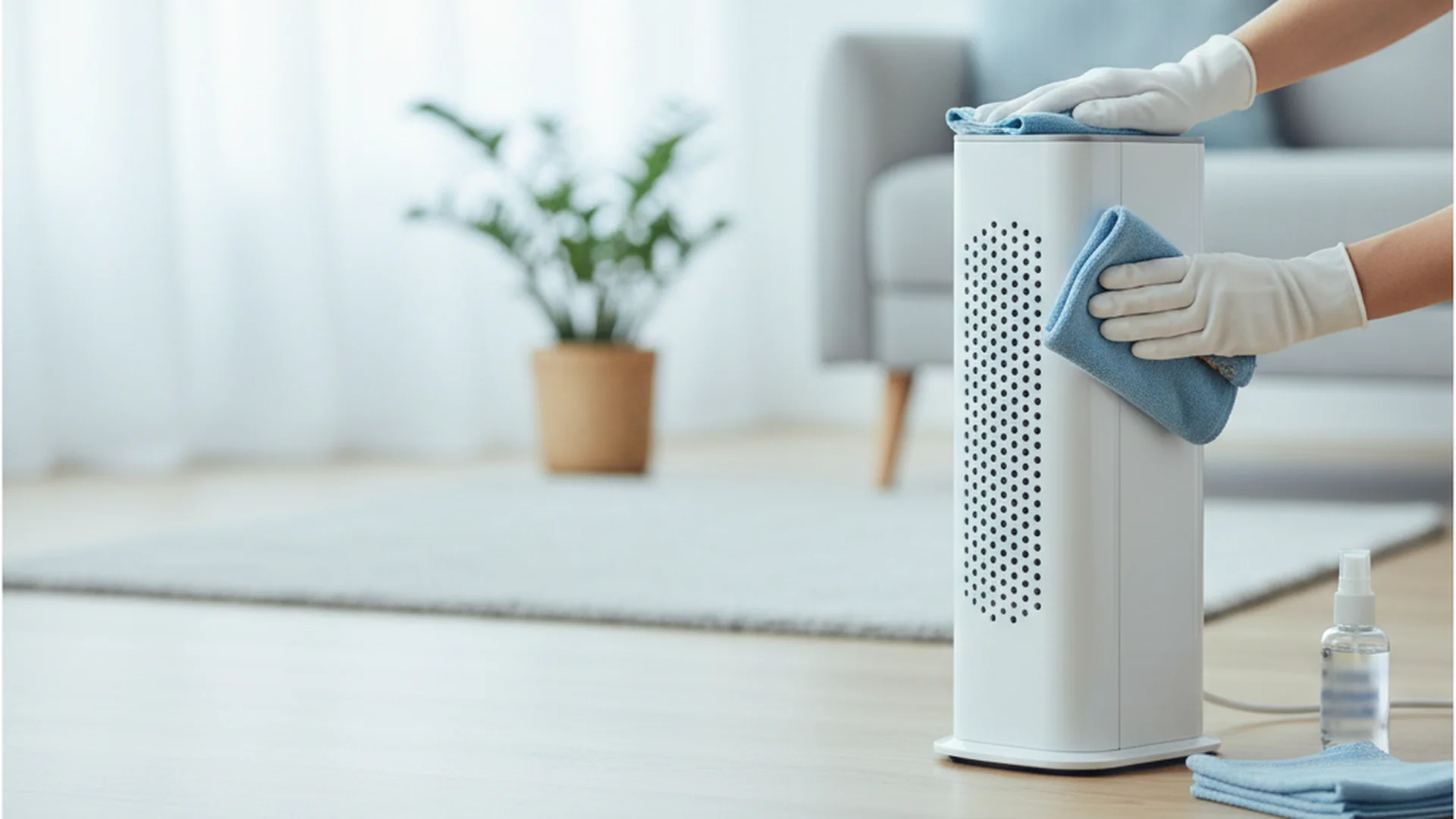
As the temperature drops, millions of households reach for their portable heating units to stay cozy. However, many homeowners overlook a critical maintenance task: regular cleaning. Learning how to clean space heater units properly isn't just a matter of household tidiness; it is a vital safety measure. Dust and debris are more than just unsightly—they are fuel for potential fires and barriers to energy efficiency. In this guide, we will walk through the safest, most effective ways to maintain your heater for the 2025–2026 winter season.
Why Cleaning Your Space Heater is Essential
Before we dive into the "how," it is important to understand the "why." Space heaters are high-demand appliances, typically drawing about 1,500 watts (roughly 12.5 amps). This places a significant load on your home's electrical circuit. When dust accumulates on the heating elements or intake vents, the unit has to work significantly harder.
Dust buildup noticeably reduces a heater’s thermal efficiency. This means you are paying for electricity that isn't actually warming your room. More importantly, space heaters and heating stoves are behind a large share of home heating fires, and those fires are among the deadliest in the home. A clean heater is a safe heater.
Warning: Home heating fires cluster in the depths of winter, when heaters run hardest and longest. Proper cleaning is your first line of defense.
Preparation: The Golden Rules of Heater Safety
You should never begin cleaning an appliance while it is plugged in or hot. Follow these two mandatory steps before you start:
- Unplug First: Always disconnect the power cord from the wall outlet. Simply turning the "off" switch is not enough to prevent electrical shock.
- The Cool-Down Period: Wait at least 30 minutes after use. Internal components, especially ceramic plates and oil-filled fins, retain heat long after the power is cut.
Note: If your heater has a battery-powered remote or IoT connectivity, ensure the main power is fully disconnected to avoid accidental activation during cleaning.
How to Clean Space Heater Units by Type
Different heaters require different approaches. Using the wrong method—like spraying liquid into a fan-forced unit—can permanently damage the appliance or create a fire hazard.
Ceramic and Fan-Forced Heaters
These are the most common portable units. They work by blowing air over a heated ceramic element.
- Vents and Grilles: Use a vacuum with a brush attachment to clear the intake and output grilles.
- Deep Dusting: For dust trapped inside the housing, use compressed air (canned air) to blow the particles out of the vents.
- Internal Access: Some 2025 models now feature "Right to Repair" modular designs. If your manual allows, unscrew the back panel to gently vacuum the internal fan blades.
Infrared (Quartz) Heaters
Infrared heaters use glass tubes to emit heat. These require a delicate touch.
- Avoid Fingerprints: The oils from your skin can create "hot spots" on quartz tubes, leading to cracks when the heater reaches high temperatures.
- The Alcohol Method: If the tubes are accessible, wipe them gently with a microfiber cloth dipped in medical (isopropyl) alcohol. This removes dust and skin oils effectively.
Oil-Filled Radiators
These are the easiest to maintain because the heating elements are sealed inside metal fins.
- Exterior Wipe: Use a damp microfiber cloth to wipe down the metal surface.
- Narrow Spaces: Use a long, flexible "duster wand" to reach between the narrow fins where dust tends to settle.
| Heater Type | Best Tool | Cleaning Frequency |
|---|---|---|
| Ceramic | Compressed Air / Vacuum | Monthly |
| Infrared | Isopropyl Alcohol | Seasonally |
| Oil-Filled | Microfiber Cloth | Bi-Weekly |
How to Clean Space Heater Naturally
Many people prefer to avoid harsh chemicals around appliances that circulate air. You can effectively clean space heater naturally using simple household items.
The Vinegar Method
If your heater has developed a lingering odor—perhaps from pet dander or kitchen grease—you can clean space heater with vinegar to deodorize the unit.
- Mix a 1:1 solution of white vinegar and distilled water in a bowl.
- Dampen a cloth with the solution (it should be damp, not dripping).
- Wipe down the exterior housing only.
- The vinegar acts as a natural deodorizer that cuts through films of dust and grime.
Warning: Never spray vinegar solution or water directly into the vents or onto the heating elements. Moisture inside the electrical housing can cause a fatal short circuit.
2025–2026 Maintenance Trends
The landscape of home heating is changing. If you have purchased a heater recently, you might notice new features that assist with maintenance:
- Predictive Maintenance Alerts: Modern brands like Govee and Dreo now include IoT sensors. These will send a notification to your smartphone when air resistance increases, telling you exactly when it's time to clean the filter.
- Combo HEPA Units: Models like the Dyson HP series act as both heaters and air purifiers. These require you to replace HEPA filters every 6–12 months in addition to dusting the vents.
- Nano-Coated Elements: High-end 2026 prototypes are featuring "dust-repellent" coatings. While these reduce the "burnt dust" smell, they still require a monthly external wipe-down to maintain airflow.
Common Mistakes to Avoid
Even with the best intentions, a cleaning mistake can ruin your heater. Here are the most common errors:
- The Hairdryer Mistake: Never use a hairdryer to blow dust out of a heater. Unlike compressed air, a hairdryer often pushes dust deeper into the electrical contacts, increasing the risk of a short circuit.
- The "Power Strip" Trap: While not a cleaning tip, it is a maintenance must: Never plug a space heater into a power strip. The high amperage can melt the strip. Always use a direct wall outlet.
- Using Bare Hands on Quartz: As mentioned earlier, touching quartz tubes with bare hands leaves oils that cause the glass to fail prematurely.
- Ignoring the 3-Foot Rule: Even a perfectly clean heater is a hazard if it is placed within 3 feet of curtains, bedding, or upholstery.
Success: A clean, well-maintained heater can last 5–10 years longer than a neglected unit, saving you hundreds in replacement costs and energy bills.
Frequently Asked Questions
Is it normal for my heater to smell like it's burning?
Can I use water to clean my space heater?
How often should I clean my space heater?
Do space heaters have filters?
Conclusion
Taking the time to learn how to clean space heater units is one of the simplest ways to protect your home and your wallet this winter. By following the specific requirements for your heater type—whether it's using compressed air for a fan unit or vinegar for a natural exterior clean—you ensure that your appliance runs safely and efficiently. Remember the golden rule: unplug, cool down, and never use water on the inside.
Success: Regular maintenance ensures your home stays warm without the hidden costs of efficiency loss or the dangers of fire risks.
Cleaning that keeps score
Every task earns points, every streak multiplies them, and Premium adds a household leaderboard plus a monthly Dustagorgon to beat.
- Free forever
- 30 badges to earn
- Up to 6 in a household
No card needed. Set up your rooms in a couple of minutes.