In this article
What you’ll learn
- Use mild soap and warm water for weekly maintenance to prevent grime buildup.
- Avoid chlorine bleach and Magic Erasers, which can damage the plastic's structural integrity.
- Apply automotive paste wax annually to restore shine and provide UV protection.
However, "low maintenance" does not mean "no maintenance." If you want to keep your outdoor space looking pristine, learning how to clean plastic furniture properly is the difference between a set that lasts two seasons and one that lasts two decades. Whether you are dealing with stubborn pollen, bird droppings, or that dreaded "chalky" oxidation, using the right techniques ensures your patio remains an inviting oasis.
Why Proper Cleaning Matters for Modern Materials
In 2025, the shift toward "Sustainable Luxury" has changed the way we manufacture and care for outdoor items. Approximately 55% of consumers now prioritize sustainability, leading to a rise in furniture made from ocean-bound plastics and recycled "Poly-lumber." While these materials are incredibly durable, they require specific care to avoid degrading the recycled fibers.
Furthermore, environmental factors are harsher than ever. For example, bird droppings contain corrosive uric acid. If left untreated for more than 48 hours, this acid can permanently etch the surface of resin furniture, leaving a "scar" that no amount of scrubbing can fix.
Note: Modern HDPE furniture (like Polywood) is non-porous, but textured finishes can still trap dust and allergens if not rinsed regularly.
The Best Way to Clean Plastic Furniture: Step-by-Step
To maintain the luster of your set, experts recommend a tiered approach. You don't always need heavy-duty chemicals; in fact, the best way to clean plastic furniture is often the simplest.
1. The Standard Weekly Clean
For routine maintenance, skip the power washer and reach for your kitchen supplies.
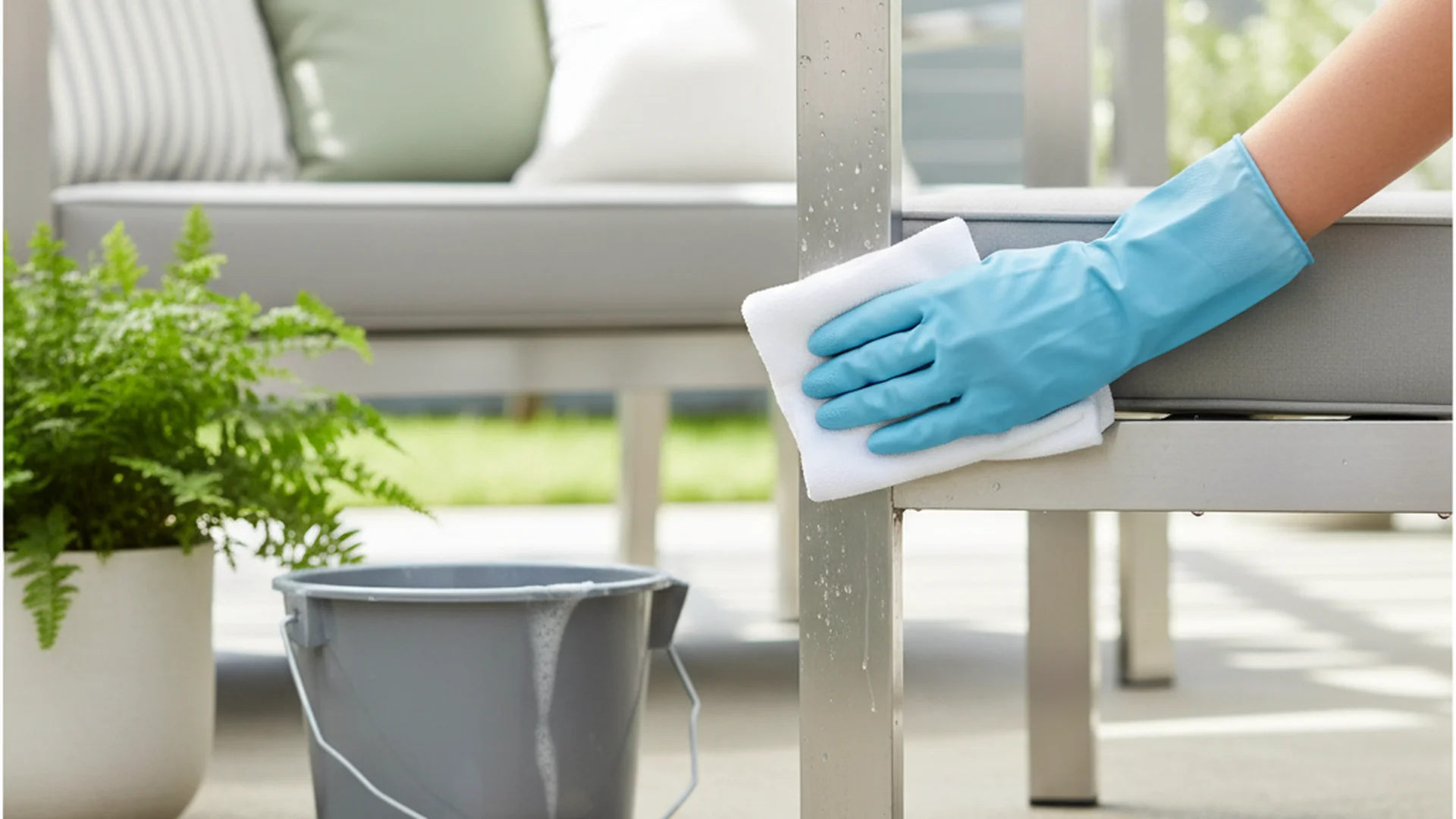
- Clear the Debris: Use a soft cloth or a leaf blower to remove loose dirt and leaves.
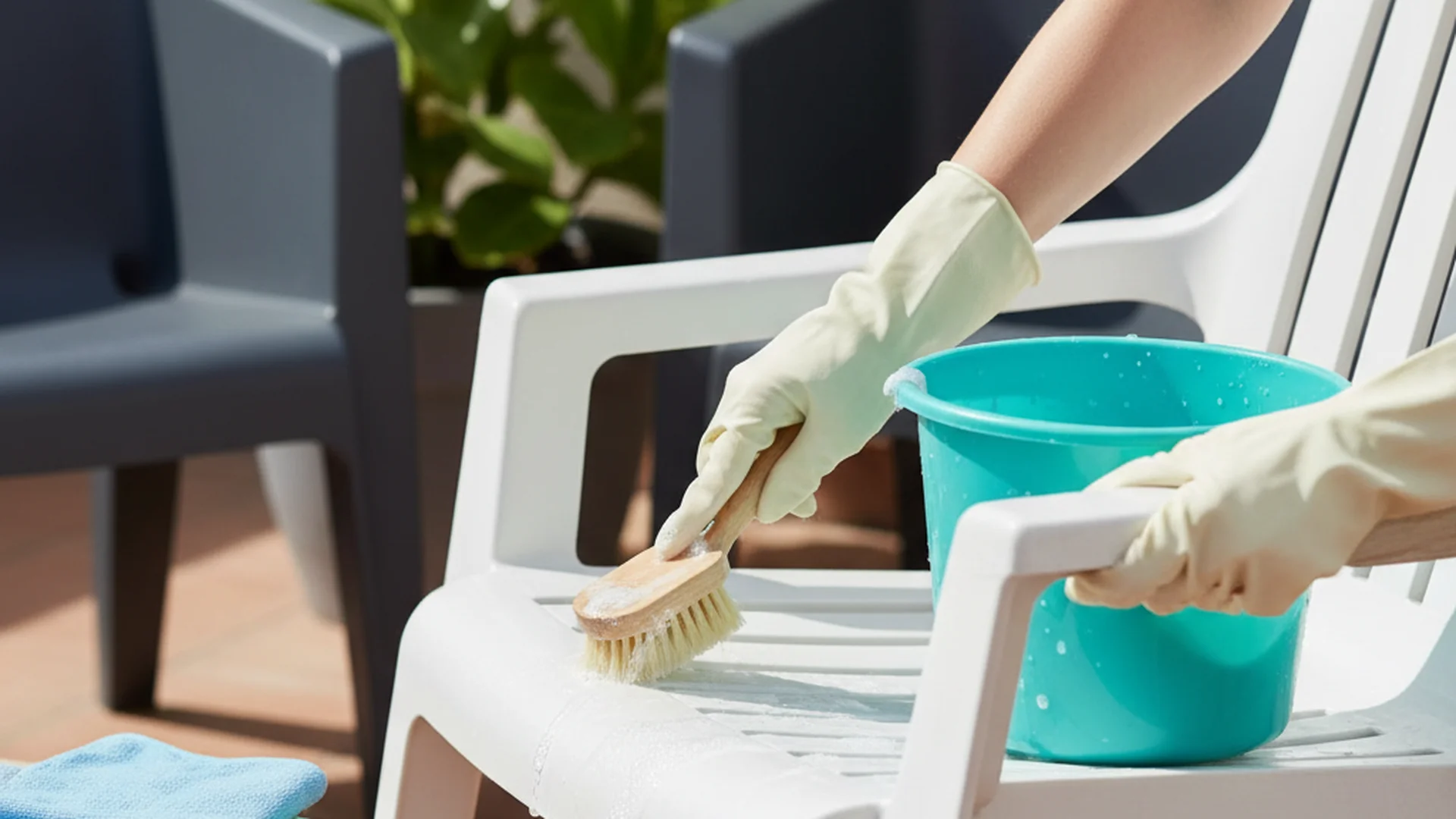
- Mix Your Solution: Combine 1/4 cup of mild dish soap with one gallon of warm water.
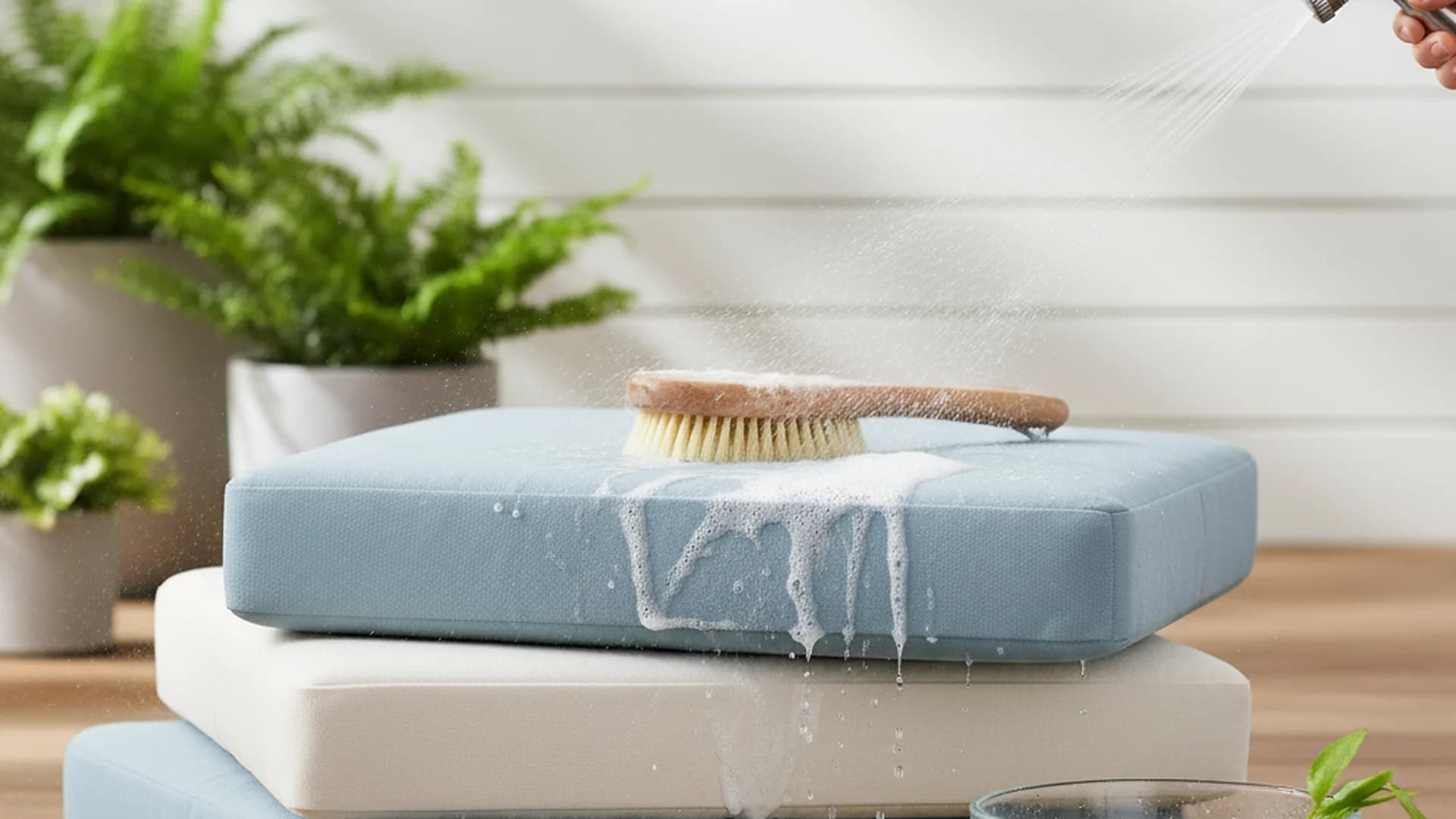
- Gentle Scrub: Use a soft-bristled nylon brush to work the soapy water into the surface.
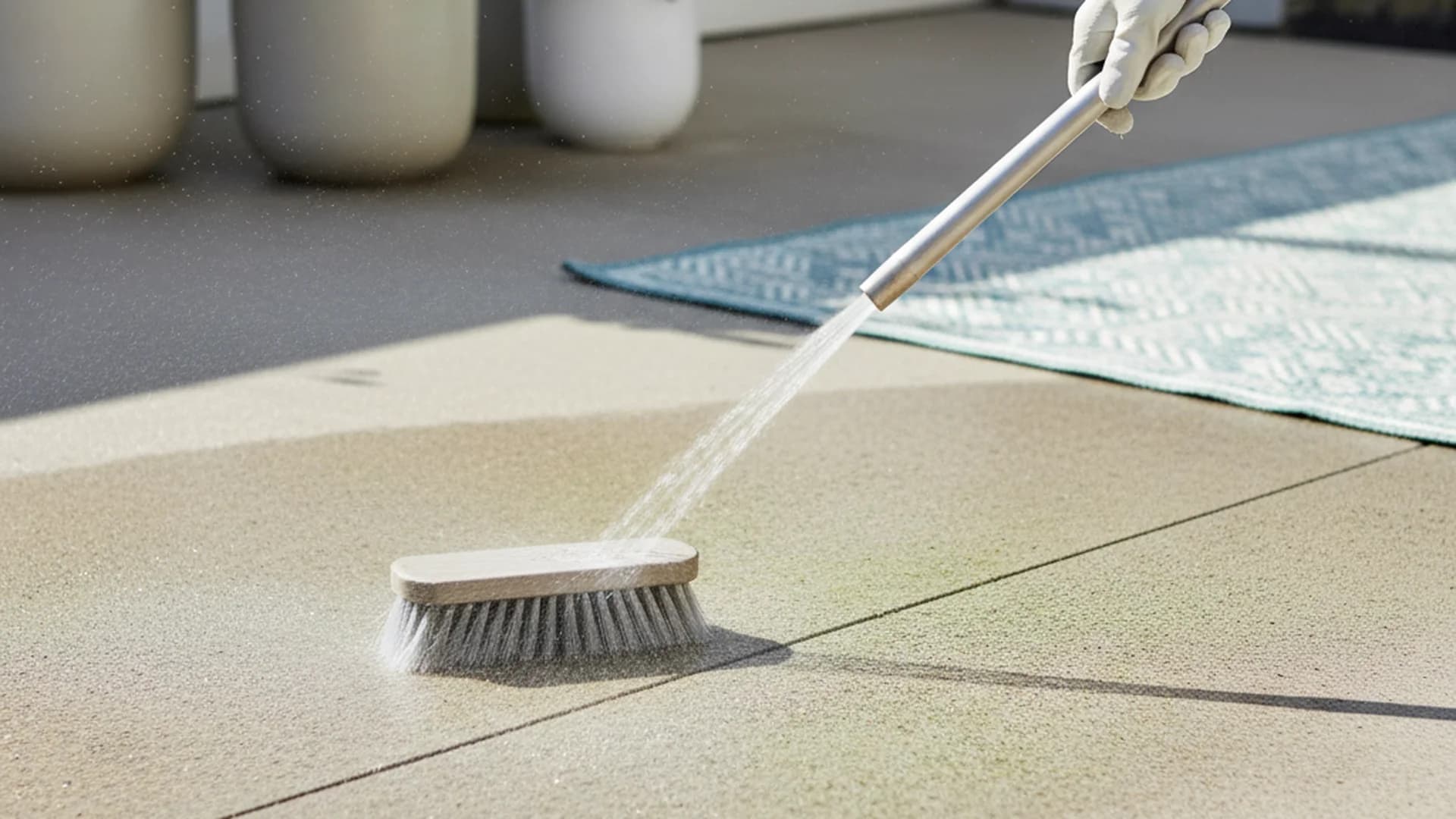
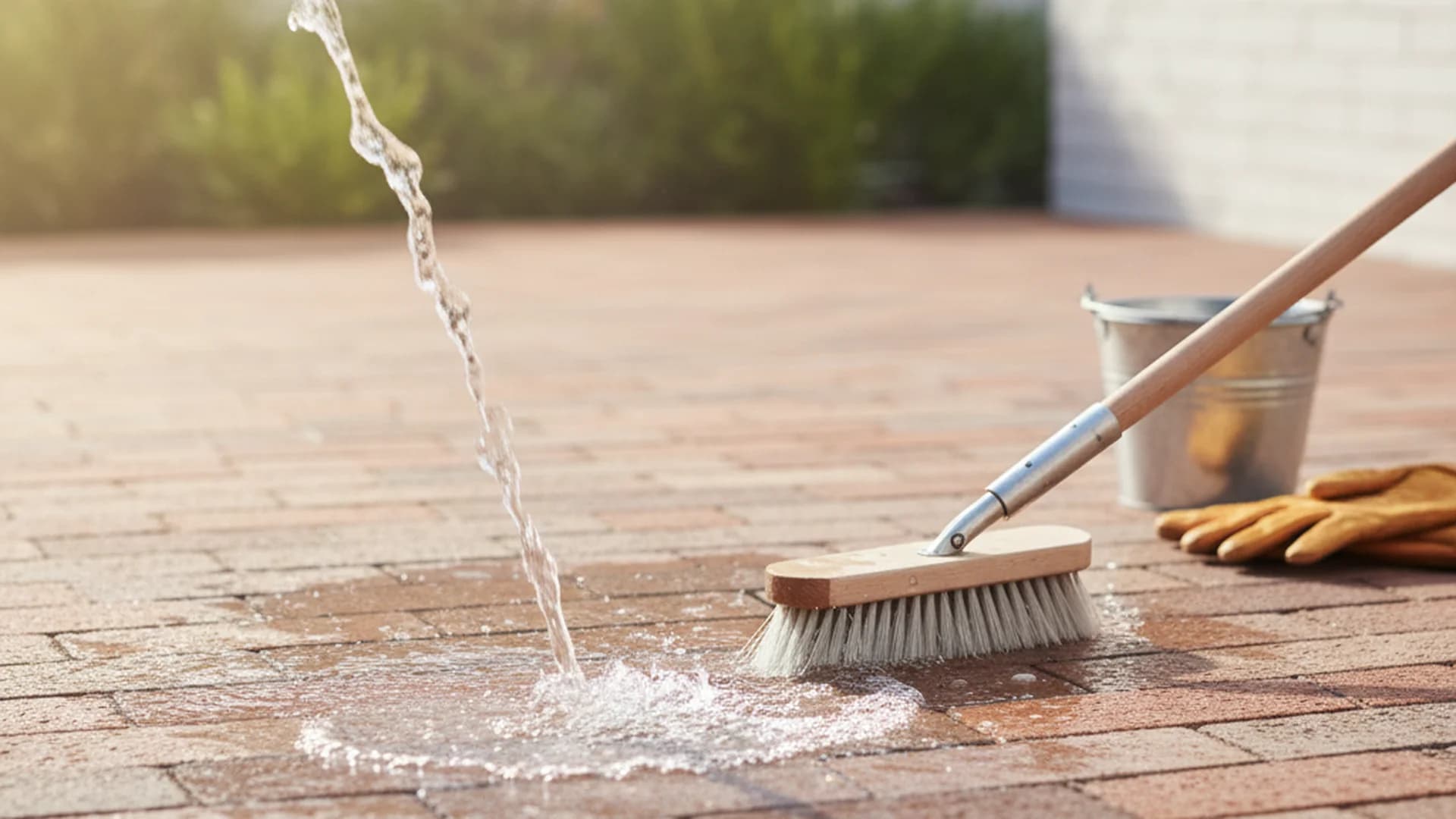
- Rinse: Use a standard garden hose. Avoid high-pressure settings that can "mar" the plastic.
- Dry: Air-dry in a shaded area. Drying in direct, midday sun can cause soap film to bake onto the surface, creating streaks.
Tip: Always clean your furniture on a cloudy day or in the early morning to prevent cleaning solutions from drying too quickly.
2. Deep Cleaning Stains and Mildew
If your furniture has been neglected over the winter, you may notice black spots (mildew) or green film (algae).
- Vinegar Solution: Mix 75% water with 25% distilled white vinegar in a spray bottle. Spray the affected areas and let it sit for 10 minutes.
- Baking Soda Paste: For tough grime or bird droppings, create a paste of baking soda and water. Apply it to the stain, let it sit for 15 minutes, and scrub gently in a circular motion.
Warning: Never mix bleach with vinegar or ammonia-based cleaners, as this creates toxic fumes.
Real-World Examples of Plastic Restoration
To help you visualize the process, here are three common scenarios homeowners face:
Example 1: The "White Chair" Rescue
A homeowner in Florida noticed their white resin chairs had turned a dull, chalky yellow. This was caused by UV degradation and oxidation. By applying a baking soda paste to lift the oxidation and following up with a UV-protectant spray, the chairs regained their bright white finish without the need for harsh bleach.
Example 2: The Post-Party Sap Crisis
After a backyard BBQ, a set of HDPE chairs was covered in sticky pine sap and soda spills. The owner used a "Quick Clean Protocol"—a pre-mixed bottle of eco-friendly all-purpose cleaner—to spot-clean the sap before it hardened, preventing permanent staining.
Example 3: The Seasonal Overhaul
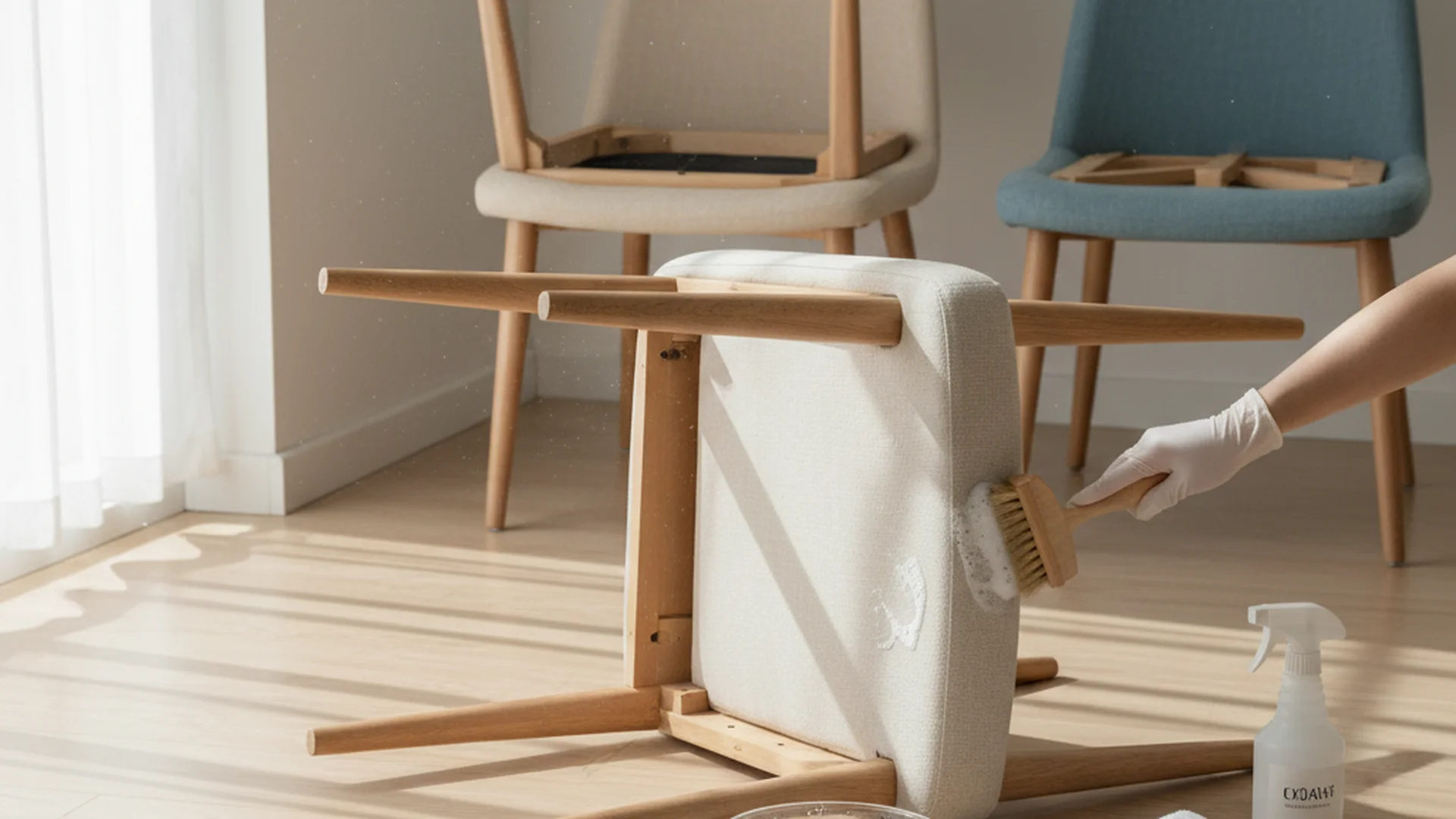
Before storing furniture for the winter, a family cleaned the underside of their modular seating. They discovered mildew beginning to grow near the joints. By cleaning these hidden areas, they prevented the mold from spreading to the visible cushions and surfaces during the damp winter months.
Maintenance Trends for 2025–2026
The industry is moving toward "smart materials" that assist in the cleaning process.
| Feature | Trend Benefit | Maintenance Impact |
|---|---|---|
| Antimicrobial Coatings | Inhibits mold growth | Reduces deep-cleaning frequency |
| Hydrophobic Nano-coatings | Water beads and rolls off | Dust and pollen wash away with rain |
| Bio-Based Cleaners | Phosphate-free solutions | Safer for garden soil and runoff |
Self-Cleaning Nanotechnology
High-end 2026 furniture lines are beginning to incorporate hydrophobic coatings. These surfaces cause rainwater to bead and roll off, taking dust and pollutants with it. If you have this type of furniture, you should avoid abrasive cleaners entirely, as they will strip the nano-coating.
Common Mistakes to Avoid
Many homeowners accidentally damage their furniture while trying to save it. Avoid these four common pitfalls:
The "Magic Eraser" Trap
While melamine sponges (Magic Erasers) are famous for removing scuffs, they are actually micro-abrasives. Using them on plastic furniture is like using extremely fine sandpaper. It will remove the stain, but it also strips the factory finish, leaving the plastic dull and more porous. This makes the furniture "magnetize" dirt even faster in the future.
Using Steel Wool
Never use metal scrubbers or steel wool. These create deep scratches that become breeding grounds for mold spores. If a soft brush isn't working, stick to plastic-safe scrub pads.
Ignoring the Hardware
If your plastic furniture has metal screws or connectors, ignoring them is a mistake. Most rust begins at the joints. Once a season, check the hardware and wipe it down with a bit of WD-40 or a silicone-based lubricant to prevent structural failure.
High-Pressure Washing
It is tempting to blast away dirt with a pressure washer. However, if you exceed 1,500 PSI or get the nozzle too close, you can create tiny pits in the plastic. These pits trap dirt and make the furniture feel "fuzzy" or rough to the touch.
Success: Applying a thin coat of automotive paste wax after cleaning will fill in microscopic scratches and make future spills much easier to wipe off.
Frequently Asked Questions
How do I remove the 'chalky' white residue from my chairs?
Can I use bleach on colored plastic furniture?
Is a pressure washer safe for plastic?
How do I stop my white chairs from turning yellow?
Conclusion
Mastering how to clean plastic furniture is about consistency rather than intensity. By implementing a weekly soap-and-water routine and a seasonal deep clean, you protect both the aesthetic and the structural integrity of your outdoor investment. As we move into 2025 and 2026, embracing eco-friendly cleaners and protective waxes will ensure your patio remains a sustainable and beautiful part of your home for years to come.
Cleaning that keeps score
Every task earns points, every streak multiplies them, and Premium adds a household leaderboard plus a monthly Dustagorgon to beat.
- Free forever
- 30 badges to earn
- Up to 6 in a household
No card needed. Set up your rooms in a couple of minutes.