In this article
What you’ll learn
- Use a 'blot, don’t scrub' technique to protect delicate pillow top fibers.
- Never flip a pillow top mattress; rotate it 180 degrees every 3–6 months instead.
- Incorporate HEPA vacuuming and probiotic sprays to eliminate microbial build-up.
There is nothing quite like the cloud-like comfort of a pillow top mattress. However, that integrated comfort layer of foam, fiber, or down acts as a massive filter for your home. Over time, it traps everything from dead skin cells to environmental pollutants. If you are wondering how to clean pillow top mattress surfaces effectively without causing the foam to sag or mold, you have come to the right place. Because these comfort layers are permanently attached, they require a more delicate touch than a standard tight-top mattress.
In this guide, we will explore the best way clean pillow top mattress materials using 2025’s latest hygiene technologies and time-tested deep-cleaning methods to ensure your sleep environment remains a sanctuary, not a laboratory for bacteria.
Why Your Pillow Top Needs a Deep Clean
Most of us change our sheets weekly, but we rarely think about what is happening beneath the fabric. By 2025, research into sleep hygiene has revealed some startling facts about the "Weight Double" reality. A used mattress can actually double in weight over a decade. This isn't magic; it is the accumulation of body oils, sweat, and millions of microscopic dust mites.
Recent data from HygeiaSleep (2025) shows that a seven-year-old mattress can contain over 16 million colony-forming units (CFUs) of bacteria per square inch. Furthermore, the average adult releases approximately 26 gallons of sweat into their bed every year. In a pillow top, this moisture can degrade the integrity of the comfort foams, leading to that dreaded "sinkhole" feeling.
Note: Because pillow tops are often made of memory foam or poly-fiber, they are more susceptible to moisture retention than traditional inner-spring beds.
The Essential Toolkit for Mattress Maintenance
Before you begin, you need the right tools. Using the wrong equipment—like a standard floor vacuum head—can actually transfer more bacteria onto your bed.
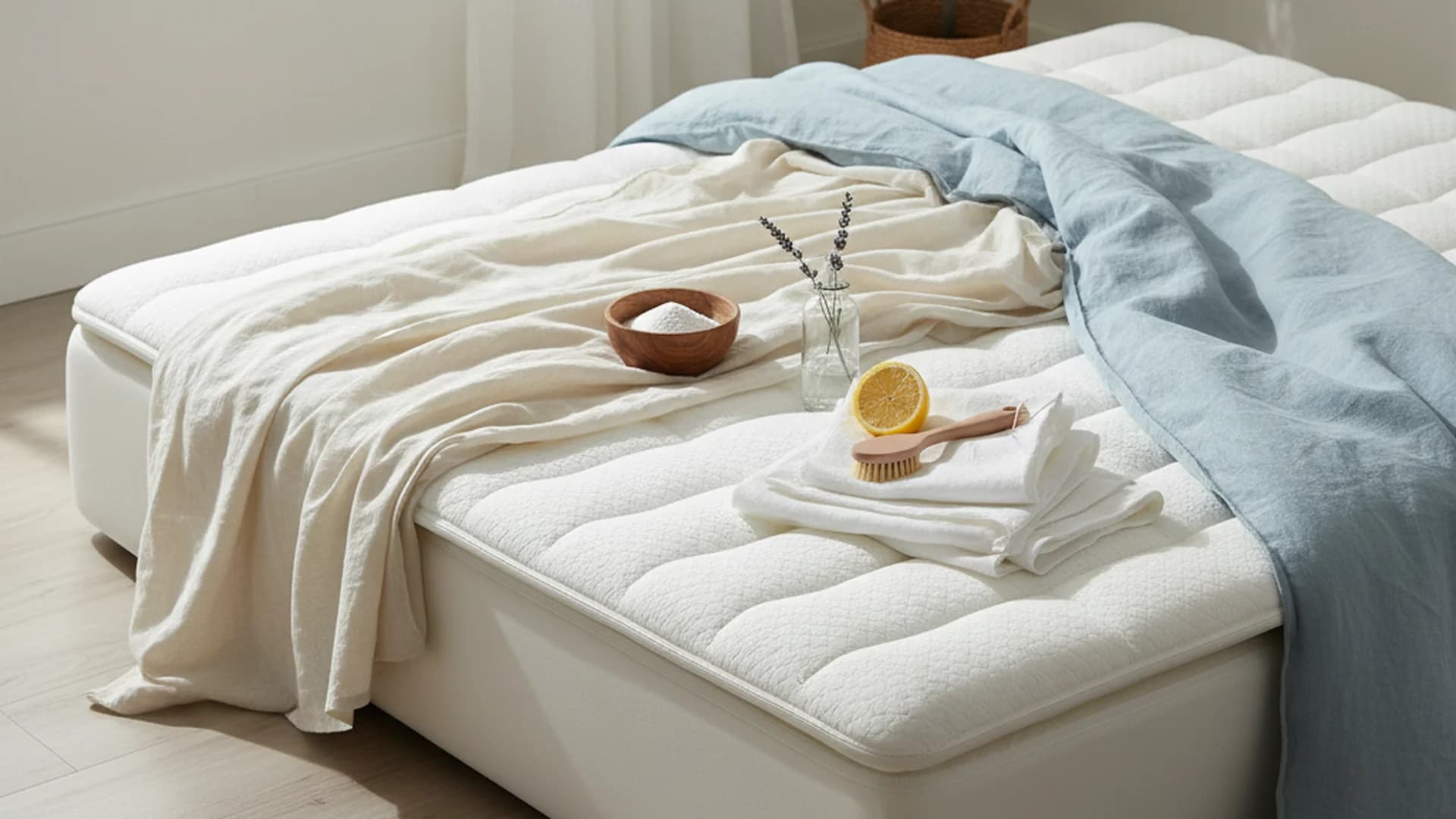
- HEPA Vacuum: Ideally one with a specialized upholstery attachment.
- Baking Soda: The gold standard for moisture and odor absorption.
- Enzyme-Based Cleaner: Essential for breaking down organic protein stains (sweat, blood, urine).
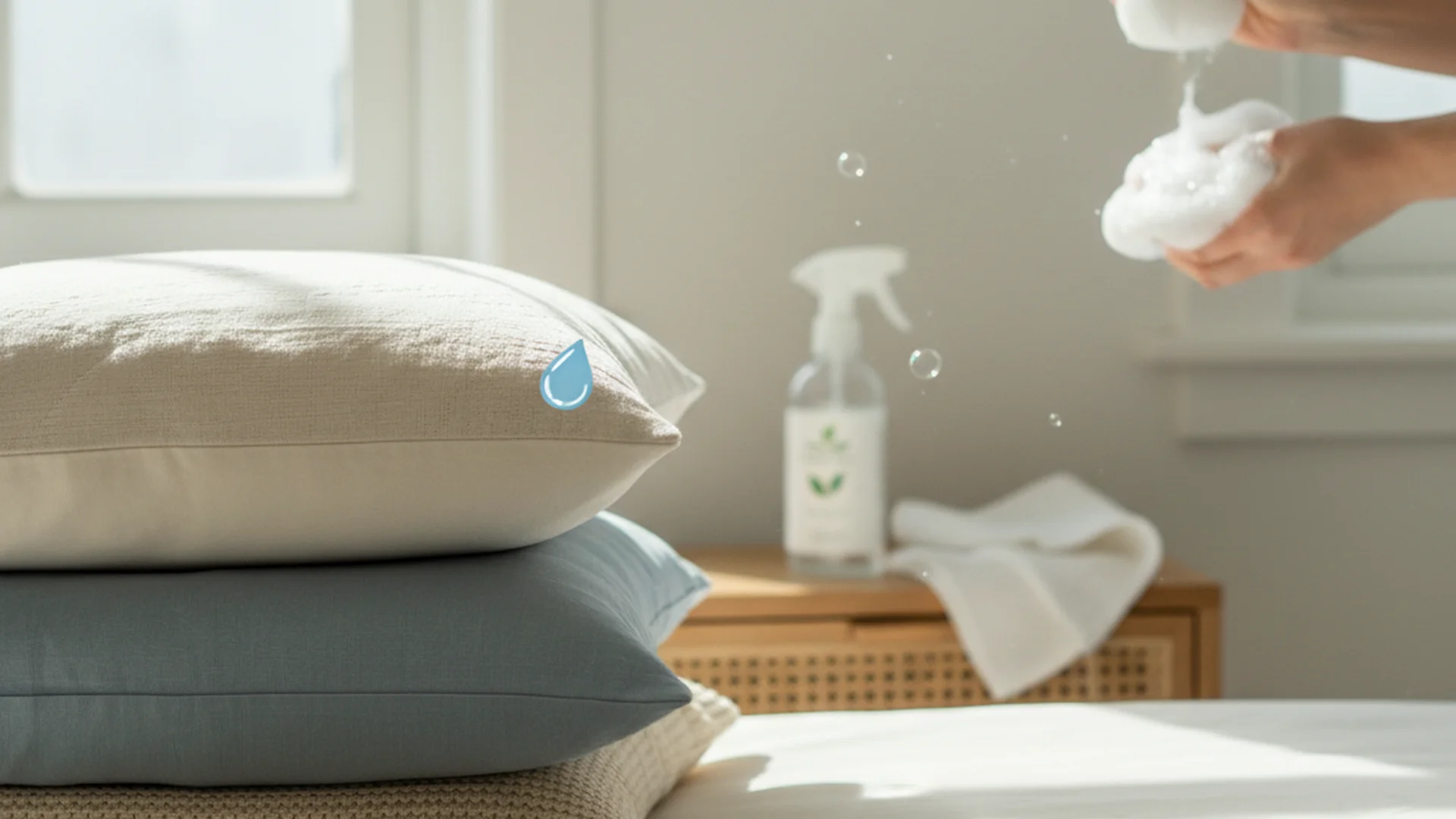
- Microfiber Cloths: To ensure you are blotting rather than scrubbing.
- Probiotic Cleaning Spray: A 2025 trend that keeps "good bacteria" working on your mattress for up to 72 hours.
- UV-C Bed Vacuum (Optional): To neutralize 99.9% of surface bacteria.
Step-by-Step: How to Clean Pillow Top Mattress
Step 1: Strip and Launder
Remove all bedding, including your mattress protector. While you focus on the mattress, wash your sheets and pillowcases in the hottest water recommended on the care label.
Tip: If you are wondering, "can you wash pillow inserts in the machine?" the answer is usually yes for down-alternative and down, but never for solid memory foam.
Step 2: High-Efficiency Vacuuming
Use your HEPA vacuum to go over the entire surface. Pay special attention to the seams and "quilted" dips in the pillow top, as these are prime real estate for dust mite colonies.
Step 3: Deodorize with Baking Soda
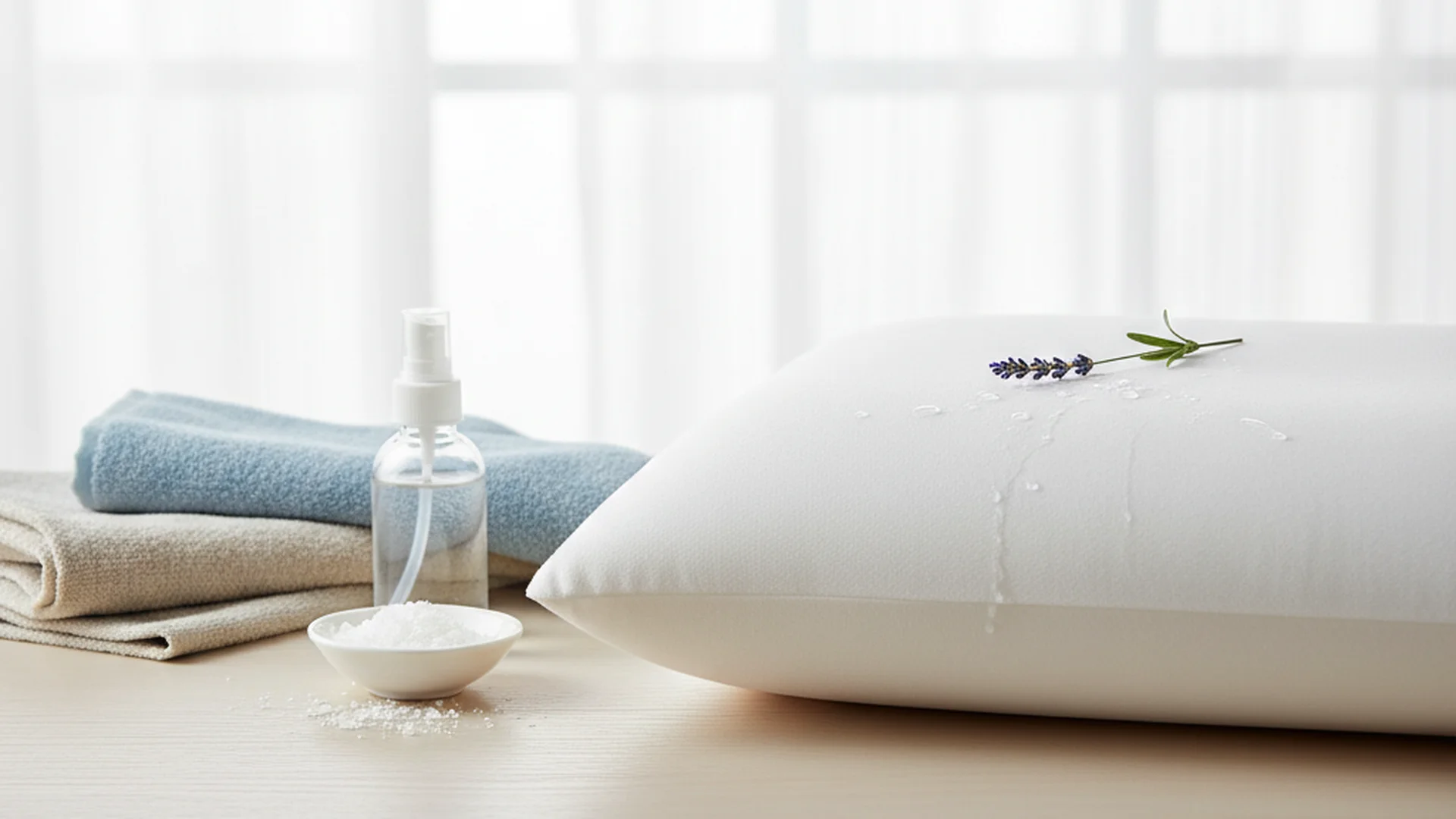
Sprinkle a generous, even layer of baking soda over the entire mattress. For an extra boost, you can mix in a few drops of lavender essential oil.
- Wait time: Let it sit for at least 6–8 hours.
- Why: This draws out deep-seated moisture and neutralizes pH-based odors.
Step 4: Targeted Spot Cleaning
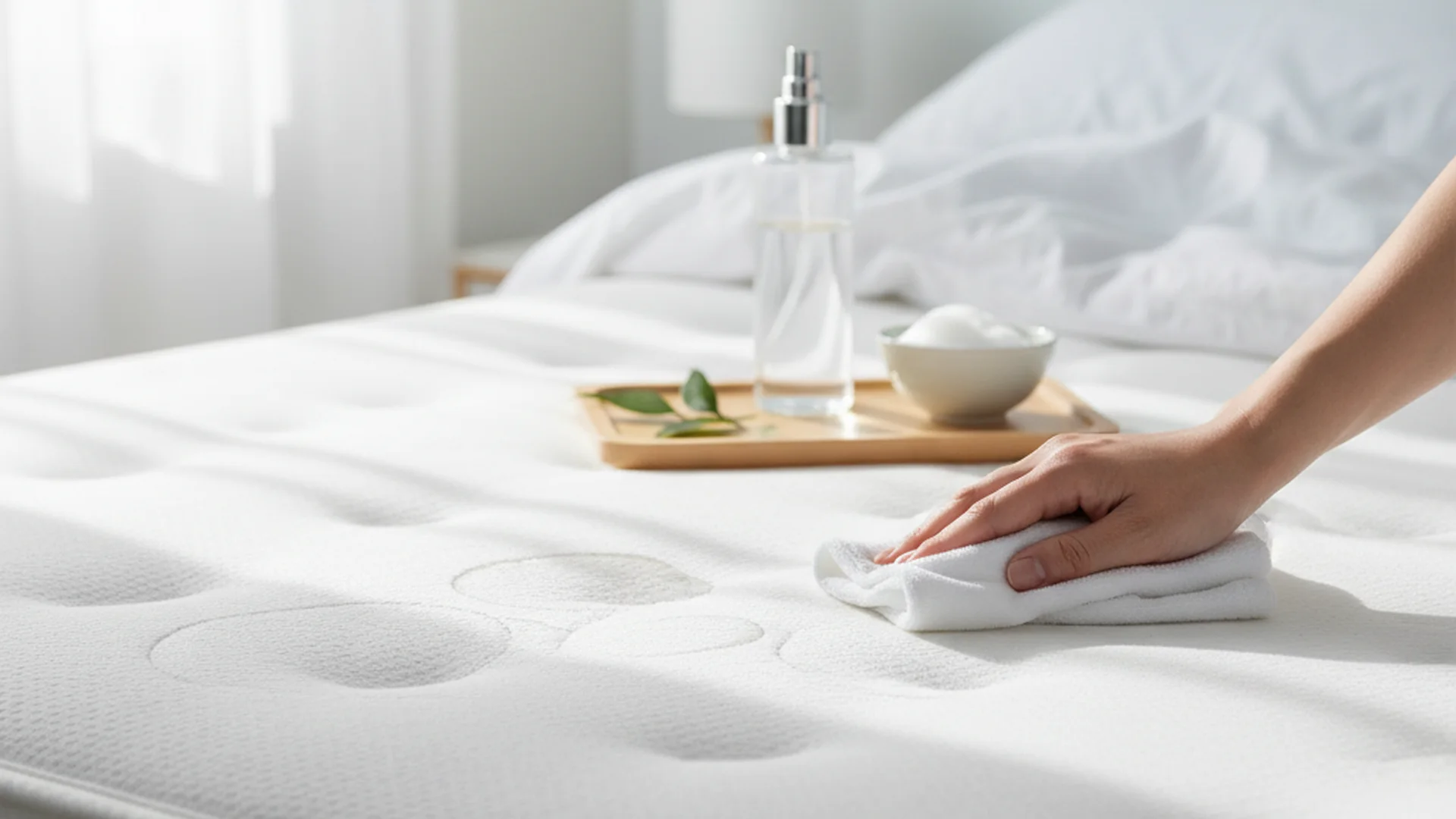
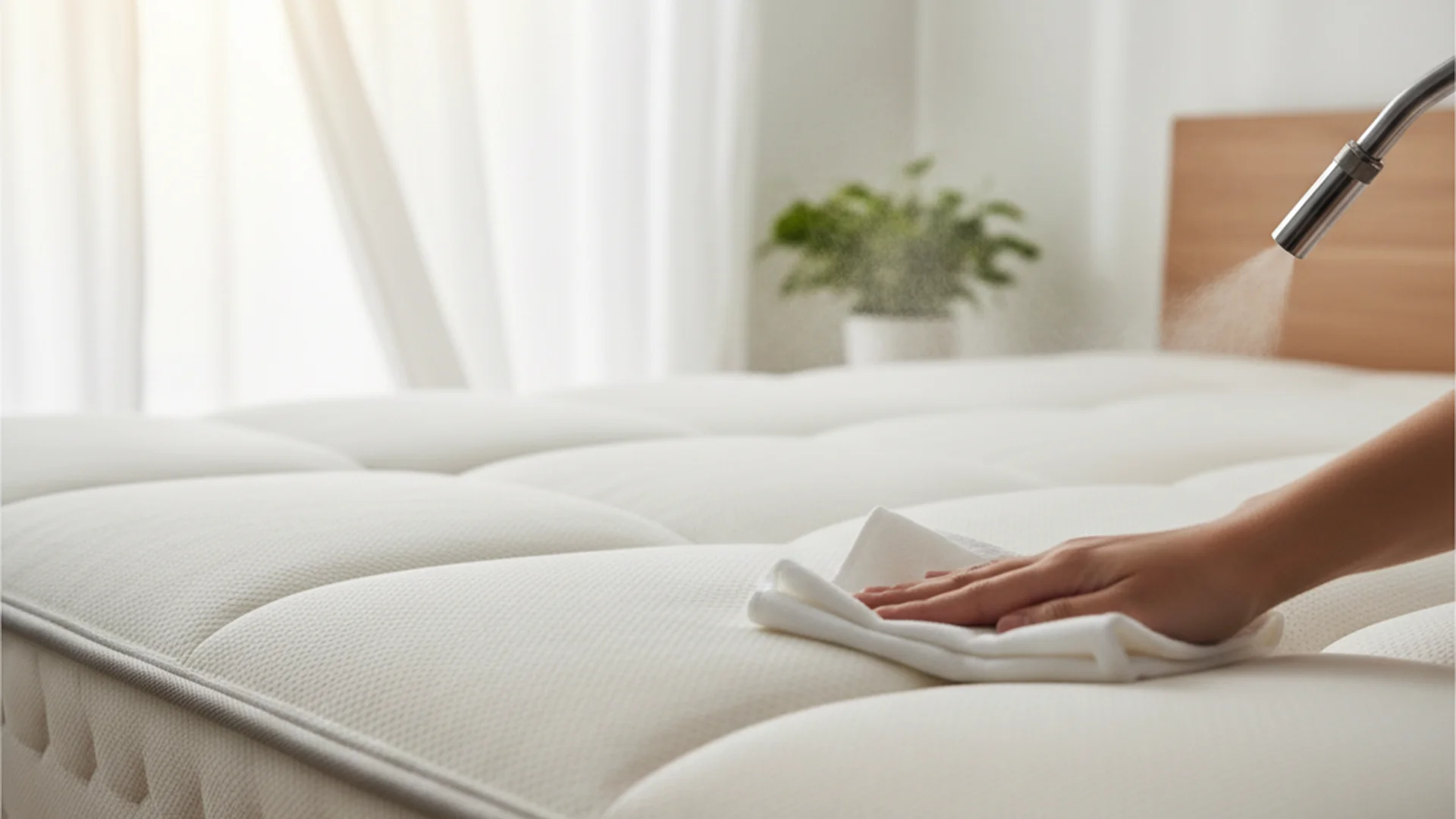
For stains, remember the golden rule: Blot, Don’t Scrub. Scrubbing creates friction that "pills" the delicate pillow top fabric and pushes liquid deeper into the foam.
- For Blood/Sweat: Use cold water and a drop of dish soap or an enzyme cleaner. Cold water prevents the proteins from "setting."
- For Pet Accidents: Use a specialized enzyme cleaner like Rocco & Roxie to "eat" the uric acid crystals.
Step 5: The 2025 Probiotic Finish
Once the mattress is dry, lightly mist it with a probiotic spray. Brands like Hyve or Cif Infinite Clean have become popular in 2025 because they introduce beneficial microbes that continue to consume dust mite waste long after you’ve finished cleaning.
Warning: Never drench the mattress. Over-saturation is the fastest way to cause internal mold growth that cannot be removed.
Real-World Examples of Pillow Top Care
Example 1: The Morning Coffee Spill
Imagine you spill a latte on your plush pillow top. Most people panic and pour water over it. The correct move: Immediately blot with a dry microfiber cloth to soak up as much liquid as possible. Apply a mixture of water and vinegar (50/50), blot again, and then use a fan to speed-dry the area for 4 hours.
Example 2: Seasonal Allergy Management
A homeowner in a high-pollen area noticed their asthma flared up every spring. By switching to a UV-C Bed Vacuum twice a month, they were able to neutralize the pollen and dust mite allergens trapped in the deep quilting of their pillow top, significantly improving their sleep quality.
Example 3: The "Rescued" Guest Room Bed
A mattress in a guest room had developed a musty smell from humidity. Instead of replacing it, the owner used the baking soda method combined with a 2026-style "dry" steamer. This removed the odor without the 24-hour drying time required by traditional steam cleaners.
Common Mistakes to Avoid
To keep your mattress in top shape, avoid these four common pitfalls:
- The Steam Cleaning Myth: Using a standard clothes steamer releases too much "wet" steam. This gets trapped in the thick pillow top foam and leads to mildew. Only use professional-grade "dry" steamers.
- Using Bleach: Bleach is far too harsh. It can cause the internal foams to "crumble" and lose their rebound capacity, effectively killing the "pillow" in your pillow top.
- Flipping the Mattress: Pillow tops are designed with a specific base-to-top orientation. Flipping them will crush the comfort layer and provide zero support for your back.
- Skipping the Protector: In 2025, not using a waterproof, breathable protector is considered a major maintenance error. A protector can extend your mattress life by up to 5 years.
| Feature | Regular Mattress | Pillow Top Mattress |
|---|---|---|
| Rotation | Every 6 months | Every 3 months |
| Flipping | Yes (if 2-sided) | Never |
| Cleaning | Standard Vacuum | HEPA + UV-C Recommended |
| Drying | 4–6 Hours | Up to 24 Hours |
2025–2026 Trends in Mattress Hygiene
The industry is moving toward "Smart Hygiene." By 2026, many high-end pillow top mattresses will feature AI-Integrated Hygiene Alerts. These built-in sensors monitor the humidity and Volatile Organic Compound (VOC) levels within the foam layers. When the mattress becomes a breeding ground for bacteria due to high humidity, you receive a notification on your smartphone to trigger a cleaning cycle.
Additionally, Dry Steam technology is becoming the standard for professional cleaners. These machines use high heat to kill 99% of bacteria but use 90% less water than traditional units, meaning you can sleep on your bed just 2 hours after a deep clean.
Frequently Asked Questions
Can you flip a pillow top mattress?
Can you wash pillow top covers in the machine?
How long does it take for a pillow top mattress to dry?
Can I wash my pillows in the machine?
Conclusion
Cleaning a pillow top mattress doesn't have to be a daunting task. By moving away from aggressive scrubbing and embracing modern tools like HEPA vacuums, enzyme cleaners, and probiotic sprays, you can maintain a hygienic sleeping environment for years to come. Remember, the best way clean pillow top mattress surfaces is through prevention and gentle, consistent care.
Success: Regular maintenance not only improves your health by reducing allergens but also protects your financial investment by preventing foam degradation.
Cleaning that keeps score
Every task earns points, every streak multiplies them, and Premium adds a household leaderboard plus a monthly Dustagorgon to beat.
- Free forever
- 30 badges to earn
- Up to 6 in a household
No card needed. Set up your rooms in a couple of minutes.