In this article
What you’ll learn
- Identify your sink material (porcelain vs. stone) before applying cleaners.
- Always dust the pedestal base before applying liquid cleaning agents.
- Avoid acidic cleaners like vinegar on natural stone pedestal sinks.
Pedestal sinks are the crown jewels of classic bathroom design, offering a timeless aesthetic that saves space and adds elegance. However, because of their unique structure and exposed plumbing, many homeowners struggle with the logistics of keeping them pristine. Knowing how to clean pedestal sink basins and bases properly is essential for maintaining that high-gloss finish and preventing the buildup of unsightly grime. As we move into 2025 and 2026, the focus has shifted from just "removing dirt" to preserving the advanced antimicrobial coatings and delicate glazes that modern fixtures now feature.
Understanding Your Pedestal Sink Material
Before you grab a scrub brush, you must identify what your sink is made of. The best way clean pedestal sink surfaces depends entirely on the material’s porosity and chemical resistance. In the current market, most sinks fall into three categories:
Vitreous China and Porcelain
These are the most common materials, prized for their durability and glass-like finish. They are highly resistant to scratches and can handle most standard bathroom cleaners. However, they are not invincible; aggressive scouring can eventually dull the protective glaze.
Natural Stone (Marble and Granite)
High-end pedestal sinks are often carved from natural stone. While stunning, these materials are chemically sensitive. Using the wrong product can lead to "etching," which is a permanent dulling of the surface that looks like a water stain but cannot be wiped away.
Acrylic and Solid Surfaces
Modern, minimalist bathrooms often use acrylic or composite materials. These are lightweight and warm to the touch but are much softer than ceramic. They are prone to micro-scratches which can trap bacteria and soap scum over time.
Tip: If you aren't sure what your sink is made of, perform a "tap test." Ceramic and china will have a sharp, high-pitched "clink," while acrylic and composites will sound like a dull thud.
The Multi-Stage Cleaning Routine
To keep your sink looking showroom-ready, you need a two-tiered approach: daily maintenance and a weekly deep clean. This ensures that mineral deposits don't have the chance to harden into stubborn "scales."
Daily Maintenance: The 60-Second Wipe
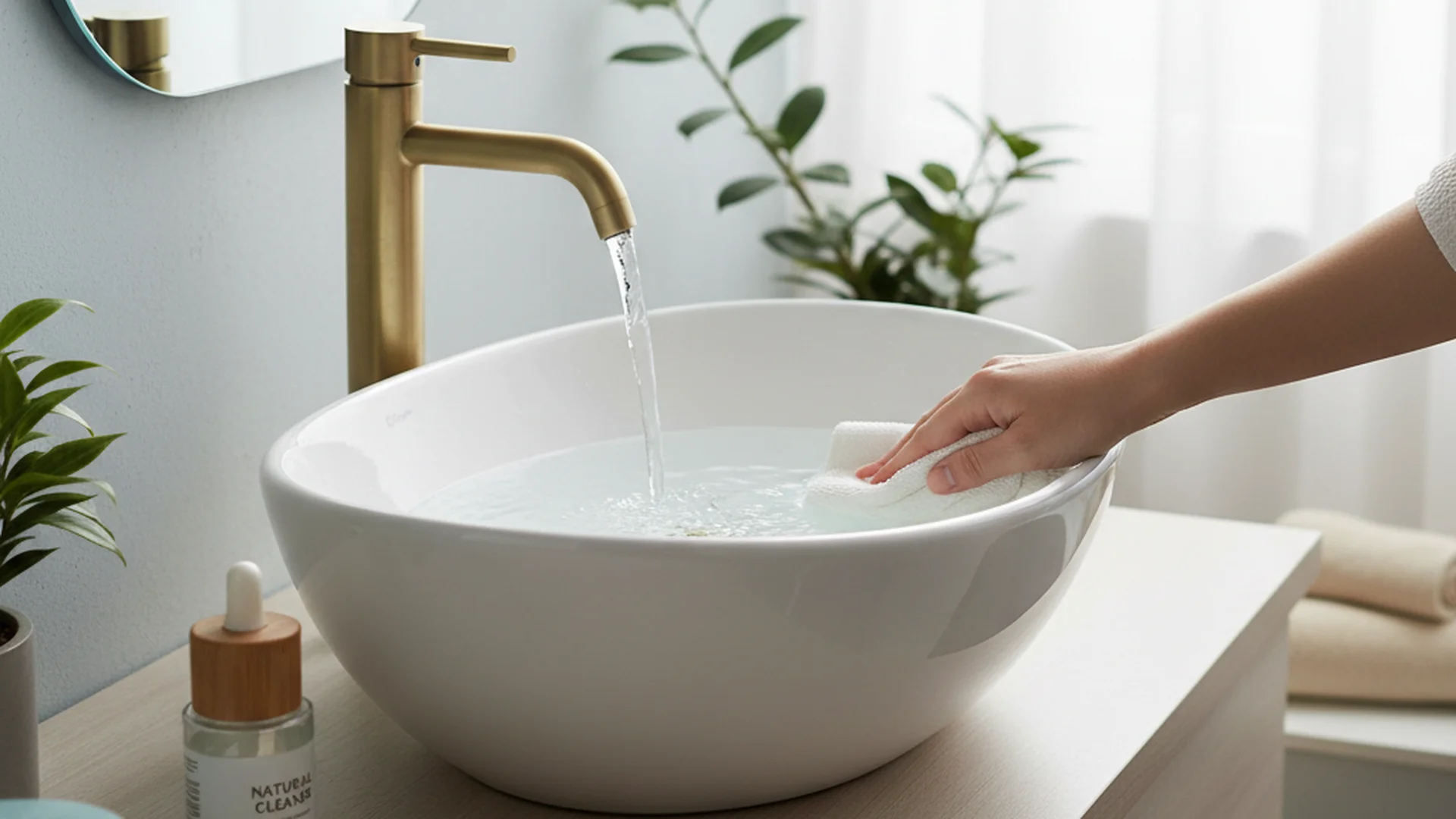
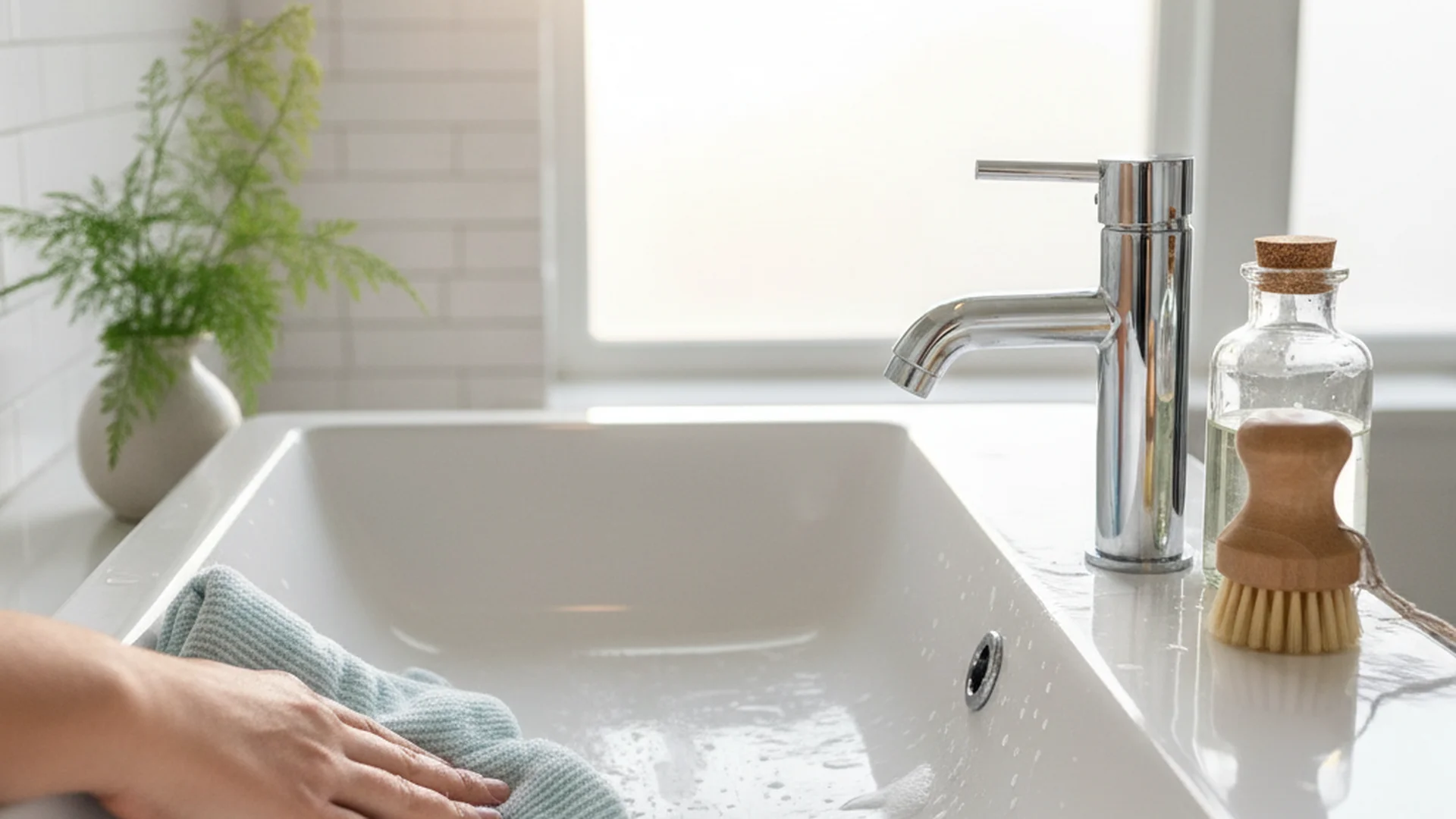
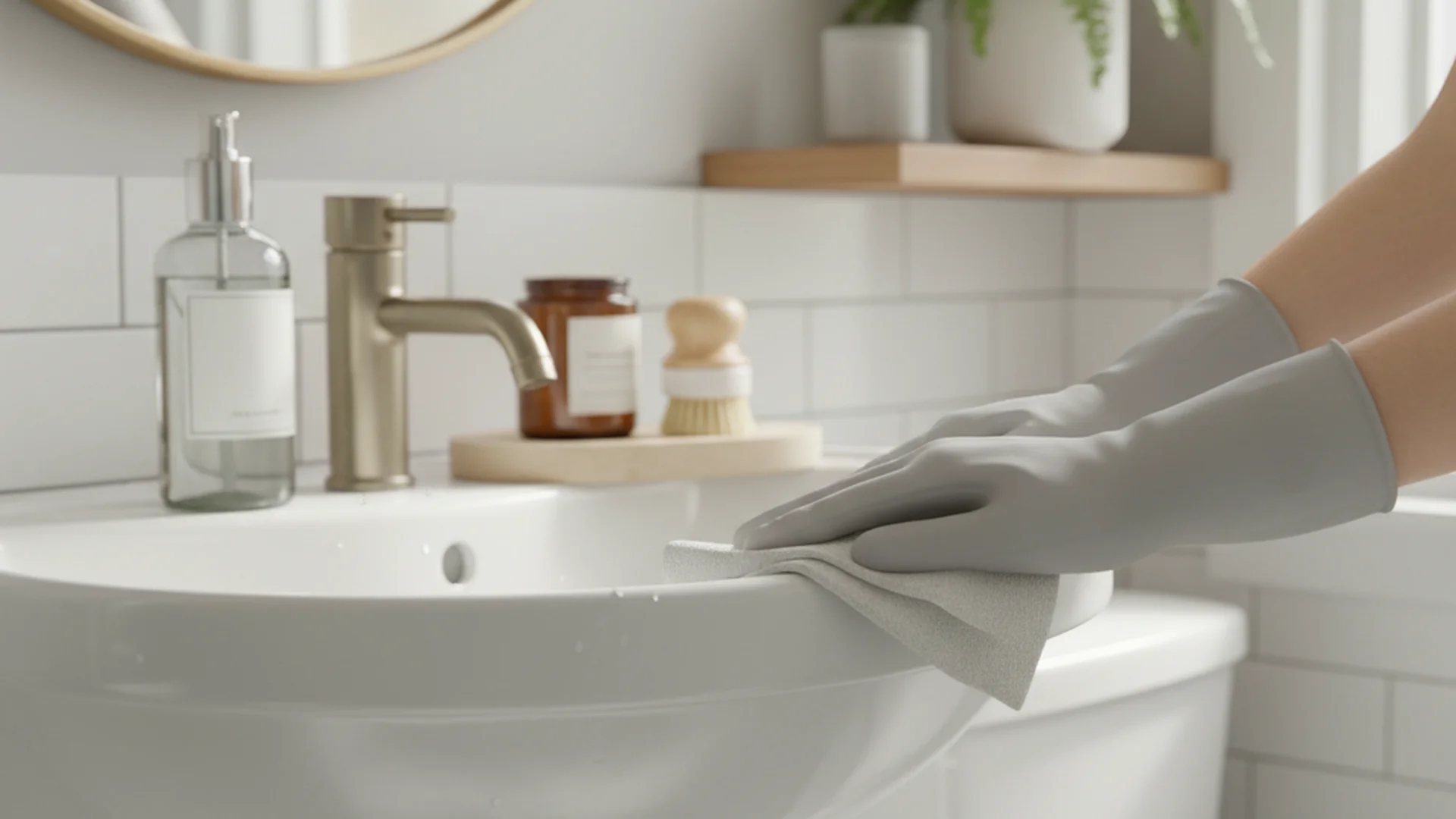
The secret to a clean sink isn't hard scrubbing; it's consistency. After your morning or evening routine, use a soft microfiber cloth to wipe the basin. This simple act removes toothpaste residue and soap film before they can bond with the surface.
Success: Regular daily wiping can reduce the need for harsh chemical cleaners by up to 80% over the course of a year.
Weekly Deep Cleaning: The Best Way Clean Pedestal Sink
For your weekly session, follow these steps to ensure every nook and cranny is addressed:
- Dust the Base First: Pedestal bases are notorious dust magnets. Use a vacuum attachment or a dry microfiber duster to remove hair and lint from the base and the area where the pedestal meets the floor.
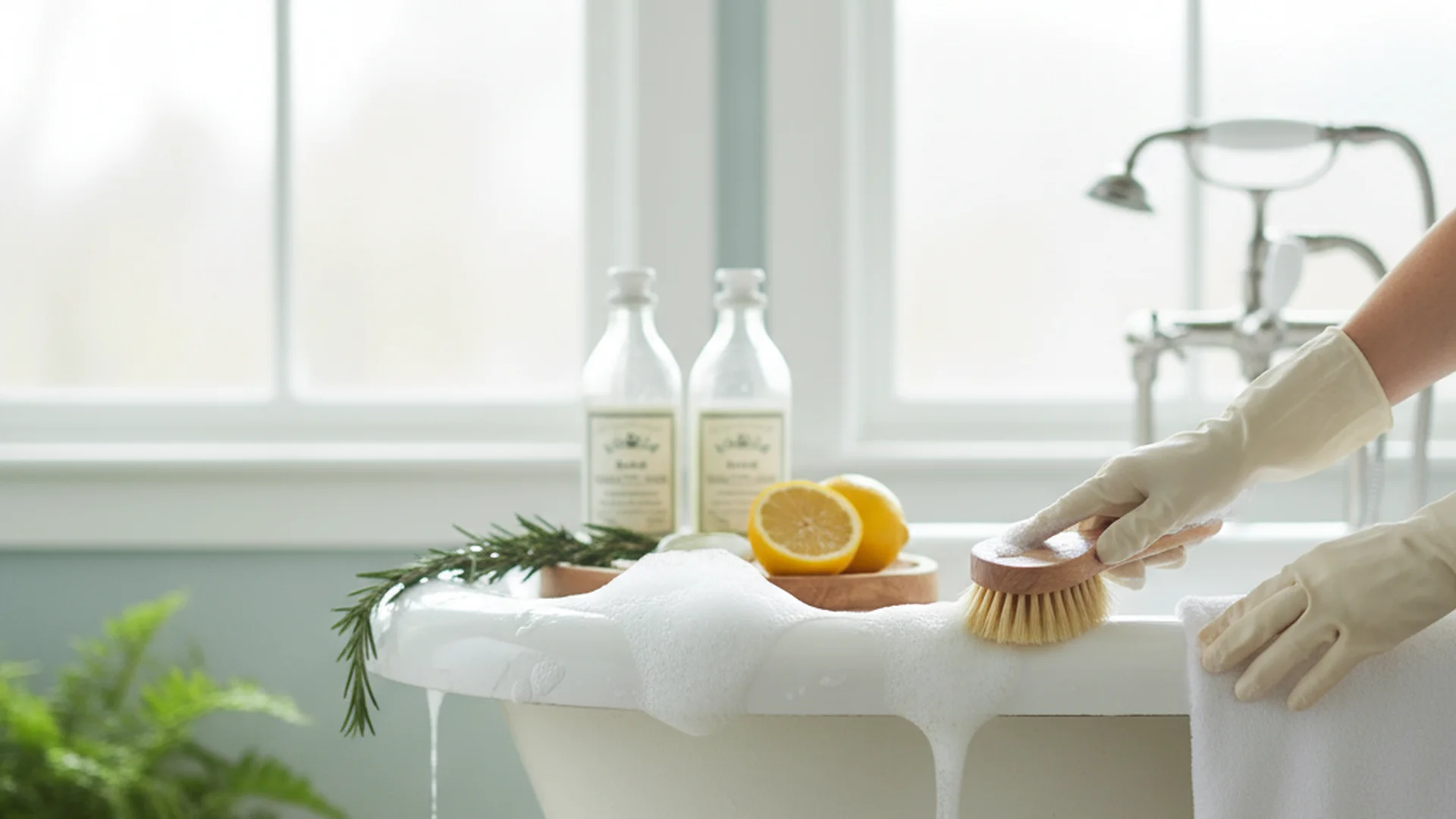
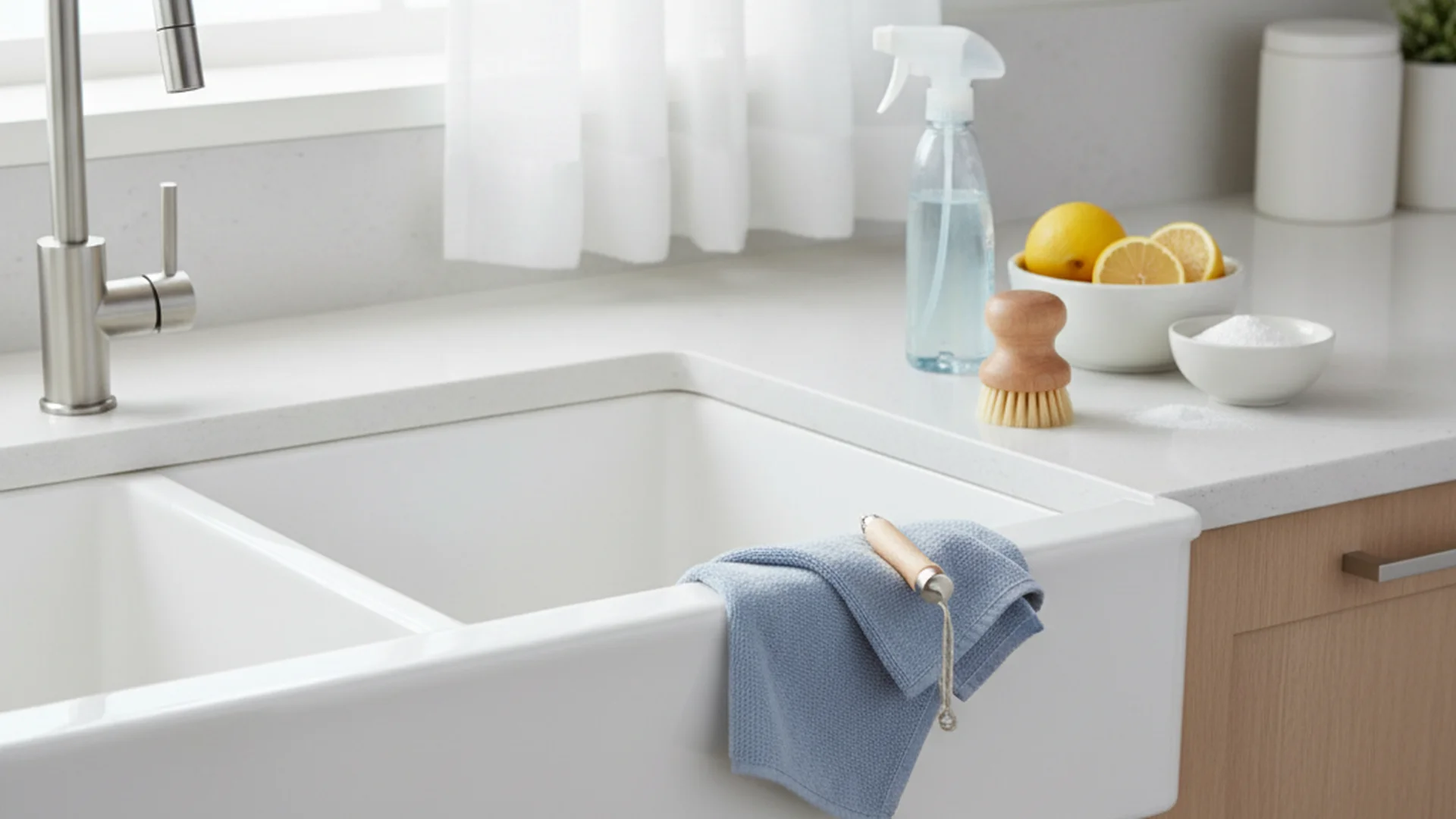
- Apply a Non-Abrasive Cleaner: For porcelain, a mixture of mild dish soap and warm water works wonders. For tougher stains, create a baking soda paste (3 parts baking soda to 1 part water).
- The "Soak" Method: Apply your cleaner and let it sit for 10 minutes. This allows the surfactants to break down oils without you having to scrub hard.
- Scrub with Soft Bristles: Use a soft-bristled brush to get into the overflow hole and around the faucet handles.
- Rinse and Dry: Rinse thoroughly with warm water. Always dry the sink with a clean towel to prevent water spots, especially if you have hard water.
Warning: Never use steel wool or green scouring pads on a glazed pedestal sink. These tools are designed for industrial use and will strip the protective finish off your porcelain.
Real-World Examples of Pedestal Sink Care
Example 1: The Hard Water Challenge in a Suburban Home
A family in a region with high mineral content in their water noticed white, chalky rings around their pedestal sink's drain. Instead of reaching for harsh acids, they switched to a weekly routine of soaking a paper towel in a mild citric acid solution and laying it over the stain for 20 minutes. This dissolved the calcium without damaging the surrounding vitreous china.
Example 2: Restoring a Vintage 1920s Pedestal
A homeowner restoring a historic bathroom found a vintage porcelain pedestal sink covered in decades of grime. The breakthrough came from avoiding "all-purpose" sprays and using a specialized ceramic polishing cream. By dusting the base first—avoiding the "muddy mess" created by mixing dust with liquid—they were able to restore the original luster without scratching the antique glaze.
Example 3: The Luxury Marble Guest Bath
A professional cleaning consultant was called to a home where a marble pedestal sink had lost its shine. The culprit? The homeowner was using a common vinegar-based "natural" cleaner. By switching to a pH-neutral stone soap and applying a fresh sealer, the sink was protected from future staining and the etching was professionally buffed out.
2025–2026 Trends in Sink Maintenance
The world of bathroom fixtures is evolving rapidly. We are seeing a massive shift toward "smart" surfaces and eco-friendly technology.
Antimicrobial Surface Coatings
Many new sinks from brands like Kohler now come with Silver-Ion or UV-sterilization coatings. These surfaces inhibit 99.9% of bacterial growth. When cleaning these, it is vital to use only the manufacturer-recommended cleaners, as harsh chemicals can strip away the antimicrobial layer.
The Rise of Robotic Bathroom Cleaners
2025 has seen the introduction of specialized robots, such as the Hytron series, designed to navigate the tight spaces around pedestal bases. These robots use localized UV light and precision mopping to sanitize the floor and the lower half of the pedestal, areas that are often neglected by human cleaners due to the awkward ergonomics.
Dry Steam Cleaning
A major trend for 2026 is the use of handheld "dry steam" cleaners. These devices use high-pressure, low-moisture steam to sanitize the sink and clear out the trap without any chemicals. This is the perfect solution for households focusing on "green cleaning" and sustainability.
Note: Dry steam is safe for porcelain and vitreous china, but use caution with acrylic sinks as the high temperature can cause warping or melting.
Common Mistakes to Avoid
Even the most well-intentioned cleaning can cause damage if you fall for these common pitfalls:
- Using Vinegar on Everything: While vinegar is a great descaler for porcelain, it is an acid. Using it on marble or granite pedestal sinks will cause permanent etching.
- Mixing Bleach and Vinegar: This is a dangerous mistake. Mixing these two creates toxic chlorine gas. Always stick to one cleaning agent at a time.
- Forgetting the Underside: The area where the basin meets the pedestal column often hides mold and mildew. Make sure to wipe the "lip" of the basin once a month.
- Ignoring the Drain Trap: Pedestal sinks often have smaller traps. Regularly flush the drain with hot water and baking soda to prevent clogs from toothpaste and hair.
Frequently Asked Questions
How often should I clean my pedestal sink?
Can I use bleach on a pedestal sink?
Are pedestal sinks harder to clean than vanities?
How do I prevent clogs in a pedestal sink?
Conclusion
Maintaining a pedestal sink doesn't have to be a daunting task. By identifying your material, establishing a consistent daily routine, and staying updated on the latest cleaning technologies like dry steam and antimicrobial coatings, you can keep your bathroom looking pristine for years to come. Remember that the "dust magnet" base requires as much attention as the basin itself. With the right tools—and by avoiding the common mistakes of abrasive pads and acidic cleaners—you will preserve the beauty and value of your home.
Success: A well-maintained pedestal sink can last for over 50 years, making it one of the most sustainable and cost-effective fixtures in your home.
Cleaning that keeps score
Every task earns points, every streak multiplies them, and Premium adds a household leaderboard plus a monthly Dustagorgon to beat.
- Free forever
- 30 badges to earn
- Up to 6 in a household
No card needed. Set up your rooms in a couple of minutes.