In this article
What you’ll learn
- Always identify the manufacturer cleaning code (W, S, WS, or X) before applying liquids.
- Vacuuming is a non-negotiable first step to prevent pushing dirt deeper into fibers.
- Regular maintenance of wheels and hardware extends the chair's lifespan and ergonomic benefits.
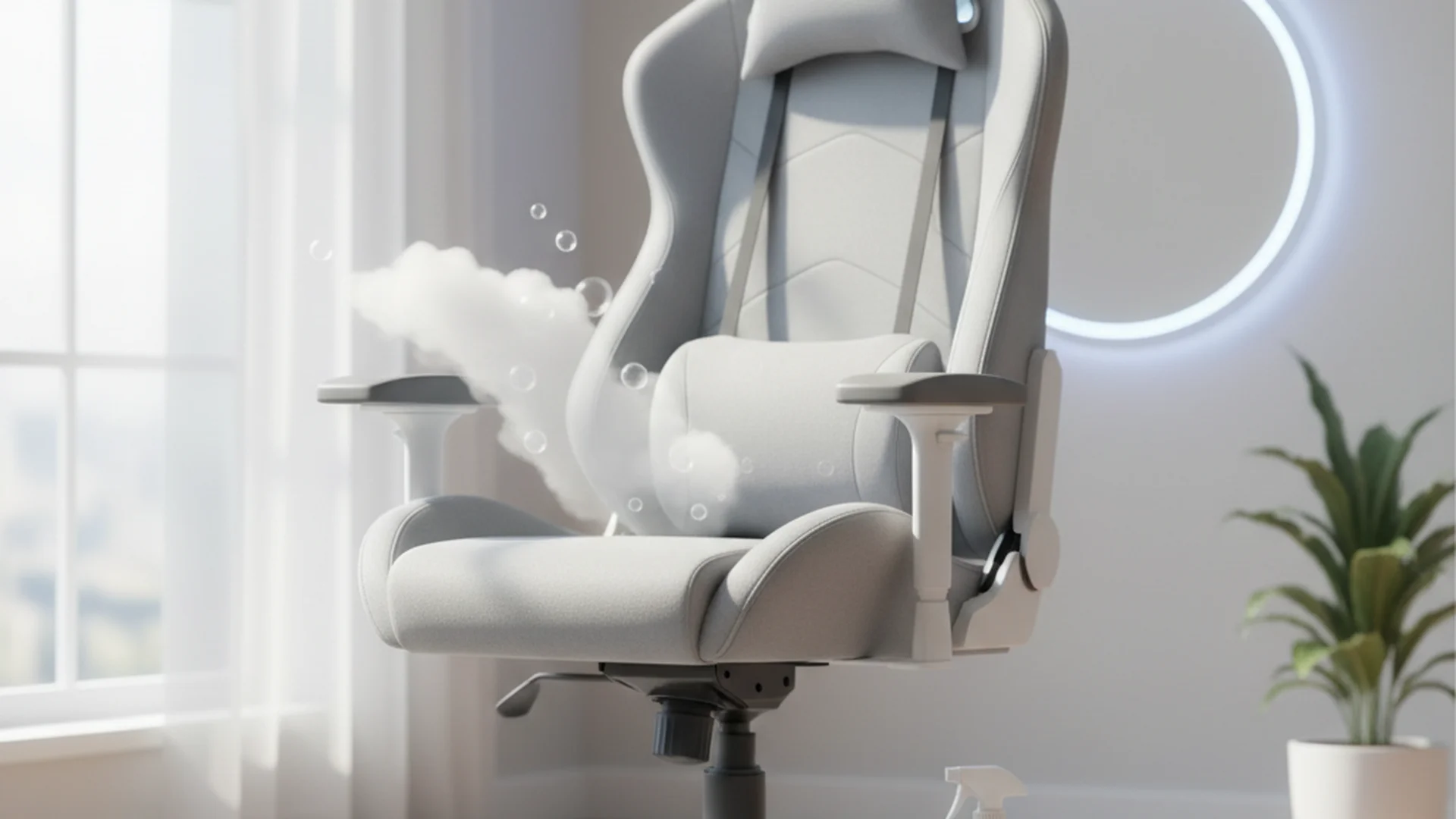
In the modern hybrid work era, your office chair is likely the most used piece of furniture in your home. Yet, research identifies the office chair as one of the top 10 bacteria hotspots in a typical workspace, harboring more sweat, skin cells, and airborne pollutants than a toilet seat. Learning how to clean office chair components isn't just about aesthetics; it’s about health and longevity. Whether you are dealing with a spilled morning latte or years of accumulated dust, finding the best way clean office chair surfaces will transform your work environment and your focus.
Understanding Your Chair: The Cleaning Code Key
Before you grab a bucket of soapy water to clean office chair at home setups, you must look under the seat. Every professional-grade office chair comes with a care tag. This tag is the ultimate "Key to Success" because using the wrong solvent can permanently damage the upholstery or strip away fire-retardant coatings.
| Cleaning Code | Meaning | Recommended Cleaning Method |
|---|---|---|
| W | Water-based | Use water-based detergents or foam. |
| S | Solvent-based | Use water-free dry cleaning solvents only. |
| WS | Both | Safe for water-based or solvent-based cleaners. |
| X | Professional | Vacuum or brush only; no liquids allowed. |
Warning: Never ignore the "X" code. Applying water to an "X" coded chair can cause permanent water rings or structural damage to the fabric fibers.
The Top-Down Method: A Step-by-Step Guide
To ensure you don't re-contaminate areas you’ve already worked on, professional cleaners always use the "Top-Down" method. This prevents dirty water from the backrest from dripping onto a freshly scrubbed seat.
Step 1: Deep Vacuuming
Never apply liquid to a chair without vacuuming first. If you wet a dusty chair, you create a "mud" that pushes deeper into the fibers, causing permanent graying or staining. Use the upholstery attachment to get into the crevices where the backrest meets the seat.
Note: For mesh chairs, use a soft brush attachment. The weave of mesh is designed to trap dust, which can become abrasive over time if not removed.
Step 2: Spot Treatment and Blotting
If you have specific stains—like a coffee splash or ink mark—treat these first.
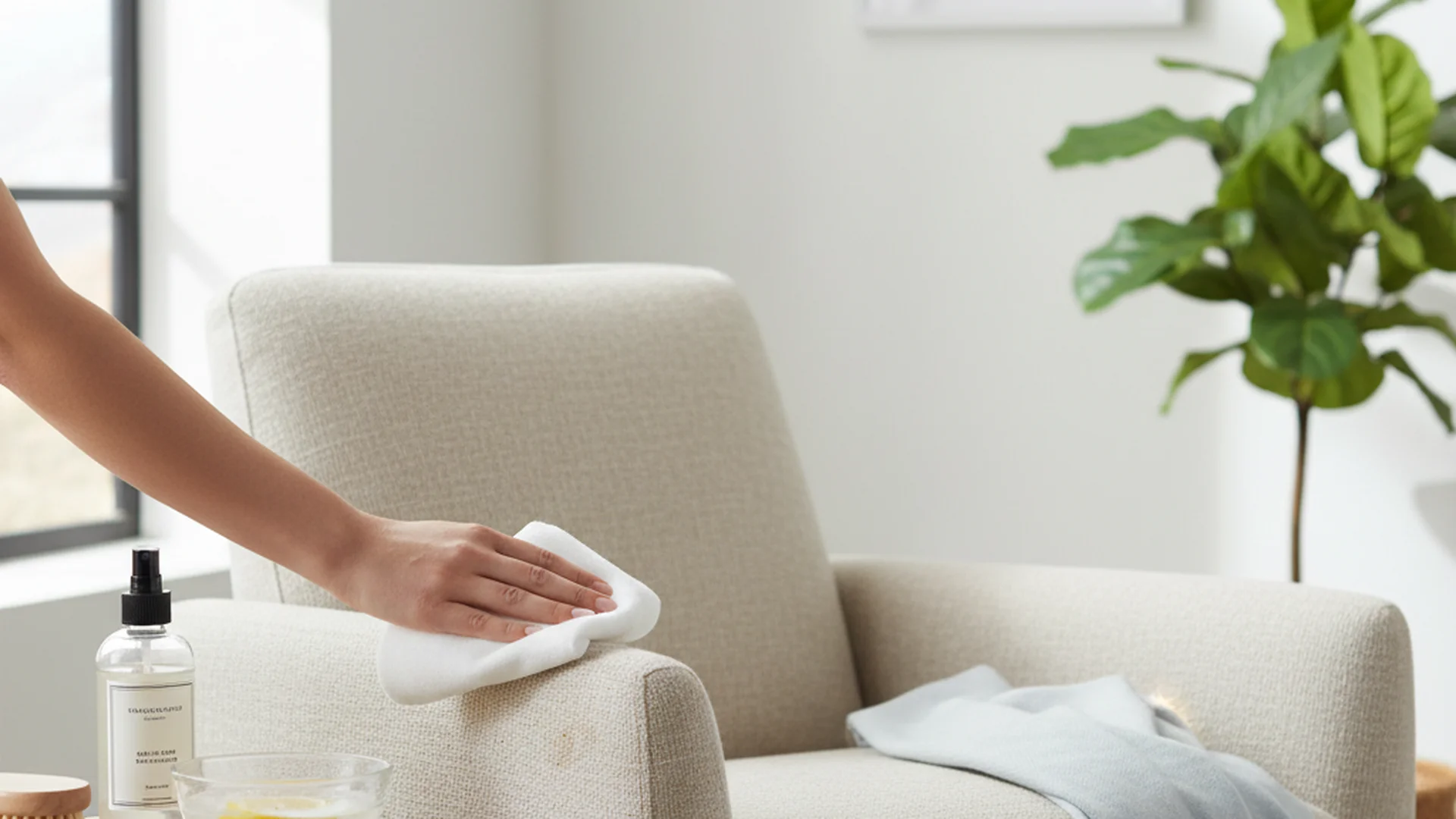
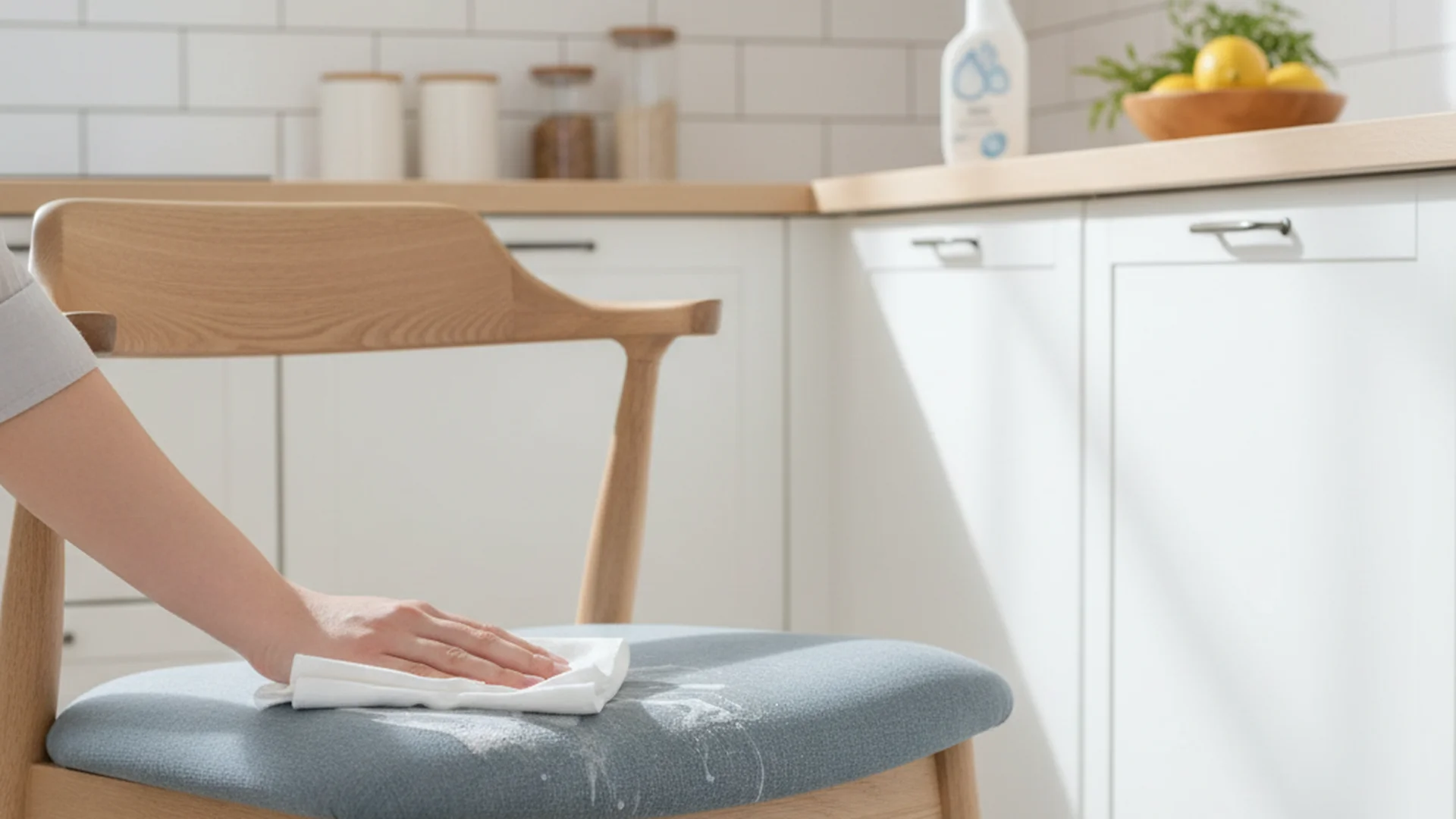
Success: A real-world example of this is the "Monday Morning Coffee" scenario. Instead of scrubbing a fresh spill, apply a pH-neutral cleaner and blot with a microfiber cloth. This prevents "pilling" (those tiny fuzz balls) from forming on the fabric.
Step 3: The Deep Clean
Depending on your code:
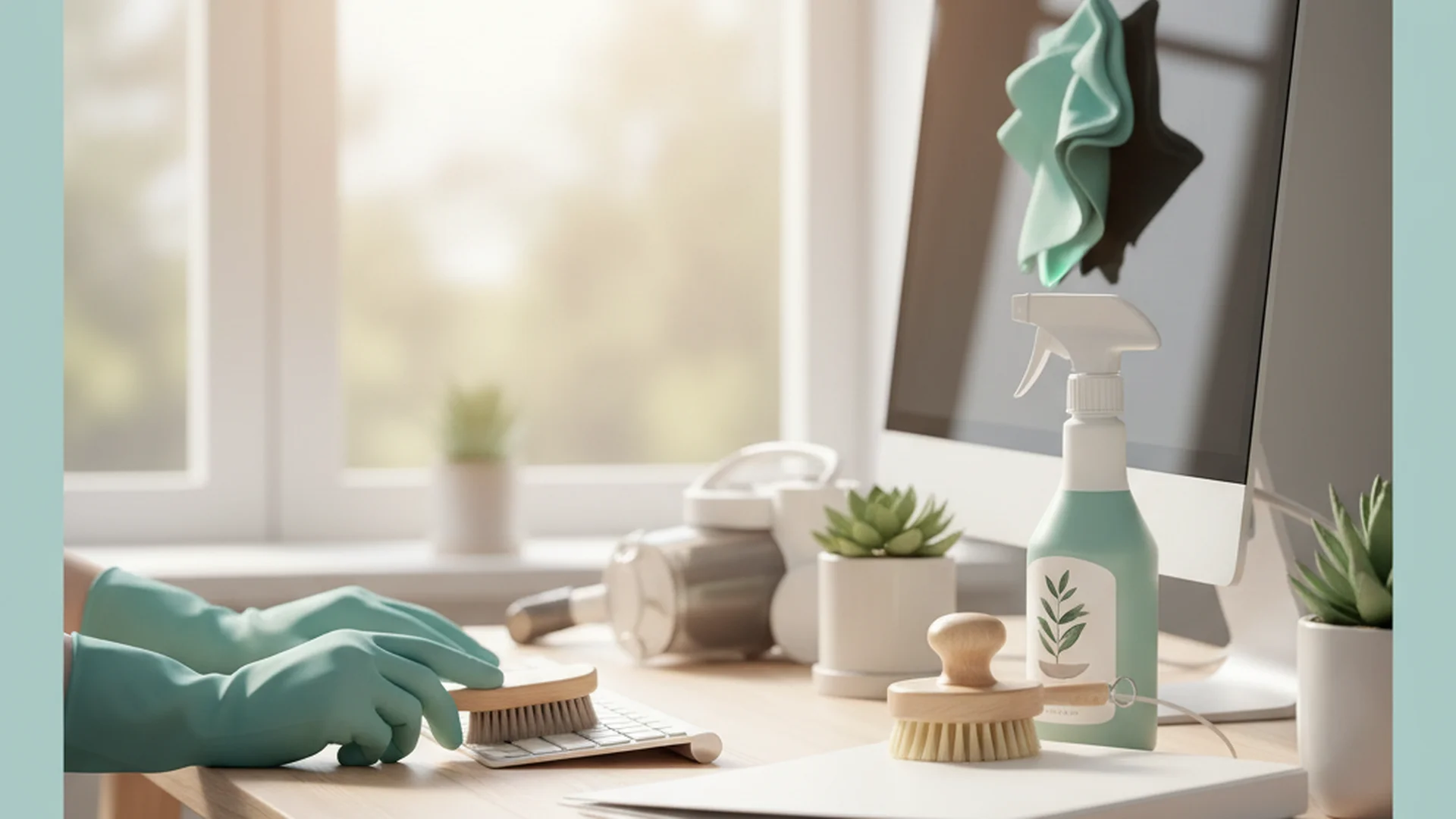
- For W or WS: Mix a few drops of clear dish soap with warm water. Use a microfiber cloth to gently wipe the entire surface.
- For S: Use a dedicated dry-cleaning solvent in a well-ventilated room.
- For Leather/PU: Use a damp cloth followed immediately by a leather conditioner to prevent cracking.
Tip: Use 70% isopropyl alcohol on hard plastic armrests and adjustment levers. These are "high-touch" zones that harbor the most viruses.
Maintenance for Different Materials
As we move into 2026, the "Resimercial" trend means many office chairs now use soft knits and velvets. These require a gentler touch compared to the heavy-duty nylon of the past.
Mesh Chairs
Mesh is the ultimate dust trap. Because it is breathable, it also catches skin cells and hair more easily than solid fabric. The best way to clean these is with a vacuum followed by a quick wipe with a damp cloth. Avoid high-heat steam cleaners, as intense heat can actually melt the synthetic fibers or weaken the tension of the mesh.
Leather and PU Leather
Genuine leather requires moisture, but not from water. Using standard dish soap on leather can strip its natural oils.
- Real-World Example: An executive chair that hasn't been cleaned in a year may show fine white lines. This isn't dirt—it's the leather drying out. Applying a leather conditioner every 6 months will stop these lines from becoming full-blown cracks.
Upholstered Fabric
Fabric chairs benefit most from bio-enzymatic cleaners. These "non-toxic" cleaners contain enzymes that "eat" organic stains like sweat and food residue, leaving the fabric truly sanitized rather than just visually clean.
Don't Forget the Hardware: Wheels and Gas Lifts
A clean seat is useless if the chair won't roll. Hair and carpet fibers are the primary enemies of office chair casters.
How to Clean the Wheels
- Turn the chair upside down: This gives you full access to the wheel housing.
- The Seam Ripper Trick: Use a seam ripper or small scissors to cut through tangled hair. Pull the hair out with tweezers.
- Compressed Air: Blow out the fine dust trapped inside the wheel axle.
- Lubricate: Apply a tiny drop of silicone-based lubricant to ensure smooth movement.
Warning: Avoid using WD-40 on chair wheels as it can attract more dust over time. Stick to silicone-based lubricants.
Recent Trends in Office Hygiene (2025–2026)
With hybrid work becoming the standard, "Down-Day" deep cleaning is a growing trend. This involves scheduling deep maintenance on Tuesdays or Fridays when office occupancy is lowest. Additionally, high-end home offices are now adopting UV-C sanitization. Portable UV-C light wands can kill 99.9% of bacteria on chair surfaces without using any moisture or chemicals—perfect for "X" coded chairs.
Common Mistakes to Avoid
- Over-Saturation: The most common mistake is using too much water. If the foam inside the seat gets wet, it can take days to dry, leading to mold and mildew growth inside the cushion.
- Ignoring the "Test Patch": Always test your cleaner on the underside of the chair. Even "mild" soaps can cause discoloration on certain designer fabrics.
- Using Bleach on Plastic: While bleach kills germs, it makes office chair plastic brittle over time, leading to cracks in the armrests or base.
- Assuming "Clean" Means "Sanitized": A chair may look clean but still harbor bacteria. Experts recommend a two-step process: cleaning (to remove dirt) followed by disinfecting (to kill germs).
- Neglecting Bolts: During your cleaning routine, take a moment to tighten any loose bolts. Mechanical failure is often caused by vibrations that loosen screws over months of use.
Frequently Asked Questions
What do the cleaning codes on the tag mean?
Can I use a steam cleaner on my office chair?
How do I remove hair and debris from the wheels?
Is dish soap safe for all chairs?
Conclusion
Cleaning your office chair is more than a chore; it’s an investment in your health and professional performance. By following the "Top-Down" method and respecting the manufacturer's cleaning codes, you can maintain a workspace that is both sanitary and comfortable. Remember, a clean chair isn't just about removing visible stains—it's about eliminating the hidden bacteria that accumulate during your 40-hour work week.
Success: A well-maintained, clean workspace has been proven to significantly boost employee well-being and productivity. Your chair is the foundation of your work day—treat it well!
Cleaning that keeps score
Every task earns points, every streak multiplies them, and Premium adds a household leaderboard plus a monthly Dustagorgon to beat.
- Free forever
- 30 badges to earn
- Up to 6 in a household
No card needed. Set up your rooms in a couple of minutes.