In this article
What you’ll learn
- Never saturate a mattress with water to avoid permanent mold growth.
- Use enzyme-based cleaners for organic stains like urine or sweat.
- Clean your mattress every 6 months to manage dust mites and bacterial build-up.
We spend approximately one-third of our lives in bed, yet the surface we sleep on is often the most neglected item in our cleaning repertoire. If you have ever looked at a mysterious yellowing patch and wondered how to clean mattress stains without ruining your expensive investment, you are not alone. Whether you are dealing with a spilled morning coffee or the inevitable wear and tear of daily use, maintaining a hygienic sleep environment is essential for your respiratory health and sleep quality.
In this guide, we will explore the best way to clean mattress stains using 2025’s most effective techniques, ranging from traditional household solutions to the latest in probiotic cleaning technology.
The Hidden Reality of Your Mattress
Before we dive into the "how-to," it is important to understand why deep cleaning is a non-negotiable part of home maintenance. The average person sheds about 1.5 pounds of dead skin per year and loses approximately 2 cups of perspiration every night.
This accumulation creates a literal feast for dust mites. A typical used mattress can harbor anywhere from 100,000 to 10 million of these microscopic creatures. Furthermore, after just one week, bed sheets can contain over 5 million bacteria per square inch. If the mattress underneath isn't protected or cleaned, it becomes a permanent reservoir for these microbes. Despite this, very few people follow the recommended six-month cleaning schedule, and plenty will admit to never having cleaned their mattress at all.
The Multi-Step Deep Clean Process
Regardless of the type of stain you are facing, every deep clean should follow this foundational four-step process to ensure you aren't just moving dirt around, but actually removing it.
Step 1: Systematic Vacuuming
Start by stripping the bed and using an upholstery attachment to vacuum the entire surface. Pay close attention to the seams and crevices where skin cells and dust mites congregate.
Warning: Always use a dedicated, sanitized upholstery attachment. Never use the same vacuum head you use for your floors, as this introduces outside bacteria and allergens directly onto your sleeping surface.
Step 2: Precision Spot Treatment
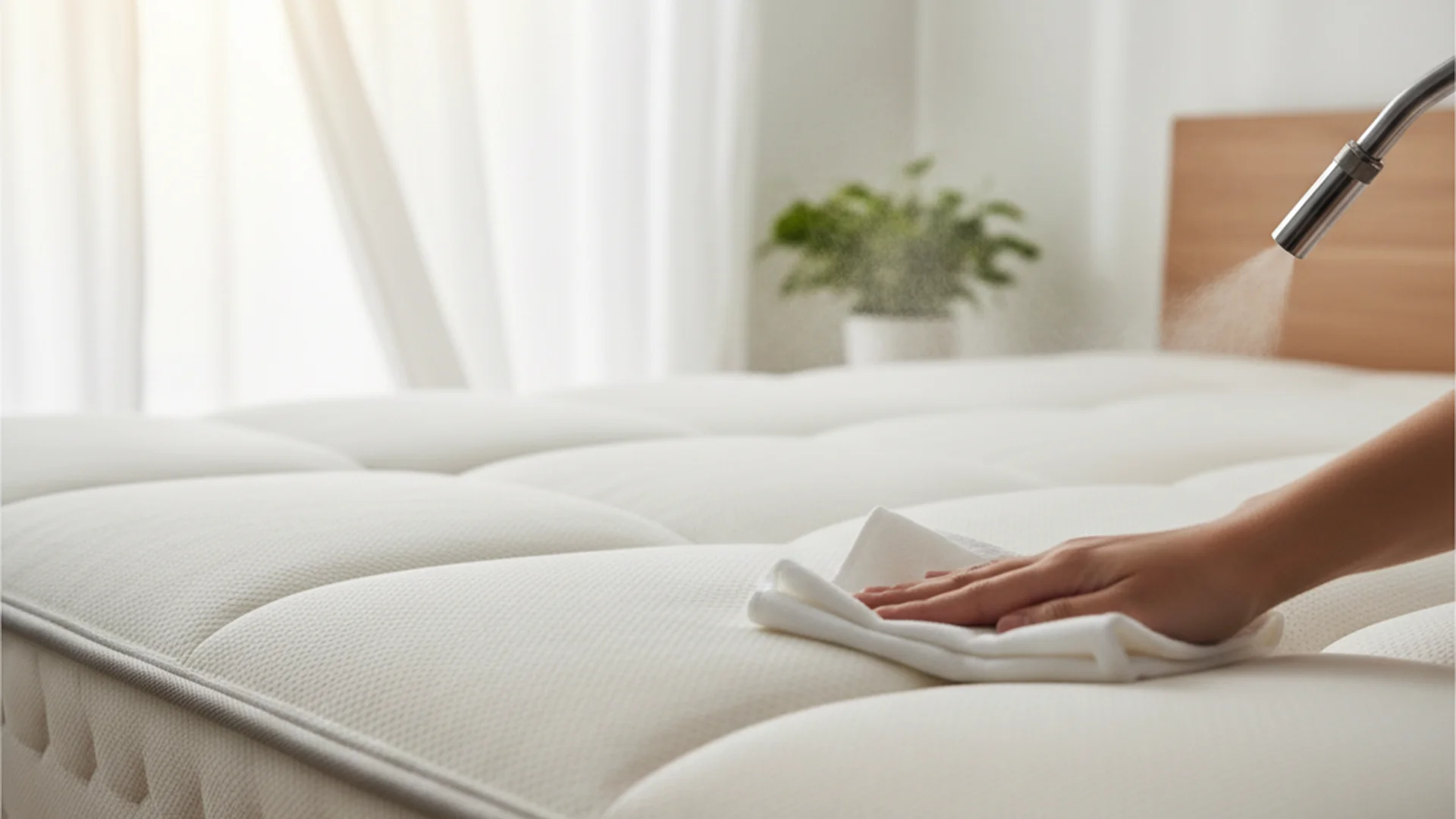
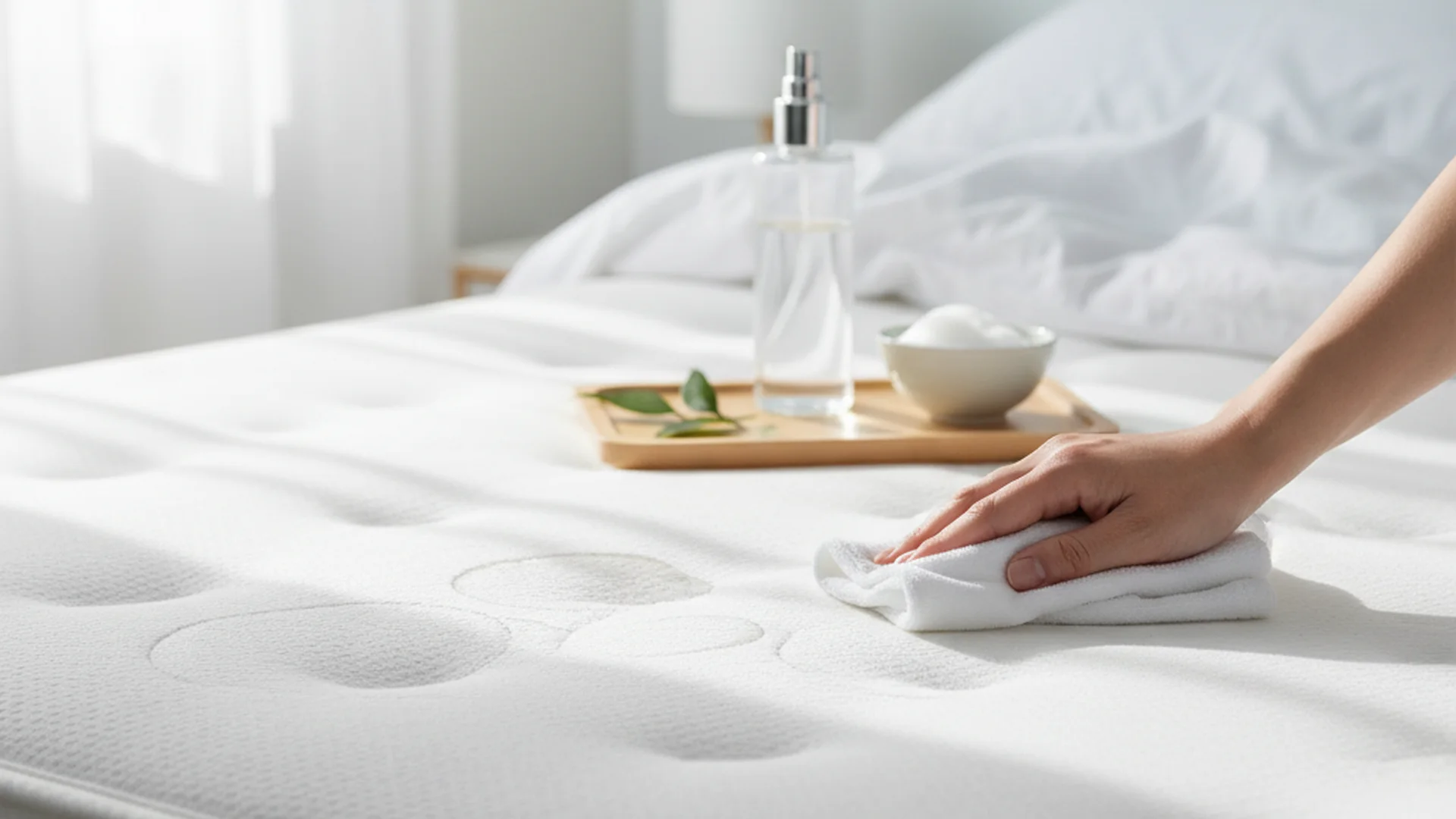
Once the loose debris is gone, you can address specific stains. The golden rule here is to apply cleaners to a microfiber cloth first, then dab the stain.
Step 3: The Deodorizing Phase
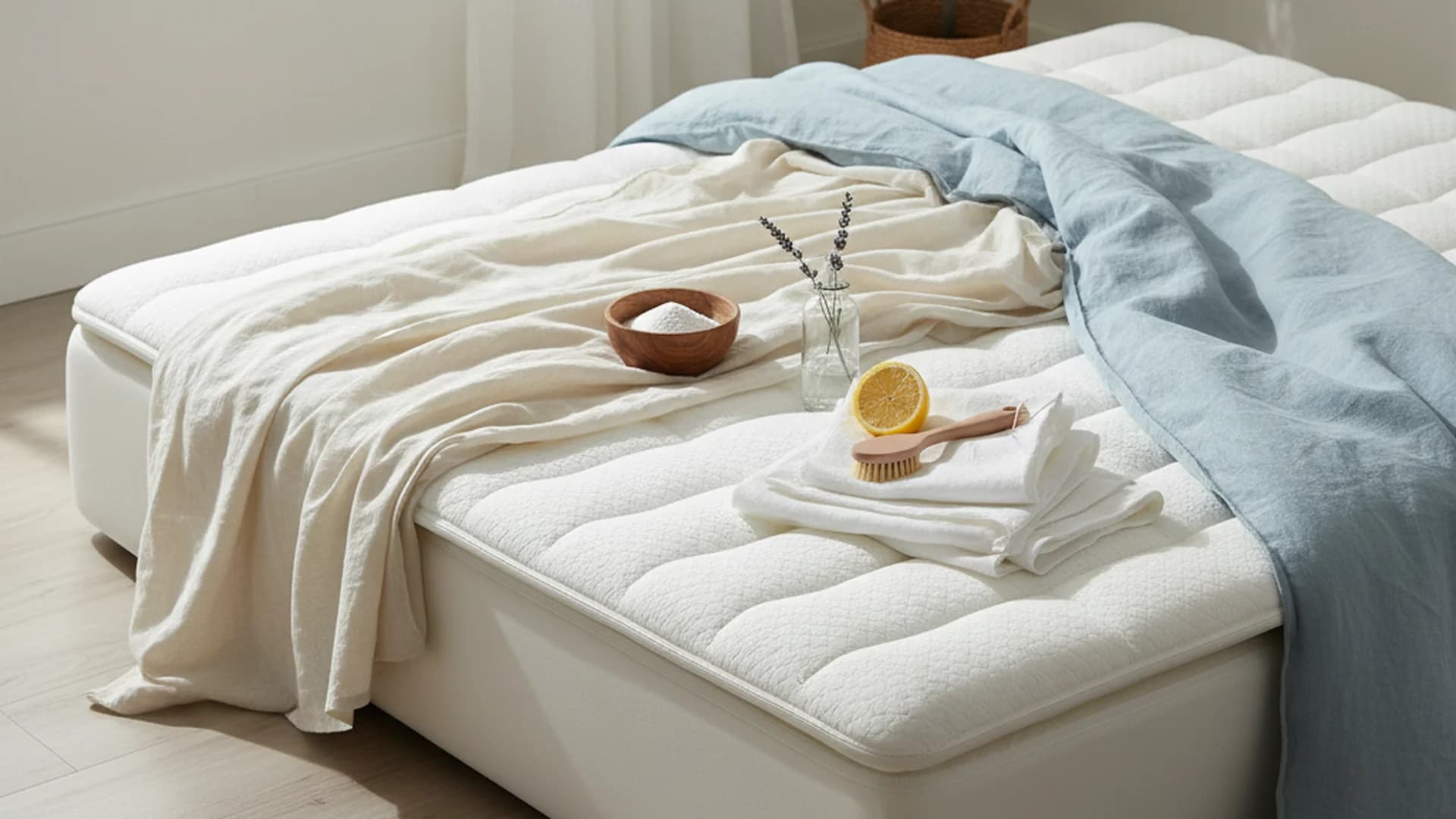
Sift a thin layer of baking soda over the entire surface. While baking soda isn't a stain remover on its own, it is unparalleled at drawing out moisture and neutralizing odors. Let it sit for at least 2 hours, though 24 hours is ideal for maximum effectiveness.
Step 4: Final Extraction
Vacuum the mattress a second time to remove the baking soda and any debris it has lifted from the fibers.
Success: This process not only removes visible spots but also resets the microscopic environment of your bed, leading to better air quality in your bedroom.
Stain-Specific Solutions for 2025
Different stains require different chemical reactions. Using the wrong solution can often set a stain permanently.
| Stain Type | Recommended Solution | Key Action |
|---|---|---|
| Blood | Hydrogen Peroxide & Cold Water | Use cold water only; heat sets protein stains. |
| Urine | Enzyme-based Cleaner | Breaks down uric acid crystals to stop odors. |
| Sweat (Yellow) | Peroxide, Baking Soda, & Dish Soap | Creates a lifting paste for organic oils. |
| Wine / Food | White Vinegar & Water (1:3) | Acids break down pigments without damaging fibers. |
Dealing with Biological Stains
For protein-based stains like blood, the most effective method remains a 1:1 mix of hydrogen peroxide and cold water.
Real-World Example: Imagine a common scenario where a child gets a nosebleed in the middle of the night. If you use hot water, the proteins in the blood "cook" into the fabric fibers. By using the peroxide and cold water method, the peroxide bubbles and lifts the protein to the surface, where it can be blotted away effortlessly.
Eliminating Urine and Pet Odors
If you have pets or young children, urine stains are a common hurdle. In these cases, standard soap is insufficient. You must use an enzyme-based cleaner. These products contain biological catalysts that actually "eat" the uric acid crystals.
Note: Modern enzyme cleaners like MattressGuard Pro are now formulated to work at a molecular level without damaging the delicate cooling fabrics found on high-end 2025 mattress models.
Common Mistakes to Avoid
The most frequent error people make when learning how to clean mattress stains is over-wetting the material.
- Mistake: Over-wetting. This is the leading cause of mattress "death." Moisture trapped in memory foam or internal coils leads to black mold within 24–48 hours. Always use the "dab, don't soak" method.
- Mistake: Using Bleach. Bleach is far too harsh for modern mattress textiles. it can disintegrate the fibers of memory foam and latex, voiding your warranty and ruining the structural integrity of the bed.
- Mistake: Making the Bed Immediately. Tucking in your sheets right after waking up traps the night's sweat. Leave the covers thrown back for at least 30 minutes to let the mattress breathe.
- Misconception: "My sheets keep it clean." Sheets are porous. Sweat and skin cells pass through them easily. A waterproof mattress protector is the only way to truly keep a mattress stain-free.
Trends and Innovations (2025–2026)
The mattress cleaning industry has seen significant technological shifts recently. If you are looking for the best way to clean mattress stains with minimal effort, consider these emerging trends:
UV-C Sterilization
2026 has seen a surge in handheld mattress vacuums equipped with UV-C light. This technology kills 99.9% of bacteria and dust mites instantly, providing a deep sanitization without the need for chemicals or water.
Probiotic Cleaning Sprays
A new eco-friendly trend involves sprays containing "good bacteria" (probiotics). These microorganisms remain on the mattress surface for days, naturally consuming organic matter like skin cells and sweat, effectively cleaning the mattress while you sleep.
Smart Hygiene Monitoring
Some 2026 smart mattresses now feature sensors that track "biometric debris accumulation." These sensors alert you via a smartphone app when it is time to vacuum or deep clean based on actual usage and sweat levels, rather than a generic calendar reminder.
Frequently Asked Questions
Can you wash a mattress?
Does baking soda actually remove stains?
How long does a mattress take to dry after cleaning?
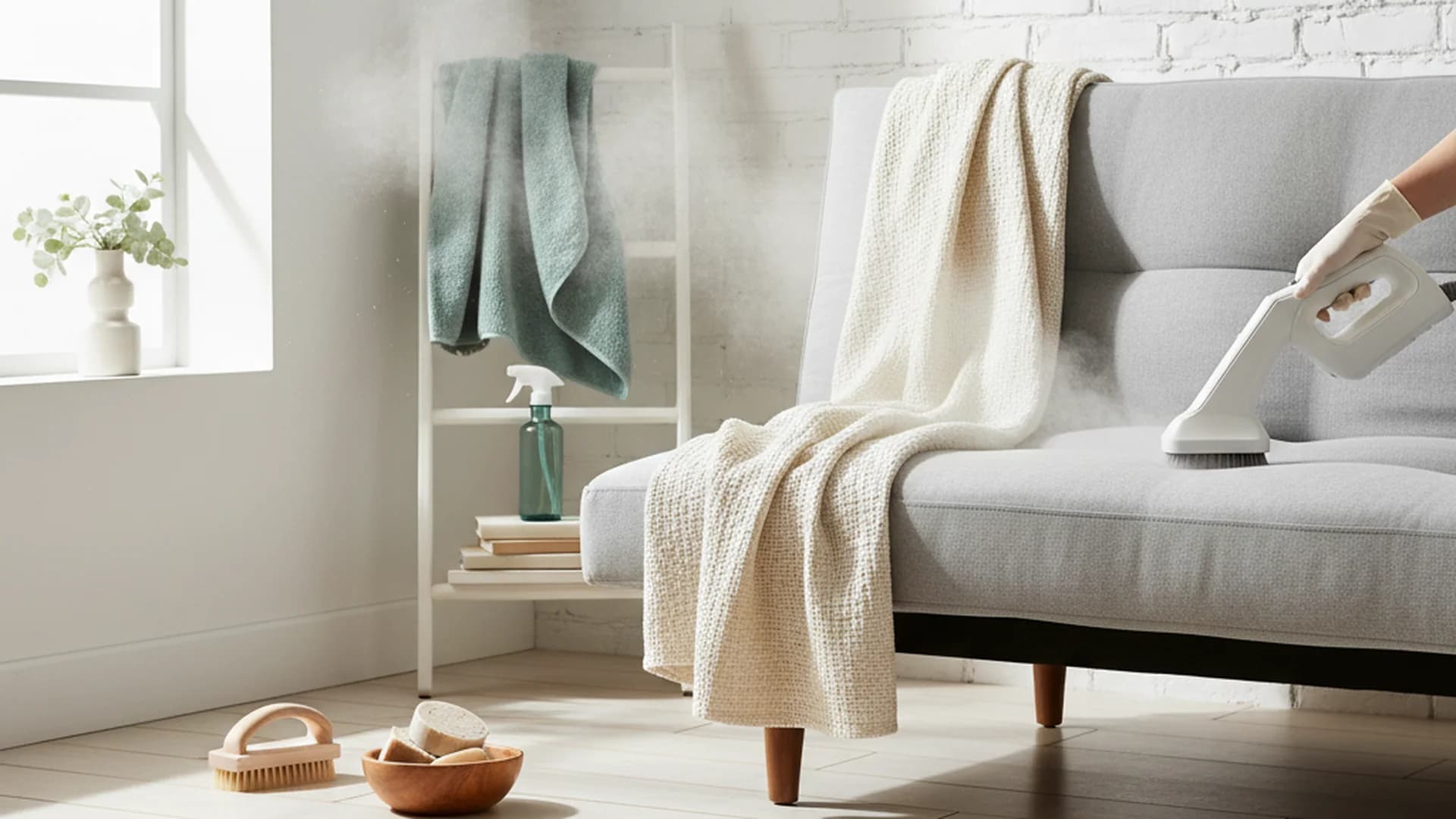
Can I use a steam cleaner on memory foam?
Conclusion
Cleaning your mattress is about more than just aesthetics; it is a vital component of home hygiene and longevity. By following the "dab, don't soak" rule and utilizing enzyme-based cleaners for organic spots, you can keep your sleep surface pristine for years to come. As we move into 2026, incorporating tools like UV-C vacuums and probiotic sprays can make this task even easier and more effective.
Tip: The best defense is a good offense. Investing in a high-quality, breathable, waterproof mattress protector will prevent 99% of stains from ever reaching the mattress fibers in the first place.
Cleaning that keeps score
Every task earns points, every streak multiplies them, and Premium adds a household leaderboard plus a monthly Dustagorgon to beat.
- Free forever
- 30 badges to earn
- Up to 6 in a household
No card needed. Set up your rooms in a couple of minutes.