In this article
What you’ll learn
- Use the 5-5-5 method with vinegar and lemon to deodorize the sealing ring.
- The inner pot is 304 stainless steel and requires non-abrasive cleaning to prevent sticking.
- Replace silicone sealing rings every 6-12 months to ensure proper pressure sealing.
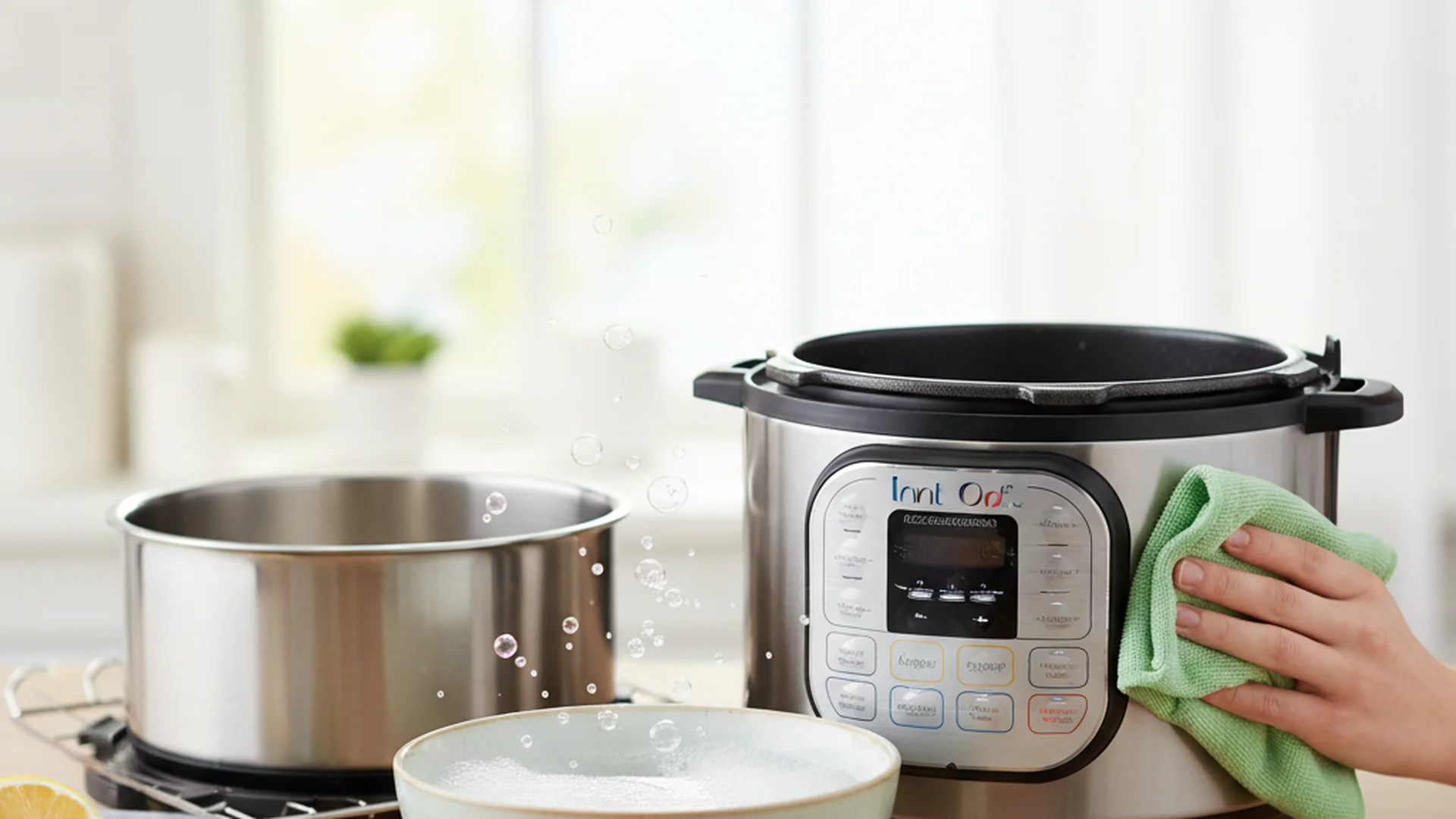
The Instant Pot has revolutionized the modern kitchen, turning hour-long braises into quick weeknight meals. However, with great power comes great cleanup responsibility. If you’ve ever opened your lid only to be hit by the ghost of last week’s spicy chili, you know that a simple rinse isn't enough. Learning how to clean Instant Pot components properly is the secret to extending the life of your appliance and ensuring your yogurt doesn't taste like garlic.
In this guide, we will dive into the most effective methods to maintain your pressure cooker, including how to clean instant pot naturally using household staples. Whether you have a classic Duo or the latest 2025 WhisperQuiet model, these expert-backed steps will keep your kitchen workhorse in pristine condition.
The Anatomy of a Clean Instant Pot
Before we scrub, we must understand what we are working with. The standard Instant Pot is a marvel of engineering, but it has several distinct parts that require different cleaning approaches.
Approximately 75% of the Instant Pot’s components are dishwasher safe. This includes the stainless steel inner pot, the silicone sealing ring, the lid (top rack only), and the steam rack. However, the base—the "brain" of the operation—must never see a drop of submerged water.
| Component | Dishwasher Safe? | Recommended Cleaning Method |
|---|---|---|
| Inner Pot | Yes | Dishwasher or Bar Keepers Friend |
| Lid | Yes (Top Rack) | Hand-wash for longevity |
| Sealing Ring | Yes | 5-5-5 Steam Clean |
| Outer Base | NO | Damp microfiber cloth |
| Steam Release Valve | Yes | Manual rinse after every use |
How to Clean Instant Pot Naturally: The 5-5-5 Method
One of the biggest complaints from users is the lingering smell of savory spices in the silicone sealing ring. Because silicone is porous, it can absorb up to 50% of food odors. To combat this, experts recommend a natural steam clean.
To clean instant pot with vinegar, follow the "5-5-5" hack:
- Add the mixture: Place 1 cup of water, 1 cup of white vinegar, and 2-3 thick lemon slices into the inner pot.
- The 5-Minute Cycle: Secure the lid and run the "Steam" function for 5 minutes.
- The 5-Minute Release: Let the pressure release naturally for 5 minutes before venting the remaining steam.
- The 5-Minute Finish: Remove the lid and sealing ring, then wipe the interior dry.
Success: This method uses the power of acetic acid and citric acid to break down grease and neutralize odors simultaneously without harsh chemicals.
Deep Cleaning the Inner Pot
The inner liner is made of food-grade 304 (18/8) stainless steel. While durable, it often develops "heat tint"—those iridescent, rainbow-colored swirls. This isn't a defect; it’s a reaction between minerals and the steel.
Removing Rainbow Stains and Mineral Deposits
To remove these stains, simply wipe the dry pot with a cloth dipped in white vinegar. The acid neutralizes the mineral film instantly. For more stubborn, "burnt-on" food bits, reach for Bar Keepers Friend. It is the gold-standard recommendation for removing carbonized food without scratching the surface.
Warning: Never use steel wool or harsh abrasive pads on the inner pot. These create microscopic scratches that make food stick more frequently in future cooking sessions.
Real-World Example: The "Burn" Notice Recovery
Imagine you were cooking a thick tomato sauce and forgot to deglaze. You now have a layer of black carbon at the bottom. Instead of scrubbing for an hour, make a "Baking Soda Paste" (3 parts baking soda, 1 part water), apply it to the burnt areas, let it sit for 20 minutes, and then use a "Scrub Daddy" or non-scratch sponge to lift the residue effortlessly.
Maintenance for 2025-2026 Models
As technology evolves, so do our cleaning requirements. If you have upgraded to a 2025 model, there are specific features you must attend to.
WhisperQuiet™ Technology
The newer Duo Plus with WhisperQuiet features a specialized steam release cover. While it makes the kitchen peaceful, the "snaky" interior paths of the silencer can trap starch from rice or pasta. If not popped off and cleaned after every use, the starch hardens, eventually clogging the valve and ruining the silencing effect.
Rio™ Series Wide Pots
The shift toward wider, shallower pots like the Rio Wide offers more sautéing surface. However, users are finding that these models require more frequent attention to the bottom surface. To maintain the "anti-spin" grip of the inner pot, ensure you are removing all grease film using a degreaser or citric acid powder.
Note: Citric acid powder is becoming the preferred "sustainability" choice in 2025 for descaling high-wattage heating elements, as it is more potent than vinegar for hard-water buildup.
The Sealing Ring: The Secret to Pressure
The sealing ring is the most critical part of your Instant Pot. Without a perfect seal, the pot cannot reach pressure. Expert consensus and manufacturer guidelines recommend replacing the silicone sealing ring every 6–12 months.
The Color-Coded System
To prevent your cheesecake from smelling like beef stew, use a color-coded system. Keep a clear or blue ring strictly for sweet dishes and a red or green ring for savory dishes. This prevents flavor transfer, which is the most common complaint among multi-cooker users.
Tip: Store your Instant Pot lid upside down on top of the base. This allows the sealing ring to "breathe" and prevents moisture from being trapped, which leads to mold growth.
Common Mistakes to Avoid
Even seasoned home cooks make mistakes that can shorten the life of their appliance.
- The Condensation Collector Oversight: Most models have a small plastic cup on the back. Many users forget it exists. If not emptied weekly, it becomes a breeding ground for mold and foul kitchen smells.
- Submerging the Base: Warning: If you accidentally get water inside the base unit, do not plug it in. It contains a microprocessor and heating element. It must be left to dry for at least 72 hours (placing it near a fan helps) before you attempt to use it again.
- Forgetting the Anti-Block Shield: Under the lid, there is a small metal mesh shield. While the lid is dishwasher safe, food particles (like a stray grain of rice) often hide behind this shield. You must pop it off occasionally to ensure the steam path is clear.
- Ignoring the Air Fryer Lid: If you own a Duo Crisp, remember that the air fryer lid cannot be submerged or put in the dishwasher. Wipe it down with a damp cloth only after it has completely cooled.
Frequently Asked Questions
Is the Instant Pot lid actually dishwasher safe?
Why does my inner pot have white spots?
Can I clean my Instant Pot with bleach?
How do I clean the "trench" around the rim of the base?
Conclusion
Mastering how to clean Instant Pot units doesn't just keep your kitchen looking good—it ensures your food tastes better and your appliance lasts for years. By utilizing the 5-5-5 vinegar method, maintaining your sealing rings, and staying on top of the condensation collector, you can avoid the dreaded "Burn" notice and keep your pressure cooker in peak condition.
Success: A clean pot is a safe pot. Regular maintenance ensures the sensors and valves work correctly every time you press "Start."
Cleaning that keeps score
Every task earns points, every streak multiplies them, and Premium adds a household leaderboard plus a monthly Dustagorgon to beat.
- Free forever
- 30 badges to earn
- Up to 6 in a household
No card needed. Set up your rooms in a couple of minutes.