In this article
What you’ll learn
- Vacuuming before wiping is the most effective way to remove debris.
- Always use the "Three-Towel System" to prevent streaks and moisture damage.
- Deep cleaning should occur every 3 to 6 months for optimal kitchen hygiene.
When we think about kitchen hygiene, our minds immediately go to sparkling countertops, scrubbed sinks, and mopped floors. However, there is a hidden world behind your cabinet doors that often goes neglected. If you want a truly healthy home, you must learn the best way to clean inside cabinets.
While they may look tidy from the outside, the interiors of your cabinetry are magnets for dust, crumbs, grease, and—surprisingly—pathogens. Whether you are preparing for a seasonal reset or simply want to declutter your life, knowing how to clean inside cabinets easily and effectively will not only protect your investment but also improve your kitchen’s overall wellness. In this guide, we will explore professional techniques, the latest 2025 cleaning trends, and the reasons why those "closed doors" aren't as protective as you think.
Why You Need to Clean Inside Cabinets
It is easy to adopt an "out of sight, out of mind" mentality regarding your storage spaces. However, the interiors of your cabinets are far from sterile. Spice containers are a notorious cross-contamination point: you reach for them mid-prep with hands that have just touched raw meat, and the jar goes straight back onto the shelf unwashed. That makes a spice cabinet an easy place for pathogens to travel between meals.
Kitchen storage surfaces can also collect a surprising amount of bacteria. When you consider that your dinnerware and food staples sit directly on these surfaces, the importance of a deep clean becomes clear. Most of us wipe down the kitchen constantly, yet the cabinet interiors are typically only addressed once or twice a year. By 2025, the trend of "Wellness Cleaning" has emphasized that a crumb-free, organized cabinet isn't just about aesthetics—it's about reducing "visual noise" and kitchen stress.
Note: Maintaining clean cabinet interiors can also prevent pest infestations. Crumbs and spilled flour are major attractants for weevils and ants.
The Ultimate Step-by-Step Guide
To clean inside cabinets effectively, you need a systematic approach. Following a "top-down" method ensures that you aren't knocking dust onto surfaces you have already sanitized.
Step 1: Empty and Inventory
You cannot clean a cabinet that is full of plates and dry goods. Start by completely emptying one section at a time. This is the perfect opportunity to check expiration dates on canned goods or donate that specialized gadget you haven't used in three years.
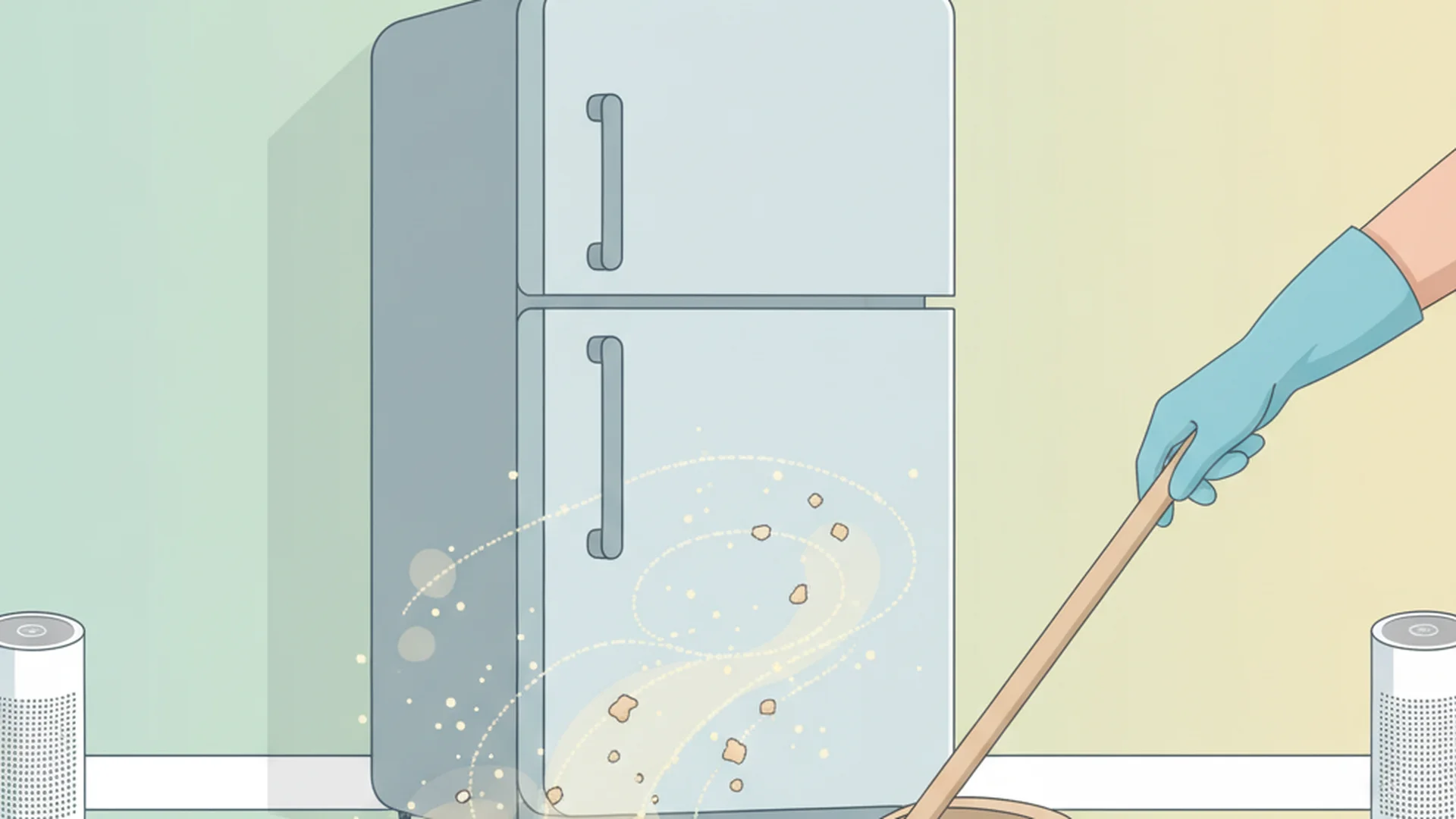
Step 2: The Dry Phase (Vacuuming)
Before you introduce any liquids, you must remove loose debris. Using a damp cloth on a shelf full of crumbs often creates a "muddy" mess that is harder to clean.
- Use a vacuum with a hose attachment or a crevice tool.
- Pay special attention to the corners where dust and flour tend to collect.
- Success: Vacuuming first prevents the spread of bacteria that thrives in moist environments.
Step 3: The Three-Towel System
For a professional finish, use three separate microfiber cloths:
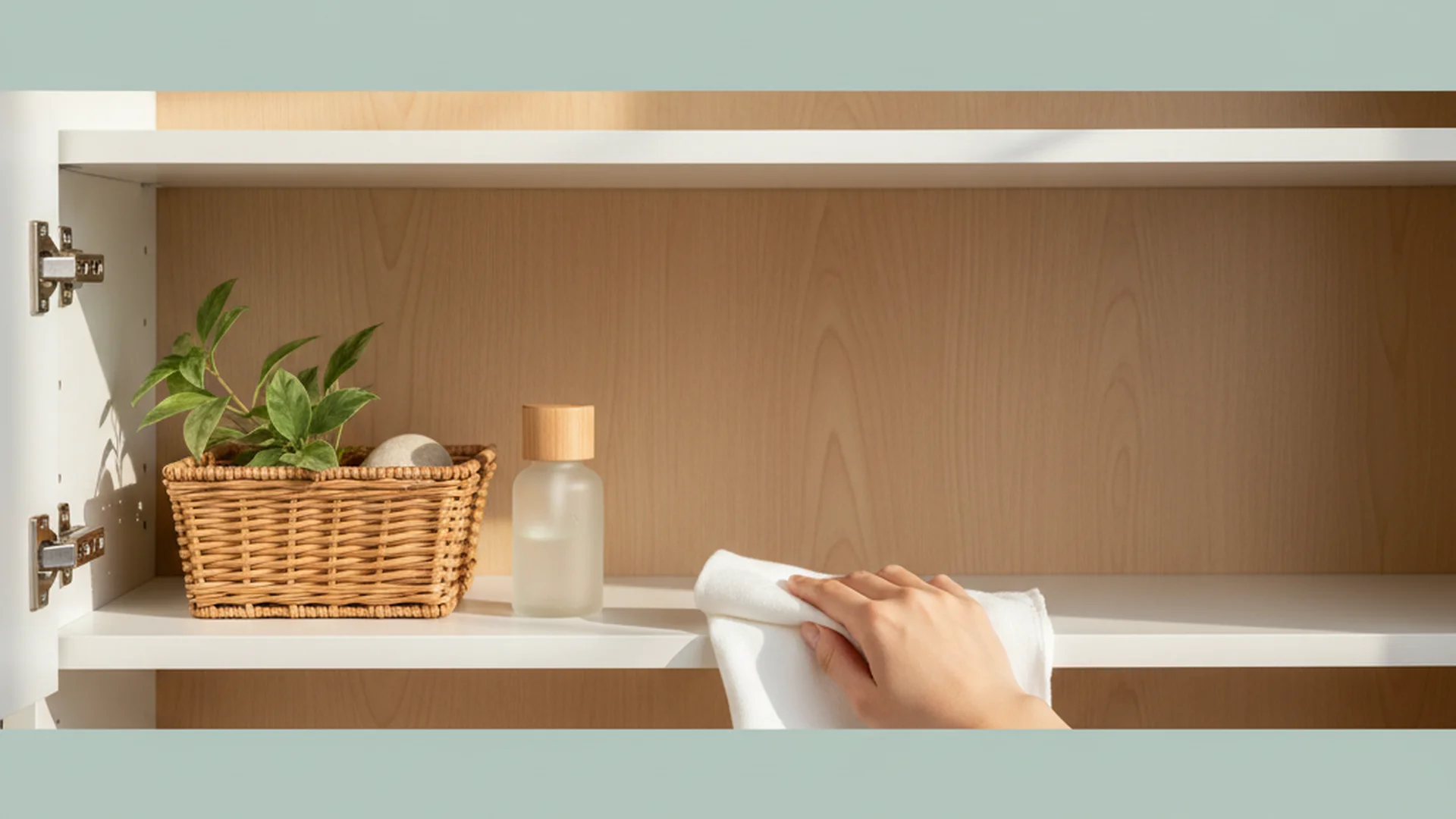
- The Cleaning Cloth: Dampen with warm water and a drop of mild dish soap. Wipe all internal surfaces.
- The Rinse Cloth: Dampen with plain, cool water to remove any soapy residue.
- The Buffing Cloth: A dry microfiber cloth to hand-dry the surface immediately.
Warning: Never leave your cabinets to air dry. Trapped moisture inside a closed cabinet can lead to mold, mildew, and warping of wood or MDF.
Material-Specific Care Instructions
Not all cabinets are created equal. Using the wrong cleaner on a specific finish can lead to permanent damage.
| Material | Recommended Cleaner | What to Avoid |
|---|---|---|
| Natural Wood | Mild dish soap or Murphy’s Oil Soap | Excess water, bleach, or ammonia |
| Laminate/Thermofoil | 1:1 Vinegar and water solution | Abrasive pads or "Magic Erasers" |
| Painted Cabinets | Warm soapy water | Harsh chemicals that strip paint |
| Glass Inserts | Specialized glass cleaner | Sprays containing wax |
Real-World Example: The Honey Spill
Imagine you find a sticky honey leak in the back of your wood pantry. If you scrub it with a harsh abrasive, you will scratch the finish. Instead, place a warm, damp (not wet) cloth over the spill for five minutes to soften the sugars, then gently wipe away using the Three-Towel System.
Real-World Example: The "Junk" Cabinet
Most homes have a cabinet filled with batteries, tools, and loose mail. These cabinets often accumulate metallic dust and ink stains. For these areas, a plant-based, low-VOC degreaser is best to remove grime without leaving behind toxic fumes.
Trends for 2025-2026: The Future of Clean
The cleaning industry is shifting rapidly toward sustainability and technology. By 2025, eco-conscious cleaning products are expected to account for 30% of the market.
- Eco-Conscious Chemistry: More homeowners are choosing plant-based cleaners to maintain indoor air quality. These cleaners are particularly important for cabinet interiors where food is stored.
- UV Sanitization: Portable UV-C light wands are becoming a popular "tech-forward" way to sanitize spice racks and medicine cabinets without using liquids.
- Matte Finishes: While newer 2025 cabinet designs favor matte finishes that hide fingerprints on the outside, they often show grease marks more clearly on the inside. This makes regular interior maintenance even more vital.
Tip: Consider installing non-adhesive, washable shelf liners. They protect your cabinets from leaks and can be pulled out and rinsed in the sink, making your next deep clean much faster.
Common Mistakes to Avoid
Even well-intentioned cleaning can cause damage if you aren't careful. Avoid these common pitfalls:
1. Over-Wetting the Surfaces
The #1 mistake homeowners make is using a sopping wet rag. Excess water seeps into joints and seams, causing wood to swell and laminate to peel. Always wring your cloth until it is just barely damp.
2. Ignoring the Hardware
People often clean the shelves but forget the hinges and drawer slides. Over time, dust and cooking grease can gum up these mechanisms. Wipe them with a dry cloth or use a soft-bristled toothbrush to remove buildup.
3. Using Harsh Chemicals
Bleach or ammonia-based cleaners can permanently discolor cabinet finishes. More importantly, these chemicals leave behind toxic residues in areas where you store your family's dinnerware.
4. The "Stacking Effect" Trap
Many people believe that because their cabinet doors are closed, the items inside stay clean. In reality, the "stacking effect" of plates and jars can trap dust and create a dark environment where pests thrive.
Warning: Never mix cleaning agents. Combining vinegar (an acid) with certain commercial cleaners can create dangerous fumes.
Frequently Asked Questions
How often should I clean the inside of my cabinets?
What is the best cleaner for cabinet interiors?
Can I use a vacuum inside cabinets?
Do I really need to dry them, or can they air dry?
Are Magic Erasers safe for painted cabinets?
Conclusion
Learning how to clean inside cabinets is a fundamental skill for any homeowner looking to maintain a healthy, organized, and long-lasting kitchen. By using the Three-Towel System, avoiding excess moisture, and staying consistent with your cleaning schedule, you can transform your storage spaces from hidden dust-collectors into pristine extensions of your home.
Remember, a clean cabinet isn't just about looks—it's about the safety of the food you eat and the longevity of your home's most important room. Take it one cabinet at a time, and you'll find that maintaining your kitchen is easier than you ever imagined.
Success: A clean cabinet interior reduces kitchen stress, improves food safety, and protects your cabinetry for years to come.
Cleaning that keeps score
Every task earns points, every streak multiplies them, and Premium adds a household leaderboard plus a monthly Dustagorgon to beat.
- Free forever
- 30 badges to earn
- Up to 6 in a household
No card needed. Set up your rooms in a couple of minutes.