In this article
What you’ll learn
- Weekly deep cleaning reduces fire risks and improves energy efficiency.
- Never use steel wool or aluminum foil liners on modern gas ranges.
- Ensure burner components are 100% dry before reassembly to avoid ignition issues.
A clean kitchen is the heart of a high-efficiency home, but many homeowners struggle with the most used appliance in the room. If you are wondering how to clean gas stove top surfaces without spending hours scrubbing, you aren't alone. Plenty of U.S. households still rely on natural gas for cooking. While gas ranges offer superior heat control, they are notorious for trapping grease, carbonized food, and mineral deposits.
Maintaining a pristine cooktop isn't just about aesthetics; it is a matter of safety and financial efficiency. Research shows that over 25% of residential cooking fires are caused by the ignition of grease or food residue. Furthermore, a clean burner operates more efficiently, contributing to the average $1,132 per year that gas-using households save compared to all-electric homes. In this guide, we will explore the best way clean gas stove top components using modern 2026 techniques and time-tested methods.
Why Your Cleaning Routine Matters in 2026
In the current landscape of home maintenance, we are seeing a shift toward "precision cleaning." Modern gas stoves, including the latest 2026 models from brands like Samsung and Bosch, often feature AI-enabled "Clean-Alerts." These sensors monitor flame quality and notify your smartphone if a yellow flame or uneven heating is detected, usually signaling a clog.
However, you don't need a smart stove to practice smart maintenance. Neglecting your stove leads to more than just an eyesore. Food debris can clog ignition ports, leading to that frustrating "clicking" sound without a flame. While a basic igniter repair is often under $100, ignoring the buildup can lead to gas line issues or control module failures that cost hundreds more.
Essential Supplies for the Modern Kitchen
Before you begin, gather the right tools. The 2026 trend has moved away from harsh, toxic chemicals in favor of enzymatic cleaners and steam.
- Enzymatic Degreaser: These break down biological fats and proteins without the toxic fumes of ammonia.
- Microfiber Cloths: Essential for the "Nano-Coated" finishes seen on newer stainless steel models.
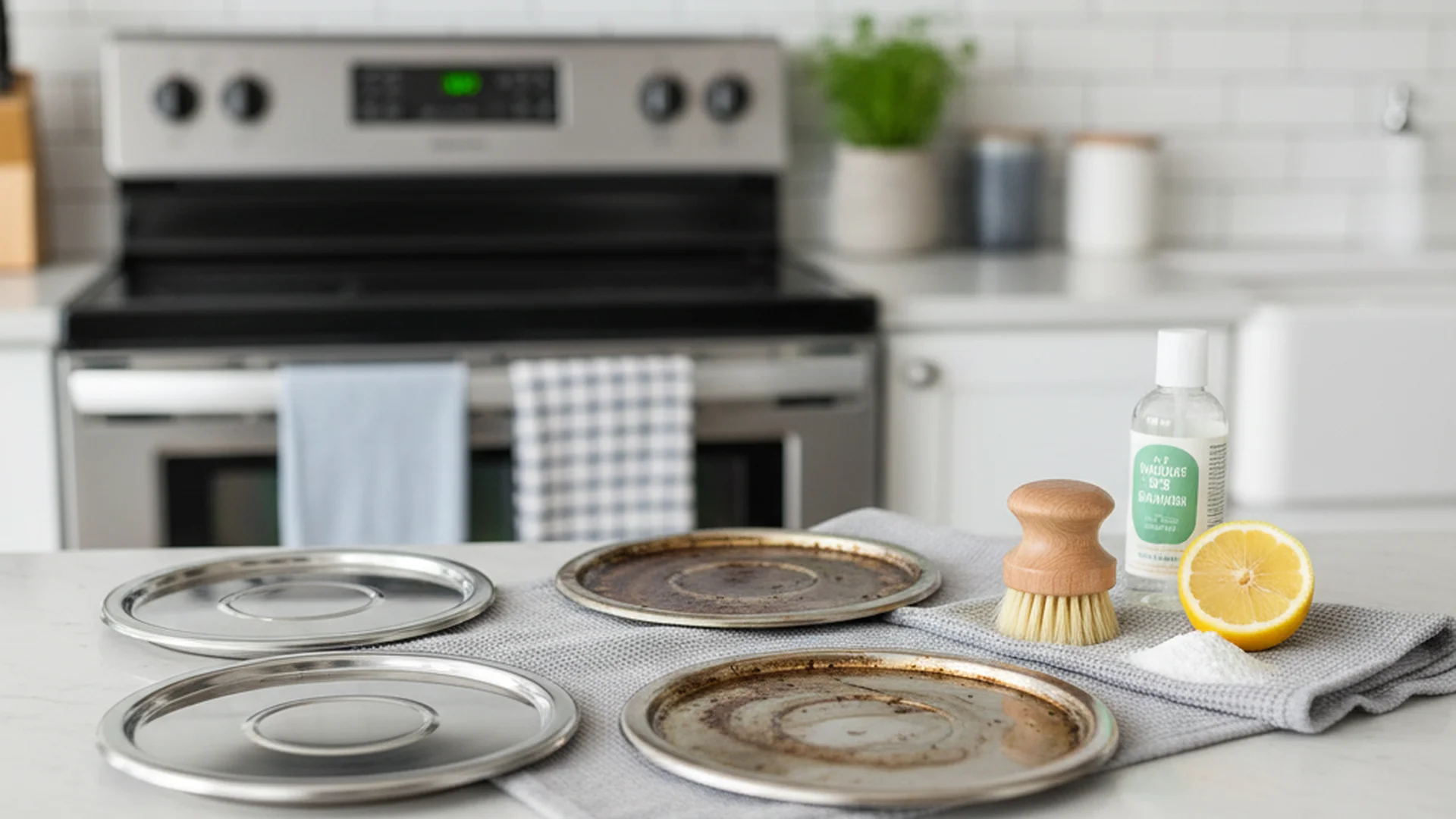
- Non-abrasive Scrub Pads: Avoid steel wool at all costs.
- Soft-bristled Toothbrush or Safety Pin: For clearing burner ports.
- White Vinegar and Baking Soda: The classic duo for heavy-duty grease.
- Handheld Steam Cleaner (Optional): The gold standard for chemical-free cleaning in 2026.
Tip: If you have a newer "fingerprint-resistant" or "Nano-Coated" stainless steel stove, the best way clean gas stove top surfaces is often just a damp microfiber cloth and warm water.
Step-by-Step: How to Clean Gas Stove Top Like a Pro
Step 1: The "Cool-First" Rule
Safety is paramount. Never attempt to clean a stove while it is hot. Thermal shock can cause enamel or glass surfaces to crack, and many cleaning agents emit dangerous fumes when they contact a hot surface. Ensure the gas is off and the surface is cool to the touch.
Step 2: Grates and Burner Caps
Remove the grates and burner caps. Most modern grates are made of cast iron. While it is tempting to throw them in the dishwasher, manufacturers strongly advise against it. Harsh detergents can strip the protective seasoning, leading to rust.
The Ammonia Bag Method (Real-World Example): For grates with years of baked-on grease, try the "no-scrub" method. Place each grate in a gallon-sized Ziploc bag with a splash of ammonia. Seal it and let it sit outdoors or in a well-ventilated garage overnight. The fumes (not the liquid) will dissolve the grease. In the morning, the residue will simply wipe away with a sponge.
Step 3: Cleaning the Burner Heads
The burner head is where the gas meets the spark. If the tiny holes (ports) are clogged, you’ll get an uneven flame.
- Soak the burner heads in a 1:1 mixture of vinegar and water for 30 minutes.
- Use a safety pin or a soft toothbrush to clear the ports.
- Warning: Do not use wooden toothpicks; if they break off inside the port, they create a permanent clog and a potential fire hazard.
Warning: Avoid "flooding" the cooktop. Pouring soapy water directly onto the surface can allow liquid to seep into the electrical valves, causing a short circuit in the ignition system.
Step 4: Scrubbing the Surface
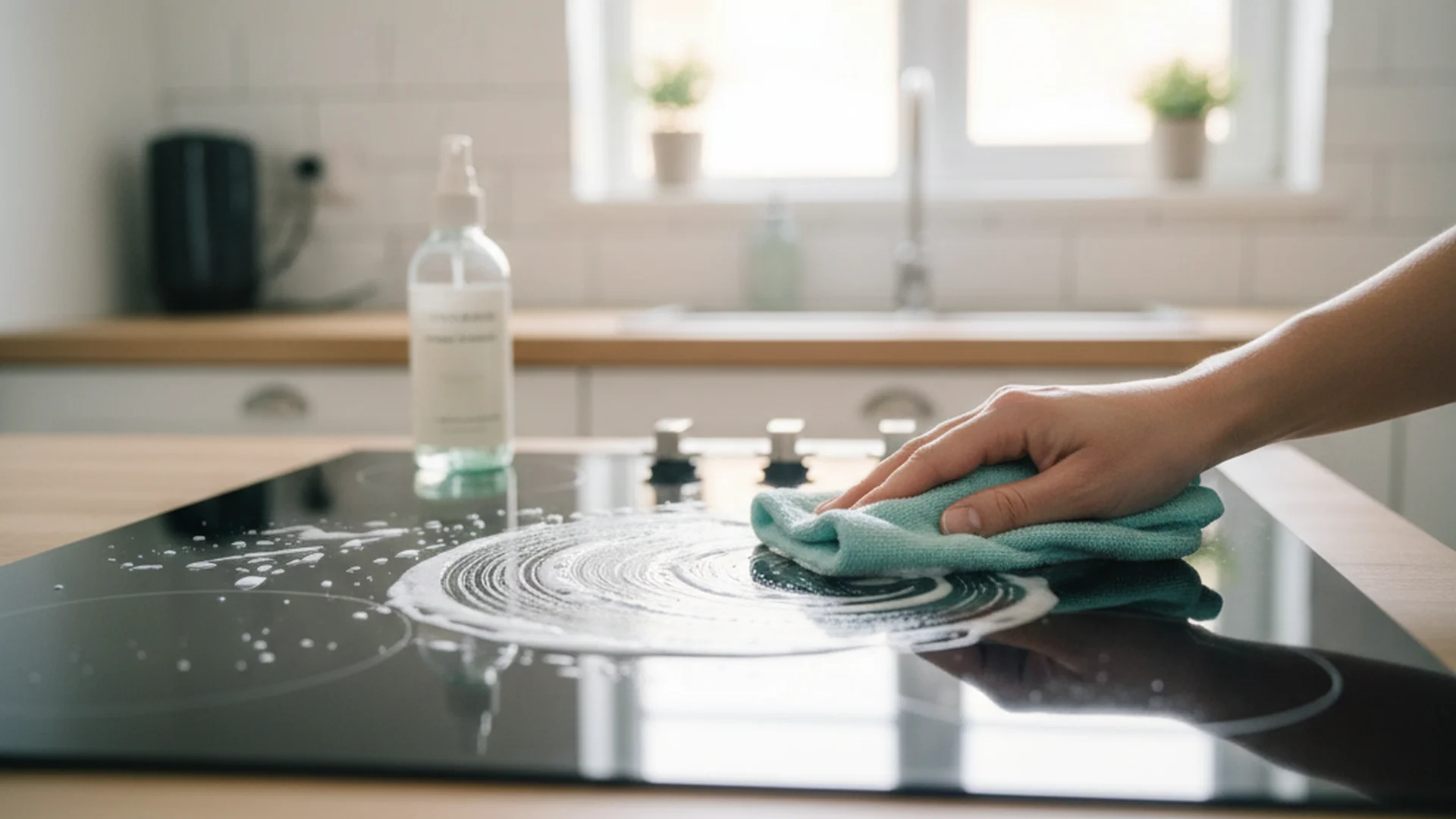
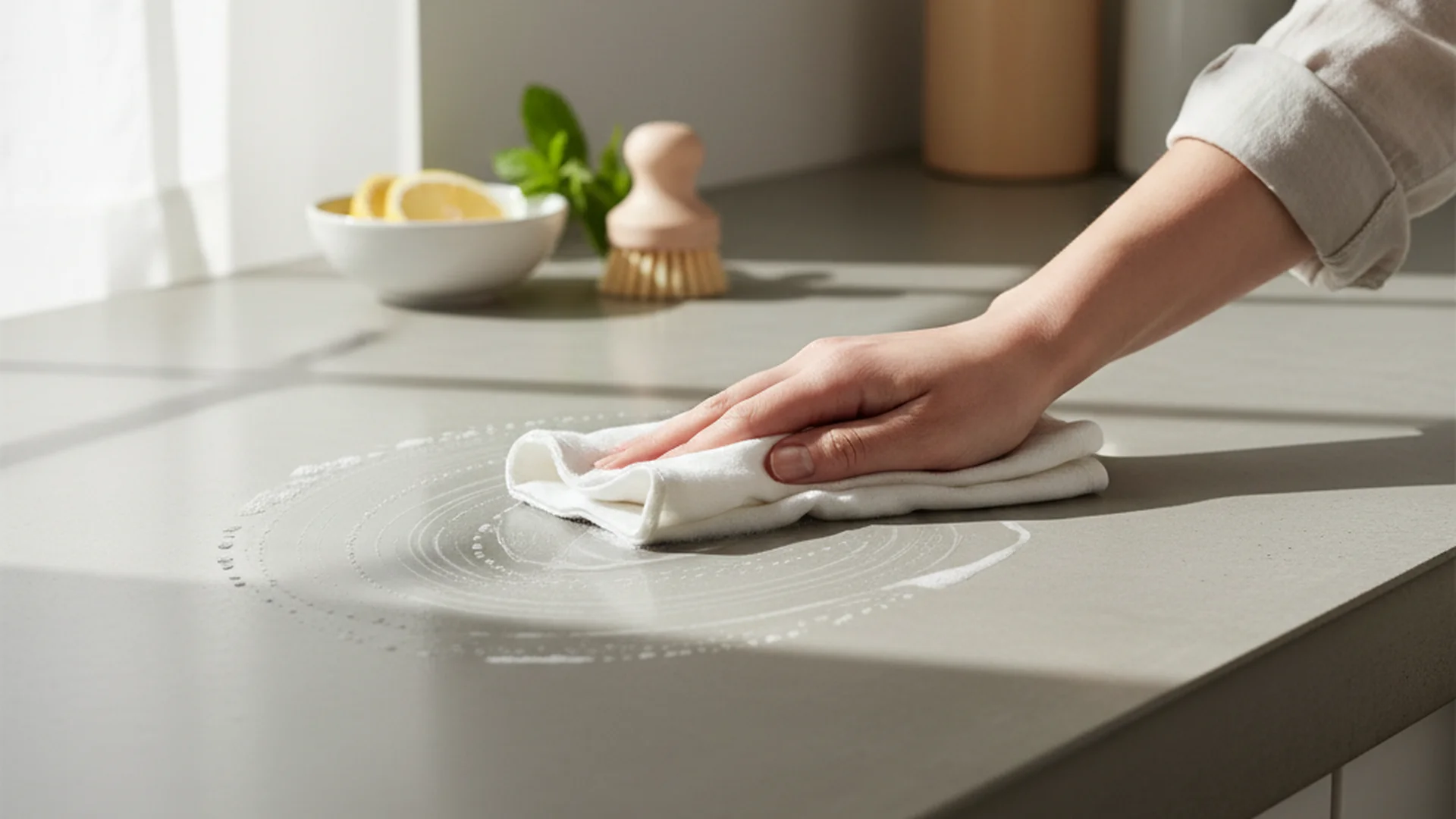
For the main stovetop surface, apply your enzymatic degreaser or a paste of baking soda and water. Let it sit for 15 minutes to lift the grease.
| Surface Type | Cleaning Tool | Recommended Agent |
|---|---|---|
| Stainless Steel | Microfiber Cloth | pH-Balanced Degreaser |
| Enamel/Porcelain | Non-abrasive Sponge | Baking Soda Paste |
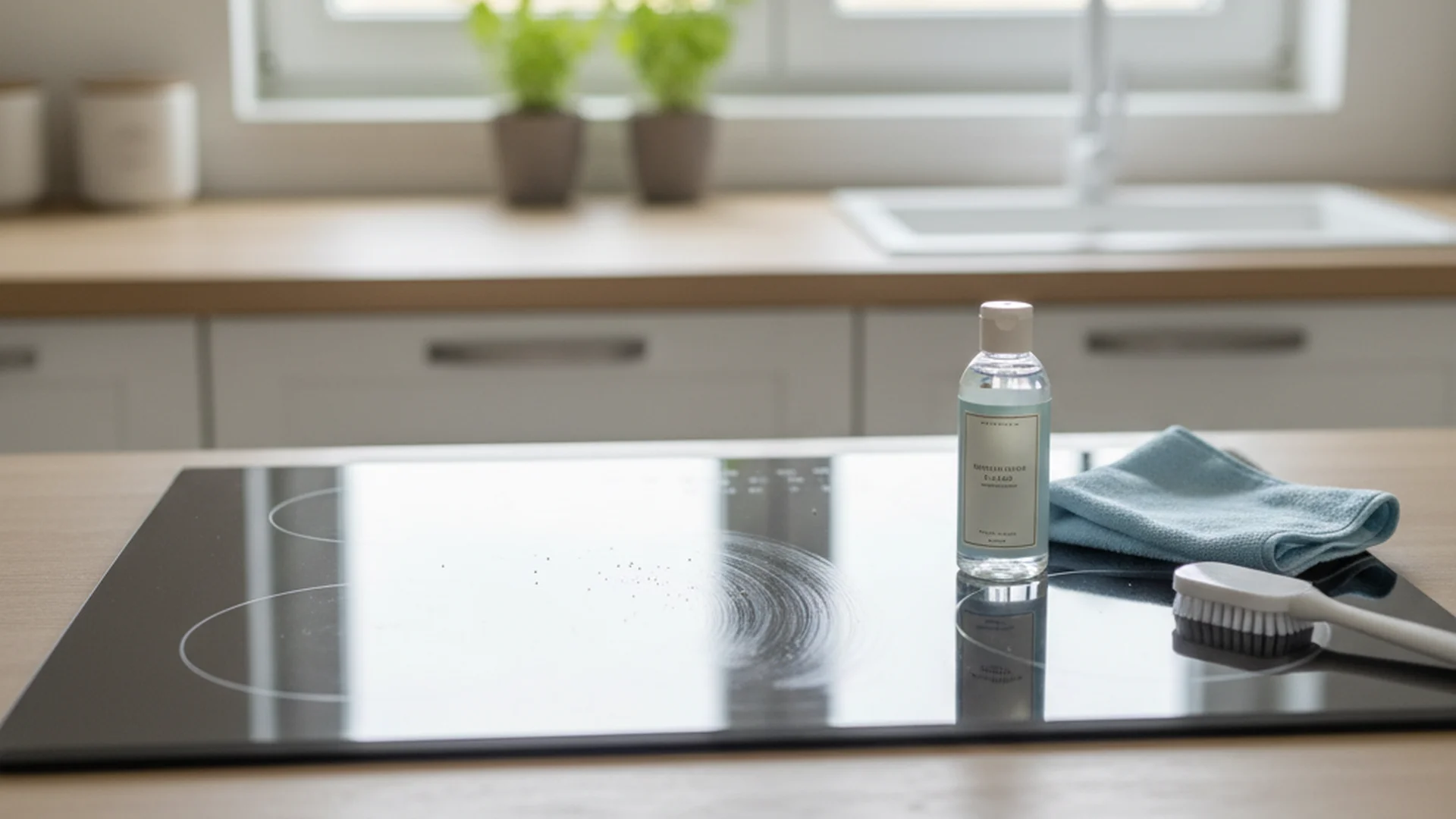
| Glass-Top Gas | Glass Scraper (Flat) | Specialized Glass Cleaner |
Note: When cleaning stainless steel, always wipe with the grain of the metal. Wiping against the grain creates micro-scratches that trap grease and make the stove look dull over time.
Advanced Maintenance Trends for 2026
The cleaning industry has evolved significantly. One of the biggest shifts is the rise of Handheld Steam Cleaning. Portable steamers can reach temperatures high enough to melt grease in the "nooks and crannies" around the knobs and igniters without using a drop of soap. This is particularly effective for those who want a "chemical-free" kitchen.
Another trend is the use of Nano-Coatings. If you are buying a new stove in 2026, look for these finishes. They repel oil and water, meaning a simple wipe-down after every meal is all that is required to keep the unit looking brand new.
Common Mistakes to Avoid
Even seasoned cleaners make mistakes that can shorten the lifespan of their appliances. Here are the most frequent errors identified by Domestic Efficiency Specialists:
- Using Steel Wool: It provides instant gratification for burnt-on stains but destroys the protective coating of your stove. Once scratched, the surface will catch grease even faster.
- The "Flood" Mistake: As mentioned, never pour water. Use a damp cloth instead. If your stove starts clicking continuously after cleaning, you’ve likely gotten the igniter wet.
- Aluminum Foil Liners: These are a major safety hazard. They block airflow, can trap gas, and might even melt onto the surface.
- Neglecting the Knobs: Grease builds up behind the dials. Periodically pull the knobs off and clean the stems to ensure the child-safety locks function correctly.
- Using Oven Cleaner: Caustic oven cleaners are too harsh for the paint and finishes of a gas range. They can cause permanent discoloration.
Success: Regular maintenance ensures a blue, steady flame, which is the sign of a healthy, efficient gas stove.
Frequently Asked Questions
How often should I clean my gas stove?
Why is my gas stove clicking but not lighting?
Can I use vinegar and baking soda on gas burners?
How do I get a blue flame again?
Conclusion
Mastering how to clean gas stove top surfaces is a vital skill for any modern homeowner. By moving away from abrasive tools and toward smarter solutions like enzymatic cleaners and the "ammonia bag" method, you can preserve the life of your appliance and save money on energy and repairs. Remember, the best way clean gas stove top units is through consistency—a five-minute wipe-down today prevents a two-hour scrub-fest next month.
Success: By following this guide, you’ve mitigated fire risks and ensured your kitchen remains a high-performance environment for years to come.
Cleaning that keeps score
Every task earns points, every streak multiplies them, and Premium adds a household leaderboard plus a monthly Dustagorgon to beat.
- Free forever
- 30 badges to earn
- Up to 6 in a household
No card needed. Set up your rooms in a couple of minutes.