In this article
What you’ll learn
- Avoid wire brushes to prevent serious ingestion hazards.
- Perform a deep clean every 5 to 7 uses to prevent grease fires.
- Utilize residual heat for easier grate scrubbing.
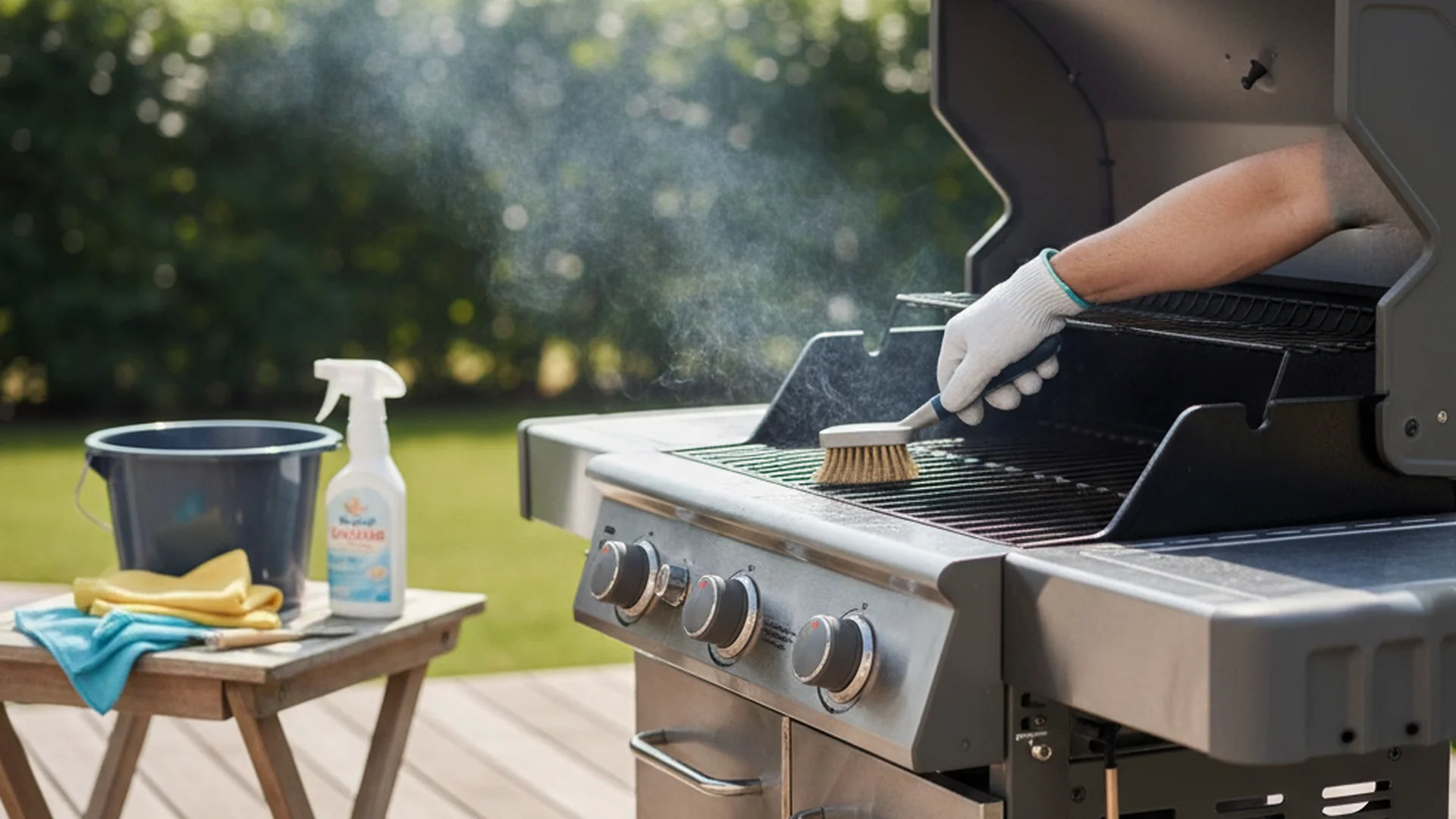
Mastering how to clean gas grill components is more than just a matter of aesthetics; it is a critical step in ensuring food safety, flavor integrity, and the longevity of your outdoor investment. Whether you are a weekend burger flipper or a dedicated pitmaster, a neglected grill can quickly become a fire hazard and a breeding ground for pests. In this comprehensive guide, we will explore the best way clean gas grill setups using modern 2025 techniques, professional-grade tools, and eco-friendly solutions that keep your backyard kitchen in top-tier condition.
Why Regular Grill Maintenance is Non-Negotiable
Many homeowners operate under the dangerous "heat kills everything" myth. While high temperatures do neutralize most bacteria, they do not remove the carbonized food, old grease, and chemical residues that accumulate over time.
Neglecting your grease tray, for instance, is the leading cause of preventable grill fires. A single "flare-up" from accumulated drippings can reach temperatures high enough to warp stainless steel components or even melt gas lines. Furthermore, hygiene is a major concern; during the off-season, carbonized gunk can attract rodents and harbor mold, making your first spring barbecue a potential health risk.
Warning: Wire grill brushes are linked to over 1,700 emergency room visits in the U.S. per decade. Always opt for nylon, chainmail, or steam-based cleaning tools to avoid accidental bristle ingestion.
Essential Tools and 2025 Trends
The landscape of grill maintenance has shifted significantly in 2025 and 2026. We are moving away from harsh, caustic chemicals toward smarter, more sustainable technology.
Motorized and Robotic Cleaners
The rise of "Grillbots" and motorized bristle-free tools, such as the Giddy Up Auto Grill Cleaner, has revolutionized the industry. These devices use rotating chainmail or steam-tech to clean grates in under three minutes, requiring zero manual labor from the user.
Steam-Cleaning Technology
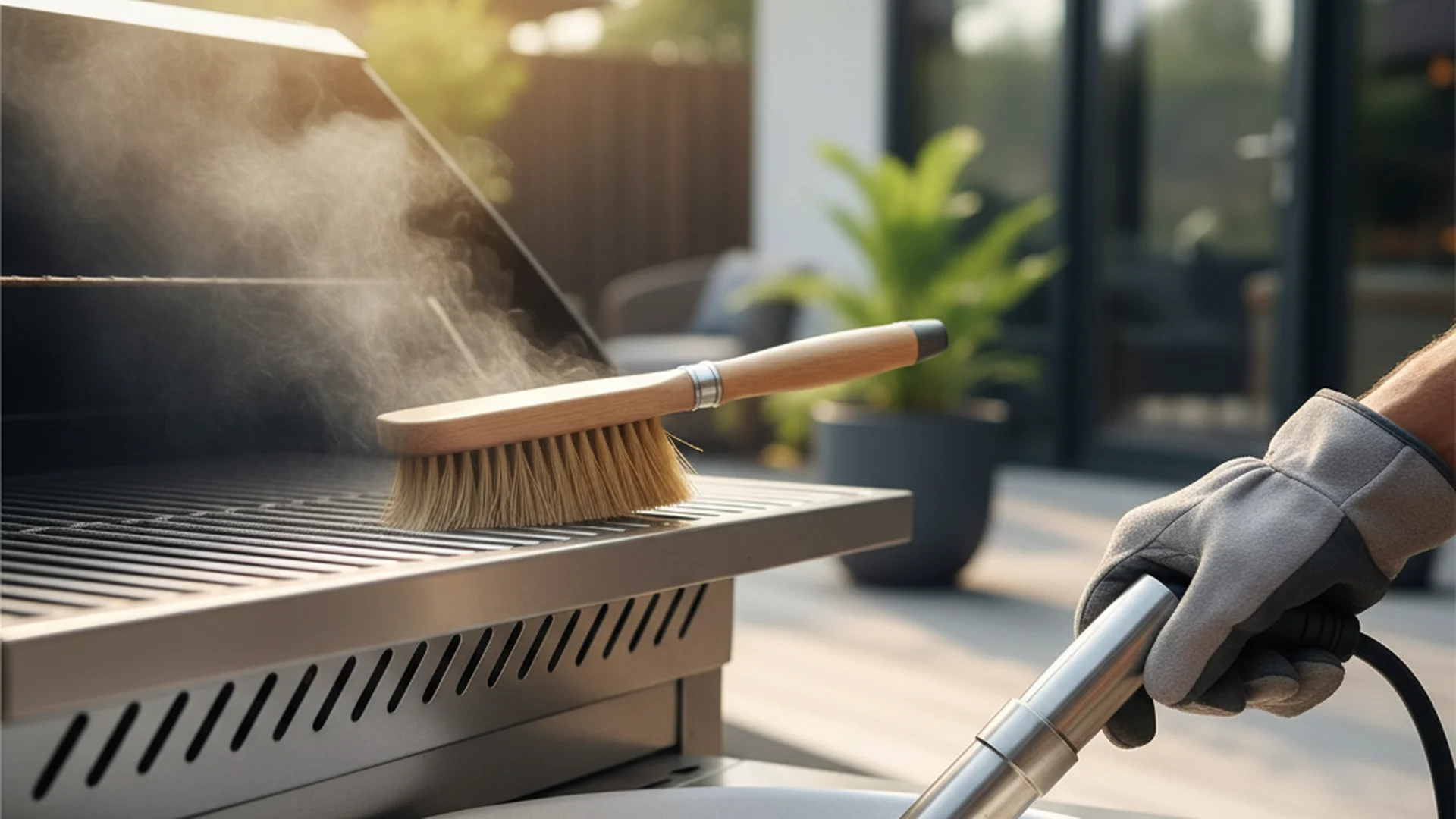
Handheld steam cleaners are rapidly replacing chemical degreasers. High-pressure steam effectively melts grease without leaving behind a chemical residue that could alter the flavor of your $50 ribeye.
Eco-Friendly Enzymatic Cleaners
There is a massive shift toward enzyme-based sprays. These "bio-enzymes" literally eat organic grease and proteins, making them significantly safer for environments where pets and children play.
| Tool Type | Best For | Safety Rating |
|---|---|---|
| Nylon Brush | Cool grates | High |
| Chainmail Scrubber | Warm grates | High |
| Steam Cleaner | Deep degreasing | Very High |
| Wire Brush | Heavy carbon (Not recommended) | Low |
Step-by-Step: The Best Way Clean Gas Grill
To achieve a professional-level clean, follow this systematic approach. This method ensures you handle both the visible surfaces and the hidden mechanical components.
Step 1: The "Burn-Off" Method
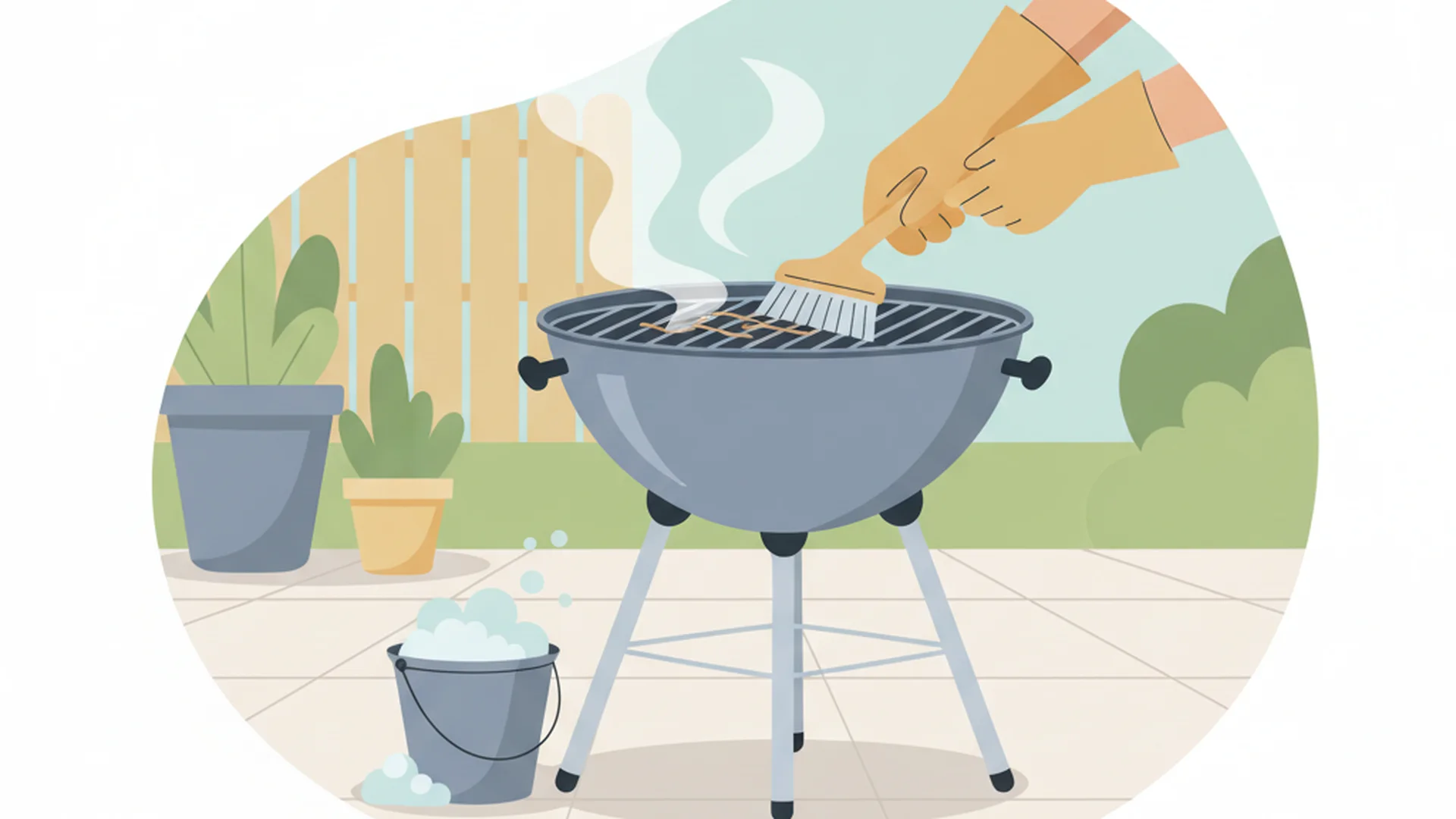
Before you even touch a brush, let the grill do some of the work. Run the grill on "High" for 15 minutes with the lid closed. This process carbonizes food remains into ash.
Tip: Perform a mini burn-off both before and after every cooking session to make maintenance a 30-second task rather than a 30-minute chore.
Step 2: Grate Scrubbing (While Warm)
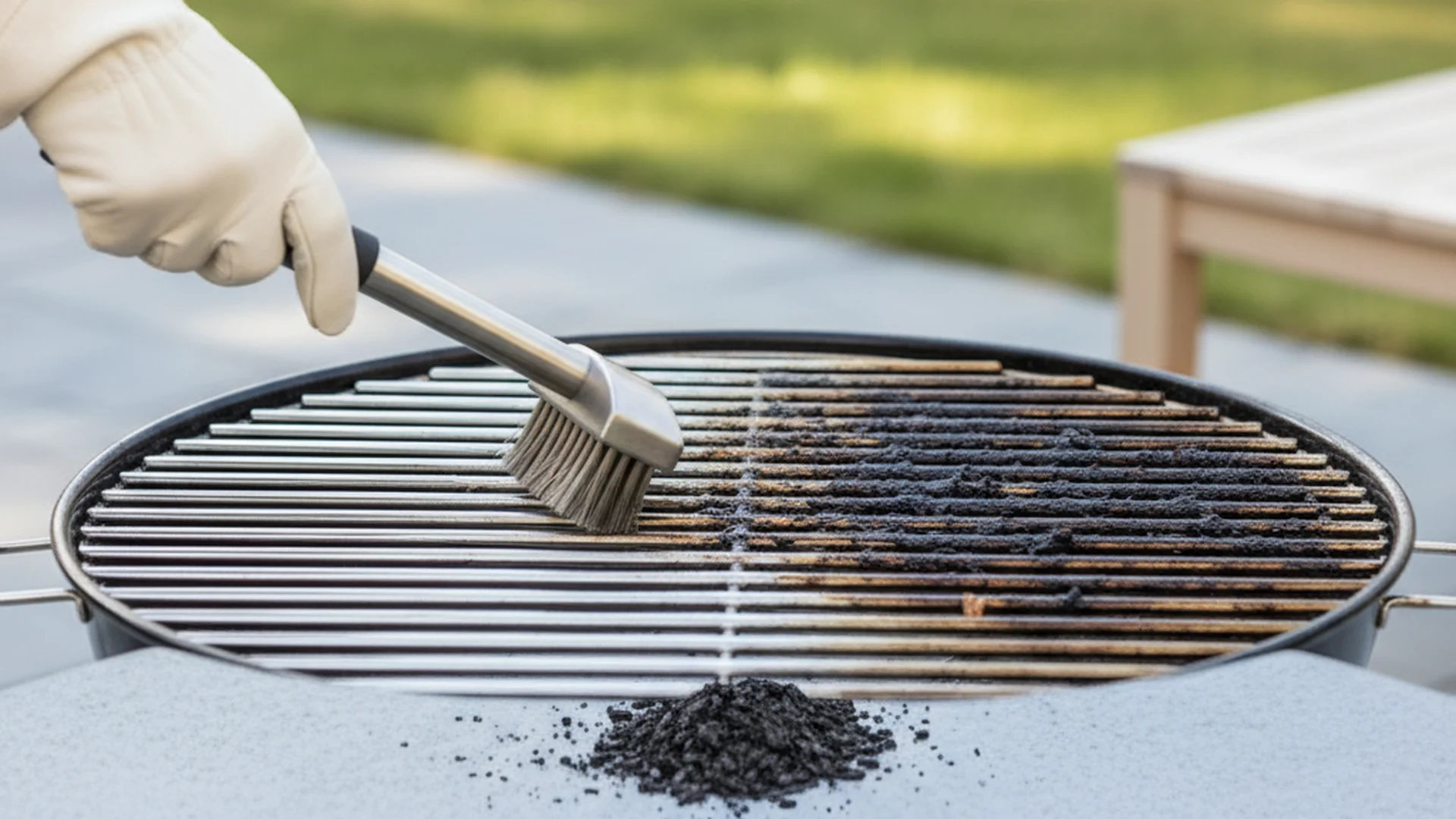
Once the burn-off is complete, turn off the gas and let the grates cool to approximately 250°F. Scrubbing while the metal is warm allows the grease to remain in a semi-liquid state, making it much easier to lift. Use a chainmail scrubber or a wooden scraper for the safest results.
Step 3: Cleaning the Burner Tubes
This is the most overlooked step in grill maintenance. Remove the "Flavorizer" bars or heat tents to expose the burners. Use a small, soft wire brush to clean the burner portholes.
Note: Always brush horizontally across the burner holes. Brushing vertically can push debris into the tubes, leading to uneven gas flow or dangerous "flashback" fires.
Step 4: The Firebox and Grease Tray
Scrape the interior walls of the firebox (the "tub" of the grill) with a plastic putty knife. All that "peeling paint" you see? It’s usually just layers of carbonized grease. Once the debris is at the bottom, vacuum it out with a shop vac. Finally, replace your grease tray liner.
Success: Using disposable aluminum liners or specialized biodegradable liners in your drip tray prevents "grease sludge" from hardening and causing a fire hazard.
Real-World Examples of Pro Cleaning
- The "Vinegar Foam" Technique: A client once had a grill so encrusted with carbon that brushes wouldn't budge it. We applied a paste of 3 parts baking soda and 1 part water, followed by a spray of white vinegar. The resulting foaming action lifted the carbonized gunk from the porcelain coating without any scratching.
- The Steam Transformation: In 2026, many professional cleaners have switched to handheld steam units. One example involved a high-end stainless steel outdoor kitchen that had "tea staining" (surface rust). High-pressure steam removed the salt and grease residues that caused the oxidation, restoring the shine without abrasive polishes.
- The Smart Reminder: Modern smart grills now sync to smartphone apps. I recently worked with a user whose app notified them that their "total burn time" had exceeded 20 hours. Upon inspection, the grease tray was overflowing—a fire waiting to happen that the smart sensor successfully predicted.
Common Mistakes to Avoid
- The Foil Incineration Myth: Many people believe covering grates with aluminum foil and turning the heat to "High" is a shortcut to cleaning. Never do this. Gas grills are not designed for the extreme heat trapped by foil; this can melt gas lines, damage igniters, and permanently warp the firebox.
- Using Harsh Oven Cleaners: Standard oven cleaners are often too caustic for the aluminum or porcelain-coated parts found in gas grills. They can cause permanent pitting and discoloration.
- Cleaning a "Stone Cold" Grill: Trying to scrape grease off a cold grill is unnecessarily difficult and increases the risk of chipping the porcelain coating on your grates.
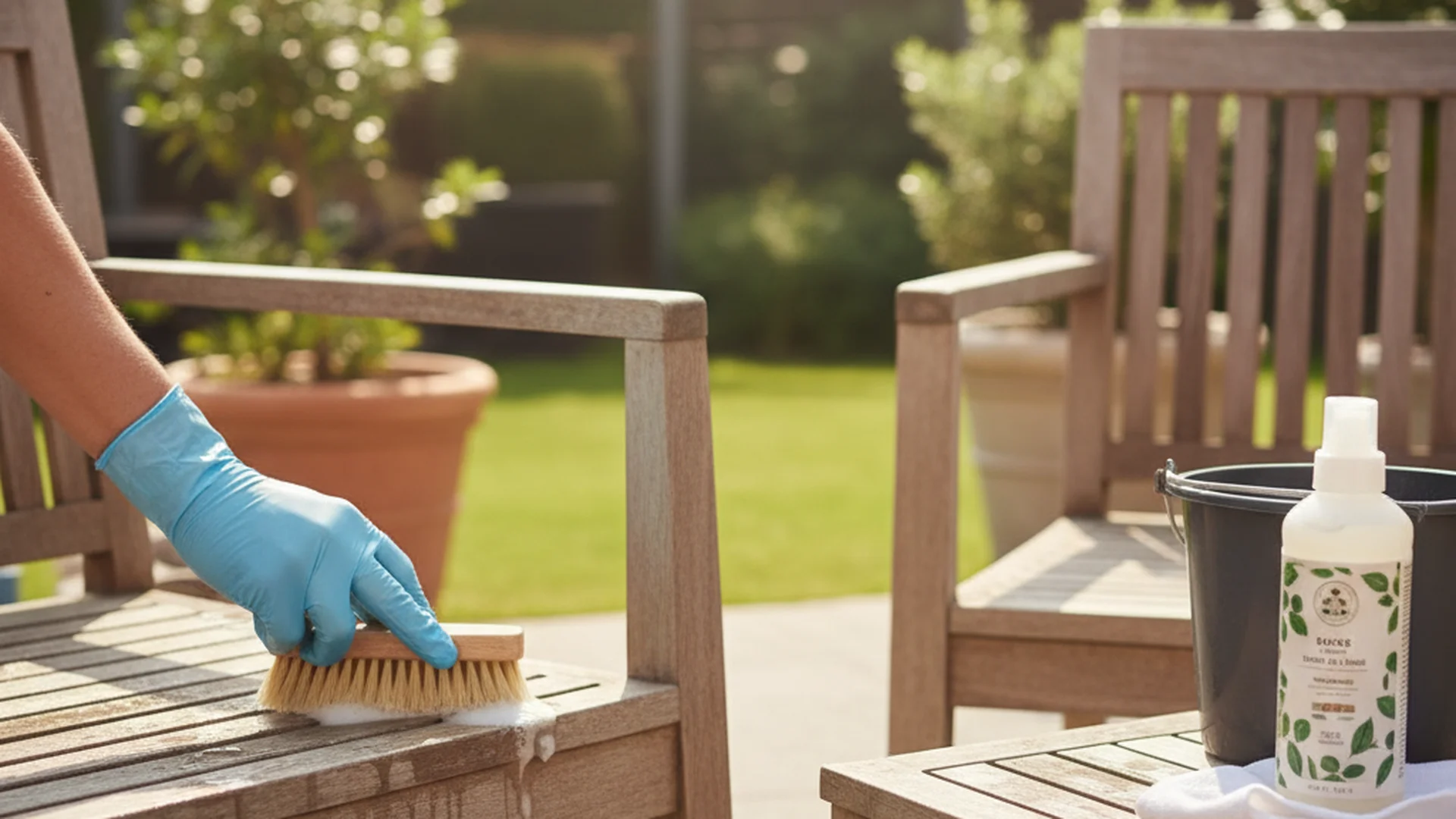
- Neglecting the Exterior: Leaving salt-heavy rubs or acidic sauces on the exterior stainless steel leads to surface rust. Always wipe down the outside with a microfiber cloth and a dedicated stainless steel cleaner.
Frequently Asked Questions
Should I clean the grill while it’s hot or cold?
Is vinegar effective for cleaning grill grates?
How often should I perform a deep clean?
Should I oil the grates after cleaning?
Conclusion
Understanding how to clean gas grill components properly is the secret to becoming a better cook and a safer homeowner. By adopting the best way clean gas grill practices—such as using residual heat, avoiding dangerous wire brushes, and maintaining burner ports—you ensure that your equipment remains a centerpiece of your backyard for years to come. With the advent of robotic cleaners and enzymatic sprays in 2025, there has never been a more efficient time to keep your grill in showroom condition.
Success: Regular maintenance not only prevents dangerous flare-ups but also ensures your food tastes exactly like it should—not like last month’s charred leftovers.
Cleaning that keeps score
Every task earns points, every streak multiplies them, and Premium adds a household leaderboard plus a monthly Dustagorgon to beat.
- Free forever
- 30 badges to earn
- Up to 6 in a household
No card needed. Set up your rooms in a couple of minutes.