In this article
What you’ll learn
- Always use cold water and a gentle cycle to prevent fiber melting.
- Avoid fabric softeners and bleach to maintain texture and breathability.
- Use microfiber-catching bags to reduce environmental impact.
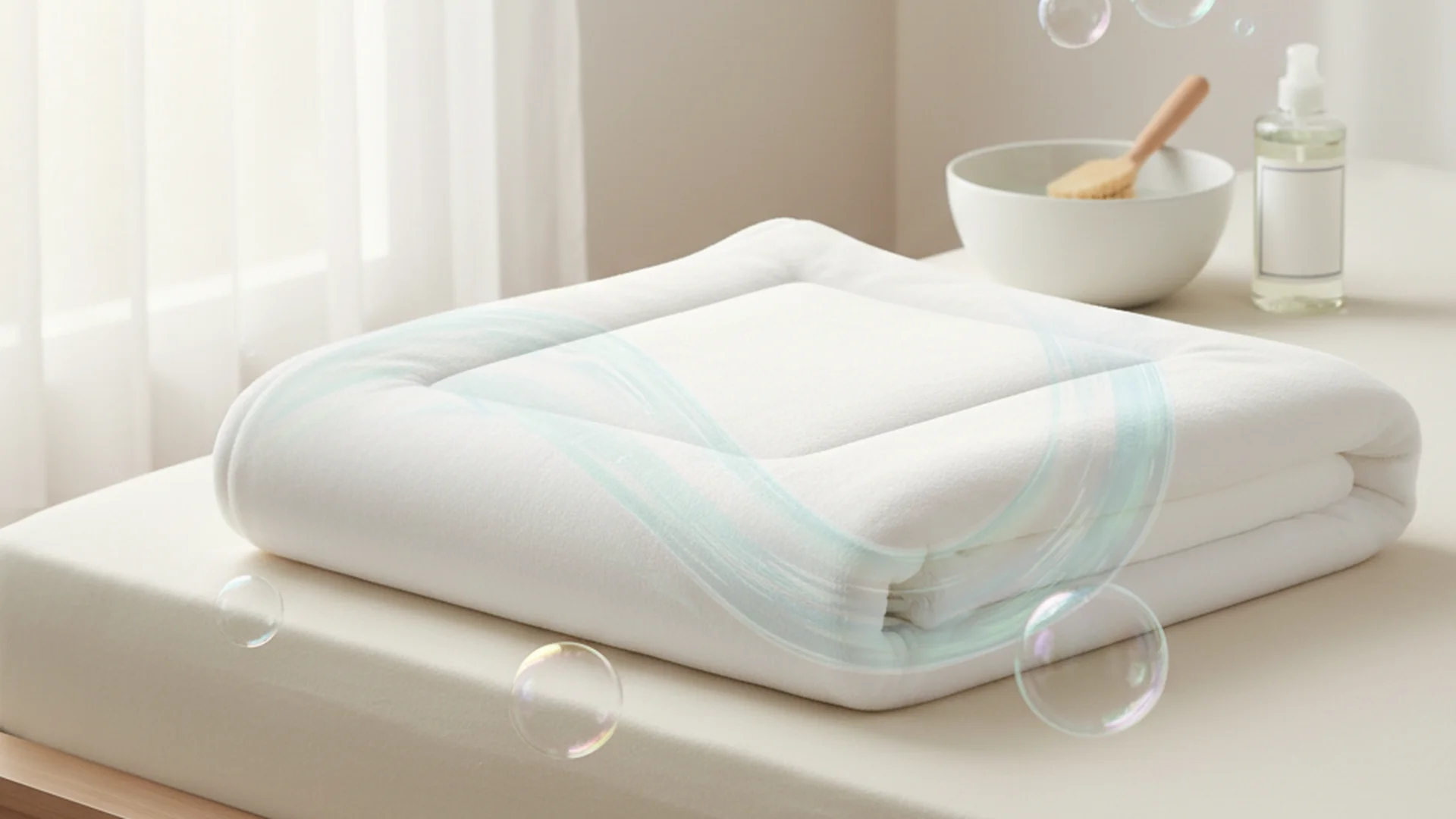
Few things provide more immediate comfort than wrapping yourself in a plush, velvet-soft fleece blanket on a chilly evening. However, that signature softness is notoriously fragile. If you’ve ever pulled a once-fluffy throw from the dryer only to find it scratchy, matted, or covered in tiny fabric balls, you know the frustration of improper maintenance. Knowing how to clean fleece blanket items properly is the difference between a lifetime of comfort and a one-season textile. In this guide, we will explore the best way clean fleece blanket fabrics using 2025’s most advanced textile care standards.
Why Fleece Requires a Specialized Touch
Fleece is typically made from polyester—a synthetic plastic-based fiber designed to mimic the warmth of wool without the weight. While durable in terms of longevity, these fibers are incredibly sensitive to heat and chemical interference. When you ask, "can you wash fleece?", the answer is a resounding yes, but the method matters more than the frequency.
Modern fleece production has evolved. As of 2025, we are seeing a rise in "Sustainable Maximalism," where blankets feature chunky, high-pile, and 3D-ribbed designs. These intricate textures trap more debris than flat-weave fabrics, making a precise cleaning routine essential for hygiene and aesthetics.
Note: Because fleece is a synthetic material, it is prone to static electricity. This static acts as a magnet for pet hair and lint, which is why washing fleece with cotton towels is a recipe for disaster.
The Step-by-Step Guide: How to Clean Fleece Blanket
To keep your bedding in showroom condition, follow this research-backed protocol that prioritizes fiber integrity and environmental responsibility.
Step 1: Pre-Wash Spot Treatment
Before the blanket even hits the water, inspect it for stains. Whether it’s a drop of coffee or a smudge of chocolate, localized cleaning prevents the stain from setting during the wash cycle.
- The Method: Apply a single drop of clear dish soap to the area. Dish soap is formulated to break down oils and grease without damaging synthetic polymers.
- The Rule: Let it sit for 10 minutes. Use a damp microfiber cloth to blot the area. Never scrub, as scrubbing can distort the knit and lead to premature pilling.
Step 2: Choosing Your Detergent
In 2025, eco-friendly cleaning is the standard, and most shoppers now reach for greener products. For fleece, this isn't just a trend—it's a necessity. Avoid powdered detergents, which often fail to dissolve in the cold water required for fleece, leaving behind a gritty residue. Instead, opt for a mild, pH-neutral liquid detergent.
Warning: Never use bleach on fleece. It breaks down the polyester fibers, causing them to become brittle and eventually turn white blankets a dingy yellow.
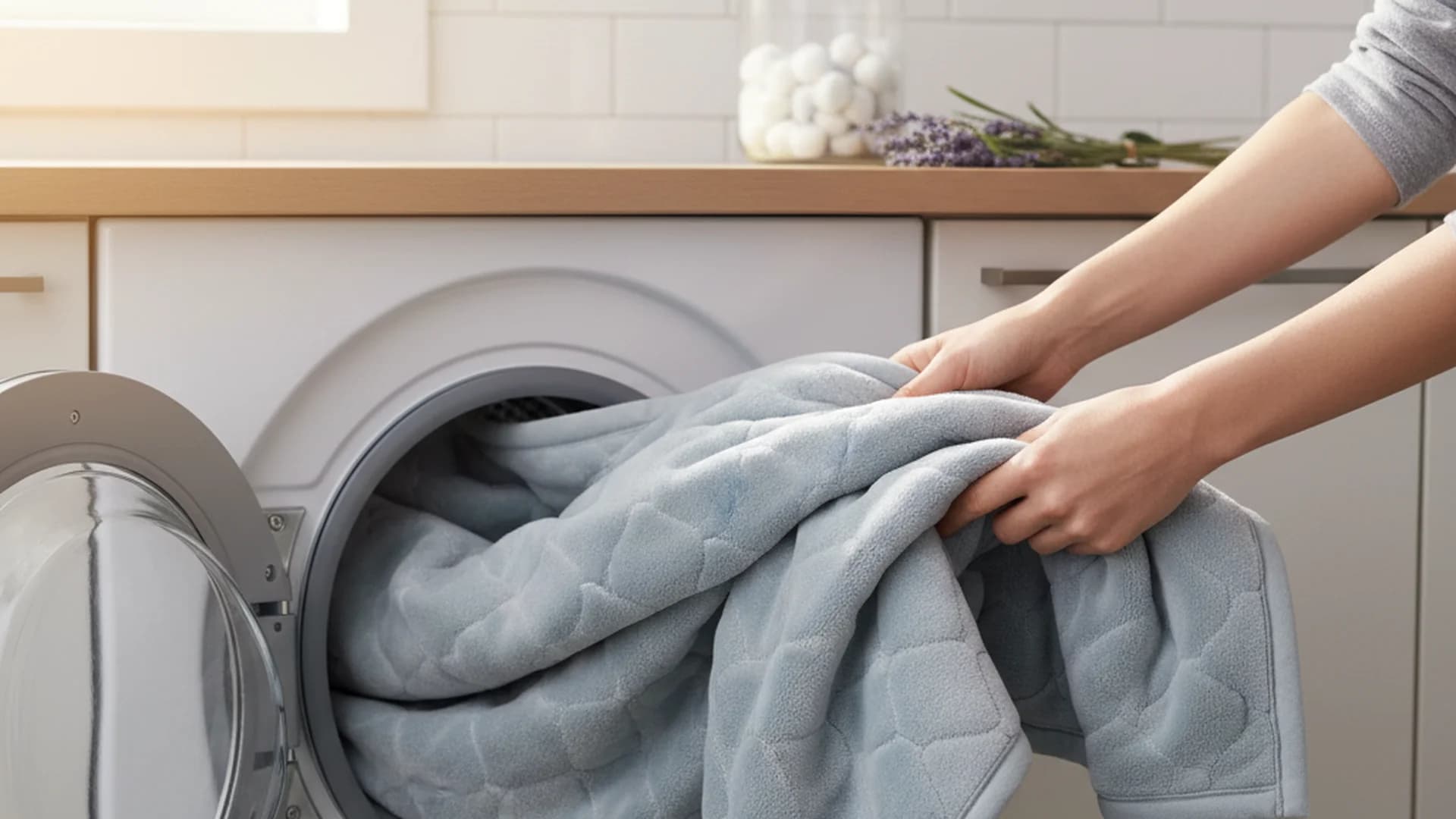
Step 3: The Wash Cycle
The "Cold & Gentle" rule is your golden ticket. High temperatures cause the microscopic ends of the polyester fibers to melt and fuse together.
- Water Temp: Cold (30°C / 86°F or lower).
- Cycle: Delicate or Hand Wash.
- Protection: Place the blanket inside a microfiber-catching bag, such as a Guppyfriend. This protects the blanket from the mechanical friction of the drum and prevents up to 90% of microplastics from entering the ocean.
Success: Using a dedicated filtration bag not only helps the planet but acts as a physical barrier against "pilling," keeping your blanket looking brand-new for years.
| Feature | Recommended | Avoid |
|---|---|---|
| Water Temp | Cold | Hot/Warm |
| Detergent | Liquid | Powder |
| Cycle | Gentle/Delicate | Heavy Duty |
| Softener | None | Liquid Softener/Sheets |
Modern Innovations in Fleece Care (2025–2026)
As we move into 2026, home maintenance technology is making it easier to care for delicate synthetics. If you are in the market for a new washing machine, look for brands like LG or Samsung that feature AI-enhanced care. These machines use sensors to detect the weight and "softness" of the load, automatically adjusting the agitation levels to minimize fiber stress.
Furthermore, global regulations are shifting. Countries like France have already mandated microfiber filters on all new washing machines to combat the fact that a single fleece load can release over 1.5 million microfibers.
Real-World Example: The "High-Pile Recovery"
Imagine you have a 3D-ribbed, high-pile fleece throw that has lost its "loft" (fluffiness) after several washes. To restore it, professionals in 2025 suggest using a soft-bristled garment brush. Once the blanket is dry, gently brush the fibers in one direction. This separates the matted clumps and restores the three-dimensional texture that makes modern fleece so popular.
Common Mistakes to Avoid
Even the most well-intentioned cleaning can go wrong if you fall for these common misconceptions:
- Using Fabric Softener: It sounds counterintuitive, but liquid softeners are the enemy of fleece. They leave a waxy coating on the fibers that traps odors and reduces the blanket's breathability. Over time, this makes the fleece feel "slick" and scratchy rather than soft.
- High Heat Drying: This is the #1 cause of ruined fleece. The "meltdown" effect creates a rough, sandpaper-like texture that is irreversible.
- The "More Soap" Myth: Using extra detergent doesn't mean a cleaner blanket. Excess soap gets trapped in the dense pile, leading to a stiff, gummy feel once dry.
- Ironing: Never iron fleece. The direct heat of an iron will instantly melt the polyester, leaving a permanent flat, shiny hole in your favorite throw.
Tip: If you struggle with static, add a half-cup of white vinegar to the rinse cycle. It acts as a natural softener and static-reducer without leaving a chemical residue.
Frequently Asked Questions
Can you wash fleece in the machine?
How often should I clean it?
Is it safe to use fabric softeners?
Can you iron fleece?
Should I dry clean fleece?
Conclusion: Preservation Through Patience
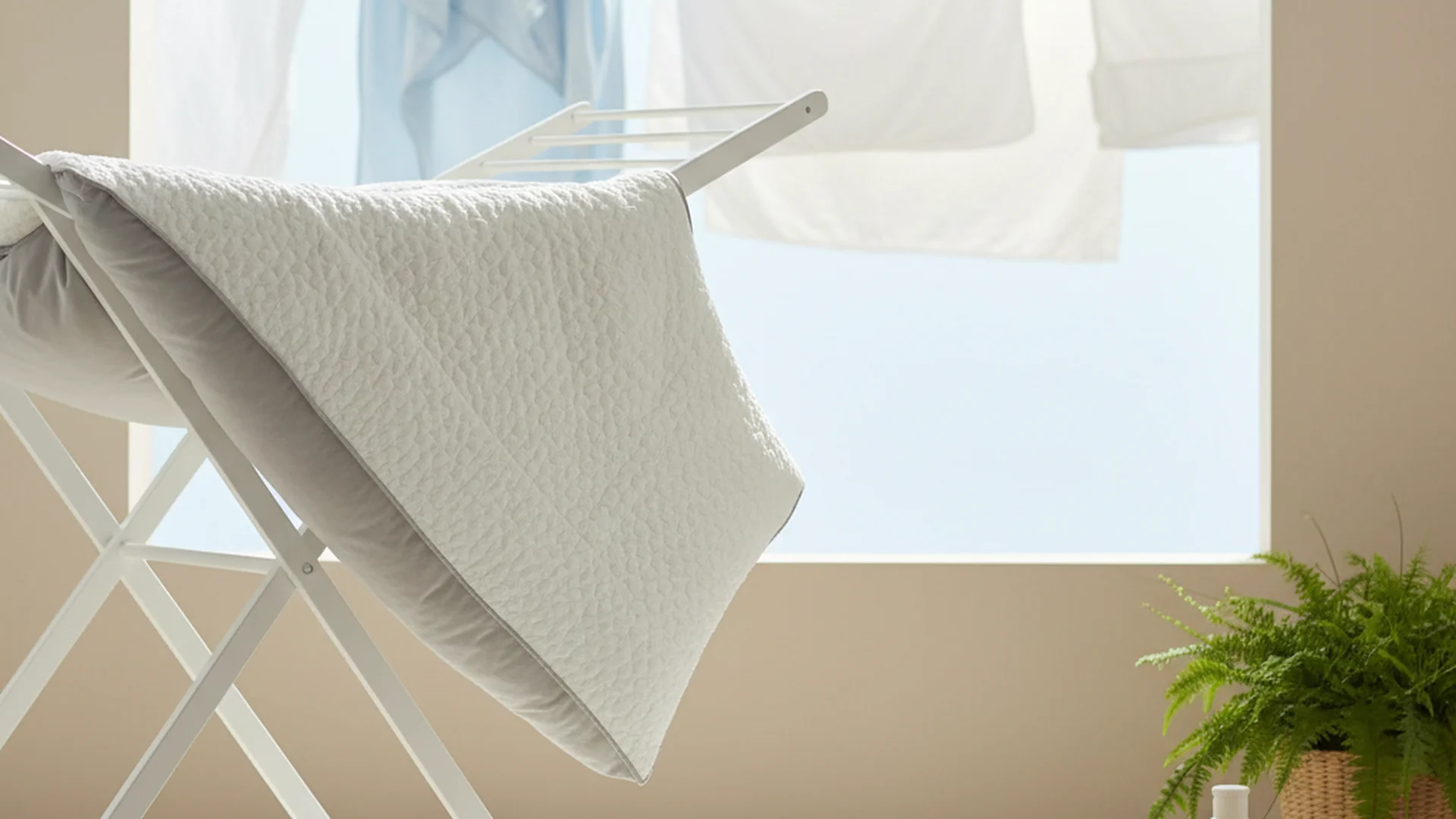
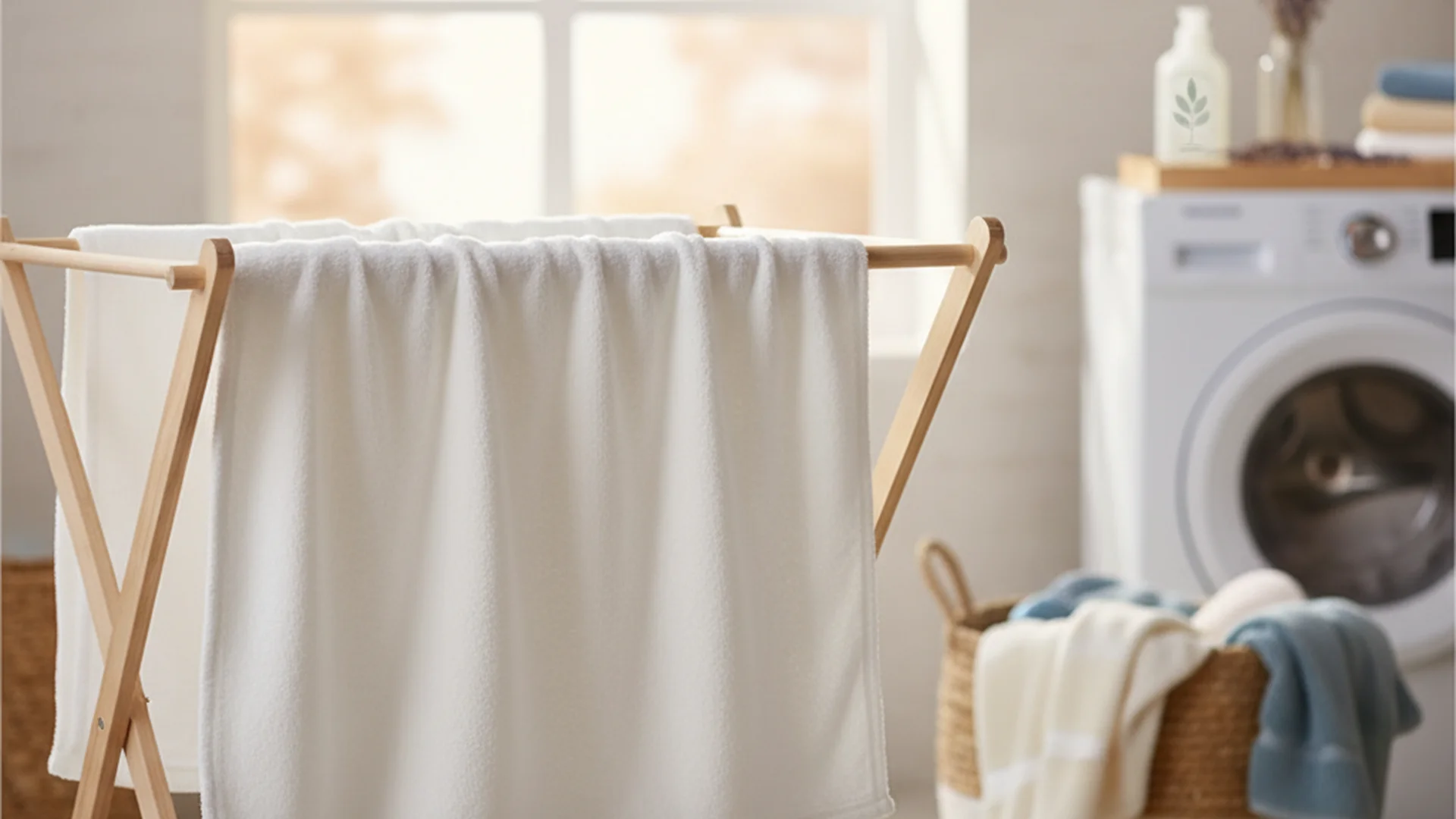
The best way clean fleece blanket items is to embrace a "less is more" philosophy. By using cold water, minimal detergent, and avoiding the high heat of the dryer, you protect both your investment and the environment. As we move toward more sustainable home care in 2025 and 2026, these small adjustments in your laundry routine ensure your home remains a sanctuary of soft, clean, and eco-responsible comfort.
Success: By following the "Cold & Gentle" rule and air-drying, you can extend the lifespan of your fleece blankets by up to 300%.
Cleaning that keeps score
Every task earns points, every streak multiplies them, and Premium adds a household leaderboard plus a monthly Dustagorgon to beat.
- Free forever
- 30 badges to earn
- Up to 6 in a household
No card needed. Set up your rooms in a couple of minutes.