In this article
What you’ll learn
- Most down pillows are machine-washable if you use a low-sudsing detergent.
- Always wash two pillows at once to maintain machine balance.
- Drying is the most critical step and requires multiple cycles with dryer balls.
There is nothing quite like the luxurious, cloud-like feel of a high-quality down pillow. However, many homeowners shy away from deep cleaning them, fearing they will ruin the delicate feathers or end up with a lumpy mess. Knowing how to clean down pillow sets correctly is not just about aesthetics; it is a vital part of sleep hygiene. Over time, your favorite pillow absorbs sweat, oils, and allergens that can compromise your sleep quality and respiratory health.
The good news is that with the right technique, you can restore your pillows to their original loft and freshness. In this comprehensive guide, we will break down the latest 2025 standards for maintaining your bedding, ensuring your pillows last for years to come.
Why Cleaning Your Down Pillows is Essential
It is a common misconception that pillows stay clean because they are covered by a pillowcase. In reality, a pillow spends years absorbing sweat, skin cells, and the dust mites that feed on them.
A well-used pillow typically hosts a whole community of fungal spores, including Aspergillus fumigatus, which can trigger respiratory issues in sensitive individuals.
Note: Many people believe they are allergic to down, but they are often actually reacting to the dust mites and "bio-burden" accumulated in an unwashed pillow. Modern down is cleaned rigorously during manufacturing, making it hypoallergenic when properly maintained.
The Science of Down vs. Synthetic
When considering the best way clean down pillow inserts, it is helpful to understand why they are superior to synthetic alternatives. Counterintuitively, polyester (synthetic) pillows tend to harbor considerably more dust mite allergen than feather or down pillows do.
This is because down pillows require a very tightly woven "down-proof" fabric shell to keep the feathers from poking through. This tight weave naturally acts as a barrier against mites. Additionally, a well-maintained down pillow has a lifespan of 3–5 years, significantly outperforming the 1–2 year lifespan of synthetic pillows.
Pre-Wash Preparation: The Golden Rules
Before you toss your pillows into the machine, you must perform a few essential checks.
The Leak Test
Inspect the seams and the fabric of the pillow for any thinning or small holes.
Warning: Even a tiny tear can lead to a "feather explosion" in your washing machine, which can clog your drainage system and ruin the pillow. If you find a hole, stitch it up securely before washing.
The Rule of Two
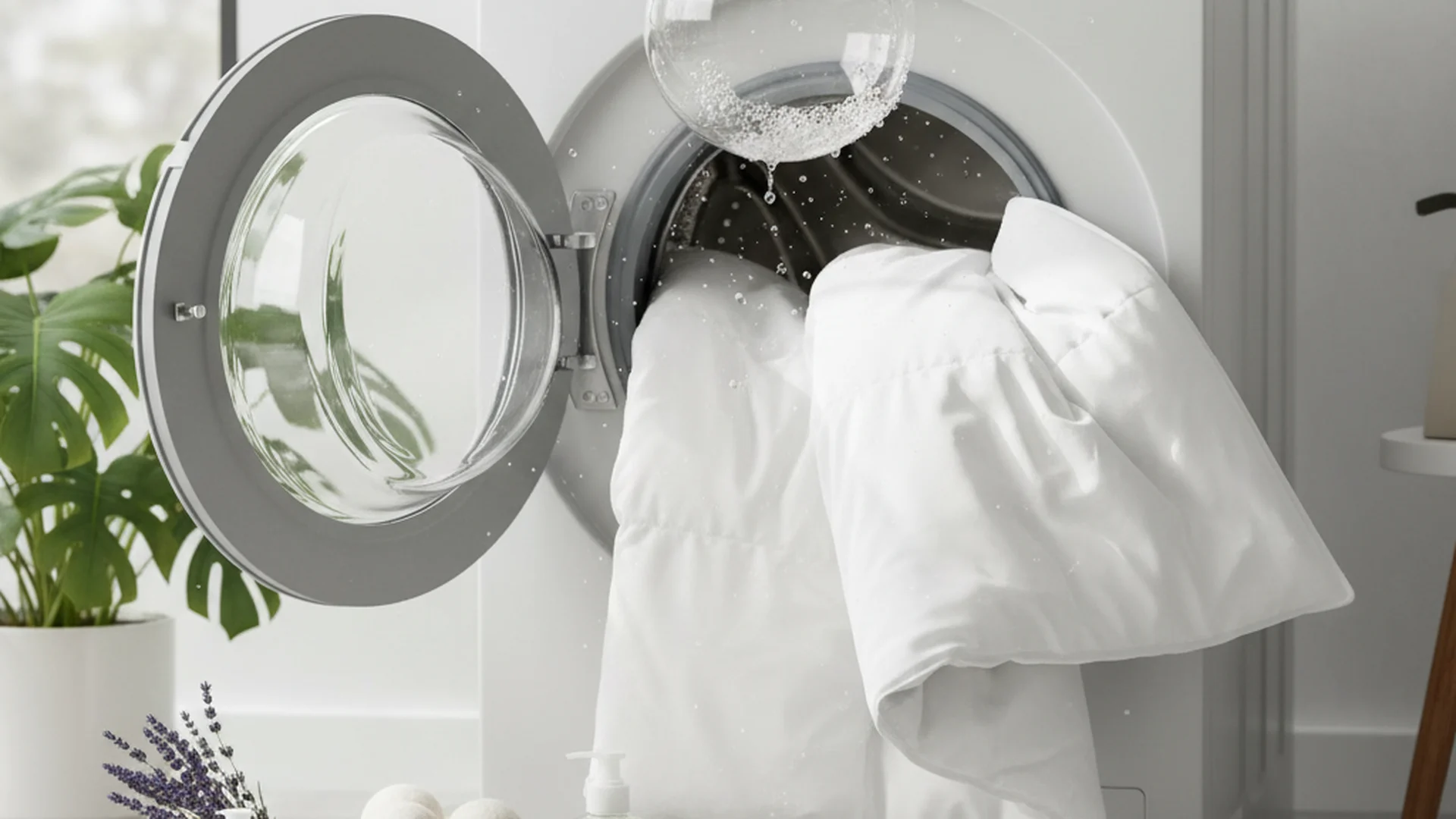
One of the most important tips for modern machine washing is to always wash two pillows at a time. If you only have one pillow to wash, add two large, clean bath towels to the load. This prevents the washing machine from becoming unbalanced during the high-speed spin cycle, which can cause the machine to "walk" or shut down.
Choosing the Right Detergent
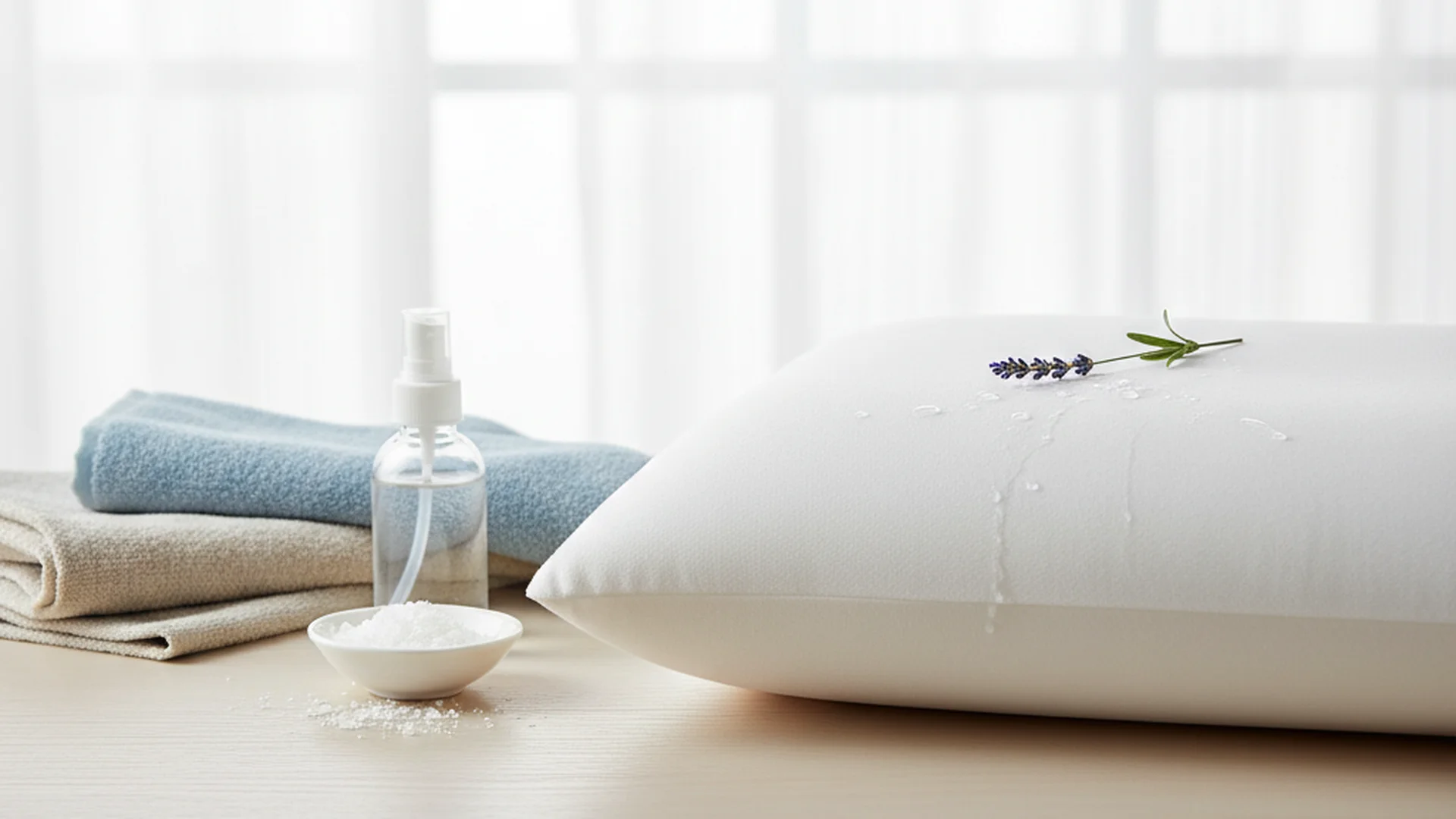
Skip the heavy-duty, scented laundry pods. Instead, use a low-sudsing, mild liquid detergent or a specialized "down wash." Standard detergents often leave a soapy residue that causes down clusters to stick together, destroying the loft.
Tip: Use only about half the amount of detergent you would use for a regular load of laundry. Too much soap is the enemy of fluffy feathers.
Step-by-Step Guide: How to Clean Down Pillow Sets
Step 1: Washing Machine Settings
Select a gentle or "delicate" cycle on your machine using warm water. While cold water is safer for fabrics, warm water is more effective at breaking down body oils and killing dust mites.
Step 2: The Extra Rinse
Once the cycle is complete, run an extra rinse and spin cycle. This is a non-negotiable step in 2025/26 cleaning protocols. It ensures that every trace of detergent is removed and extracts as much moisture as possible before the drying process begins.
Step 3: Dealing with Yellowing
If your pillows have developed yellow sweat stains, you might be tempted to use bleach.
Warning: Never use bleach on down pillows. Bleach strips the natural protective oils from the feathers, making them brittle. Instead, use a cup of white vinegar in the rinse cycle or a mild enzyme-based spot cleaner.
The Art of Drying Down
If you are wondering "can you wash down at home successfully," the answer lies entirely in the drying process. Drying a down pillow is not a "set it and forget it" task.
Using "Thumpers"
To restore the loft, you need physical agitation. Place wool dryer balls or two clean tennis balls inside clean white socks into the dryer with the pillows. These will physically hit the pillows as they tumble, breaking up clumps of wet feathers.
Temperature and Time
Use a low to medium heat setting. While it is tempting to use high heat to speed things up, high temperatures can singe the delicate down clusters, leaving them "crunchy" and flat.
Example: A standard high-quality down pillow usually requires 2 to 3 full dryer cycles to reach 100% dryness.
The Heat Pump Dryer Trend
With the rise of energy-efficient heat pump dryers in 2025, a common issue has emerged: the "Auto-Sensing" feature. These dryers often stop when the surface of the pillow feels dry, but the inner core remains damp. For the best results, use the "Timed Dry" setting to ensure the cycle continues until the interior is moisture-free.
2025/26 Industry Trends in Bedding Care
The world of bedding is evolving, and so are the cleaning methods. Here are the latest trends to keep in mind:
- Multi-Chamber Construction: Many top-rated pillows from brands like Saatva and Helix now feature "pillow-in-a-pillow" or 5-chamber designs. These require even longer drying times because the inner core is shielded by outer layers of down.
- Probiotic Laundry Additives: A growing trend for 2026 is the use of probiotic cleaners. These additives contain "good" bacteria that consume organic matter like dead skin and oils inside the pillow, keeping it fresher for longer between deep washes.
- Ethical Standards (RDS): Most high-end pillows now carry the Responsible Down Standard (RDS) certification. These pillows are an investment, and following these specific cleaning steps ensures you protect that investment while respecting the ethically sourced materials.
Common Mistakes to Avoid
- Using Fabric Softener: This is a major mistake. Fabric softeners coat the down clusters in a waxy film, which prevents them from trapping air. This effectively ruins the pillow’s ability to "fluff."
- Incomplete Drying: This is the #1 cause of pillow failure. If a pillow is even 5% damp when you put it back on the bed, it will develop mold and mildew within 48 hours.
- Ignoring the "Wet Dog" Smell: If your pillow smells like a wet dog after washing, don't panic! This is the natural scent of wet feathers. It is a sign that the pillow is still damp. Continue drying until the smell is completely gone.
Frequently Asked Questions
Can you really put down pillows in a washing machine?
Why does my pillow smell like "wet dog" after washing?
How long does it take to dry?
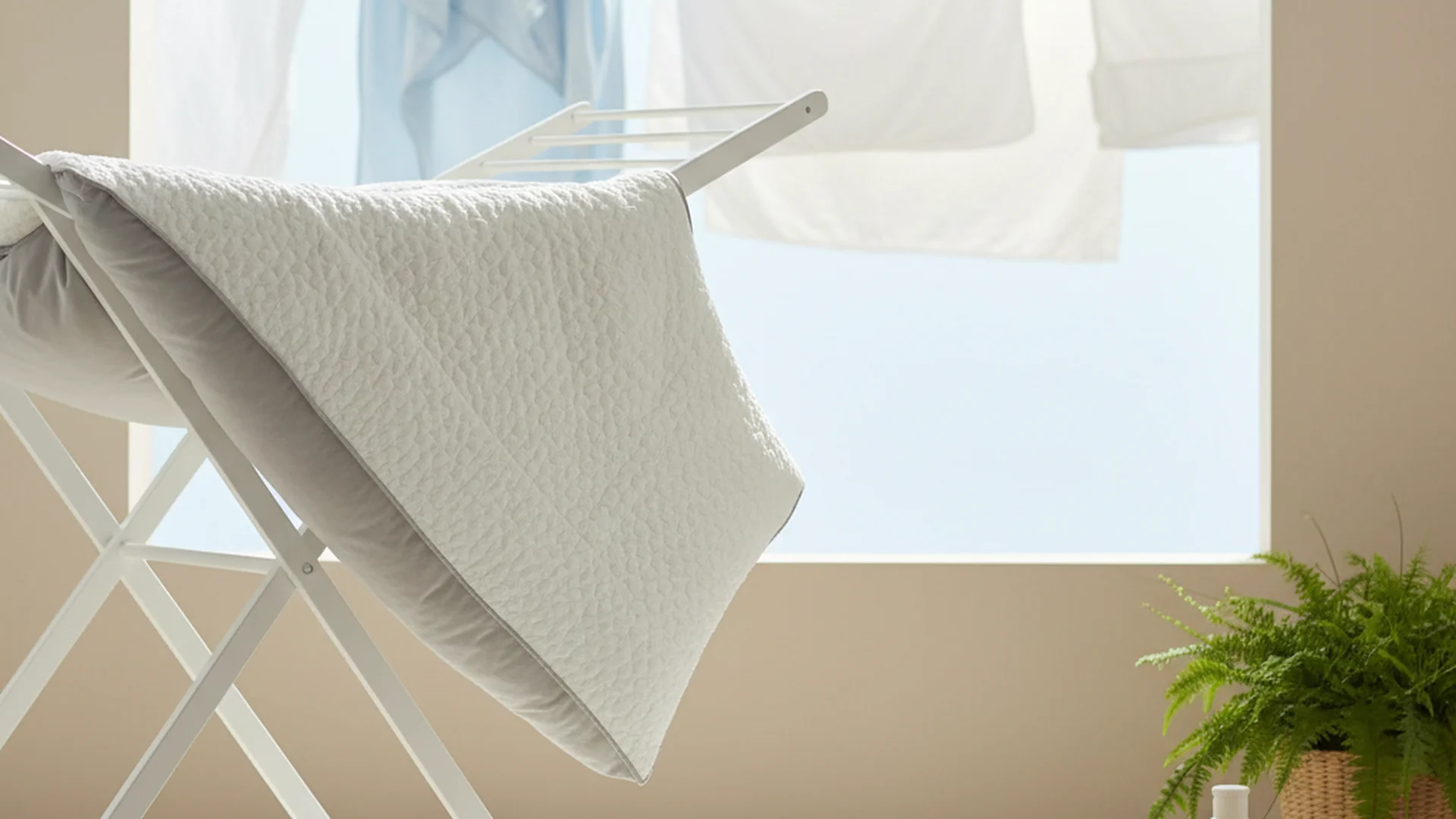
Can I air-dry my down pillows?
Conclusion
Mastering the best way clean down pillow sets doesn't have to be a daunting task. By following the "Rule of Two," using mild detergents, and committing to the long drying process, you can keep your pillows in pristine condition for years. Not only will your bedding feel more comfortable, but you’ll sleep better knowing your environment is free from dust mites and fungal spores.
Success: Regularly cleaning your down pillows every six months will extend their lifespan by up to 50% and ensure a more hygienic sleep environment.
Cleaning that keeps score
Every task earns points, every streak multiplies them, and Premium adds a household leaderboard plus a monthly Dustagorgon to beat.
- Free forever
- 30 badges to earn
- Up to 6 in a household
No card needed. Set up your rooms in a couple of minutes.