In this article
What you’ll learn
- Always check the manufacturer cleaning code (W, S, WS, X) before applying liquids.
- Use the "outside-in" blotting method to prevent stain spreading on upholstery.
- Adopt enzyme-based cleaners and UV-C sanitization for a non-toxic 2025 home.
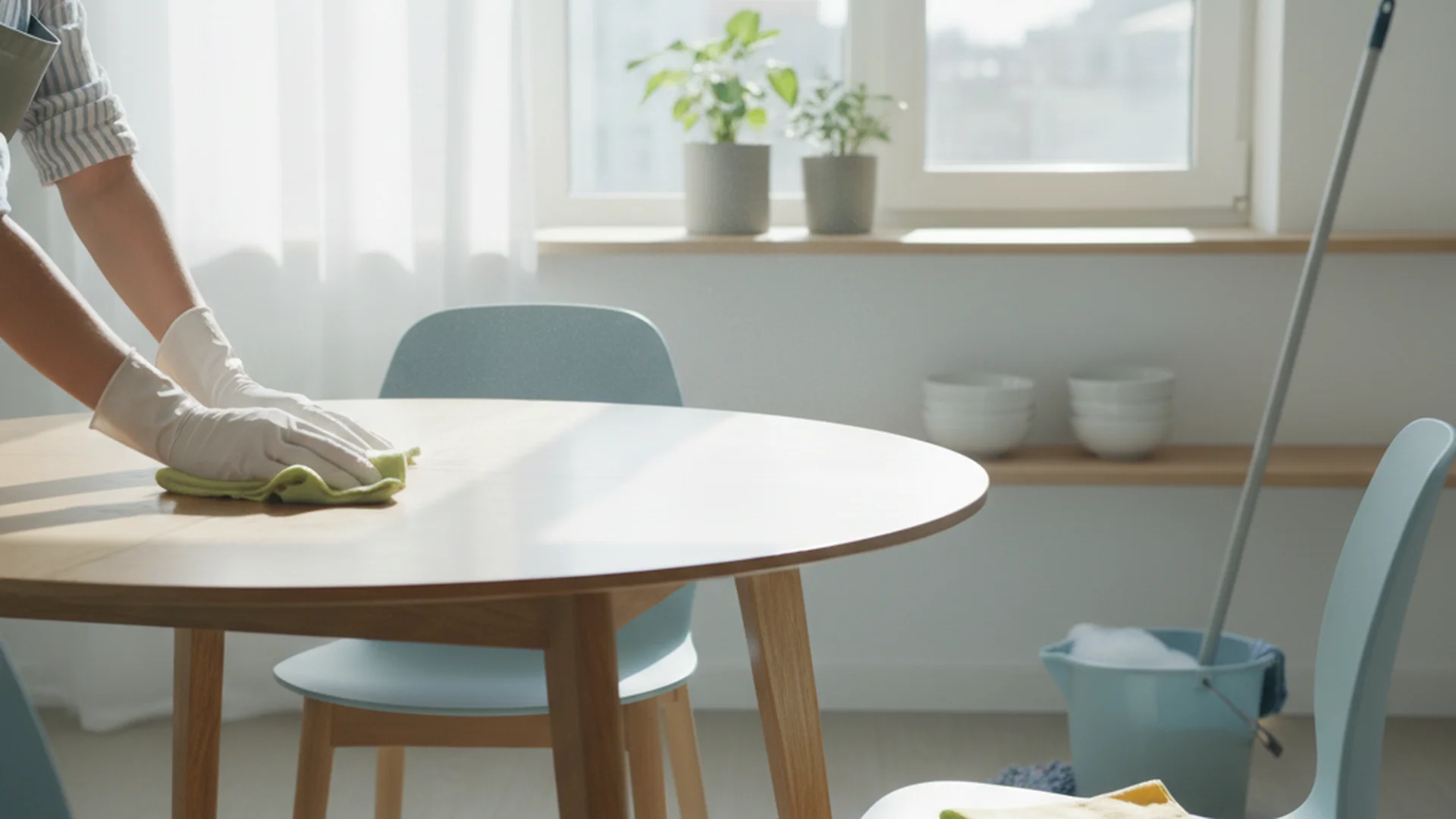
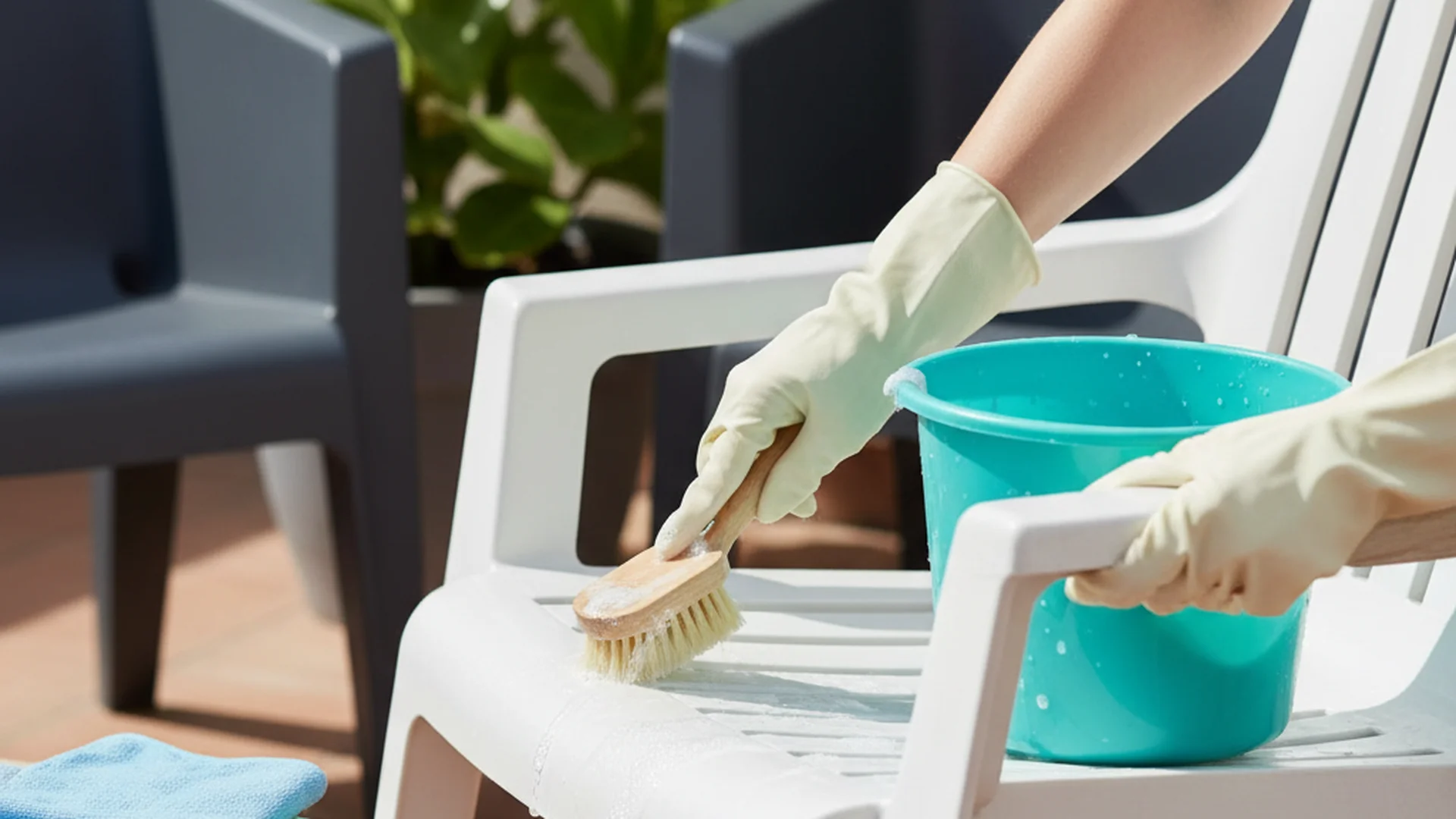
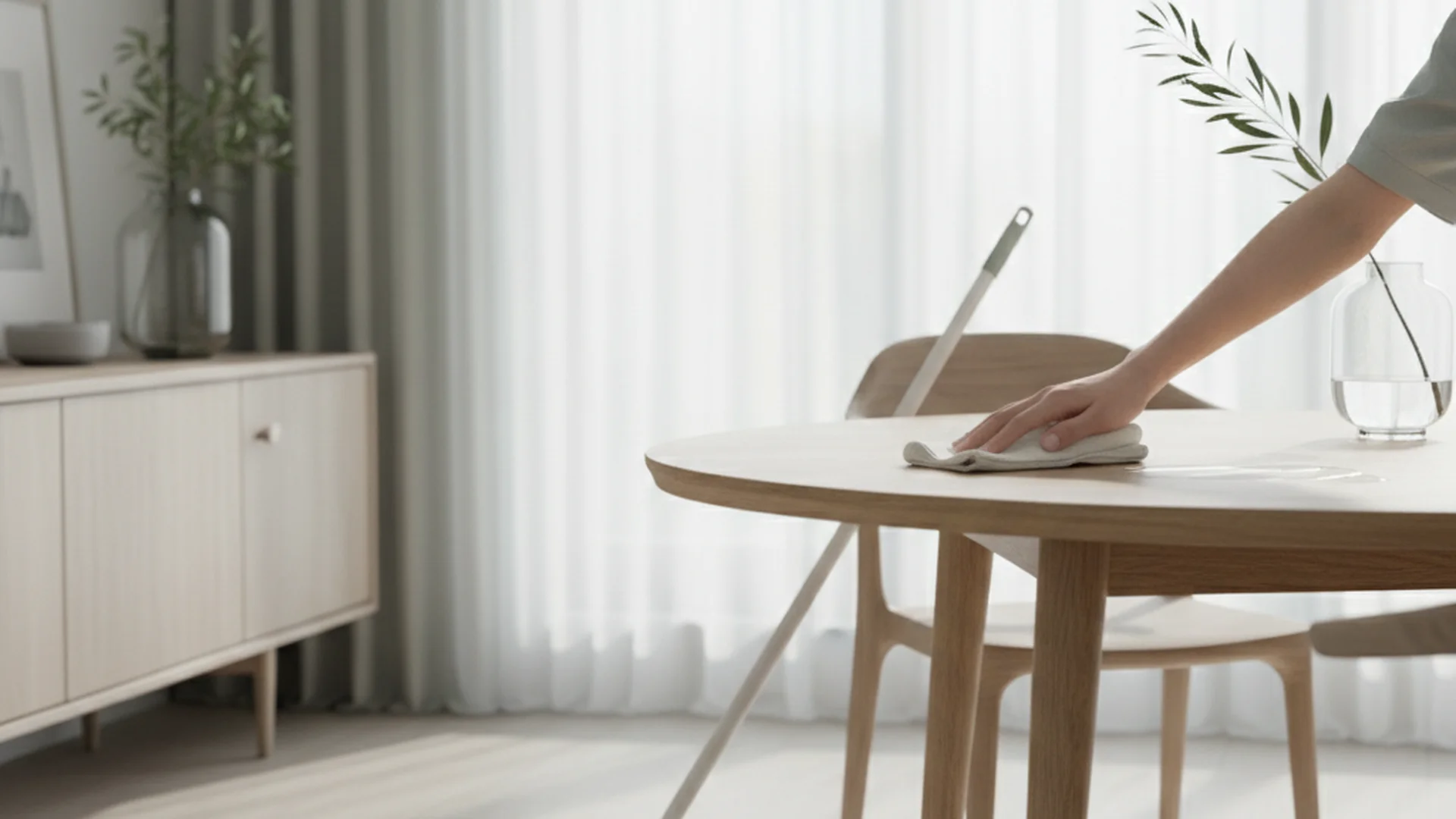
Your dining room is the heart of your home—a place for holiday feasts, morning coffees, and homework sessions. However, with all that activity, your furniture takes a beating. Recent data from a 2025 Censuswide survey of 1,000 U.S. consumers commissioned by ECOVACS shows that while Americans clean their dining rooms 14 to 17 times per month, most focus only on table surfaces, leaving the chairs to collect dust, allergens, and food particles. Knowing how to clean dining chairs properly is not just about aesthetics; it is a vital step in maintaining indoor air quality and extending the life of your investment.
Why Dining Chair Maintenance Matters in 2025
In modern homes, dining chairs have become "high-touch" surfaces. They are primary collectors of the dust a typical home generates. Because these chairs sit near the kitchen, they often harbor a microscopic layer of grease and food debris that attracts dust mites.
Furthermore, as we move through 2025, there is a growing awareness regarding chemical exposure. Finding the best way clean dining chairs now involves a shift toward plant-based, non-toxic solutions that protect both your family and your furniture.
Step 1: Identify Your Material and Cleaning Codes
Before you grab a bucket of soapy water, you must understand what you are working with. Using the wrong solution can lead to permanent water rings, warped wood, or ruined velvet. Look under the seat cushion for a manufacturer’s tag.
Understanding the Universal Cleaning Codes
| Code | Meaning | Cleaning Method |
|---|---|---|
| W | Water-based | Use water-based upholstery cleaner or mild soap. |
| S | Solvent-based | Use water-free dry cleaning solvents only. |
| WS | Both | Safe for water or solvent-based cleaners. |
| X | Vacuum Only | No liquids; professional cleaning recommended. |
Warning: Never use water on a "Code S" fabric. Doing so can cause permanent shrinkage or staining that even a professional cannot fix.
Step 2: How to Clean Upholstered Dining Chairs
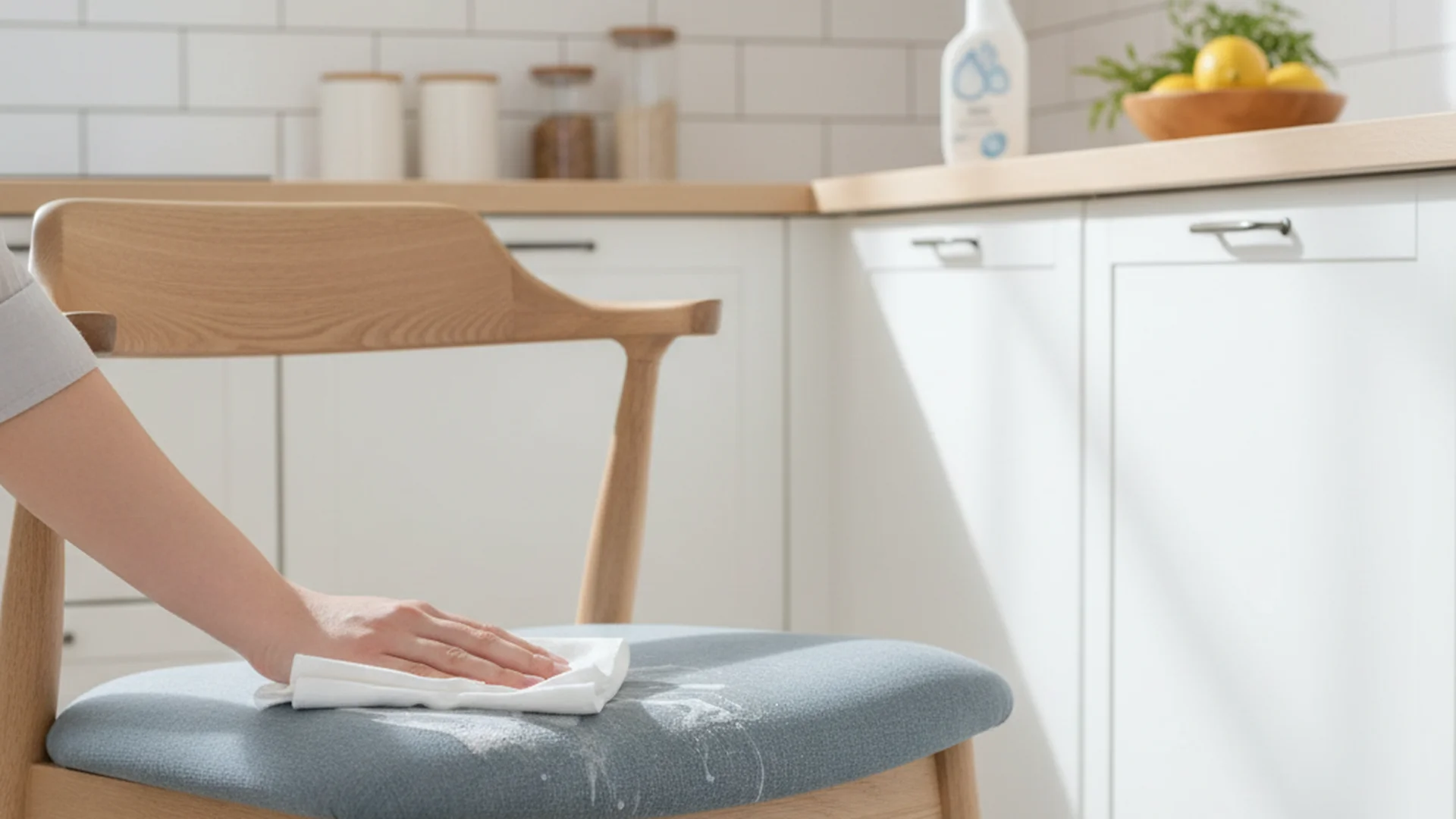
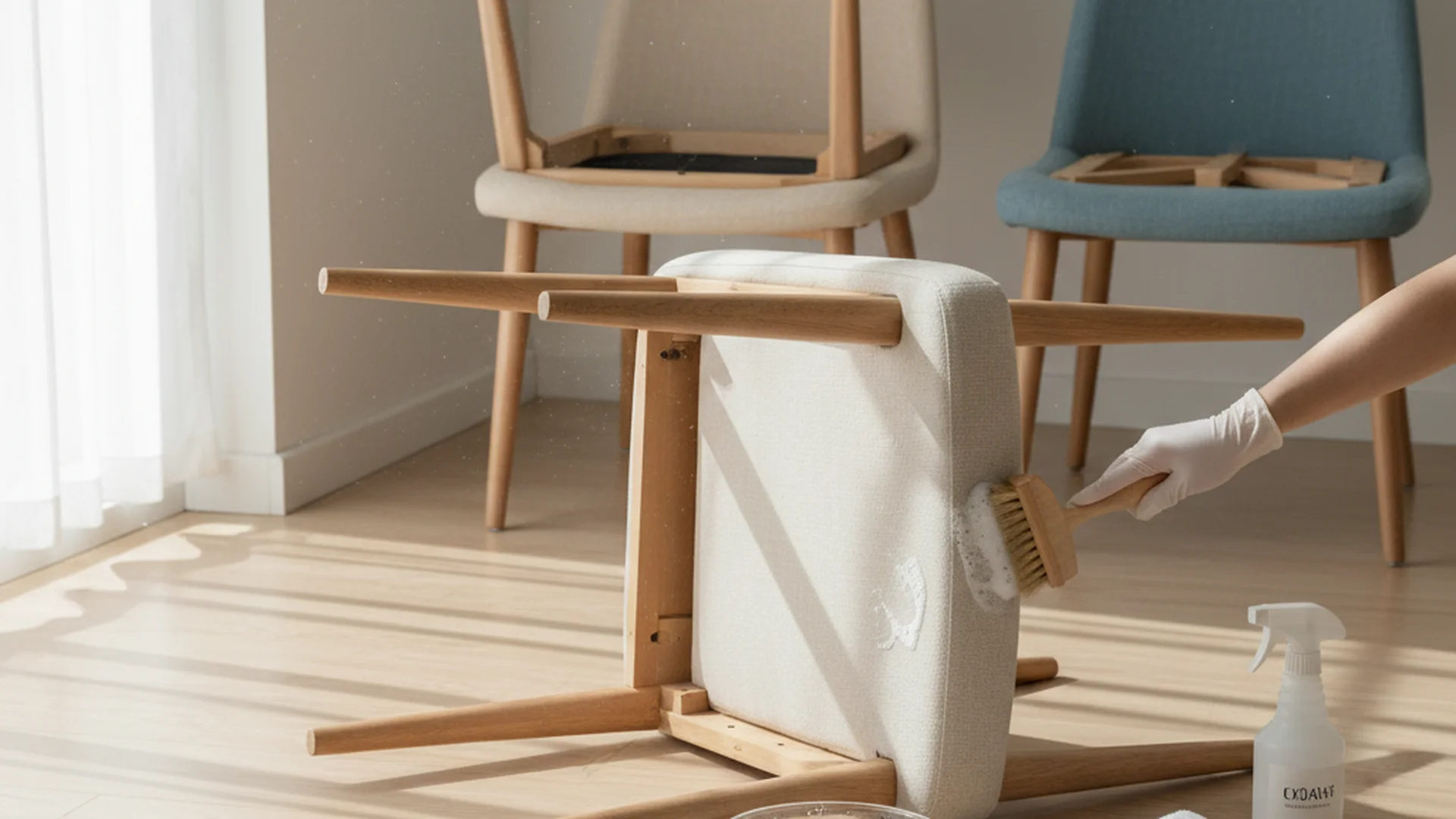
Upholstered chairs are often the most challenging because the fabric fibers trap organic material. To clean dining chairs at home effectively, follow the "Outside-In" rule.
The Deep Cleaning Process
- Vacuum Thoroughly: Use the upholstery attachment to remove loose crumbs. This prevents debris from acting like sandpaper against the fibers.
- Pre-treat Stains: If you have a specific spot (like a dropped piece of beet or a splash of wine), apply an enzyme-based cleaner.
- The Blotting Technique: Never scrub. Apply your cleaner to a microfiber cloth and blot from the edges of the stain toward the center.
- Rinse and Dry: Use a damp (not soaking) cloth to "rinse" the soap away, then air-dry.
Tip: If you are dealing with "old food" smells, sprinkle baking soda over the seat, let it sit for 30 minutes, and vacuum it off. For a 2025 professional touch, use an enzyme-based deodorizer.
Real-World Example: Imagine a Sunday dinner where a glass of red wine spills on a beige upholstered chair. Instead of panic-scrubbing (which spreads the pigment), a homeowner using the "outside-in" blotting method with a WS-safe solvent can lift the stain entirely without leaving a ring.
Step 3: Cleaning Wood and Metal Frames
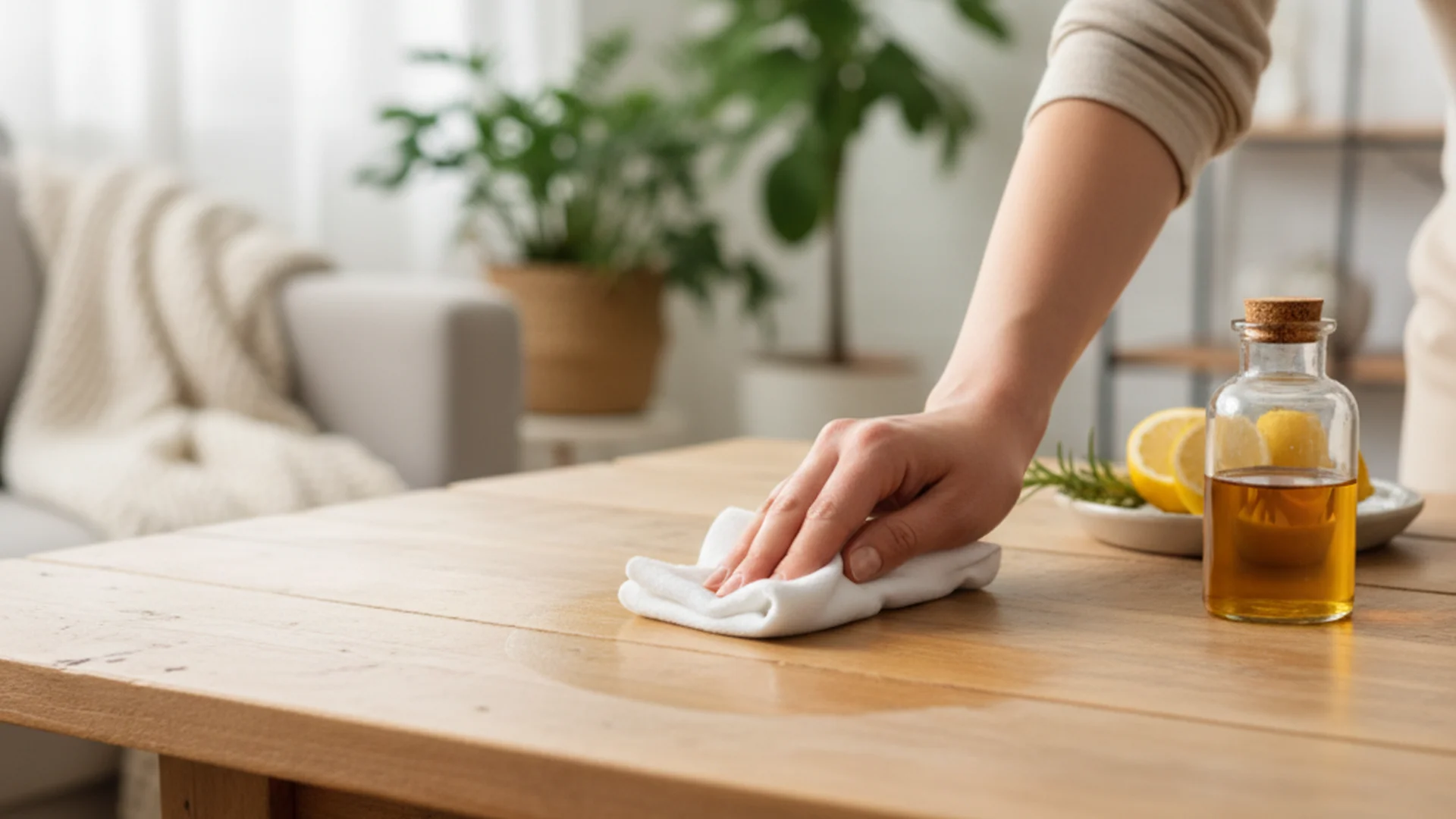
Wooden chairs require a delicate touch to preserve their finish. Many people mistakenly use harsh degreasers that strip the lacquer.
Wood Care Best Practices
- Check pH Levels: Use a cleaner with a pH between 5.5 and 7.0.
- Follow the Grain: Always wipe in the direction of the wood grain. This prevents micro-scratches that dull the shine over time.
- Avoid Excess Moisture: Wood is porous. If water seeps into joints, it can cause the wood to swell and the glue to fail.
Note: Avoid using vinegar or ammonia for daily wood cleaning. Over time, the acidity of vinegar can break down the protective wax coating on your furniture.
Real-World Example: A vintage oak chair found at a thrift store may look dull. By using a pH-neutral wood soap and wiping with the grain, you can remove years of "grime buildup" without damaging the original 1970s patina.
Step 4: Leather and Faux Leather Maintenance
Leather chairs can last 15 years or more if hydrated. However, 2025 has seen a massive surge in "Vegan Leathers"—materials made from mushrooms, pineapple fibers, or recycled plastics.
The Hydration Rule
- Genuine Leather: Apply a high-quality leather conditioner every 3 months. This keeps the hide supple and prevents cracking.
- Faux/Vegan Leather: These materials don't "breath" like real leather. Use a specialized UV-protectant spray to prevent the surface from peeling or "dandruffing."
Success: Regular conditioning of leather chairs can increase their resale value by up to 40% because it prevents the deep "spider-web" cracking common in neglected furniture.
2025-2026 Cleaning Trends and Tech
The world of furniture care is evolving. Here are the latest trends professional consultants are recommending this year:
Nano-Safe Protective Coatings
Homeowners are now applying hydrophobic nano-sprays at home. These coatings create a barrier that causes liquids to bead up and roll off the fabric, making them essentially "toddler-proof."
UV-C Sanitization
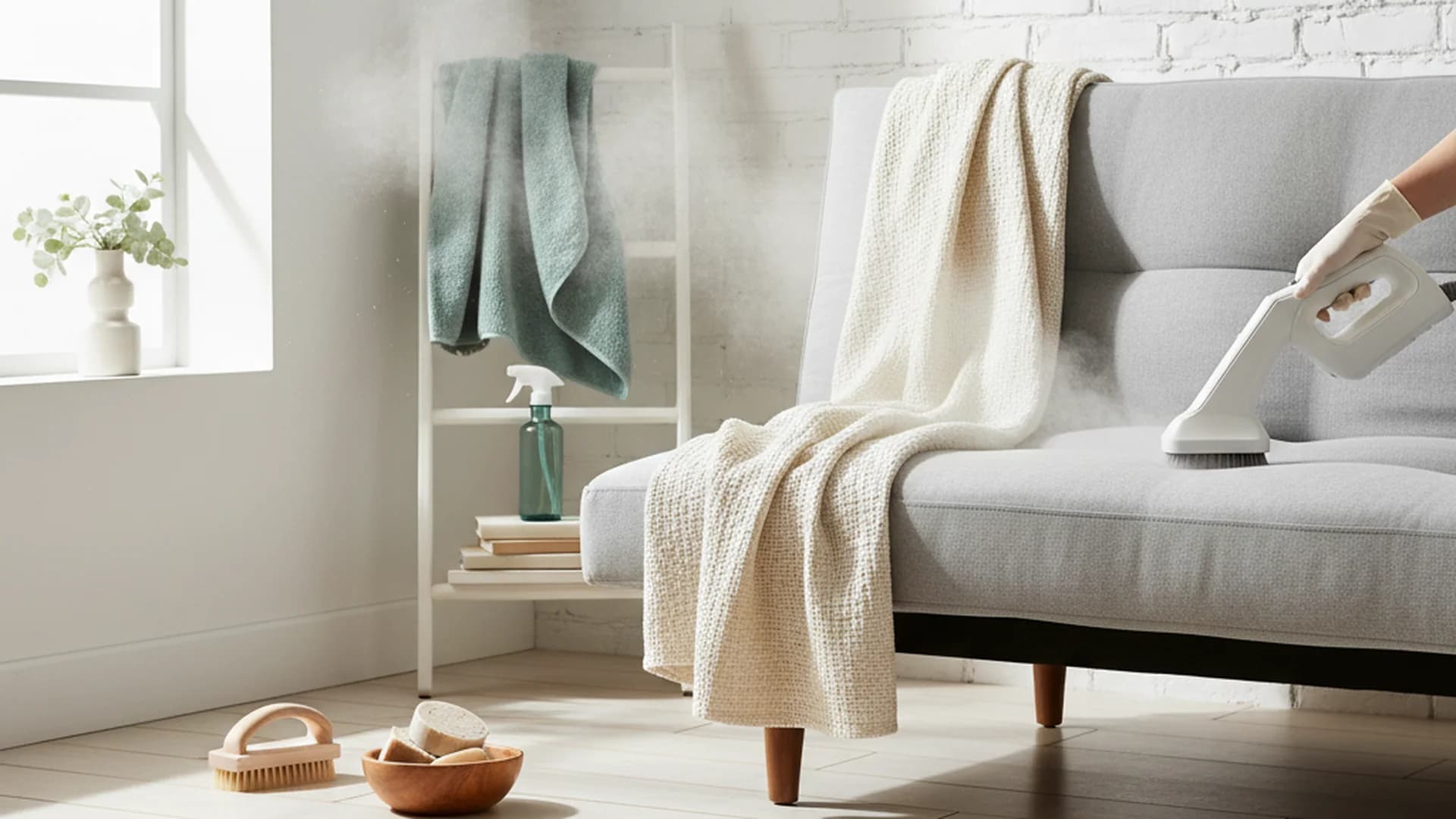
A major trend for 2026 is the use of handheld UV-C wands. These devices kill 99.9% of bacteria and dust mites on high-touch chair backs without the use of water or chemicals. This is ideal for "Code X" fabrics.
Enzyme Cleaners
Traditional "hospital-smell" disinfectants are being replaced by bio-enzymatic cleaners. These products contain "good" bacteria that literally eat organic stains like wine, protein, and fats, leaving no toxic residue behind.
Common Mistakes to Avoid
- The "Scrubbing" Myth: Scrubbing doesn't lift stains; it pushes them deeper into the foam padding and breaks down the fabric fibers. Always blot.
- Over-Wetting: If your upholstery stays damp for more than 24 hours, you’ve used too much water. This creates a breeding ground for mold and mildew inside the chair.
- Using Dish Soap on Wood: Most dish soaps are designed to strip grease from plates. When used on wood, they strip the protective oils and waxes, leaving the wood brittle.
- Heat Drying: Using a hairdryer to speed up drying on leather or faux leather is a recipe for disaster. Heat causes these materials to shrink and crack.
Real-World Example: A parent tries to clean a "sticky toddler chair" by soaking it with a garden hose or heavy buckets of water. While the surface looks clean, the internal foam remains wet for days, resulting in a musty smell that eventually requires the chair to be thrown away.
Frequently Asked Questions
How often should I deep clean my dining chairs?
Can I use a steam cleaner on all dining chairs?
What is the best way to clean dining chairs with "Code X" tags?
How do I remove "old food" odors from fabric?
Conclusion
Mastering how to clean dining chairs is a mixture of choosing the right chemistry and the right technique. By identifying your cleaning codes, avoiding the temptation to scrub, and embracing new 2025 technologies like enzyme cleaners and UV-C sanitization, you can ensure your dining set remains a beautiful, hygienic centerpiece for years to come.
Success: A consistent maintenance schedule not only keeps your home looking great but also protects your family from allergens and harsh chemicals.
Cleaning that keeps score
Every task earns points, every streak multiplies them, and Premium adds a household leaderboard plus a monthly Dustagorgon to beat.
- Free forever
- 30 badges to earn
- Up to 6 in a household
No card needed. Set up your rooms in a couple of minutes.