In this article
What you’ll learn
- Cultured marble requires non-abrasive cleaners to protect its gel coat.
- Avoid high heat (over 140°F) to prevent "crazing" or hairline cracks.
- Monthly waxing or annual nano-coatings are the best way to maintain shine.
Cultured marble has long been a favorite for homeowners seeking the elegance of natural stone without the high price tag or the porous maintenance headaches. Whether you have a sleek vanity top, a seamless integrated sink, or a full shower surround, knowing how to clean cultured marble properly is the secret to keeping your bathroom looking like a high-end spa for decades. Unlike natural marble, which is a literal rock, cultured marble is an engineered masterpiece—a blend of 75% crushed marble dust and 25% polyester resin, all sealed under a protective clear gel coat.
While this non-porous surface is incredibly durable and resistant to the stains that plague natural stone, it isn't invincible. In fact, many of the cleaning habits we use for other surfaces can actually dull or damage the delicate gel coat that gives cultured marble its signature glow. In this guide, we’ll explore the modern, expert-approved methods for daily maintenance, deep cleaning, and the latest 2025-2026 protection trends.
Understanding the Material: More Than Just "Fake" Marble
Before you reach for your cleaning supplies, it is essential to understand that you are cleaning plastic resin, not stone. The outer layer of your cultured marble is essentially the same "gel coat" used on fiberglass boats. This is why standard stone sealers won't work and why abrasive powders are your number one enemy.
As we move into 2025, the market for these durable surfaces has exploded. However, because it is a man-made product, it reacts differently to heat and chemicals than traditional granite or Carrara marble.
The Thermal Shock Risk
One of the most common ways homeowners accidentally damage their cultured marble sinks is through "thermal shock." Because the resin and the marble dust expand and contract at different rates, sudden temperature changes can be catastrophic.
Warning: Never pour boiling water (exceeding 140°F) into a cold cultured marble sink. This causes "crazing"—hundreds of tiny hairline cracks that cannot be cleaned out and often require professional resurfacing to fix.
The Best Way to Clean Cultured Marble Daily
The best way clean cultured marble on a day-to-day basis is surprisingly simple. Because the surface is non-porous, bacteria and soap scum don't "sink in"; they just sit on top.
Step 1: The Right Tools
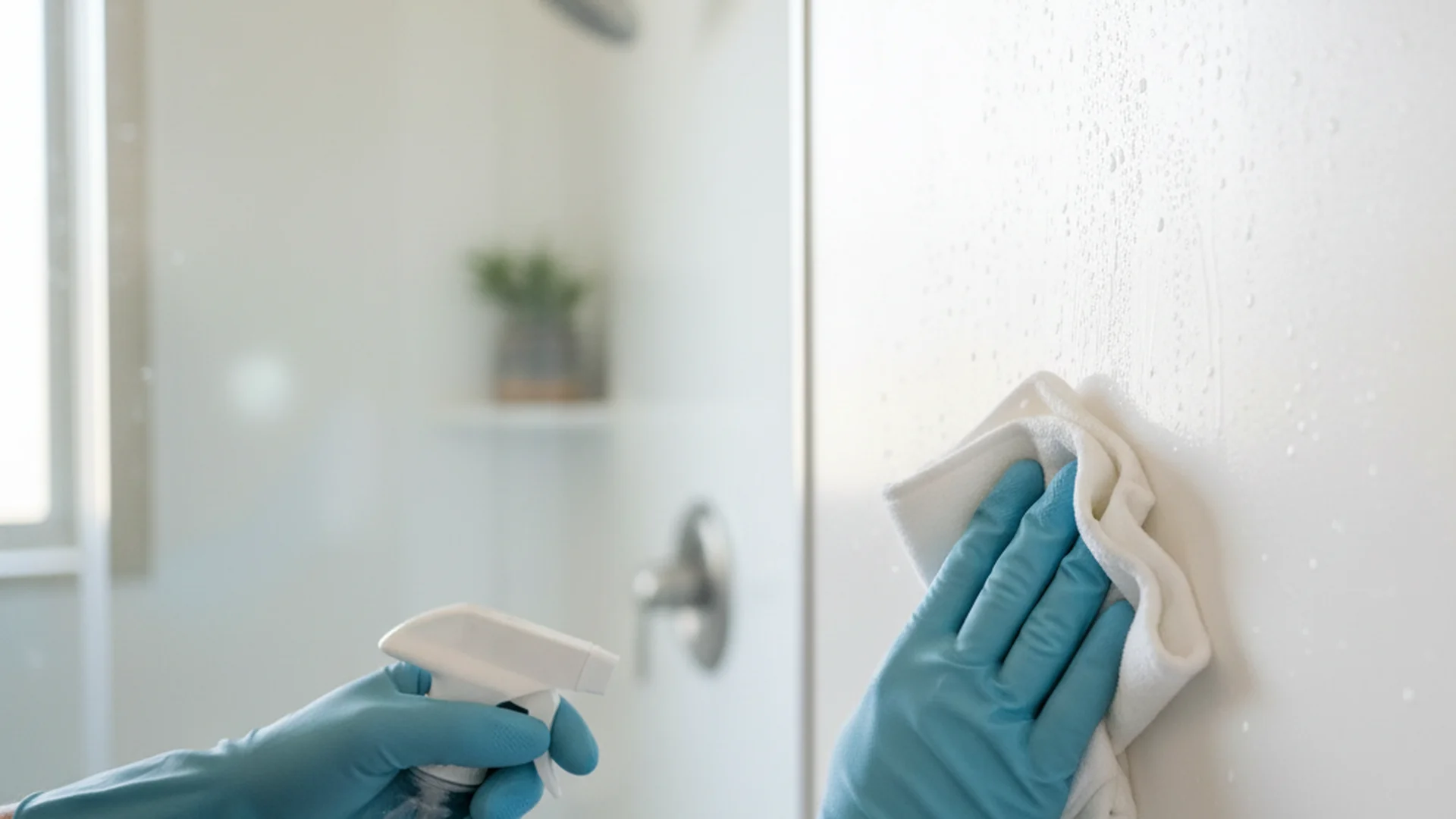
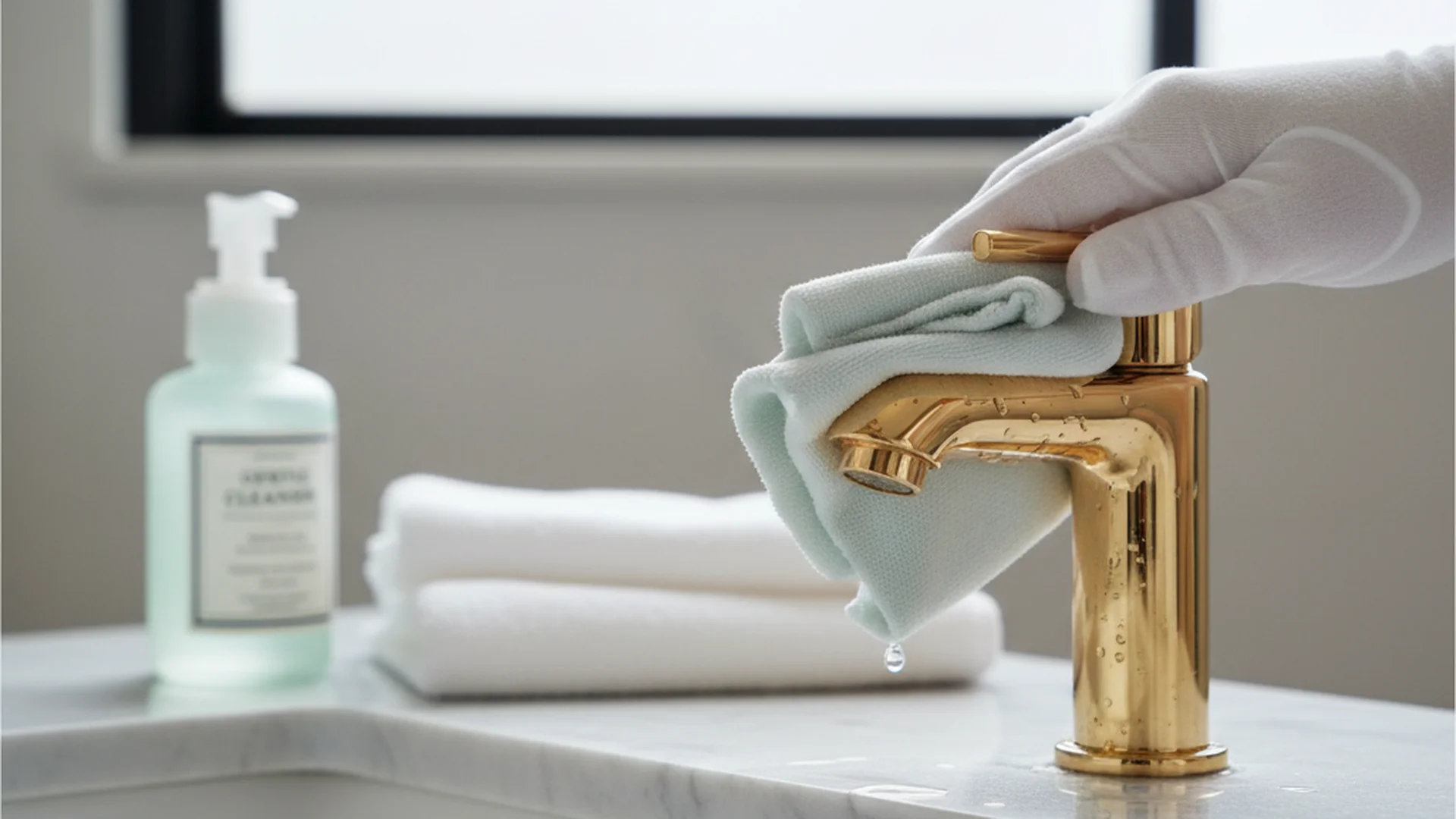
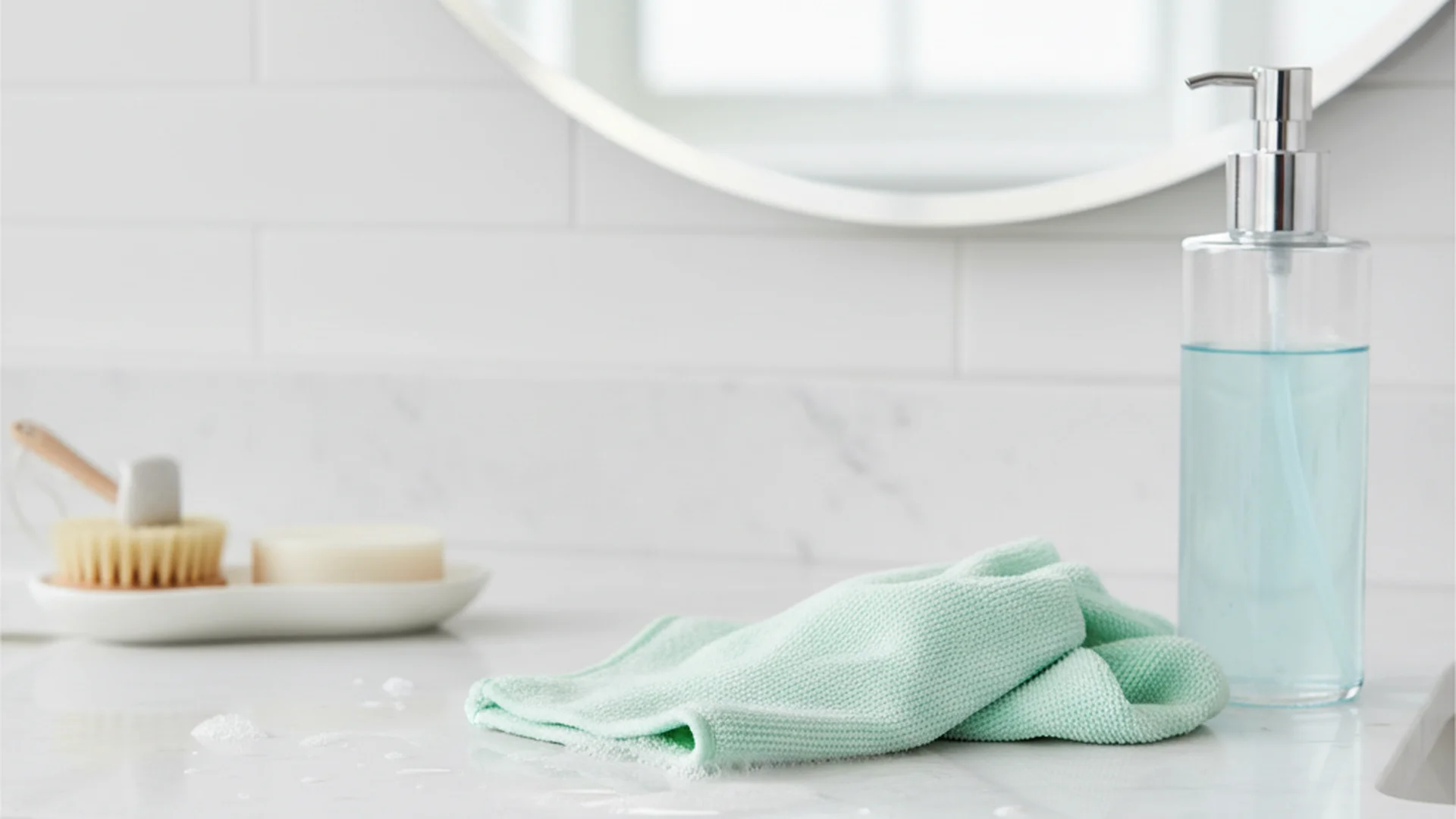
Ditch the scrub brushes and scouring pads. A soft microfiber cloth is your best friend. Microfiber lifts away oils and grime without leaving the micro-scratches that eventually make a surface look "fuzzy" or matte.
Step 2: Choose Your Cleaner
In 2025, the trend is moving toward "Green Cleaning" and plant-based surfactants. Experts recommend using a simple solution of warm water and a few drops of pH-neutral dish soap. Avoid any cleaners containing ammonia or high concentrations of bleach for daily use, as these can yellow the resin over time.
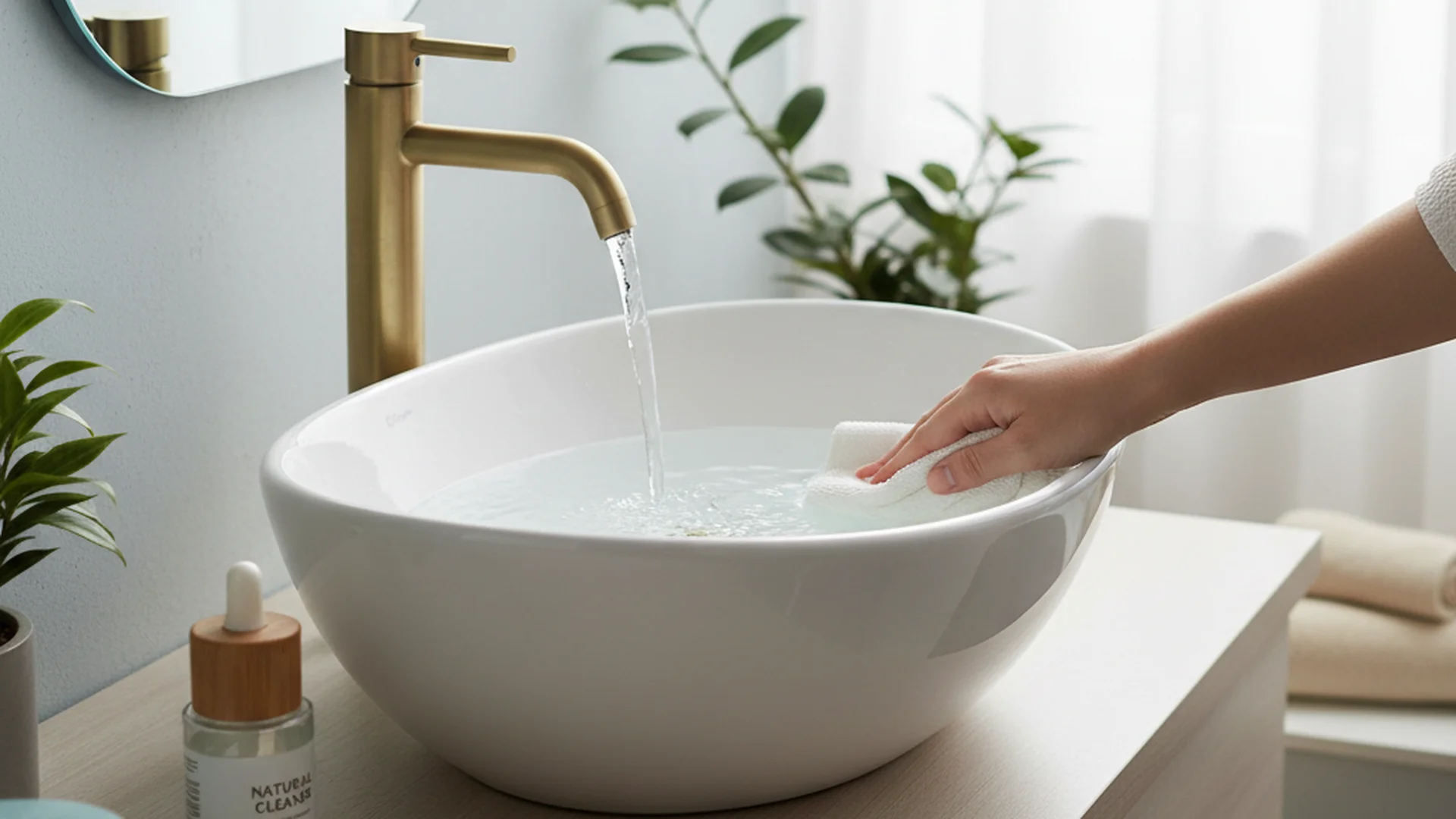
Step 3: Rinse and Dry
Always rinse with clear water and, most importantly, wipe the surface dry. This prevents the mineral deposits found in hard water from bonding to the gel coat.
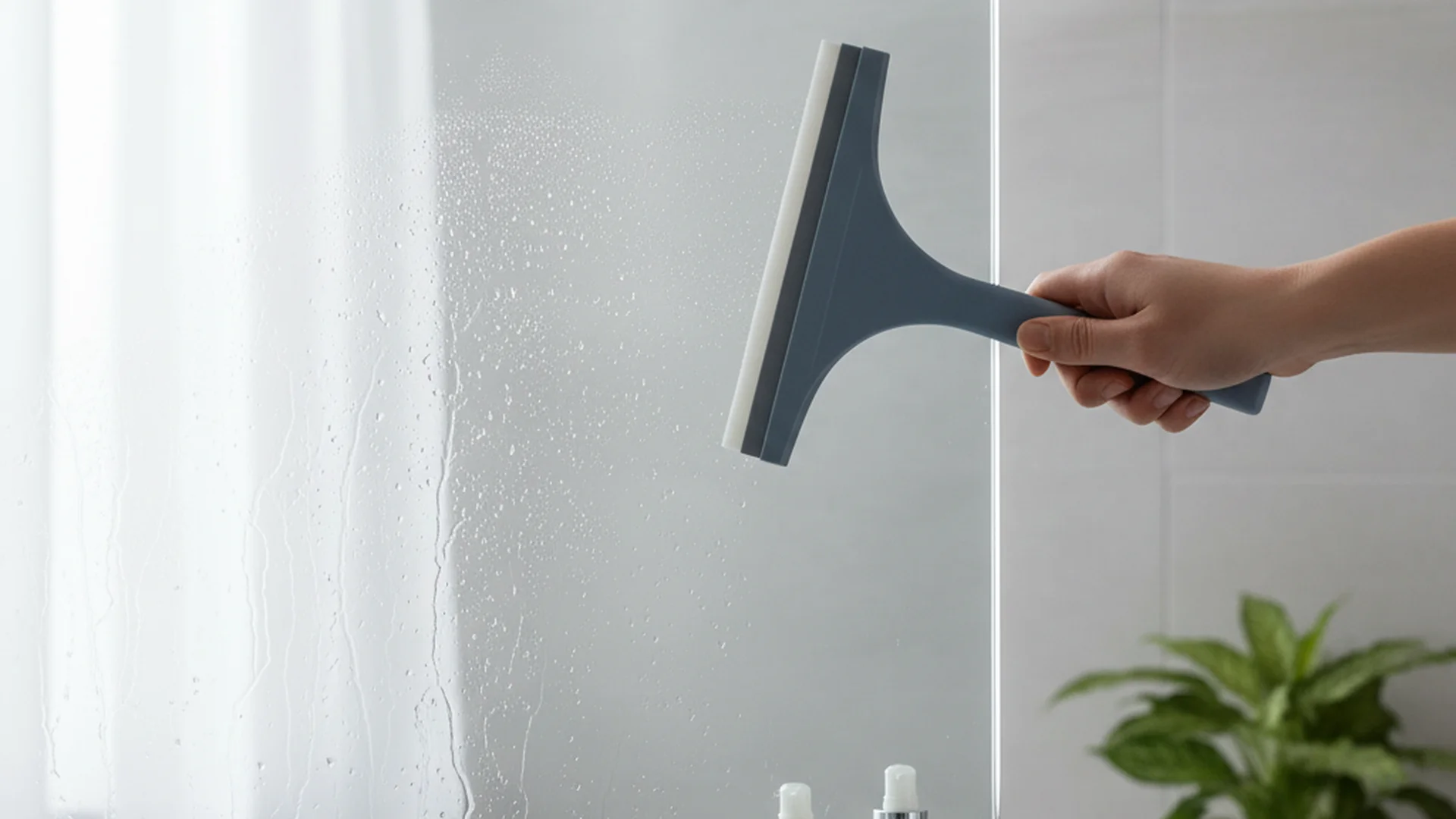
Tip: If you live in an area with hard water, keeping a small squeegee in the shower can reduce your deep-cleaning time by 80% by preventing mineral buildup before it hardens.
Deep Cleaning and Stain Removal
Sometimes, daily wiping isn't enough—especially in a high-traffic family bathroom. When soap scum or hard water spots begin to dull the shine, you need a more targeted approach.
Removing Hard Water Spots and Soap Scum
If your vanity has lost its luster, a 50/50 mixture of white vinegar and water is the gold standard. Spray it on, let it sit for 3 to 5 minutes (do not let it dry), and wipe away.
Note: While vinegar is effective, some restoration experts suggest using it sparingly. The acidity is great for minerals but can slightly dull the gel coat if used every single day. Reserve this for your bi-weekly deep clean.
Real-World Example: The Hair Dye Disaster
Imagine you're getting ready for a night out and accidentally drip permanent hair dye or high-pigment ink onto your white cultured marble counter.
- Don't Panic: Since the surface is non-porous, the stain is likely only on the surface.
- The Solution: Use a small amount of denatured alcohol on a cotton ball. Rub gently in a circular motion.
- The Result: The alcohol breaks down the dye without melting the resin. Always test this in a hidden corner first!
Recommended Cleaning Products
| Product Type | Recommended Brands | Why it Works |
|---|---|---|
| Daily Cleaner | Mrs. Meyer's or Dawn | pH-neutral and gentle on resin |
| Deep Cleaner | Gel-Gloss or Scrubbing Bubbles | Non-abrasive foam lifts grime |
| Hard Water | 50/50 Vinegar/Water | Dissolves calcium deposits |
| Stain Removal | Denatured Alcohol | Effective for ink and cosmetics |
Restoration: Bringing Back the Shine
If your cultured marble looks "cloudy," it’s usually not dirty—it’s scratched or oxidized. Because the shine is a mechanical finish (the gel coat), you can't just "clean" it back to life; you have to polish it.
Waxing (The Traditional Method)
For decades, the standard has been using a high-quality automotive paste wax (non-yellowing) or a specialized product like Gel-Gloss. Applying this once a month fills in micro-scratches and creates a water-beading barrier.
The 2026 Trend: Ceramic Nano-Coatings
A major shift entering 2026 is the adoption of DIY ceramic coatings—the same technology used to protect luxury car paint. These liquid polymers create a permanent (or semi-permanent) hydrophobic layer that lasts 6 to 12 months. They are much more durable than wax and make cleaning almost effortless.
Success: Applying a ceramic nano-coating to your cultured marble shower walls can virtually eliminate soap scum buildup for an entire year.
Common Mistakes to Avoid
Even with the best intentions, it’s easy to ruin cultured marble with the wrong products. Avoid these common pitfalls:
- The Abrasive Trap: Never use "Soft Scrub," "Comet," or steel wool. These contain grit that acts like sandpaper, permanently stripping the gloss.
- The "Sealer" Myth: Don't waste money on expensive granite or stone sealers. Cultured marble is non-porous; the sealer will just sit on top and create a sticky, streaky mess.
- The Heat Hazard: Avoid placing curling irons or straighteners directly on the surface. Use a heat-resistant mat to prevent yellowing or cracking.
- Bleach Overuse: While a 10% bleach solution is okay for killing mold in grout lines, soaking the entire surface in pure bleach will cause the polyester resin to turn a sickly yellow.
Frequently Asked Questions
Is cultured marble the same as natural marble?
Can I use a Magic Eraser on cultured marble?
How do I fix hairline cracks (crazing)?
What should I do if my marble looks yellow?
Conclusion
Cleaning cultured marble doesn't have to be a chore. By understanding that you are maintaining a protective gel coat rather than a porous stone, you can choose the right tools—like microfiber cloths and pH-neutral soaps—to keep your bathroom sparkling. Remember to protect the surface from high heat and avoid the "abrasive trap" of gritty cleaners. Whether you stick to traditional waxing or upgrade to a modern 2026 ceramic coating, a little bit of preventative care will ensure your cultured marble remains a beautiful centerpiece of your home for years to come.
Success: Regular maintenance with the right products not only keeps your bathroom hygienic but also preserves the resale value of your home by keeping fixtures in "like-new" condition.
Cleaning that keeps score
Every task earns points, every streak multiplies them, and Premium adds a household leaderboard plus a monthly Dustagorgon to beat.
- Free forever
- 30 badges to earn
- Up to 6 in a household
No card needed. Set up your rooms in a couple of minutes.