In this article
What you’ll learn
- Use microfiber cloths to prevent micro-scratches and water spots.
- Aluminum foil and water is the safest way to remove surface rust.
- Avoid bleach and ammonia to prevent delamination and pitting.
Polished chrome is making a massive comeback in the 2025-2026 design cycle. Known for its "radiant return" to spa-style bathrooms, this finish now holds a staggering 43% of the total faucet market share. However, with its mirror-like brilliance comes the challenge of keeping it spotless. If you have ever wondered how to clean chrome fixtures without causing permanent damage, you aren't alone. With hard water affecting most U.S. households, those stubborn white spots and mineral scales are a nearly universal frustration for homeowners.
In this guide, we will explore the best way to clean chrome fixtures using a combination of traditional expertise and the latest eco-conscious technologies. Whether you are dealing with "green gunk" or a dull finish, these professional techniques will restore your fixtures to their original showroom glory.
The Science of Chrome Maintenance
Chrome is a plating, not a solid metal. This means that while it is incredibly durable and resistant to corrosion, the thin layer of chromium can be damaged by abrasive tools or harsh chemicals. Understanding the impact of your environment is the first step toward better maintenance.
For instance, hard water isn't just an aesthetic issue. Mineral buildup in showerheads can decrease efficiency and increase energy consumption by up to 30% as your water heater works harder to push water through clogged pipes. Regular cleaning is an investment in your home’s infrastructure.
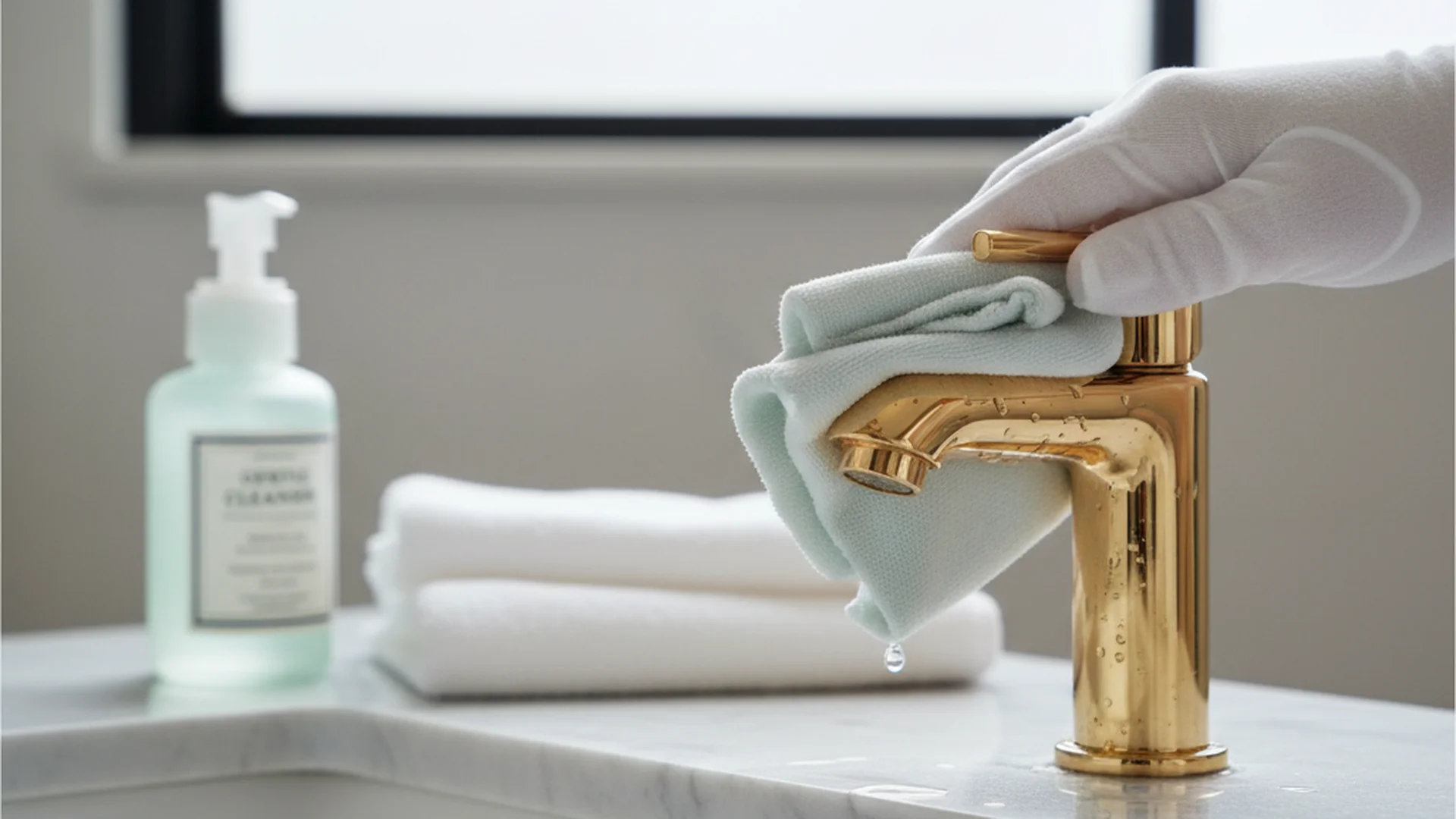
Note: Chrome's popularity in 2026 is driven by the "Mixed Metal" trend, where polished chrome is paired with warmer tones like brushed gold for a high-end, curated look.
The Best Way to Clean Chrome Fixtures: A Step-by-Step Guide
Step 1: The Gentle Soap Method
Before reaching for acidic cleaners, start with the most conservative approach. This removes 90% of daily grime, oils, and soap scum without any risk to the finish.
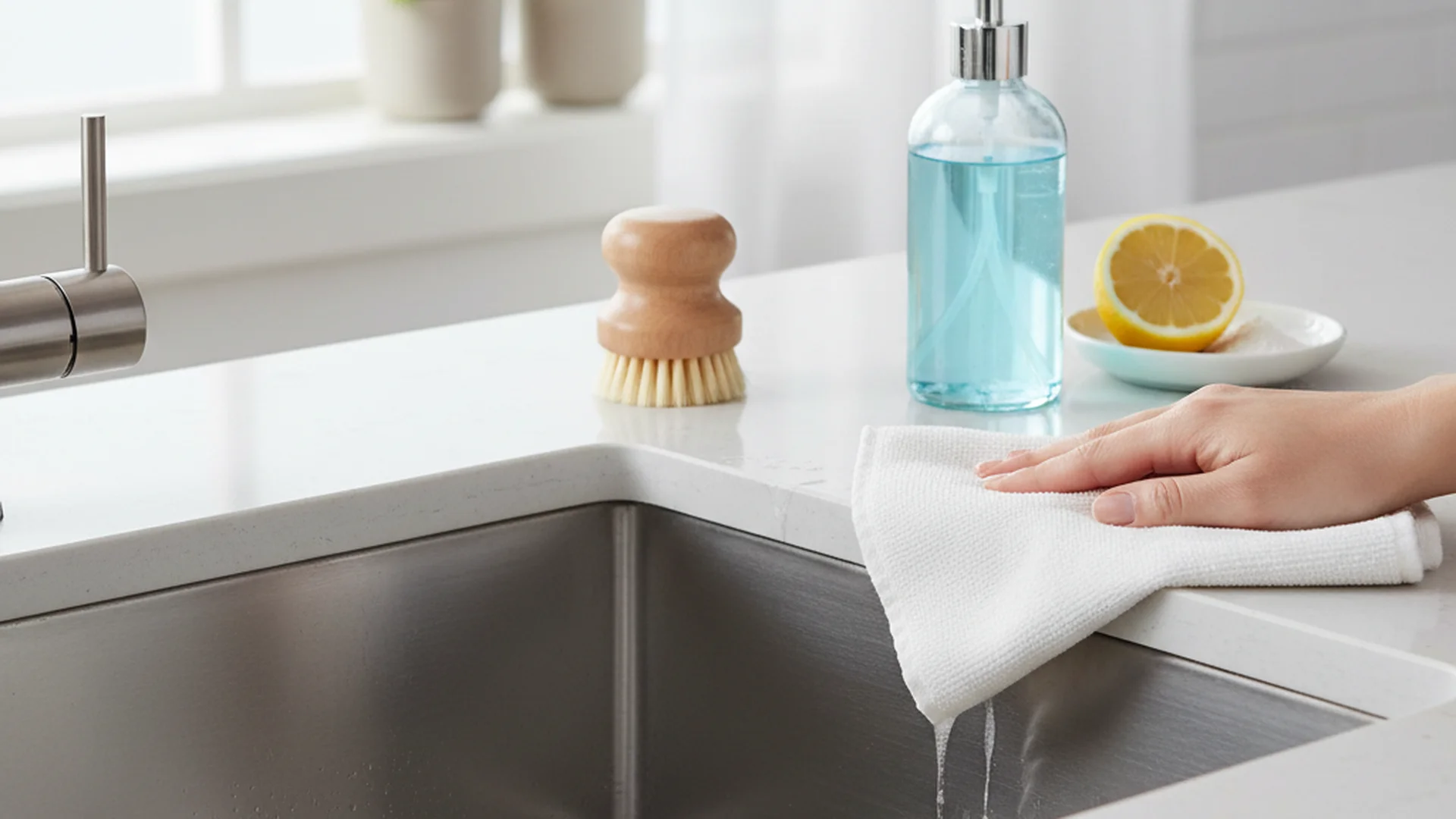
- Mix warm water with a few drops of mild dish soap.
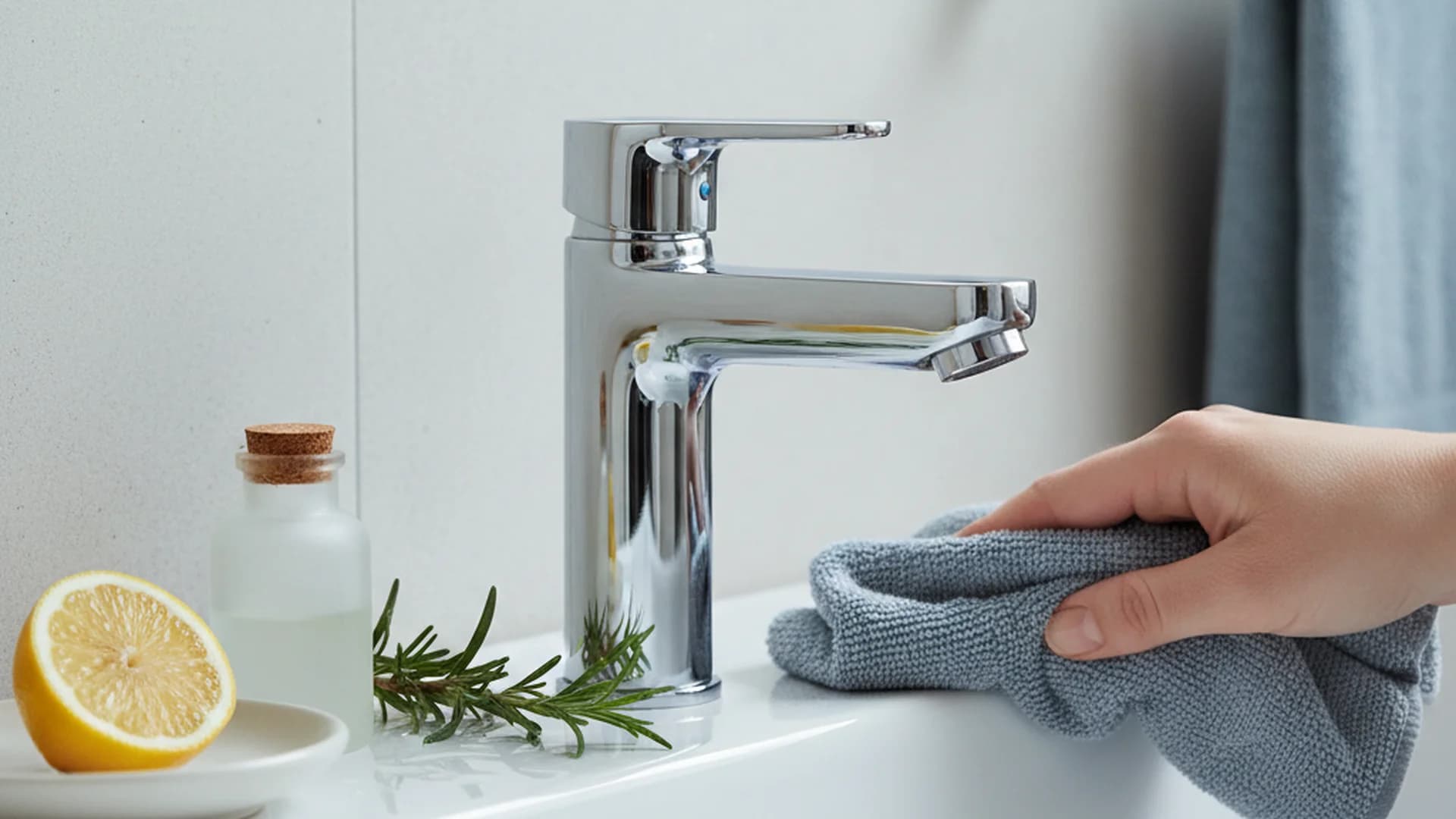
- Dip a clean microfiber cloth into the solution.
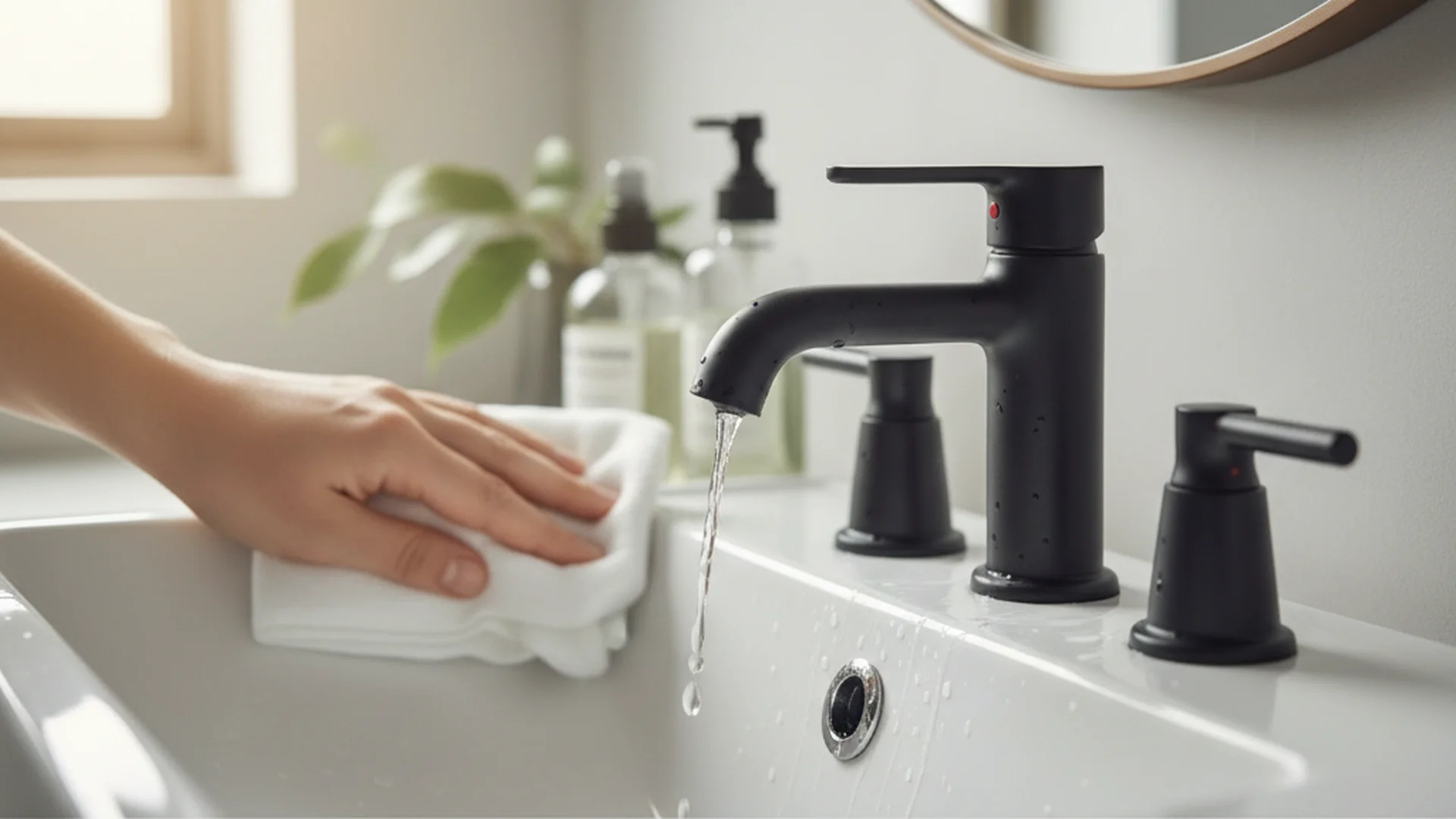
- Wipe the fixture thoroughly, paying attention to the base where grime collects.
- Rinse with fresh water.
Success: This method is safe for daily use and maintains the integrity of the chrome’s protective top layer.
Step 2: Dissolving Hard Water and Limescale
If soap and water don't cut through the white, crusty mineral deposits, it is time for a natural descaler.
- Soak a cloth in a 1:1 solution of white vinegar and water.
- Wrap the cloth around the affected area of the fixture.
- Let it sit for 15 to 30 minutes.
- Remove the cloth and scrub gently with a soft-bristled toothbrush.
Warning: Never leave vinegar on chrome for longer than 60 minutes. The acidity can eventually eat through the finish, leading to permanent dulling or "pitting."
Step 3: The Buffing Secret
The difference between a "clean" fixture and a "professional" finish is the drying process. If you allow chrome to air-dry, the minerals in the water will settle back onto the surface, creating new spots immediately.
Use a dry, clean microfiber cloth to buff the fixture in circular motions until it is bone-dry. This is the secret to achieving that streak-free, mirror-like shine.
Advanced Solutions for Common Problems
Removing Rust with Aluminum Foil
If you spot orange rust on your chrome, don’t reach for steel wool. Steel wool is harder than chrome and will leave thousands of tiny scratches. Instead, use aluminum foil.
When you rub wet aluminum foil against rusted chrome, a chemical reaction occurs. The aluminum is softer than the chrome but harder than the rust. It creates a polishing compound that dissolves the rust while sealing the surface. Simply dip a small piece of crumpled foil in water and rub gently until the rust vanishes.
Eliminating "Green Gunk"
That mysterious green buildup often found around handles is usually a mixture of oxidized copper salts (from internal brass components) and soap scum. A 1:1 vinegar solution will break this down, but it may require a second application for heavy buildup.
Tip: To prevent future green buildup, apply a thin layer of carnauba wax or specialized faucet wax every three months. This creates a hydrophobic barrier that repels water and soap.
Comparison of Cleaning Methods
| Method | Best For | Risk Level |
|---|---|---|
| Soap & Water | Daily maintenance / Light grime | Zero Risk |
| Vinegar Soak | Limescale / Hard water spots | Low (if timed correctly) |
| Aluminum Foil | Surface rust removal | Low |
| Carnauba Wax | Future protection / Shine | Zero Risk |
| Bleach/Ammonia | DO NOT USE | High (Permanent Damage) |
2025-2026 Trends in Chrome Care
The world of home maintenance is shifting toward smarter, more sustainable solutions. If you are looking to upgrade your routine, consider these emerging trends:
1. Self-Cleaning Nanotechnology
High-end fixtures in 2025 are increasingly coming pre-treated with antimicrobial and self-cleaning coatings. These coatings repel fingerprints and water at a molecular level, meaning you only need a dry wipe once a week.
2. Eco-Conscious Concentrates
There is a massive move away from "heavy-duty" spray bottles. Brands like Blueland offer pH-neutral, plastic-free tablets that you dissolve in your own reusable bottles. These are safer for the environment and much gentler on the delicate metallic finishes of your bathroom.
3. Touchless Integration
Smart, voice-activated, or touchless faucets are becoming standard. By reducing the physical contact between oily hands and the chrome surface, these fixtures stay cleaner for significantly longer periods.
Common Mistakes to Avoid
- Using Abrasive Pads: Even the "green" side of a standard kitchen sponge is abrasive enough to leave swirl marks on polished chrome. Always stick to microfiber.
- Ignoring the Aerator: The mesh screen at the tip of your faucet is where 95% of mineral buildup occurs. Periodically unscrew the aerator and soak it in vinegar to maintain water pressure.
- Using "All-Purpose" Sprays: Many of these contain harsh acids meant for porcelain or tile. If a cleaner isn't explicitly labeled "Safe for Chrome," keep it away from your fixtures.
- The "Vinegar Soak" Mistake: As mentioned, leaving a vinegar-soaked rag on a fixture overnight can cause the chrome to delaminate from the base metal.
Real-World Examples
Example 1: The Guest Bath Transformation
A homeowner noticed their guest bathroom faucet had turned dull and "foggy" after months of non-use. By using the Gentle Method (dish soap) followed by a Carnauba Wax application, they restored the shine and protected it from future dust and moisture buildup, even during periods of inactivity.
Example 2: The Clogged Showerhead
In a region with extremely hard water, a showerhead had lost half its pressure. The owner used the "baggie trick"—filling a plastic bag with vinegar, securing it around the showerhead with a rubber band for 45 minutes, and then clearing the aerator holes with a toothpick. Water flow was restored to 100% without replacing the fixture.
Example 3: The New Home Move-In
After moving into a home with slightly rusted chrome bathroom handles, the resident used the aluminum foil trick. Within 10 minutes, the rust was gone, and the handles looked brand new, saving the cost of a full bathroom hardware replacement.
Frequently Asked Questions
How do I remove rust from chrome without scratching it?
Can I use vinegar to clean chrome every day?
Why is my chrome turning green?
How often should chrome be cleaned?
Conclusion
Keeping your chrome fixtures sparkling doesn't require expensive chemicals or hours of scrubbing. By following the "Microfiber First" rule and utilizing gentle, natural descalers like vinegar and aluminum foil, you can maintain a mirror-like finish that lasts for decades. As we move into 2026, the focus is on protection rather than just cleaning—so don't forget that final layer of wax to keep the water beading off.
Success: Consistent, gentle care is the secret to ensuring your chrome fixtures remain the crowning jewel of your bathroom or kitchen.
Cleaning that keeps score
Every task earns points, every streak multiplies them, and Premium adds a household leaderboard plus a monthly Dustagorgon to beat.
- Free forever
- 30 badges to earn
- Up to 6 in a household
No card needed. Set up your rooms in a couple of minutes.