In this article
What you’ll learn
- Always prioritize pH-neutral cleaners to protect the delicate porcelain enamel.
- Never use abrasive steel wool or harsh acids like undiluted vinegar.
- Drying the tub after every use is the most effective way to prevent hard water buildup.
Cast iron tubs are the undisputed heavyweights of the bathroom—both literally and figuratively. Known for their incredible heat retention and timeless aesthetic, these fixtures are built to last for generations. However, because they are coated in a specialized layer of porcelain enamel, they require a different touch than your standard acrylic or fiberglass unit. If you are wondering how to clean a cast iron tub effectively, you must understand that you aren't just cleaning metal; you are maintaining a glass-like surface fused to an iron core.
Why Cast Iron Requires a Unique Approach
To find the best way to clean a cast iron tub, we first have to look at its construction. A standard cast iron tub consists of a heavy iron base coated in porcelain enamel—essentially powdered glass melted onto the metal at temperatures exceeding 1,500°F.
While this creates a surface that is incredibly hard and durable, it is also susceptible to "crazing" (tiny spider-web cracks) and chemical etching. Unlike plastic tubs, cast iron can last 50 to 100 years, but only if you avoid the abrasive "scorched earth" cleaning tactics common in modern households.
Note: A standard empty cast iron tub weighs between 300 and 500 pounds. Once filled, the weight can exceed 1,000 lbs, highlighting why these are considered permanent architectural features rather than disposable fixtures.
The Weekly 5-Minute Maintenance Routine
The secret to a long-lasting tub isn't a magical chemical; it's consistency. Because the porcelain surface is non-porous when new, dirt and soap scum only stick when they are allowed to dry and harden.
The Rinse and Dry Method
The single most important step in your routine should happen immediately after your bath. Use the hand-held sprayer or a cup to rinse away soap residue while the tub is still warm.
The Power of Microfiber
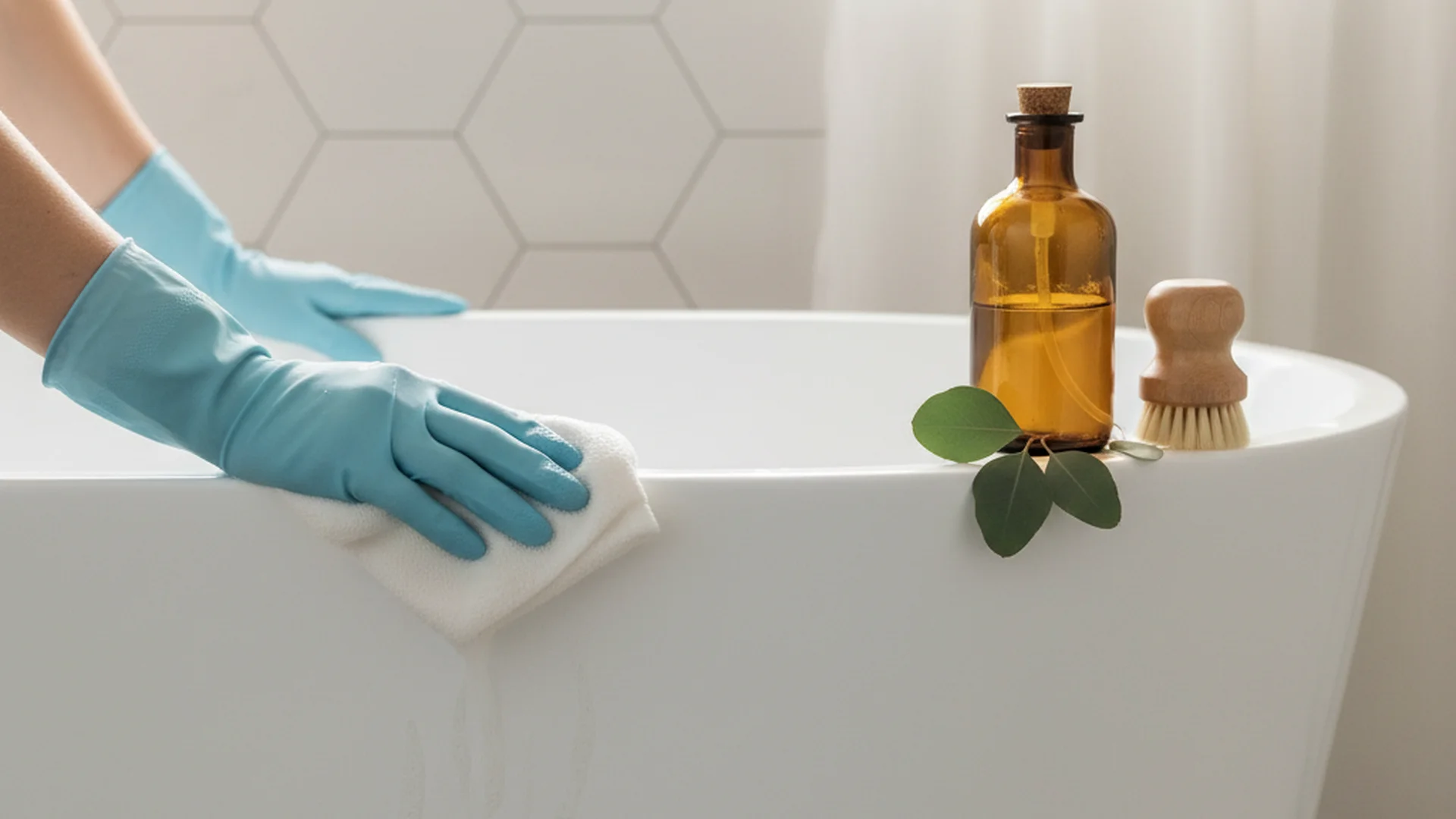
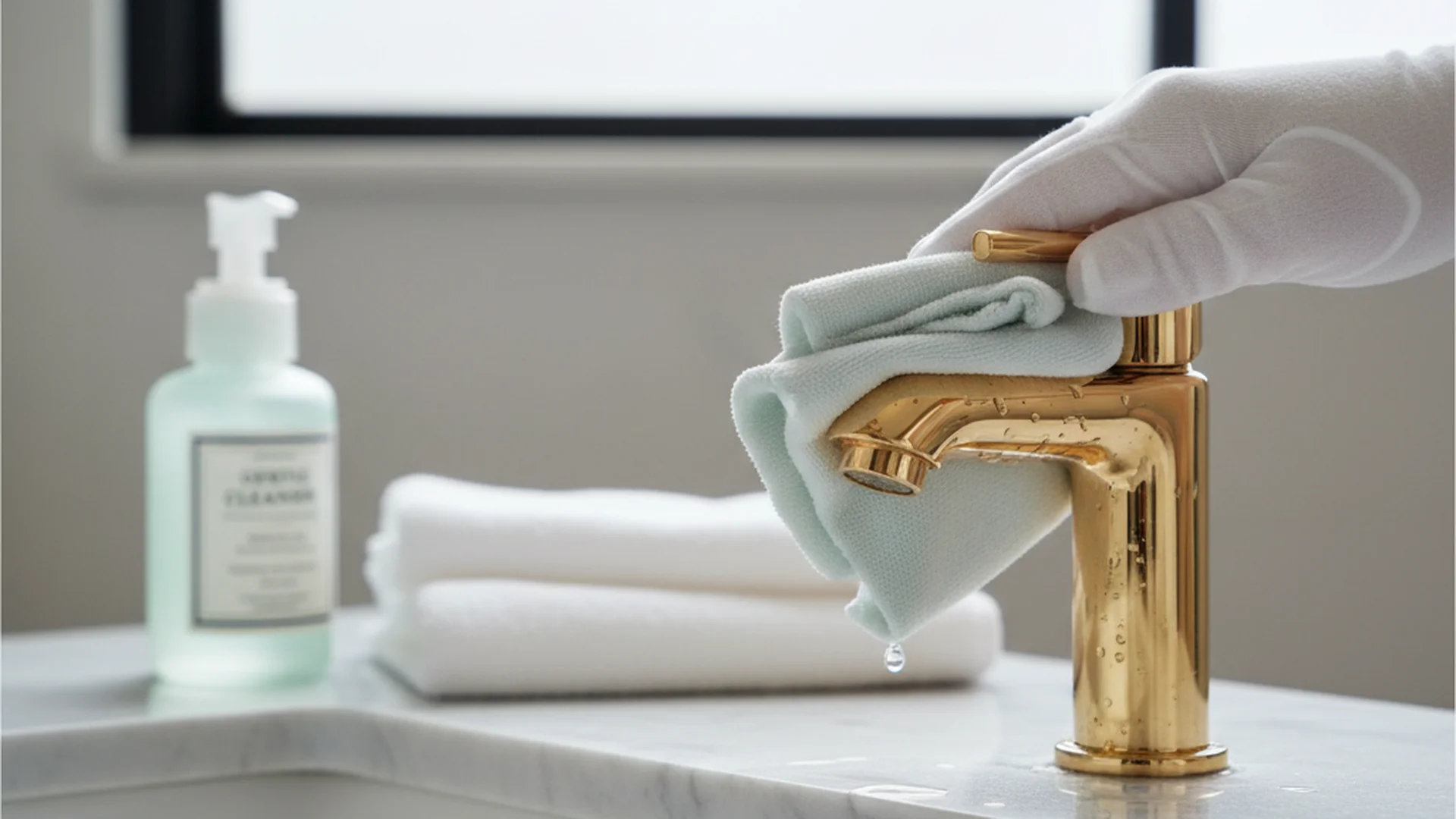
After rinsing, use a dry microfiber cloth to wipe down the surface. This prevents "water spots"—the mineral deposits left behind when water evaporates. By removing the moisture, you eliminate the foundation that mold and mildew need to grow.
Tip: Keep a dedicated microfiber cloth hanging near the tub to make this 30-second task a post-bath habit.
The Deep Cleaning Recipe: Baking Soda and Ammonia
When life gets busy and the weekly rinse isn't enough, you need a deep-cleaning solution that cuts through body oils without scratching the glass finish.
The Expert Formula
Mix the following in a gallon of warm water:
- 1/4 cup of Baking Soda (for mild abrasion and deodorizing)
- 1/4 cup of Ammonia (to cut through heavy grease and soap scum)
Apply this mixture with a soft nylon sponge. Let it sit for five minutes—allowing the ammonia to break down the oils—then scrub gently in a circular motion.
Warning: Never mix ammonia with bleach. This creates toxic chloramine gas, which is extremely dangerous in the enclosed space of a bathroom.
Dealing with "The Big Three": Rust, Soap Scum, and Hard Water
Even with the best intentions, specific stains can plague a cast iron tub. Here is how to handle them based on real-world scenarios.
1. Removing Stubborn Rust Stains
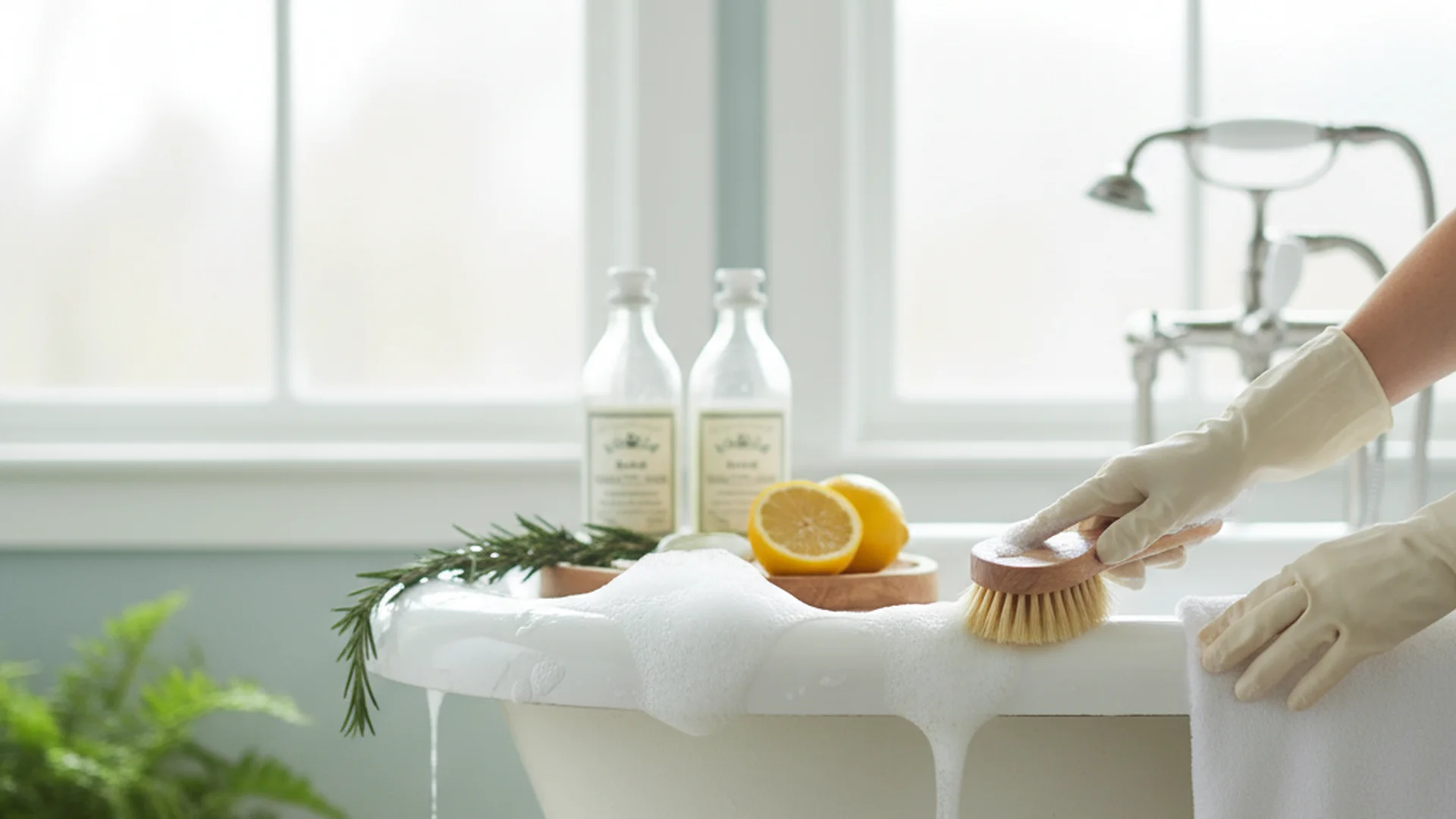
Imagine you left a metal shaving cream can on the edge of the tub, and it left a bright orange ring. Most people reach for heavy chemicals, but the safest method is a paste made of lemon juice and salt.
- Apply the paste to the stain.
- Let it sit for 15 minutes.
- Gently scrub with a soft cloth. The salt provides a grit that is softer than the porcelain, while the citric acid breaks down the iron oxide.
2. Dissolving Thick Soap Scum
For heavy buildup often found in older "inherited" tubs, use a grease-cutting dish soap like Dawn. Apply it directly to a damp sponge and work it into a lather. For 2025, the trend has shifted toward bio-enzymatic cleaners which use bacteria to "eat" the organic material over several hours, requiring zero elbow grease.
3. Fighting Hard Water Deposits
Hard water creates a cloudy, dull film. While many suggest vinegar, the acidity can eventually dull the high-gloss shine. Instead, use a Magic Eraser sparingly.
Success: A homeowner in a high-mineral area reported that using a damp Magic Eraser once a month restored the "showroom shine" to their 40-year-old tub without the need for harsh acids.
| Method | Best For | Safety Level |
|---|---|---|
| Dish Soap & Water | Daily Grime | 5/5 (Safest) |
| Baking Soda Paste | Scuff Marks | 4/5 (Gentle) |
| Lemon & Salt | Rust Stains | 4/5 (Effective) |
| Steam Cleaning | Sanitizing | 5/5 (Modern) |
2025–2026 Trends: The Future of Tub Care
High-Pressure Steam Cleaning
The top trend for 2025 is the move away from liquid chemicals toward handheld steam cleaners. Steam at 200°F+ can sanitize the tub and lift grime from the microscopic pores of the enamel using nothing but water. This eliminates the risk of chemical damage entirely.
Handheld Electric Scrubbers
New smart cleaning tools feature rotating heads with soft-bristle attachments. These allow for deep cleaning without the user applying excessive physical pressure, which can sometimes lead to chipping if a heavy tool is dropped.
Common Mistakes to Avoid (The Wall of Shame)
Many well-meaning homeowners accidentally ruin their cast iron tubs by following generic cleaning advice. Avoid these at all costs:
- The Steel Wool Trap: Using steel wool or wire brushes creates microscopic scratches. These scratches hold onto dirt, making the tub get dirty faster every time you clean it.
- Leaving Rubber Mats Down: Suction-cup mats trap moisture against the enamel for weeks at a time. This can cause permanent "shadow staining" or even lead to the enamel peeling away from the iron.
- Acidic Toilet Bowl Cleaners: A popular "TikTok hack" suggests using these for a white tub. This is catastrophic; the high acidity can strip the finish in a single application, leaving the tub feeling "chalky."
- Ignoring Chips: If you drop a heavy glass bottle and chip the enamel, the raw iron is now exposed. In a humid bathroom, it will rust within days. Use an enamel touch-up kit immediately.
Frequently Asked Questions
Can I use vinegar to clean my cast iron tub?
Is a Magic Eraser safe for cast iron?
Why is my cast iron tub turning yellow?
How do I restore the shine to a dull tub?
Conclusion
A cast iron tub is more than just a place to wash; it is a "century-piece" that adds significant character and value to your home. By choosing the "gentle first" hierarchy—starting with simple soap and water before moving to baking soda or steam—you ensure that your tub's porcelain finish remains as vibrant as the day it was installed. Remember, the best way to clean a cast iron tub is to treat it like the glass it is coated with: with care, consistency, and a lack of harsh abrasives.
Success: Consistent maintenance can extend the life of your tub's finish by decades, saving you the $500–$1,000 cost of professional refinishing.
Cleaning that keeps score
Every task earns points, every streak multiplies them, and Premium adds a household leaderboard plus a monthly Dustagorgon to beat.
- Free forever
- 30 badges to earn
- Up to 6 in a household
No card needed. Set up your rooms in a couple of minutes.