In this article
What you’ll learn
- Clean cast iron four times a year to prevent structural failure.
- Never let cast iron air-dry; manual drying is essential to prevent hidden rust.
- Use mild soap and water rather than harsh chemicals or pressure washers.
Cast iron patio furniture is the undisputed heavyweight of the outdoor design world. Prized for its intricate "old-world" scrollwork and incredible durability, these pieces are often passed down through generations. However, because cast iron has a high carbon content (typically 2%–4%), it is naturally more susceptible to oxidation than its modern aluminum counterparts. Knowing how to clean cast iron furniture properly is the difference between an heirloom that lasts a century and a rusted relic that fails within a decade.
In 2025, the focus on outdoor maintenance has shifted toward "preventative preservation" and sustainable luxury. Homeowners are moving away from disposable "fast furniture" in favor of repairable materials like iron. This guide will walk you through the professional techniques required to keep your cast iron looking pristine, utilizing eco-friendly solutions and modern best practices.
Why Cast Iron Requires a Specialized Touch
Unlike cast aluminum, which is lightweight and naturally resistant to corrosion, cast iron is a ferrous metal that reacts quickly with moisture and oxygen. A standard cast iron chair can weigh 15–30 lbs more than a similar aluminum piece, making it excellent for high-wind areas, but its density means that once rust takes hold, it can be difficult to eradicate if it reaches the structural core.
With proper maintenance (cleaning 2–4 times a year), your furniture can last over 100 years. Without it, particularly in coastal environments, you might see structural failure in as little as five years. The key is maintaining the protective barrier between the raw iron and the elements.
The Professional "Clean, Clear, and Coat" Workflow
To achieve the best results, professionals use a three-stage approach. This ensures that dirt is removed without damaging the protective finish, and that any emerging rust is neutralized before it spreads.
Step 1: The Initial Dusting
Before you introduce any water, you must remove the dry debris. Cast iron is often poured into ornate molds, creating deep crevices where spider webs, pollen, and dust accumulate.
- Action: Use a dry, soft-bristle brush or a vacuum cleaner with a brush attachment.
- Why it matters: If you wet the furniture while it is covered in dust, you create a muddy paste that can get trapped in the scrollwork, making the cleaning process twice as long.
Note: Pay special attention to the underside of the chairs and the joints where the legs meet the seat, as these are common hiding spots for pests.
Step 2: Gentle Washing
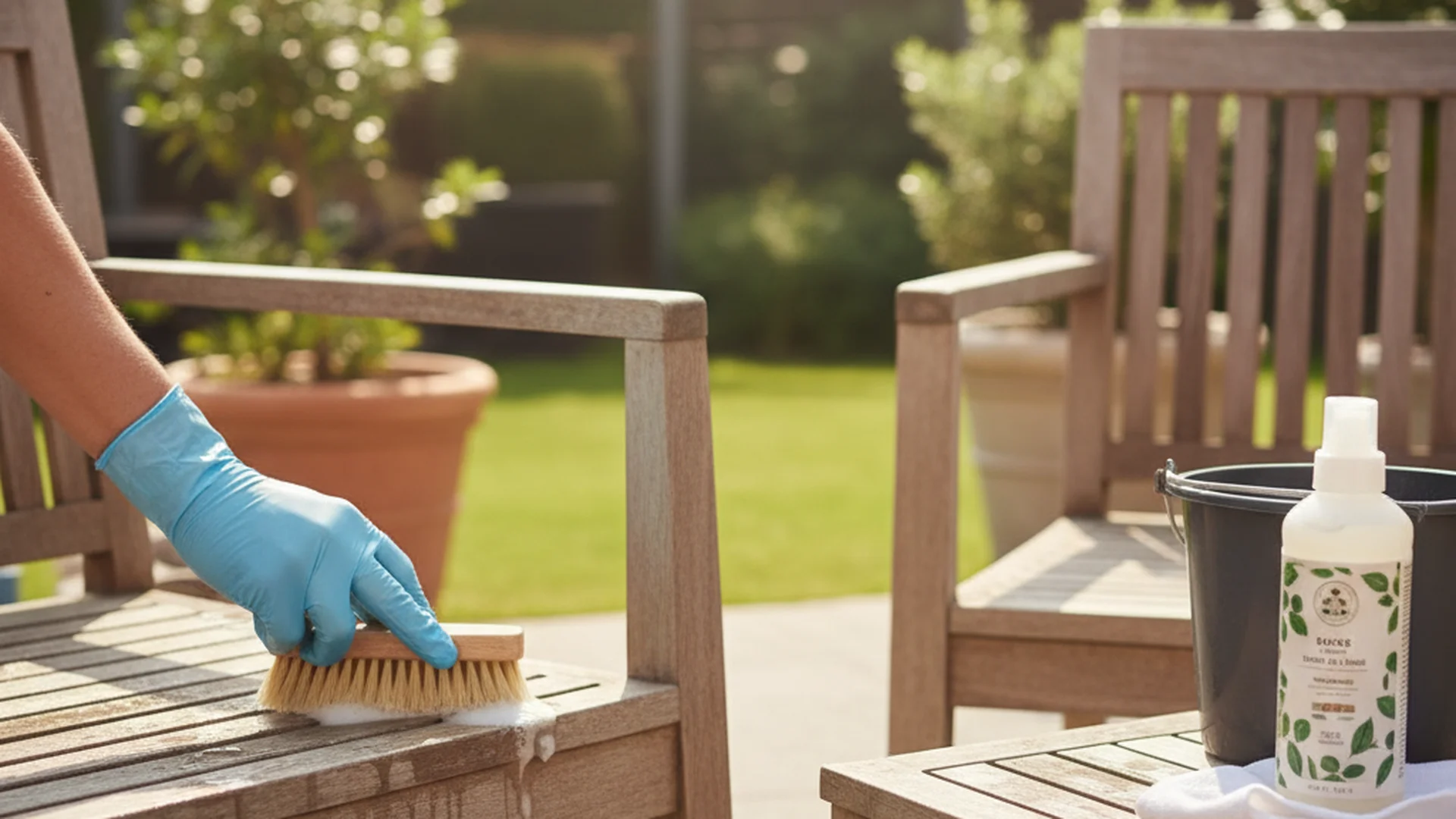
The best way clean cast iron furniture is to use the mildest solution possible. Harsh chemicals can strip away the wax or powder coating that keeps the iron safe.
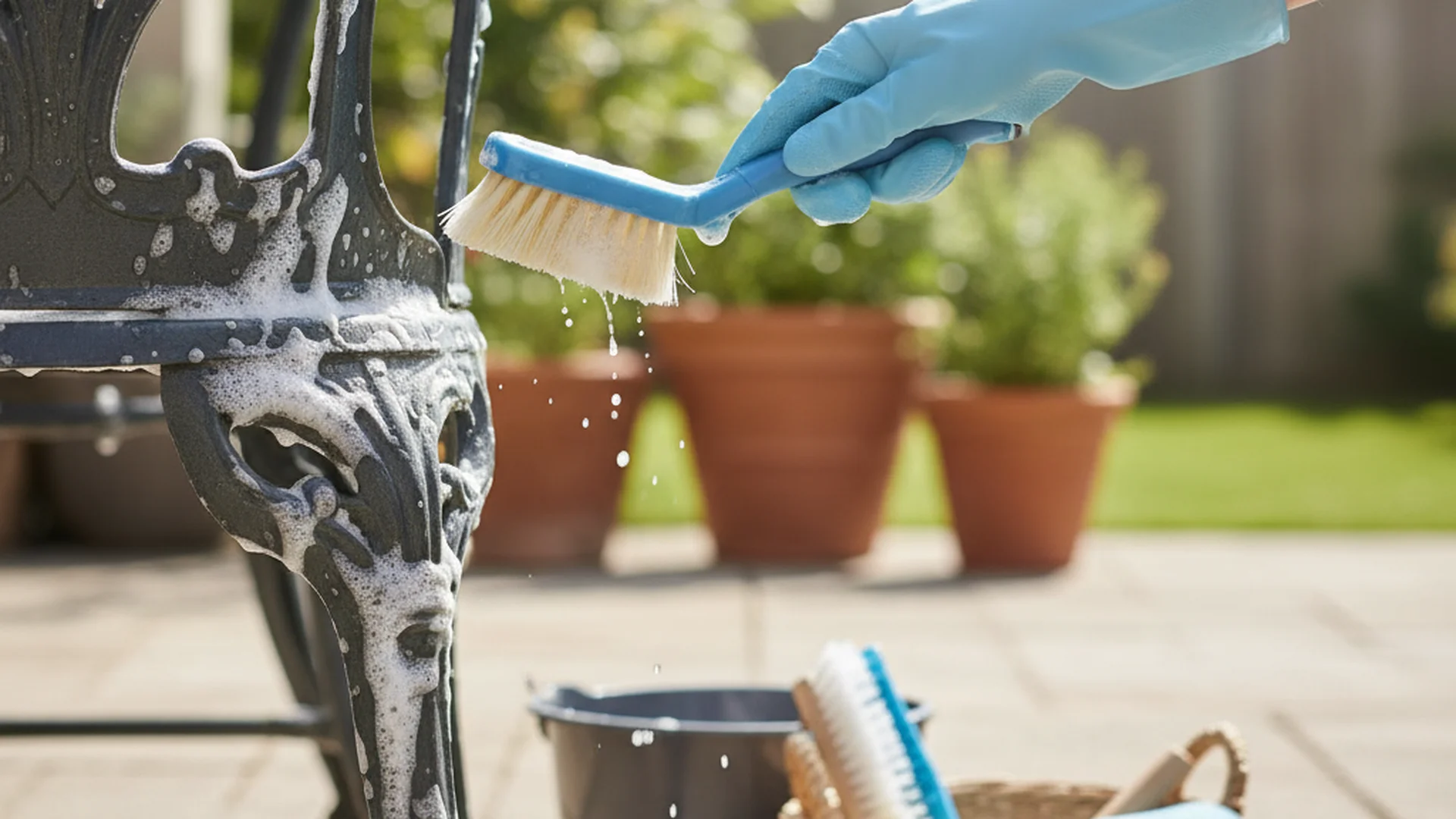
- Solution: Mix 1 tablespoon of mild dish soap (such as Dawn) into a gallon of warm water.
- Action: Use a microfiber cloth or a soft sponge to wipe down all surfaces. For intricate patterns, use a soft-bristle toothbrush to reach into the deeper "scrolls."
Tip: If you encounter bird droppings, let the soapy water sit on the area for a few minutes to soften it. Bird droppings are highly acidic and can eat through protective paint if left too long.
Step 3: Targeted Rust Removal
If you spot orange flecks or bubbling paint, you are looking at active oxidation. You must address this immediately to prevent the rust from "pitting" the metal.
- Action: Use fine-grit sandpaper (120–220 grit) or a small wire brush to gently sand the area down to the bare metal.
- Treatment: Once the rust is gone, wipe the area with a tack cloth to remove dust and apply a rust-inhibiting primer immediately.
Warning: Never use steel wool on healthy, non-rusted paint. Steel wool creates micro-scratches that trap moisture, which will eventually lead to more rust.
Step 4: The "Pro-Drying" Technique
This is the most critical step in the process. Many homeowners make the mistake of letting their furniture air-dry in the sun.
- Action: Use a clean, dry lint-free towel to wipe every square inch of the furniture.
- The Goal: You must remove water from the "puddling" areas where the mold impressions are deep. Moisture trapped in these crevices is the primary cause of "hidden" rust that suddenly appears as a large flake of paint.
Success: Hand-drying your furniture adds only 10 minutes to the job but can add years to the lifespan of the paint finish.
Step 5: Protective Sealing
Once the furniture is bone-dry, apply a protective barrier. For 2025, the gold standard remains high-quality wax.
- Action: Apply a thin coat of automotive paste wax (like Carnauba) twice a year.
- Benefit: This creates a water-beading barrier and protects the finish from UV-induced fading.
Real-World Examples of Cast Iron Maintenance
Understanding how to clean your furniture often depends on your specific environment. Here are three common scenarios:
- The Coastal Balcony: A homeowner in a salt-air environment cleans their furniture monthly with fresh water to remove salt crystals. They apply a fresh coat of wax every 90 days to prevent the salt from penetrating the powder coating.
- The Antique Restoration: A family inherits a 50-year-old cast iron garden bench that has been neglected. They use a soy-based rust converter to neutralize deep-seated rust without using harsh acids, then finish it with a "warm neutral" sage green outdoor paint.
- The Modern Minimalist: To match the 2025 "Indoors-Out" trend, a homeowner cleans their terracotta-colored iron set using a pH-neutral cleaner to ensure the matte finish doesn't become shiny or streaky.
2025–2026 Trends in Cast Iron Care
The world of outdoor furniture maintenance is evolving. Here are the latest trends that are changing how we care for our iron pieces:
| Trend | Description | Benefit |
|---|---|---|
| Eco-Friendly Converters | Moving away from phosphoric acid toward soy-based rust removers. | Safer for garden plants and pets. |
| Smart Covers | Using breathable, moisture-wicking fabrics for winter storage. | Prevents the "greenhouse effect" that traps humidity. |
| Living Patinas | Using natural linseed oil to allow a controlled, darkened "aged" look. | Provides a vintage aesthetic without structural damage. |
| Warm Neutrals | Shifting from black to sand, terracotta, and sage finishes. | Makes heavy iron look softer and more integrated with landscaping. |
Common Mistakes to Avoid
Even with the best intentions, certain cleaning habits can actually do more harm than good to your cast iron.
- Using a Pressure Washer: High pressure can chip the protective powder coating. Once a chip occurs, water enters the gap, and rust begins to grow underneath the remaining paint.
- Air-Drying in the Shade: Drying iron furniture in a shaded, damp area allows water to sit in joints and scrollwork. If you don't towel-dry, always place the furniture in direct sunlight for a "flash dry."
- Using Abrasive Cleaners: Scouring powders and ammonia-based cleaners strip the wax and protective oils off the finish, leaving the metal vulnerable to the elements.
- Ignoring the Feet: The "feet" of the furniture often sit in puddles or damp grass. Ensure you clean and wax the very bottom of the legs, as this is where structural rot often begins.
Frequently Asked Questions
Can I use a pressure washer on cast iron?
Is cast iron the same as wrought iron for cleaning?
How often should I clean my furniture?
Can I use bleach to remove mildew?
Conclusion
Mastering how to clean cast iron furniture is an investment in your home’s long-term beauty. By following the "Clean, Clear, and Coat" method and staying mindful of 2025’s eco-friendly trends, you can ensure your patio set remains a centerpiece of your outdoor living space for decades to come. Remember, the secret isn't just in the washing—it's in the drying and the protective waxing that keeps the elements at bay.
Success: Consistent, gentle maintenance is always more effective (and cheaper) than a one-time intensive restoration.
Cleaning that keeps score
Every task earns points, every streak multiplies them, and Premium adds a household leaderboard plus a monthly Dustagorgon to beat.
- Free forever
- 30 badges to earn
- Up to 6 in a household
No card needed. Set up your rooms in a couple of minutes.