In this article
What you’ll learn
- Daily drying with microfiber prevents most mineral buildup.
- Avoid all abrasives and harsh chemicals like bleach or ammonia.
- Use a high-quality paste wax every 3–6 months to preserve "living finishes."
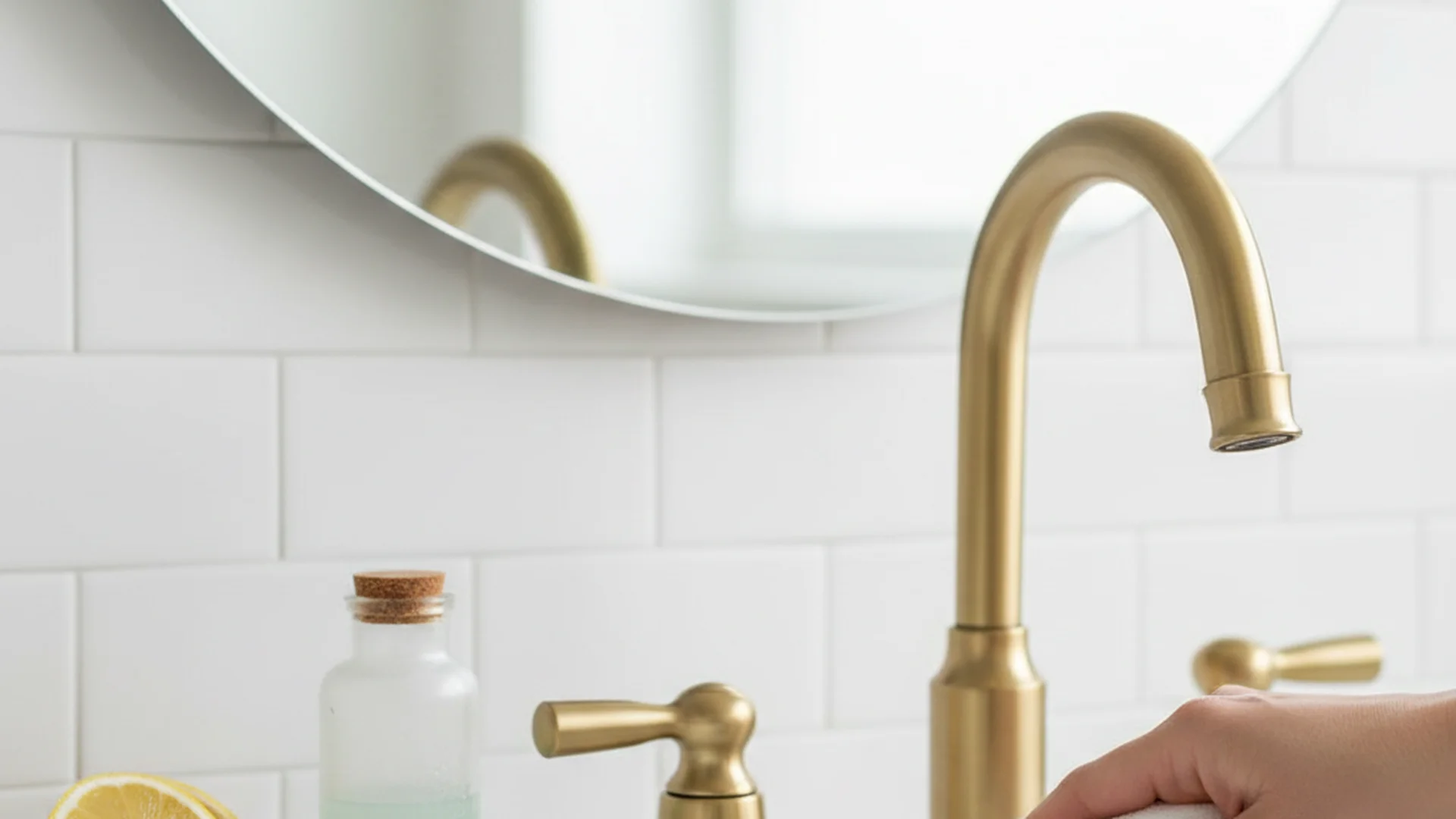
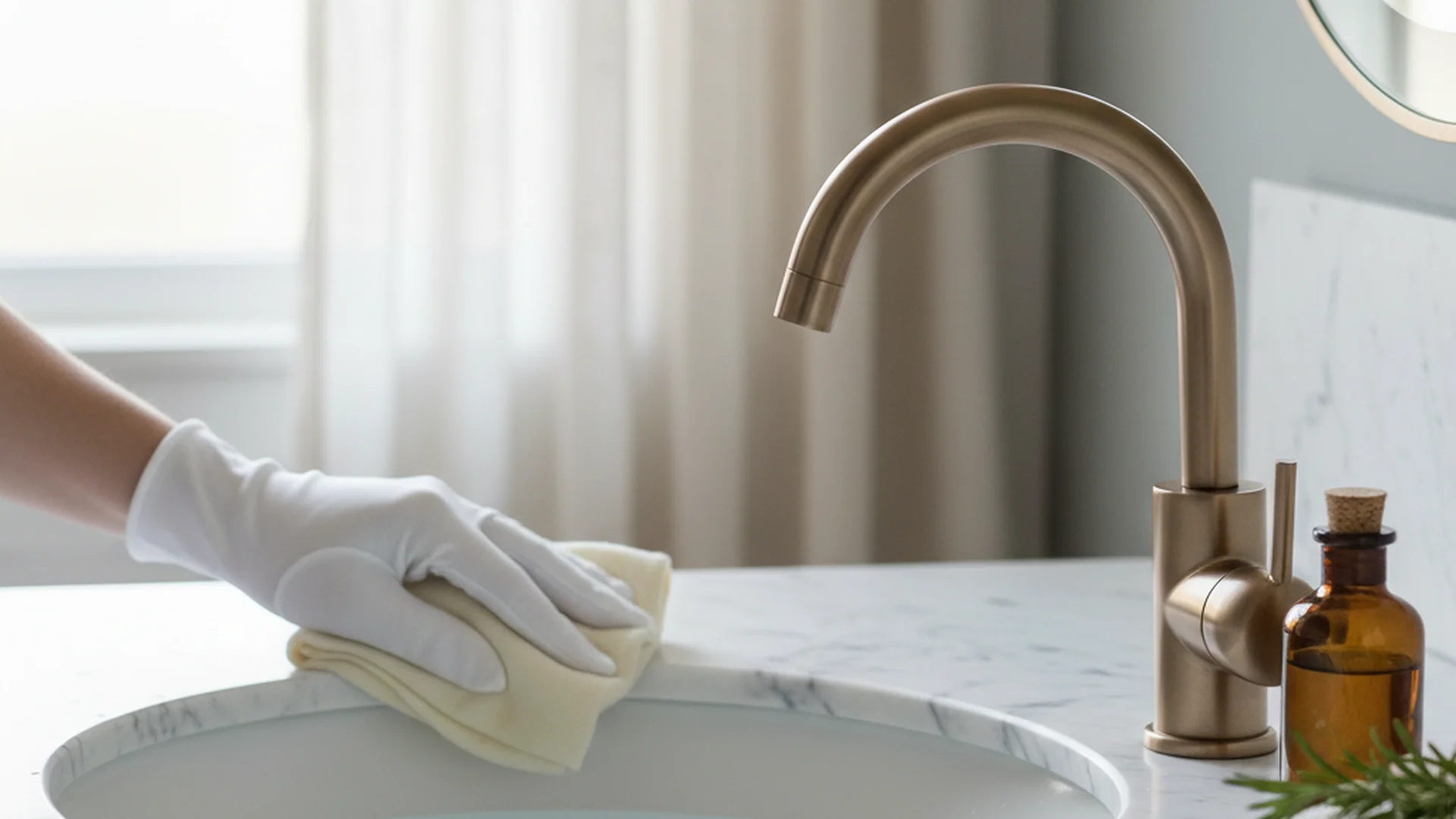
Bronze fixtures bring an undeniable warmth and "Modern Heritage" sophistication to any home. Whether you are sporting the deep, chocolate tones of oil-rubbed bronze or the golden glow of an antique finish, these pieces are more than just hardware—they are design statements. However, knowing how to clean bronze fixtures properly is essential to ensuring they don't lose their luster or develop unsightly corrosion.
This guide will walk you through the most effective, non-toxic, and expert-approved methods to keep your bronze looking timeless.
Understanding Your Bronze Finish
Before you grab a cleaning cloth, you must identify what type of bronze you have. Not all "bronze" is created equal, and the cleaning method that works for one might ruin another.
Living Finishes vs. Lacquered Finishes
High-end bronze is often a "living finish." This means the metal is intended to react with its environment, lightening where it is frequently touched and darkening in the crevices. Oil-rubbed bronze (ORB) is the most common living finish; it is typically a chemically darkened surface over brass or zinc.
Conversely, "Antique Bronze" is often a non-living finish. It usually features lighter brown or gold undertones and is sealed with a permanent lacquer. Because it is sealed, it won't change color over time, but that lacquer can be easily scratched or stripped by the wrong cleaners.
| Feature | Oil-Rubbed Bronze (ORB) | Antique Bronze |
|---|---|---|
| Finish Type | Living (Unsealed) | Non-Living (Lacquered) |
| Appearance | Dark brown to nearly black | Golden-brown to copper |
| Aging | Changes with use/exposure | Remains consistent |
| Care Needs | Requires periodic oiling/waxing | Requires gentle dusting/washing |
Note: Modern bronze fixtures are typically an alloy of 88% copper and 12% tin. The high copper content is why these fixtures can turn green if the protective layer is compromised.
The Best Way to Clean Bronze Fixtures Daily
Prevention is the secret weapon of the domestic efficiency specialist. The "Modern Heritage" design trend of 2025–2026 emphasizes textured surfaces like knurled or hammered bronze, which are magnets for soap scum and hard water minerals.
The Microfiber Method
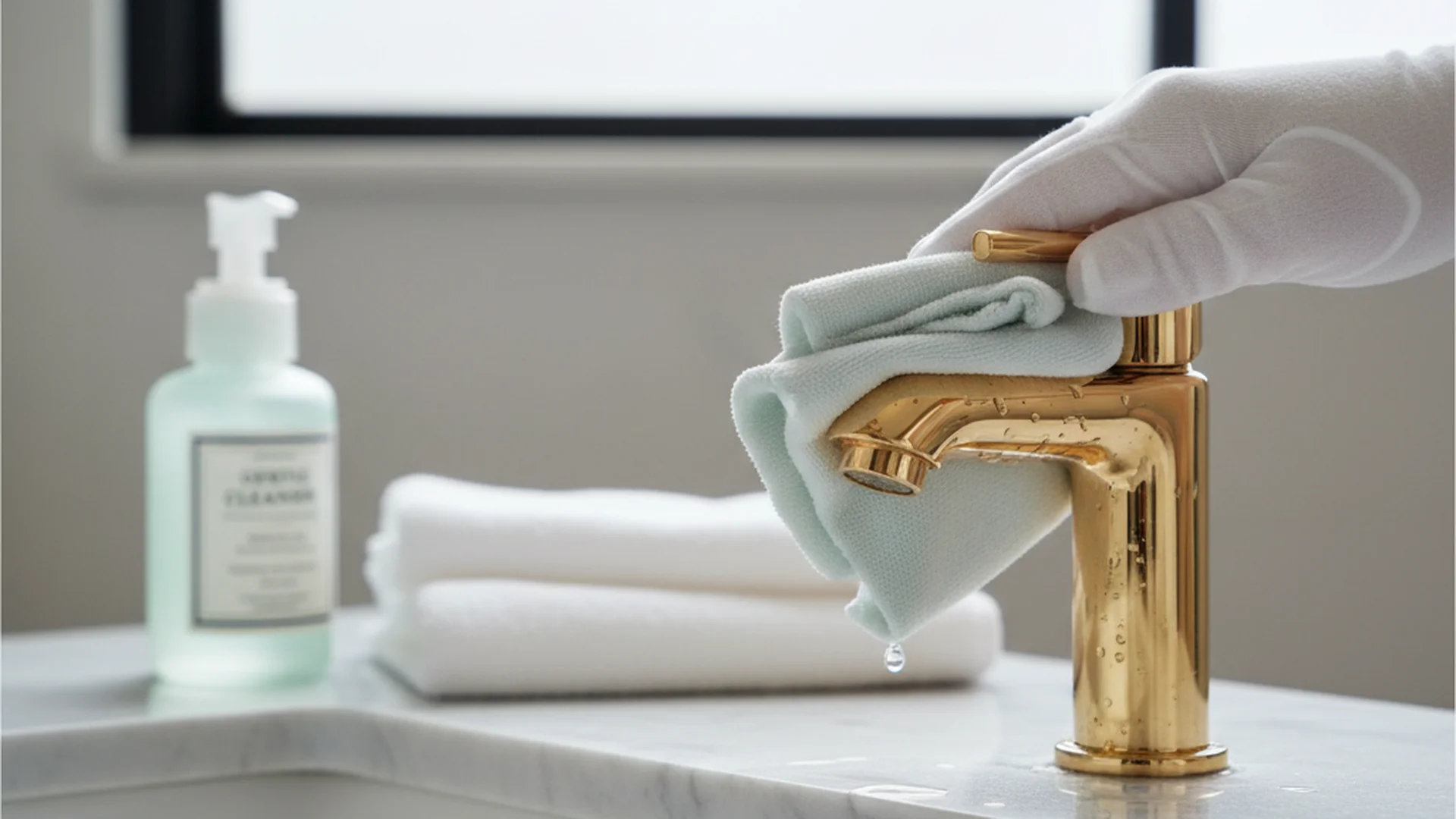
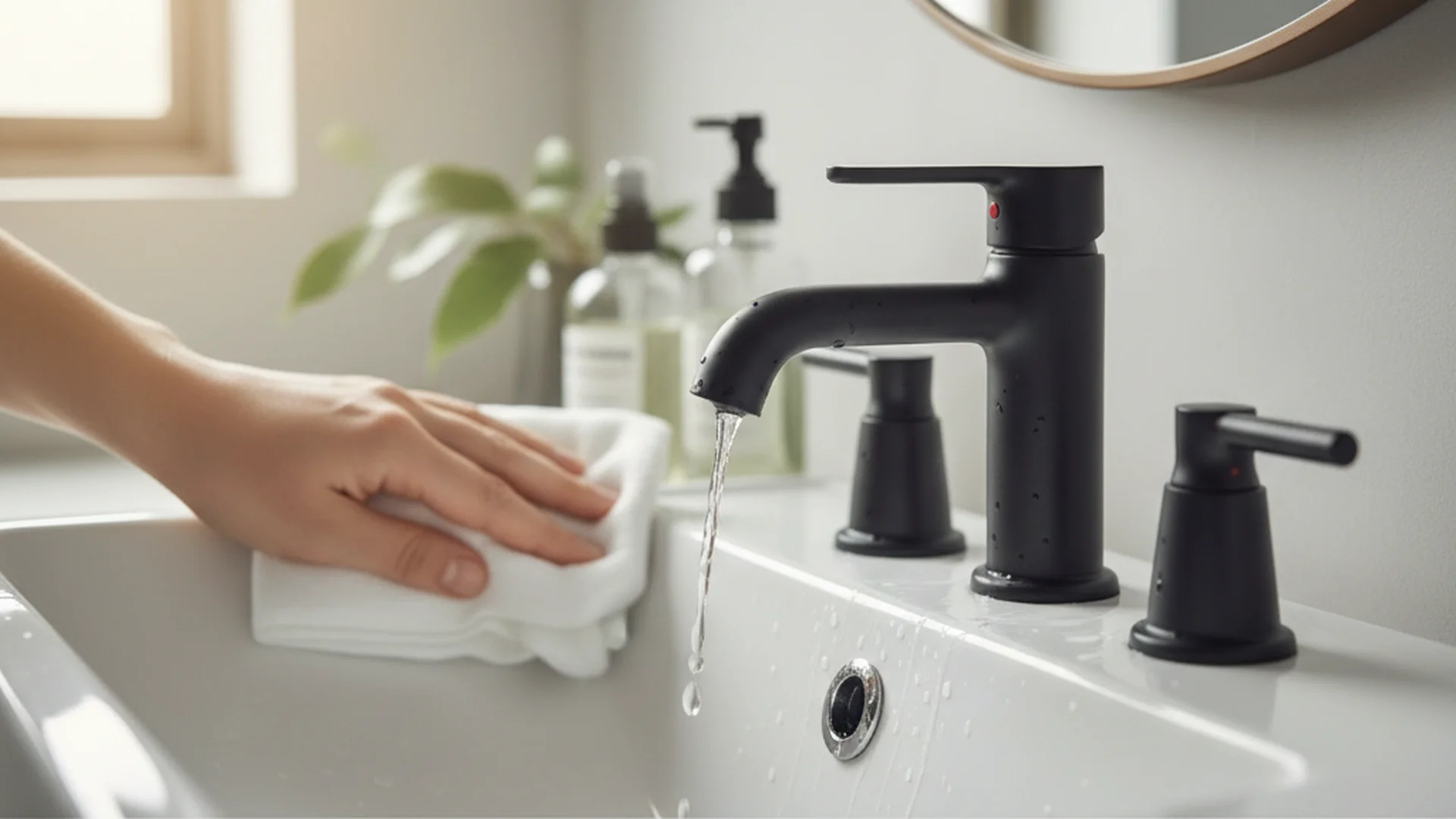
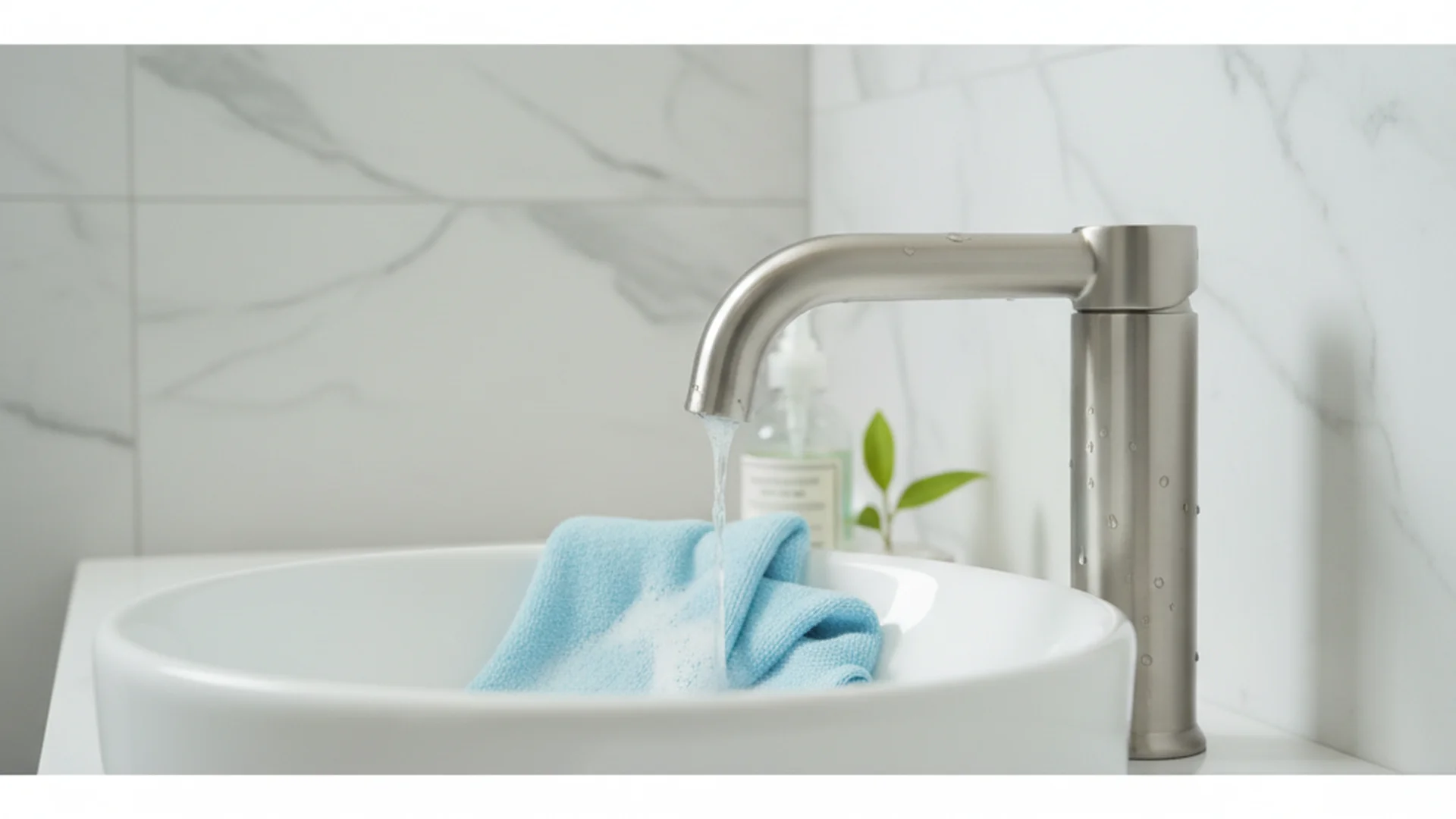
The single best way to clean bronze fixtures and prevent mineral deposits is to keep them dry. After every shower or use of the sink, wipe the fixture down with a dry microfiber cloth. This removes the water before the minerals (calcium and magnesium) have a chance to bond with the metal.
Routine Soap and Water
For weekly cleaning, skip the heavy-duty bathroom sprays.
- Mix a few drops of mild dish soap into a bowl of warm water.
- Dip a soft cloth into the solution and wring it out so it is damp, not dripping.
- Gently wipe the fixture to remove oils and dust.
- For textured surfaces, use a soft-bristled toothbrush to reach into the grooves of knurled handles.
- Rinse with clear water and dry immediately.
Tip: If you have a knurled (textured) bronze handle in a high-traffic powder room, use the toothbrush method every two weeks to prevent skin oils from turning the texture "gunked" and dull.
Dealing with Hard Water and Oxidation
If your fixtures have already developed white, crusty spots (limescale) or green spots (oxidation), you need a slightly more targeted approach.
The Controlled Vinegar Soak
Vinegar is an acid, and while it is effective against calcium, it can be aggressive toward bronze.
- Example 1: A homeowner in a hard-water area (like Arizona or Florida) notices white rings around the base of their oil-rubbed bronze faucet. Instead of soaking the whole faucet, they should dampen a cloth with a 50/50 vinegar-water solution and wrap it only around the affected area for no more than 5 minutes.
Warning: Never leave a vinegar-soaked baggie on a bronze faucet for hours. This common "cleaning hack" can cause permanent pitting or strip the dark finish off an oil-rubbed bronze fixture, leaving it patchy and ruined.
The Baking Soda Paste
For stubborn deposits, a paste made of baking soda and a few drops of water is safer than liquid acids. Apply the paste with your finger, let it sit for a minute, and gently buff it away with a soft cloth.
Preservation: The Professional Waxing Step
To maintain that deep, lustrous look found in 2026 design magazines, you must periodically "reseal" the finish. This is especially true for oil-rubbed bronze, which can start to look "chalky" as it dries out.
Applying Paste Wax
Every 3 to 6 months, apply a high-quality clear paste wax (such as Renaissance Wax or Trewax).
- Ensure the fixture is completely clean and dry.
- Apply a very thin, even layer of wax with a lint-free cloth.
- Let it dry for a few minutes.
- Buff it to a shine with a clean cloth.
The "Oil Trick" for a Quick Shine
If guests are coming over and your ORB faucet looks dull, try the oil trick.
- Example 2: Apply a tiny dab of baby oil or coconut oil to a cotton ball and rub it over the fixture. This instantly restores the dark, rich depth of the metal and provides a temporary water-repellent barrier.
Success: Regular waxing creates a "sacrificial barrier." Instead of water and skin oils attacking the bronze, they hit the wax layer first, significantly extending the life of your hardware.
Common Mistakes to Avoid
In 2025, many homeowners are turning to DIY solutions, but some popular cleaning tools are "bronze killers."
- Using Abrasives: Never use steel wool, scouring pads, or "Magic Erasers." These will scratch the lacquer of antique bronze or scrape away the darkened layer of oil-rubbed bronze.
- Harsh Chemicals: Bleach and ammonia are too alkaline for bronze. They can cause the finish to peel or turn a dull, chalky grey that cannot be repaired.
- The "Maintenance-Free" Myth: Many people assume bronze is low-maintenance. In reality, it requires more consistent care than chrome to prevent the copper from reacting with the air and turning green (verdigris).
Warning: If your fixture is already turning green, the protective wax or lacquer has worn off. You must clean the green oxidation off immediately with a mild citric acid solution before applying a fresh layer of wax to stop the reaction.
2025–2026 Design Trends: Tactile and Sustainable Care
As we move through 2026, the trend of "Modern Heritage" design is shifting toward mixing metals. You might see oil-rubbed bronze cabinet hardware paired with a matte black faucet.
Textured Hardware
Sculpted and hammered bronze surfaces are back.
- Example 3: A knurled bronze shower head requires specific care. Because soap scum can settle into the "cross-hatch" pattern, you should use a citric-acid-based natural cleaner once a month to break down the buildup without the need for scrubbing.
Sustainable Cleaning
Modern homeowners are moving away from harsh synthetic cleaners. Natural chelating agents, like lemon juice mixed with a dash of salt, can be used to spot-clean bronze. The salt acts as a very mild abrasive while the citric acid breaks down minerals. However, always rinse these away within 60 seconds.
Frequently Asked Questions
Can I use vinegar on my bronze faucet?
Why is my bronze fixture turning green?
Is oil-rubbed bronze the same as antique bronze?
How do I remove white hard water spots?
Conclusion
Maintaining the beauty of your bronze fixtures doesn't require a cabinet full of specialized chemicals. By embracing the "less is more" philosophy and sticking to a routine of drying and occasional waxing, you can ensure your hardware remains a stunning focal point of your home for decades. Whether you're dealing with a living oil-rubbed finish or a classic antique lacquer, the key is gentleness and consistency.
Success: By following this 2025 maintenance guide, you've transformed your bronze care from a chore into a preservation practice that protects your home investment.
Cleaning that keeps score
Every task earns points, every streak multiplies them, and Premium adds a household leaderboard plus a monthly Dustagorgon to beat.
- Free forever
- 30 badges to earn
- Up to 6 in a household
No card needed. Set up your rooms in a couple of minutes.