In this article
What you’ll learn
- Regular maintenance can prevent a 23% drop in HEPA filtration efficiency.
- Vinegar is an effective natural disinfectant for housing and pre-filters.
- Never wash a True HEPA filter unless it is explicitly labeled as washable.
In an era where indoor air quality (IAQ) has become a primary health concern, your air purifier is likely the hardest-working appliance in your home. A great many households sit in regions where outdoor pollution regularly drifts indoors, which is what makes these devices essential. However, many homeowners forget that a neglected purifier eventually becomes a source of pollution itself. Learning how to clean air purifier units correctly is the difference between breathing mountain-fresh air and recirculating trapped dust and mold.
Whether you are dealing with seasonal allergies, wildfire smoke, or pet dander, maintaining your device ensures it operates at its maximum capacity. In this guide, we will explore the best practices for 2026, including how to clean air purifier naturally using household staples to keep your environment pristine without introducing harsh chemicals.
Why Air Purifier Maintenance is Non-Negotiable
Maintaining an air purifier is not merely an aesthetic choice; it is a mechanical necessity. A portable air cleaner with a HEPA filter can strip a large share of the fine particulate matter (PM2.5) out of a room during high-pollution events. However, this efficiency is entirely dependent on the cleanliness of the internal components.
When dust builds up on the intake vents or the pre-filter, the motor must work harder to pull air through. This leads to increased electricity costs—often reaching 1.5x to 2x the unit's purchase price over five years in pet-heavy households—and premature mechanical failure. More importantly, washing a standard "non-washable" HEPA filter can reduce its filtration efficiency by 15% to 23% by damaging the microscopic fiber structure.
Warning: Attempting to wash a non-washable HEPA filter will permanently damage the fibers and likely lead to a "dirty sock" smell as mold grows within the damp material.
Understanding Your Filter Components
Before you begin the cleaning process, you must identify what can and cannot be cleaned. Most modern units (2025–2026 models) utilize a three-stage filtration system.
| Filter Type | Function | Can You Clean It? |
|---|---|---|
| Pre-Filter | Traps large dust, hair, and fur | Yes (Vacuum or Wash) |
| HEPA Filter | Captures 99.97% of particles | Usually No (Replacement only) |
| Carbon Filter | Neutralizes odors and VOCs | No (Must be replaced) |
Real-World Example: The "Pet Parent" Scenario
Consider a household with two golden retrievers. In this environment, the pre-filter will likely be covered in a thick layer of fur within just two weeks. If the owner ignores this, the HEPA filter underneath becomes prematurely clogged with fine dust that the pre-filter should have caught, doubling the replacement costs for the more expensive HEPA cartridge.
How to Clean Air Purifier Naturally with Vinegar
Using white vinegar is one of the most effective ways to clean air purifier with vinegar without introducing volatile organic compounds (VOCs). Vinegar acts as a natural disinfectant and deodorizer that is safe for both the machine and your lungs.
Step 1: Power Down and Disassemble
Always unplug the unit before opening the casing. Remove the outer cover to access the filter compartment. Place the filters on a clean surface—preferably outdoors or on a towel to catch falling debris.
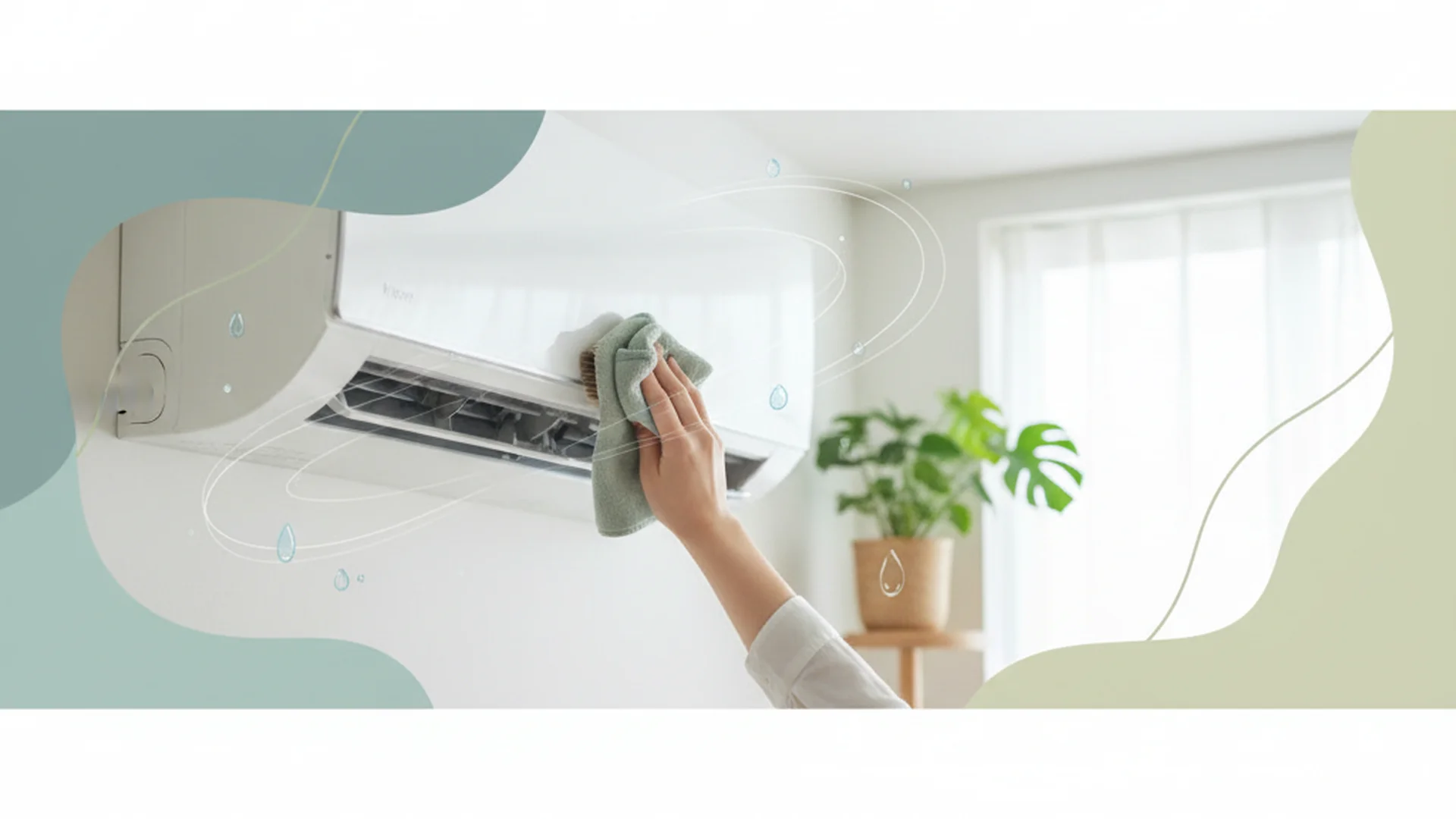
Step 2: Clean the Exterior Housing
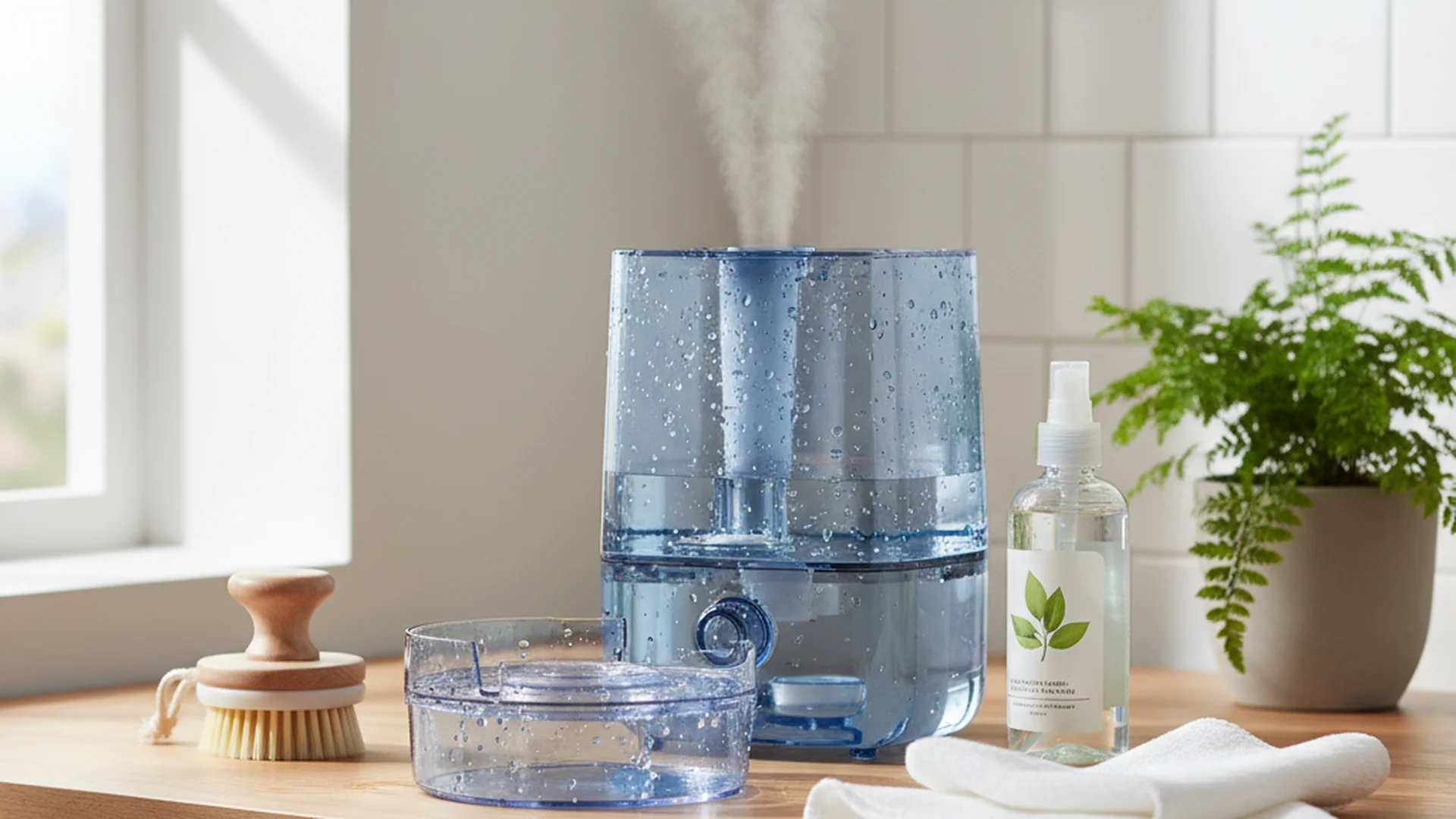
Mix a 50/50 solution of white distilled water and white vinegar in a spray bottle. Lightly mist a microfiber cloth (never spray the unit directly) and wipe down the intake vents and the exterior plastic. This removes oily residues and static-charged dust.
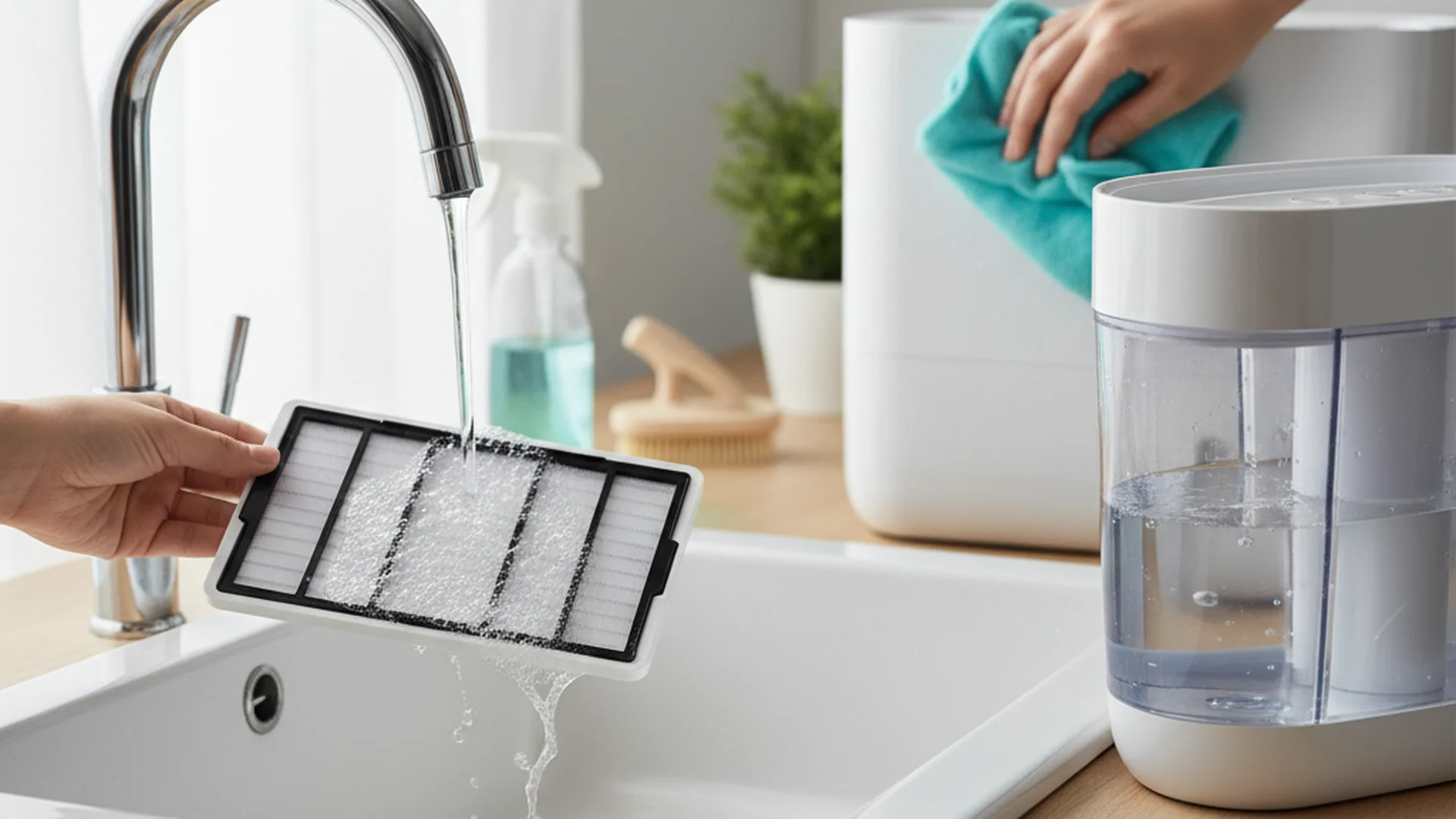
Step 3: Soak the Washable Pre-Filter
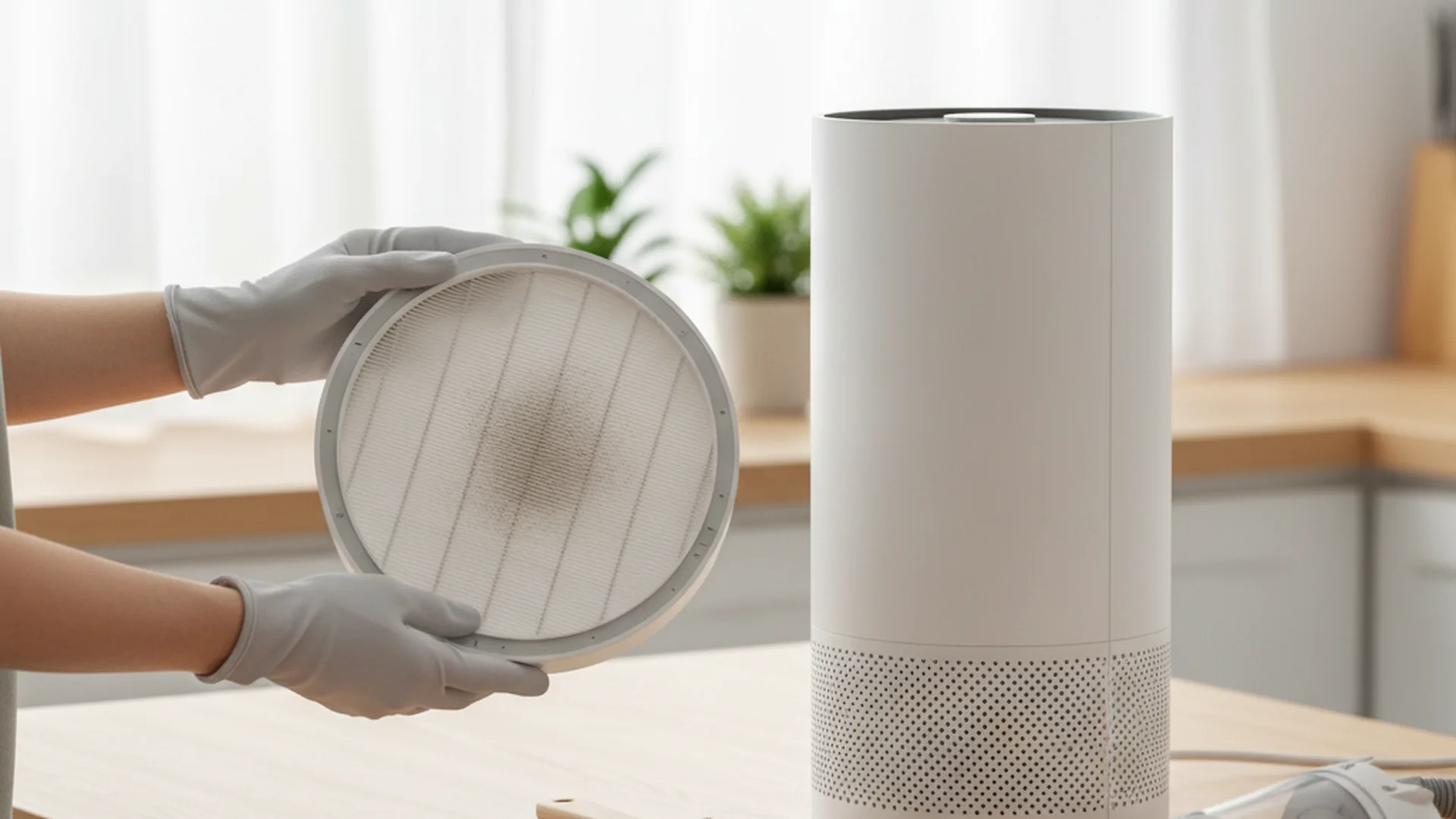
If your unit has a plastic or mesh pre-filter, fill a basin with warm water and one cup of vinegar. Submerge the pre-filter for 30 minutes. This effectively kills bacteria and breaks down household odors trapped in the mesh.
Tip: Use a soft-bristled toothbrush to gently scrub the corners of the pre-filter frame where dust tends to "cake" over time.
Step 4: Essential Drying Time
This is the most critical step. Never reinstall a damp filter. Moisture trapped inside an air purifier is a recipe for mold growth. Allow all components to air dry for at least 24 hours before reassembly.
Success: Using vinegar for monthly maintenance can extend the life of your expensive HEPA filters by up to 25% by keeping the airflow path clear of debris.
Advanced Maintenance for 2026 Models
As we move into 2026, air purifiers have become smarter. Maintenance now requires more than just a quick wipe-down.
Sensor Care and Calibration
Most high-end units now feature "Auto" modes driven by laser dust sensors. If your purifier seems to run on "High" even when the air feels clean, the sensor is likely dirty.
- Locate the small "door" or vent on the side of the unit (the sensor).
- Use a dry cotton swab to gently wipe the lens.
- For persistent issues, a quick blast of compressed air can clear stubborn particles.
Vacuuming the HEPA Filter
While you shouldn't wash a HEPA filter, you can often extend its life by vacuuming. If your manufacturer’s manual allows it, use a vacuum with a HEPA-rated filter and a soft brush attachment. Gently lift the surface dust off the pleats. This won't remove deeply embedded particles, but it will improve airflow.
Recent Trends: The Shift to Intelligent Maintenance
The industry is currently moving toward "Intelligent Maintenance" and sustainability. In 2025 and 2026, we are seeing several major shifts:
- AI-Driven Notifications: Newer models use predictive analytics. Instead of a simple 6-month timer, they notify you to clean air purifier components based on actual air quality and fan speed.
- Matter Integration: Smart home integration (Apple Home, Alexa, Google Home) now allows you to monitor filter health from your phone, providing real-time data on when efficiency starts to drop.
- Self-Cleaning Tech: Some industrial-grade residential units are introducing "vibration cleaning" for pre-filters. These units shake off dust into a separate tray, extending the time between manual cleanings.
Note: Even if your unit has "self-cleaning" features, a manual deep clean with vinegar every quarter is still recommended to remove films and odors.
Common Mistakes to Avoid
- The "HEPA-Type" Trap: Don't be fooled by cheap replacement filters labeled "HEPA-Type." These only capture 80-95% of particles. Stick to "True HEPA" to maintain the 99.97% standard.
- Blocking Airflow: Many people place their purifiers in corners or behind furniture for aesthetics. Keep at least 12–18 inches of clearance on all sides for optimal intake.
- Ignoring Activated Carbon: While you are learning how to clean air purifier filters, remember that carbon filters cannot be cleaned. They saturate with odors and gases and usually need replacement every 3–6 months, even if they look "clean."
- Using Harsh Chemicals: Avoid bleach or ammonia. These chemicals can degrade the plastic housing and emit toxic fumes that the purifier will then spend hours trying to remove from your air.
Frequently Asked Questions
Can I wash a HEPA filter?
How often should I clean the pre-filter?
Can I use vinegar to clean my air purifier?
Does a dirty filter make you sick?
Should I run my purifier 24/7?
Conclusion
Mastering the art of how to clean air purifier components is the simplest way to protect your health and your investment. By implementing a monthly routine that includes vacuuming the pre-filter and using a clean air purifier naturally approach with vinegar, you ensure that your device remains an asset rather than a liability. As air quality challenges continue to evolve in 2026, a well-maintained purifier remains your first line of defense against an invisible world of pollutants.
Success: A clean air purifier operates quieter, uses less electricity, and provides the highest quality of breathable air for you and your family.
Cleaning that keeps score
Every task earns points, every streak multiplies them, and Premium adds a household leaderboard plus a monthly Dustagorgon to beat.
- Free forever
- 30 badges to earn
- Up to 6 in a household
No card needed. Set up your rooms in a couple of minutes.