In this article
What you’ll learn
- Always check the manufacturer cleaning code (W, S, WS, X) before applying any liquid.
- Use distilled water to avoid mineral rings and "tide marks" on delicate fabrics.
- Regular HEPA vacuuming is essential for maintaining indoor air quality and fabric longevity.
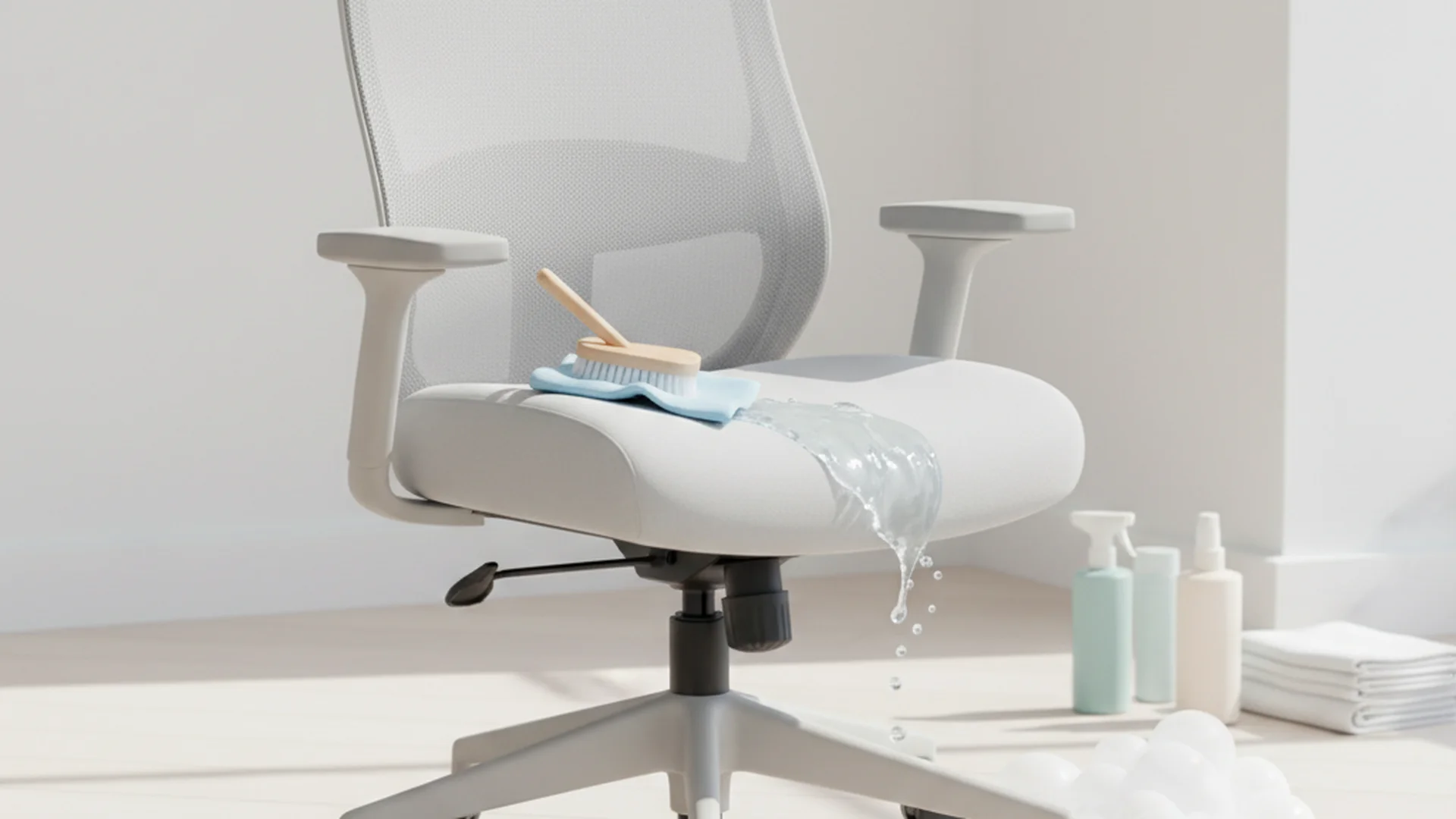
An accent chair is more than just a place to sit; it is a design statement, a splash of color, and often a significant financial investment. However, because these pieces often feature unique textures and delicate fabrics, knowing how to clean accent chair surfaces correctly is vital to preventing permanent damage. Whether you are dealing with a mid-century modern velvet piece or a contemporary performance-fabric armchair, the methods you use today will determine if your chair lasts for a decade or ends up in a landfill by next season.
As we move into 2025 and 2026, the emphasis on home hygiene has never been higher. This growth is driven by a collective realization: our furniture is a massive reservoir for dust mites, pet dander, and pathogens. Learning the best way clean accent chair components at home not only keeps your room looking Pinterest-ready but also significantly improves your indoor air quality (IAQ).
Decoding the Language of Your Furniture
Before you reach for the soap and water, you must look under the seat cushion. Every reputable furniture manufacturer includes a cleaning code. Ignoring this tag is the number one reason accent chairs are ruined during DIY cleaning.
| Code | Meaning | Cleaning Method |
|---|---|---|
| W | Water-based | Use water-based cleaning agents or foam. |
| S | Solvent-based | Dry-clean only. Use water-free solvents. No water! |
| WS | Both | Safe for water-based or solvent-based cleaners. |
| X | Professional | Vacuum or light brushing only. No liquids at all. |
Warning: Using a water-based cleaner on an "S" coded fabric can cause permanent shrinking, puckering, or dye bleeding that even a professional cannot fix.
Step-by-Step Guide: How to Clean Accent Chair at Home
Cleaning your furniture doesn't require a professional degree, but it does require a systematic approach. Follow these steps to ensure a deep clean that preserves the integrity of the textile.
Step 1: The HEPA Vacuum Foundation
The first step in any cleaning process is removing "dry soil." In 2025, experts recommend using a vacuum with a HEPA filter. This ensures that the dust and allergens you lift from the chair aren't simply exhausted back into your living room air.
Use the soft-brush attachment and move in slow, overlapping strokes. Pay special attention to the "nooks and crannies" where the back meets the seat, as this is where organic debris tends to settle.
Step 2: The "Rule of Blotting" for Stains
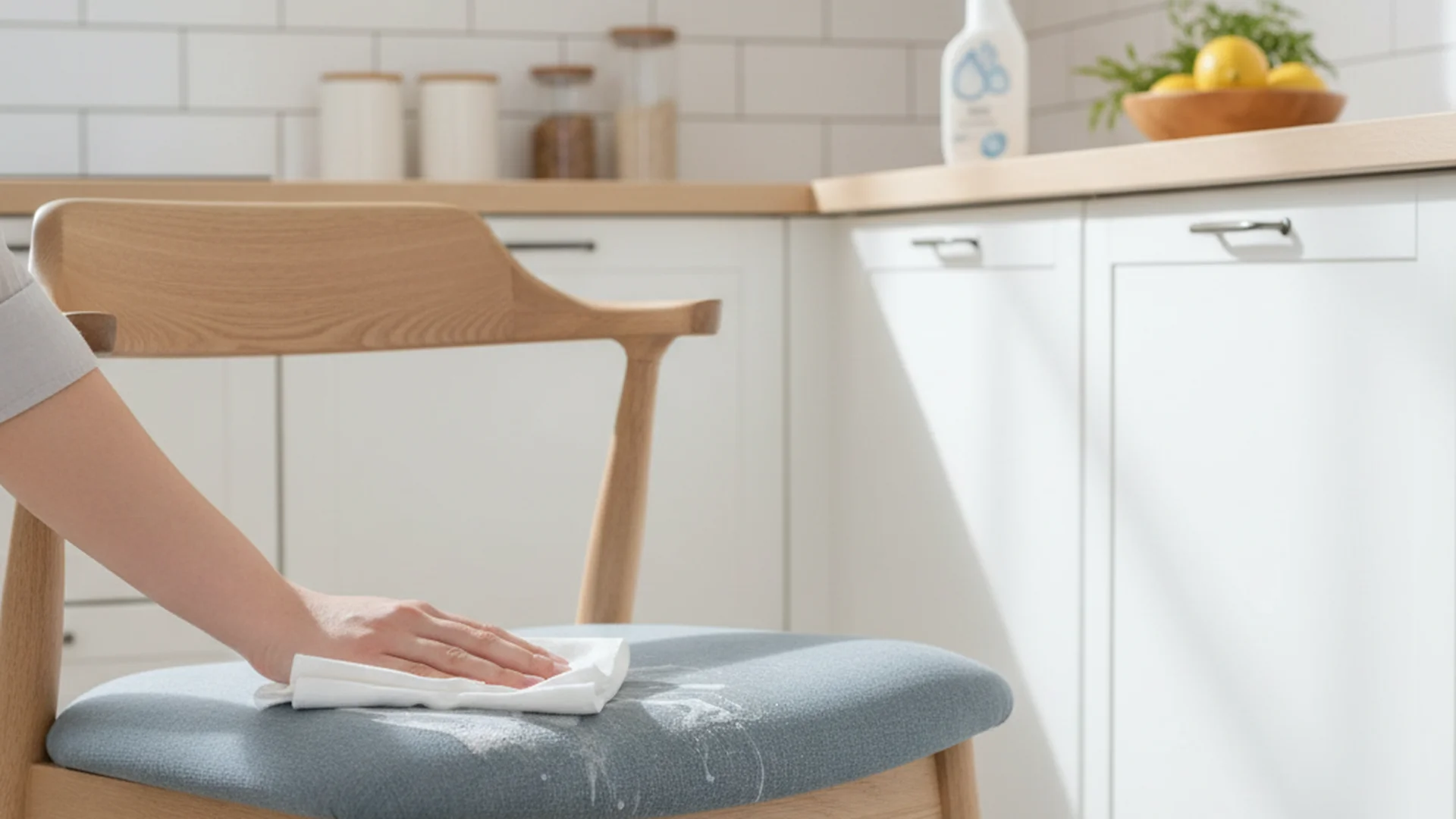
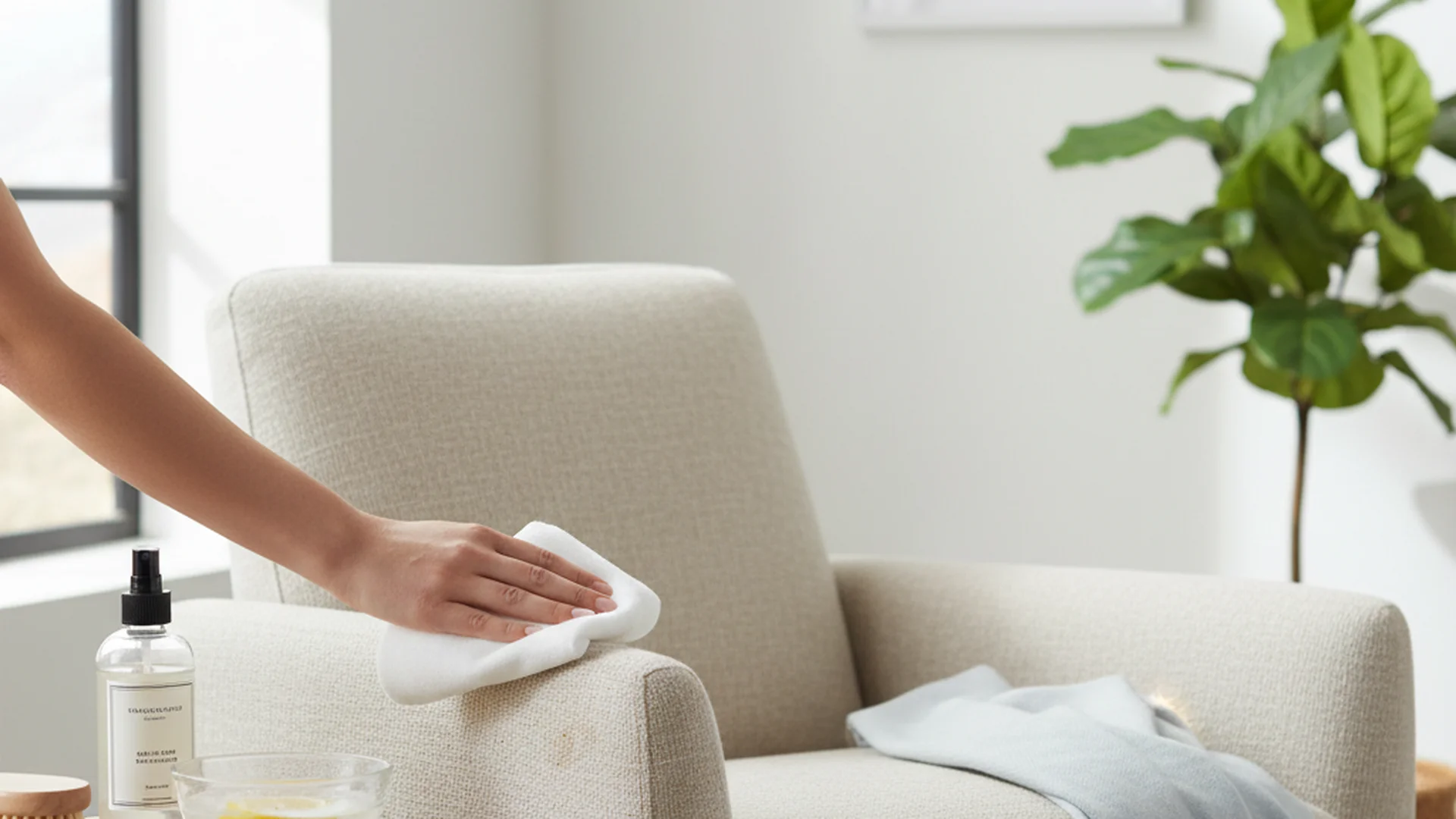
If you have a specific spill—perhaps a drop of morning coffee or a smudge of chocolate—never scrub. Scrubbing pushes the particles deeper into the fibers and can fray the "nap" of the fabric.
Instead, use a clean, white microfiber cloth. Blot from the outside of the stain toward the center. This prevents the stain from spreading and creating a larger "halo" effect.
Tip: For "W" coded chairs, use distilled water instead of tap water. Tap water contains minerals that can leave unsightly rings once the fabric dries.
Step 3: Spot Testing (The 24-Hour Rule)
Even if a cleaner claims to be "all-natural," it can react with specific fabric dyes. Approximately 46% of consumers now prefer "green" cleaning products, but even these require a test. Apply a small amount of your chosen cleaner to a hidden area, like the underside of the chair frame. Wait 24 hours to ensure there is no discoloration or change in texture.
Advanced Techniques for 2025 Fabrics
The 2025–2026 design trends are shifting toward high-texture textiles like mohair, alpaca, and heavy embroidery. These "sumptuous textiles" require a more nuanced approach than standard polyester.
Cleaning Velvet and Mohair
Velvet remains a top choice for accent chairs, but it is notoriously finicky. To clean velvet without ruining the texture:
- Vacuum with a soft-brush attachment to lift dust.
- For stains, use a very dry foam rather than liquid.
- Once dry, use a specialized "pile brush" to restore the nap. This prevents the "crushed" look that often follows a DIY clean.
The Rise of Performance Creams and Nanotechnology
Cream and "antique white" are the trending neutrals for the upcoming year. Many of these chairs now come treated with nanotech coatings that make them hydrophobic.
Success: If your chair has a hydrophobic coating, most liquid spills will bead up on the surface. You can simply "wick" them away with a paper towel before they ever touch the fibers.
Using Bio-Enzymatic Cleaners
One of the biggest shifts in 2025 is the move toward bio-enzymatic cleaners. These products contain "good" bacteria that literally eat organic stains like pet accidents or food spills. They are incredibly effective for deep-seated odors and are much safer for the environment than traditional harsh chemicals.
Note: Between deep cleans, consider using a UV-C light wand. This is a rising trend for 2025 that kills bacteria and pathogens on the surface without the need for moisture.
Common Mistakes to Avoid
Even with the best intentions, DIY furniture cleaning can go wrong. Here are the most common pitfalls to watch out for:
- Over-wetting: This is the most dangerous mistake. If the fabric becomes saturated, moisture can seep into the internal foam and wooden frame, leading to mold and mildew growth that is impossible to remove.
- Using Heat to Dry: Never use a hairdryer on high heat or place your chair in direct sunlight to dry. High heat can warp wooden frames and cause synthetic fibers (like polyester or acrylic) to melt or become "crunchy."
- Skipping the Tag: Assuming "fabric is fabric" is a recipe for disaster. Always verify the code before you begin.
- Ignoring the Frame: While focusing on the fabric, don't forget the legs. Wooden or metal legs should be wiped down with a damp cloth and polished to maintain the overall look of the piece.
Real-World Examples
To better understand how to clean accent chair surfaces in practice, let's look at three common scenarios:
- The "Pet Parent" Scenario: A linen-blend accent chair covered in Golden Retriever hair.
- Solution: Use a rubberized lint brush to "clump" the hair first, followed by a HEPA vacuum. Since linen is often "S" or "WS," use a specialized upholstery foam if a deeper clean is needed.
- The "Red Wine" Disaster: A spill on a light-colored performance fabric chair.
- Solution: Blot immediately with a dry cloth. Use a bio-enzymatic cleaner designed for upholstery. Because it's performance fabric, the stain should lift easily if caught within the first 30 minutes.
- The "Antique Find": A thrifted chair with an unknown history.
- Solution: Treat it as an "X" or "S" code initially. Use a UV-C wand for sanitization and a professional-grade solvent for spot cleaning. Avoid all water-based DIY solutions to prevent ruining any vintage natural fibers like silk.
Frequently Asked Questions
What do the cleaning codes on my chair mean?
Can I use a steam cleaner on any accent chair?
How do I clean a velvet chair without ruining the texture?
Is vinegar safe for all chairs?
How often should I get my accent chair professionally cleaned?
Conclusion
Mastering the best way clean accent chair sets isn't just about aesthetics; it's about health and longevity. By understanding your chair’s specific cleaning code, utilizing modern tools like HEPA vacuums and enzymatic cleaners, and avoiding the trap of over-wetting, you can keep your home’s statement pieces looking brand new for years to come. Remember, when in doubt, the "Rule of Blotting" and the "Distilled Water Strategy" are your best friends in the fight against stains.
Success: Regular maintenance and the right cleaning techniques will extend the life of your furniture by 50% or more, saving you thousands in replacement costs over time.
Cleaning that keeps score
Every task earns points, every streak multiplies them, and Premium adds a household leaderboard plus a monthly Dustagorgon to beat.
- Free forever
- 30 badges to earn
- Up to 6 in a household
No card needed. Set up your rooms in a couple of minutes.