In this article
What you’ll learn
- Chores improve executive function and academic performance in tweens.
- Shifting from "chores" to "life skills" increases tween engagement.
- Using a "Definition of Done" prevents conflict and ensures quality work.
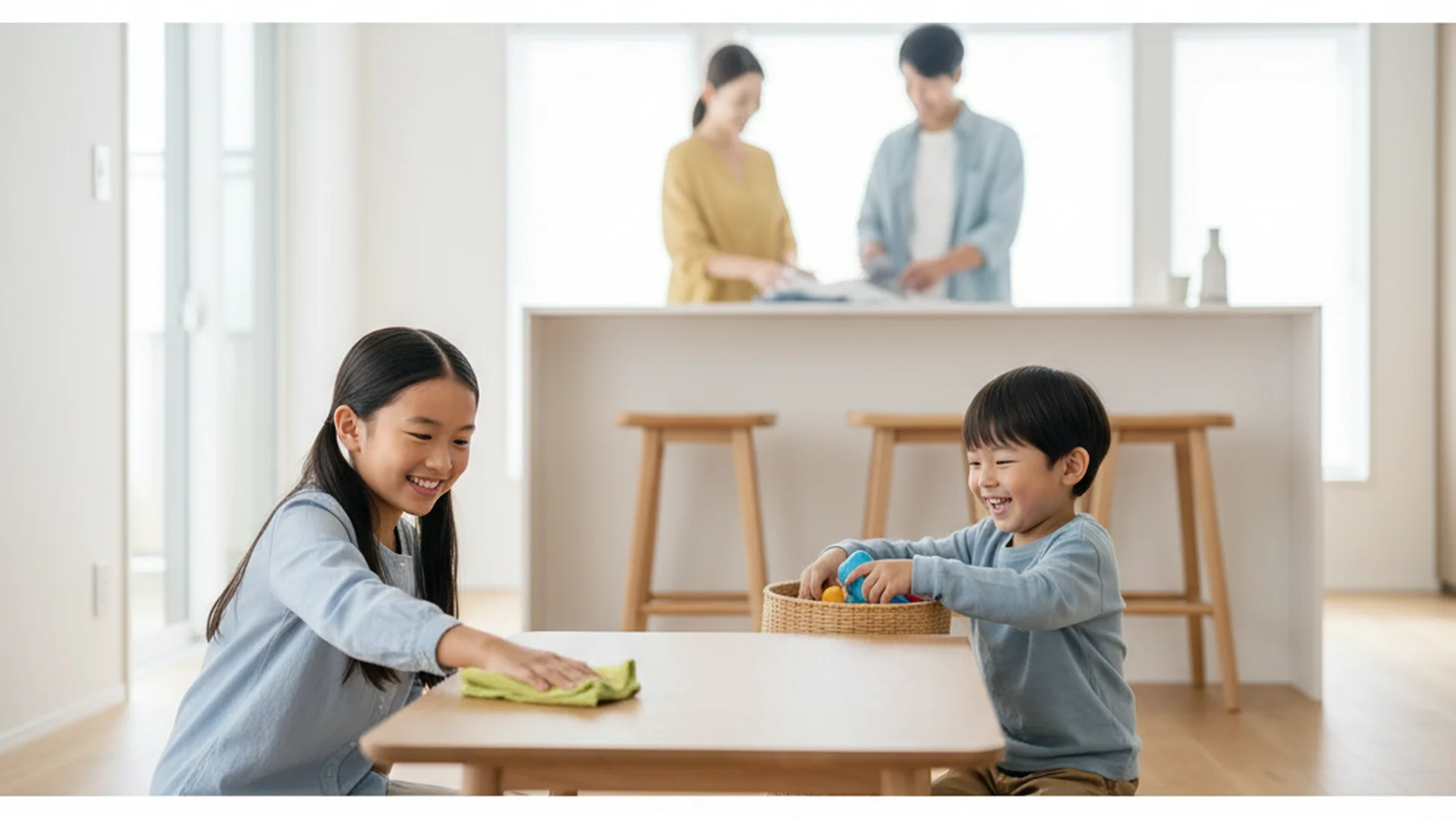
Finding the right balance of chores for tweens is one of the most impactful transitions a parent can navigate. Between the ages of 9 and 12, children are in a unique developmental window where they crave autonomy but still require structured guidance. Moving beyond simple tasks like picking up toys, tweens are capable of contributing to the household in meaningful ways that prepare them for the rigors of high school and beyond. By implementing a thoughtful approach to household responsibilities, you aren't just getting a cleaner house—you are coaching a future adult.
Why Household Responsibility Matters
It might feel like a daily battle to get your tween to empty the dishwasher, but the effort is well worth it. Children who participate in regular household tasks tend to fare better in almost every area of life.
Long-Term Success and Academics
A childhood capacity to work—the habit of taking on regular household chores—tends to shape adult wellbeing and the ability to sustain relationships more than social background or raw intelligence does. This isn't just about knowing how to scrub a toilet; it's about the "pitch-in" mentality. Children who pitch in also tend to do better academically and get along better with their peers by the third grade.
Executive Functioning and Mental Health
Children aged 5 to 13 who regularly engage in "family-care chores" (like meal prep or shared cleaning) develop noticeably stronger working memory and inhibitory control. This is the ability to stop an impulse and make a better choice—a vital skill during the impulsive middle school years.
Success: Chores can act as a "mental reset" for anxious tweens by providing a predictable structure and a sense of control over their environment.
The Ultimate Chores for Tweens List
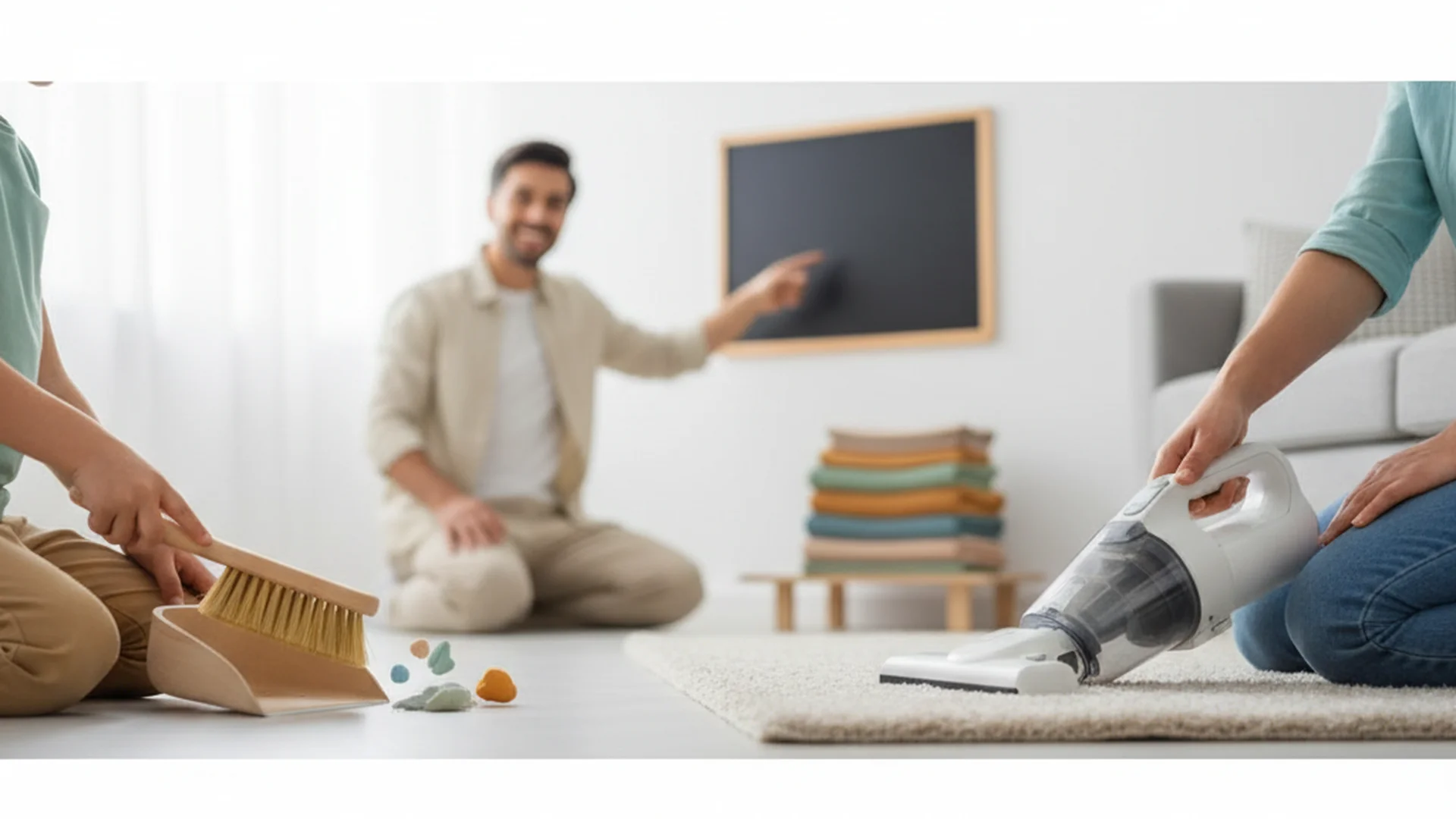
By the time a child reaches age 9, they possess the gross and fine motor skills necessary for almost any household task that doesn't involve heavy machinery or power tools. When building your chores for tweens list, consider categorizing tasks to ensure they learn a variety of skills.
| Category | Recommended Tasks |
|---|---|
| Kitchen | Loading/unloading dishwasher, packing school lunches, wiping counters, basic meal prep. |
| Laundry | Sorting colors, starting the wash/dry cycles, folding and putting away their own clothes. |
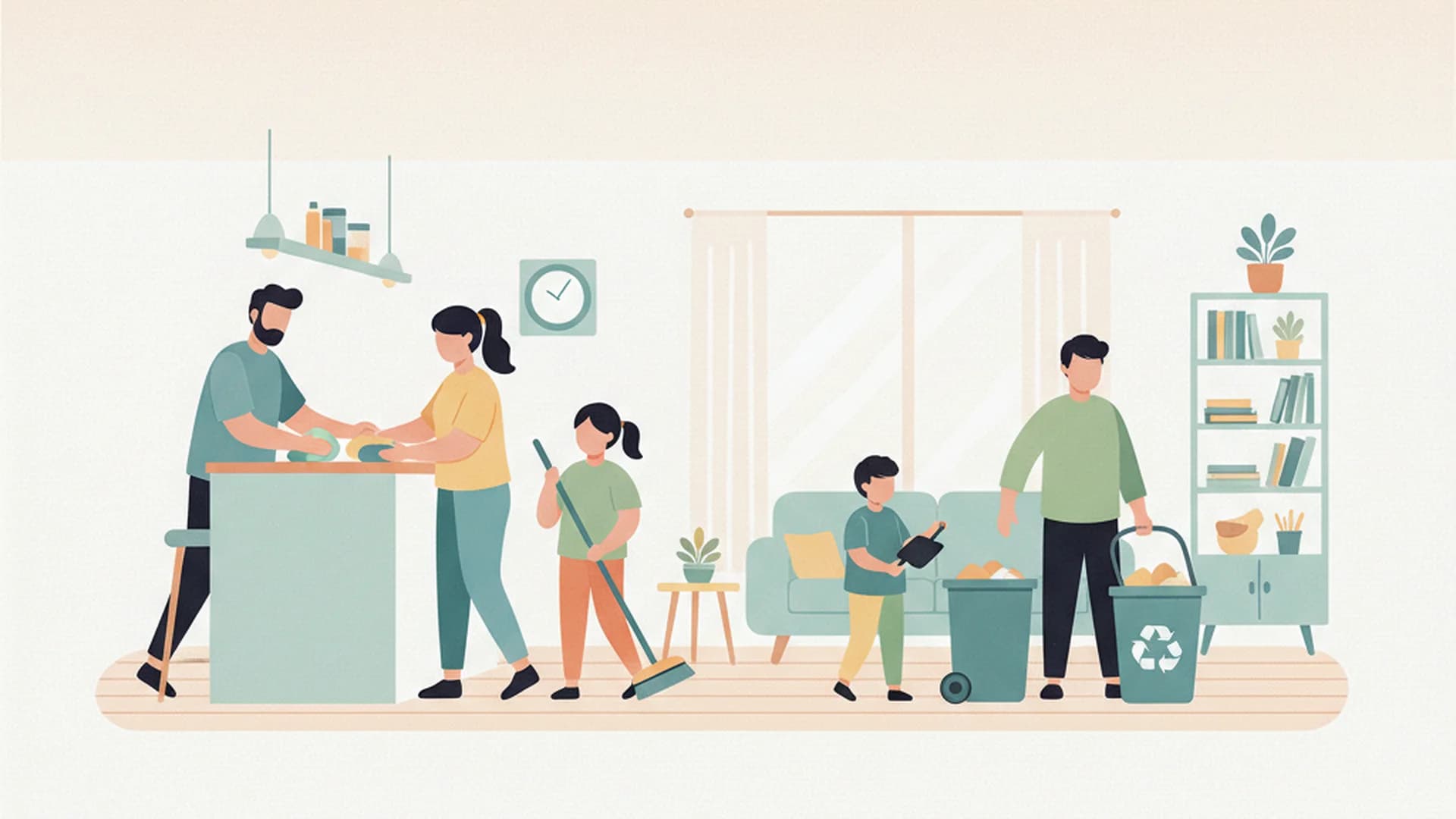
| Shared Spaces | Vacuuming high-traffic areas, cleaning windows, taking out trash and recycling. |
| Bathroom | Scrubbing the sink, cleaning the mirror, replacing towels, and scrubbing the toilet. |
| Outdoors/Pets | Walking the dog, cleaning the litter box, raking leaves, or washing the car. |
| Self-Management | Organizing school bags, managing a digital calendar, and keeping bedroom floors clear. |
Tip: Start by teaching one "big" skill per month (like laundry) until they can do it independently before adding more to their plate.
Modern Trends in Tween Responsibility (2025–2026)
Parenting has evolved, and the way we approach "work" at home is changing. In 2025 and 2026, we are seeing a shift away from traditional "command and control" parenting toward a more collaborative, tech-forward approach.
The "Life Skills" Rebrand
More and more families are ditching the word "chore" in favor of "Life Skills Training" or "Household Contributions." This subtle shift in language emphasizes agency over labor. It frames the task as a necessary skill for their future independent life, rather than a boring job imposed by a parent.
AI-Assisted Scheduling
Parents are now using AI tools like ChatGPT or specialized apps like Cozi to create custom, rotating schedules. For example, you can prompt an AI to: "Create a chore schedule for a 12-year-old who has soccer on Tuesdays and Thursdays, ensuring they finish laundry by Sunday." This allows the schedule to breathe with the tween's increasingly busy academic and social life.
Gamification 2.0
The 2026 trend for motivation involves high-level gamification. Apps like Habitica and Joon use RPG-style mechanics where completing real-life tasks like scrubbing the bathroom earns the tween "experience points" or virtual gear for an avatar. This taps into the brain's reward system in a way that a paper list simply cannot.
Note: For families focusing on financial literacy, apps like Greenlight and BusyKid have become the gold standard, linking chore completion directly to digital debit cards and even micro-investing platforms.
Implementing a Chores for Tweens Chart
A visual representation of responsibilities is essential for this age group. A chores for tweens chart helps eliminate the "I forgot" excuse and provides a clear "Definition of Done."
Using the "Definition of Done"
One of the biggest friction points between parents and tweens is the quality of work. A tween might think the kitchen is clean because the dishes are in the sink, while a parent expects the counters to be wiped. To fix this, your chart should include a "Definition of Done" for each task:
- Task: Clean Kitchen
- All dishes loaded into the dishwasher.
- Counters wiped with microfiber cloth.
- Crumbs swept off the floor.
- Trash bag replaced if full.
Warning: Vague instructions like "clean your room" are the enemy of productivity. Always break large tasks into 3–5 specific bullet points.
Real-World Examples of Tween Responsibility
Example 1: The "Laundry Legend"
The Miller family decided that once their daughter turned 11, she would be responsible for her own laundry. Rather than nagging, they let "natural consequences" take the lead. When she forgot to wash her soccer uniform for a Saturday game, she had to wear a dirty, smelly jersey. She hasn't missed a laundry day since. This taught her more about responsibility than any lecture ever could.
Example 2: The Meal Master
Jacob, a 12-year-old, was tasked with "Meal Prep Wednesday." Every Wednesday, he is responsible for choosing a recipe, checking the pantry for ingredients, and helping cook the meal. This has significantly boosted his executive functioning skills and his confidence in the kitchen, making him feel like a vital contributor to the family's well-being.
Example 3: The Tech-Savvy Scheduler
Maya uses an AI-integrated calendar to track her chores for tweens. When she sees a heavy week of homework approaching, she "exchanges" chores with her younger brother or completes them early on Sunday. This high-level time management is a skill most adults struggle with, yet she is mastering it at age 12.
Common Mistakes to Avoid
Even the best-intentioned parents can fall into traps that discourage tweens from helping.
1. The Perfectionist Trap
If you immediately re-do the chore your tween just finished, you are sending a message that their effort wasn't good enough. This leads to "learned helplessness," where the child stops trying because "Mom will just do it anyway." If the job was truly sub-par, ask them to refer back to the "Definition of Done" and fix the specific missing items.
2. Using Chores as Punishment
Linking cleaning to a negative consequence (e.g., "You were rude, now go scrub the floor") makes the child view household contribution as a "prison sentence" rather than a team effort. Keep discipline and household responsibilities separate.
3. Rescuing
When a tween forgets a task, the instinct is to jump in and do it to keep the house running. However, this removes the opportunity for them to feel the weight of their responsibility. If the trash isn't taken out and it starts to smell, let them experience that discomfort so they understand why the task matters.
Frequently Asked Questions
Should I pay my tween for chores?
How many chores should a tween have?
How do I handle "chore strikes"?
What if my tween is "too busy" with sports and school?
Conclusion: Building a Foundation for the Future
Transitioning into a more robust schedule of chores for tweens is an investment in your child's character. By moving away from the "helicopter" or "permissive" parenting styles and toward an Authoritative approach—combining high expectations with high warmth—you provide the structure they need to thrive. Remember to focus on progress over perfection, use modern tools to keep things engaging, and always frame these tasks as the valuable life skills they truly are.
Success: Consistent household contributions lead to higher self-esteem, as tweens realize they are capable, competent, and necessary members of the family team.
Cleaning that keeps score
Every task earns points, every streak multiplies them, and Premium adds a household leaderboard plus a monthly Dustagorgon to beat.
- Free forever
- 30 badges to earn
- Up to 6 in a household
No card needed. Set up your rooms in a couple of minutes.