In this article
What you’ll learn
- Morning chores build the habits and self-reliance that serve kids for life.
- Keep tasks under 10 minutes to maintain morning momentum.
- Focus on 'hero chores' and self-care rather than deep cleaning.
The morning rush is a universal struggle for parents. Between hunting for lost socks and packing last-minute lunches, the idea of adding chores before school to the mix might sound like a recipe for disaster. However, as a professional cleaning consultant, I’ve seen firsthand how a structured morning routine transforms not just the cleanliness of a home, but the mindset of the children living in it.
Implementing a few strategic tasks before the bus arrives isn't about offloading your housework; it’s about preparing your child’s brain for the day ahead. By engaging in "micro-chores," children activate their executive functions—working memory, flexible thinking, and self-control—before they even step into the classroom.
The Science of the "Success Mindset"
Why should we bother with chores when the morning is already so frantic? Because the habit outlasts the task. A child who grows up expected to contribute learns to spot a job that needs doing and get on with it—a quality that shows up far later in how they handle work, housemates, and their own homes.
By completing a task like making the bed or unloading the dishwasher, a child internalizes the "utility mindset." They see themselves as a contributing member of a community (the family) rather than a passive consumer of services.
Starting early matters, too. Children who are folded into household tasks at three or four take to them as simply part of family life, whereas a teenager handed their first real chore experiences it as an imposition. Despite this, we are currently facing a "Chore Gap": far more of today's parents had regular chores growing up than currently expect them of their own children.
Note: Morning chores help "wake up" the brain’s frontal lobe, making the transition to school-based learning smoother for many children.
Age-Appropriate Chores Before School List
To make this sustainable, the chores must match the child's developmental stage. A toddler cannot empty the dishwasher, but they can certainly contribute to the morning flow.
Preschool & Kindergarten (Ages 3–5)
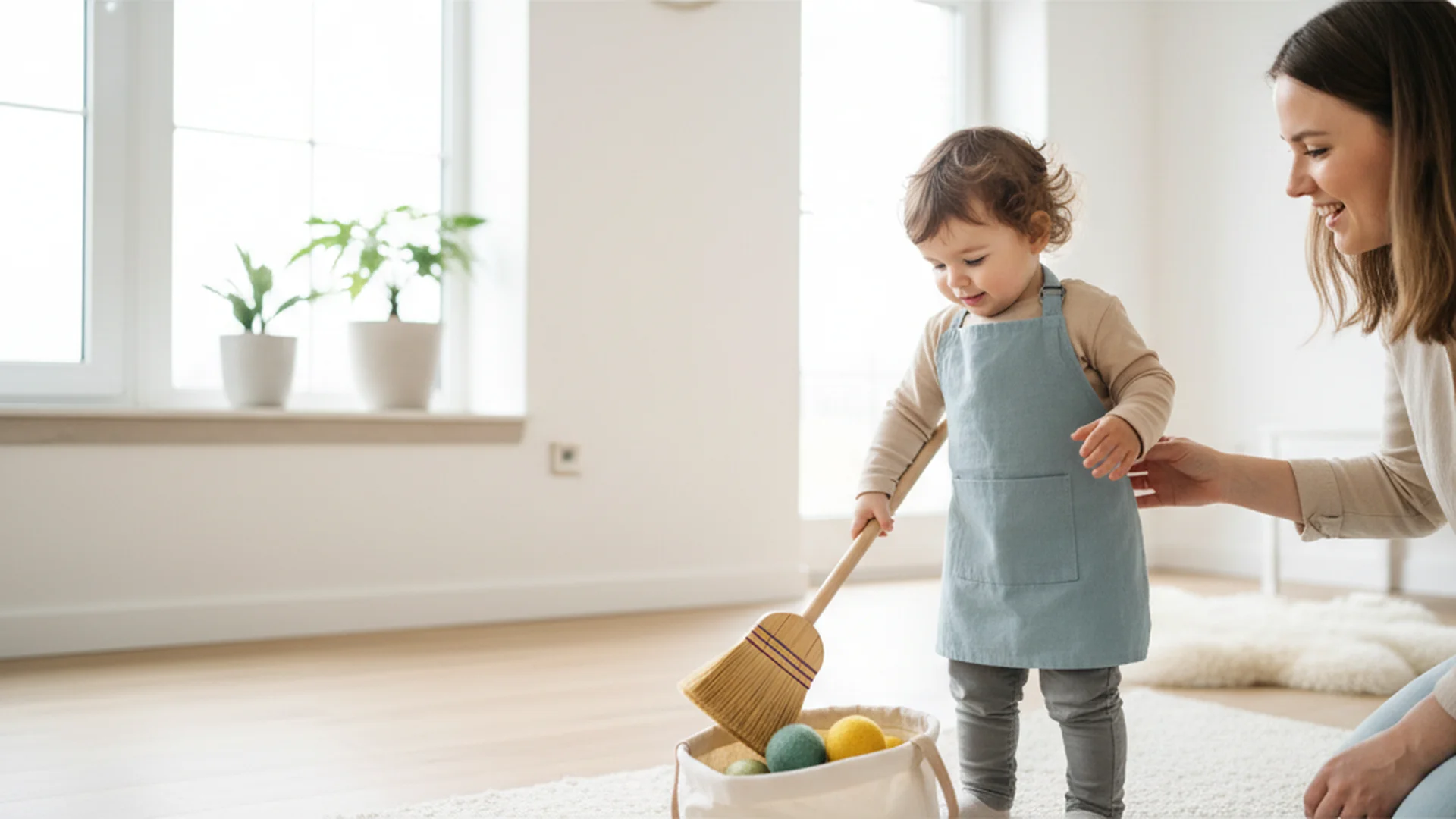
At this age, the goal is habit formation, not efficiency. Focus on "micro-tasks" that take less than three minutes.
- The Pajama Toss: Putting pajamas into the hamper rather than leaving them on the floor.
- The Breakfast Clear: Carrying their plastic cereal bowl or plate to the kitchen sink.
- Pet Helper: Scooping pre-measured kibble into a dog or cat bowl (with supervision).
- The Toy Reset: Picking up one specific toy or book they used that morning.
Elementary School (Ages 6–11)
Children in this bracket are developing better motor skills and can handle "multi-step" tasks.
- Bed Making: We aren't looking for hotel-quality hospital corners—just pulling up the duvet and straightening the pillow.
- Hydration Station: Filling their own water bottle and placing it in their backpack.
- Bathroom Wipe-Down: Using a damp cloth to wipe toothpaste spit out of the sink after brushing.
- Laundry Sorting: Checking their floor for clean vs. dirty clothes and moving the dirty ones to the laundry room.
Middle & High School (Ages 12+)
For older kids, chores should focus on "hero chores"—tasks that benefit the entire household.
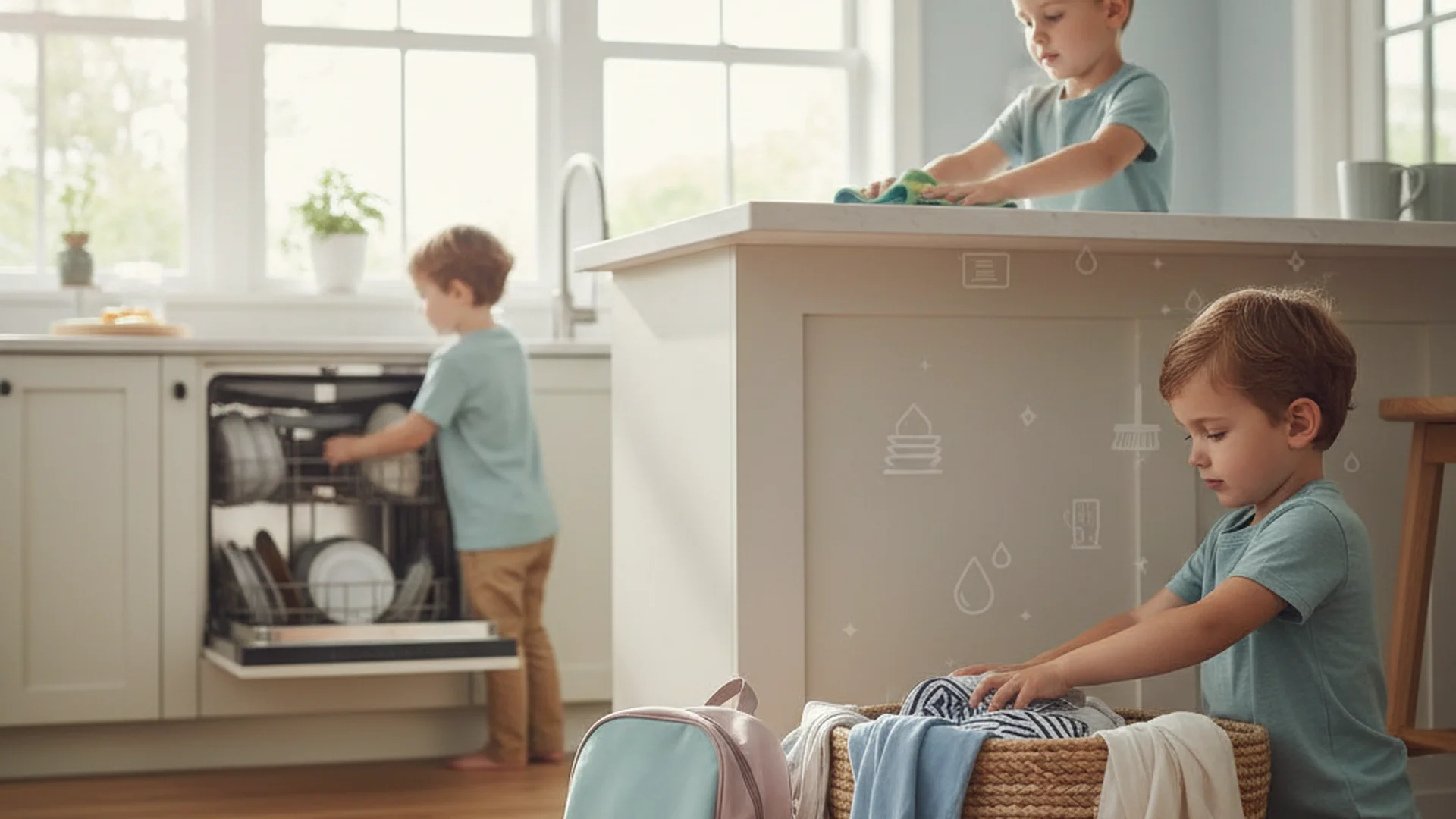
- The Dishwasher Hero: Emptying the dishwasher so the family can load breakfast dishes immediately.
- Waste Management: Taking the kitchen trash or recycling out to the main bins.
- Independent Prep: Preparing their own simple breakfast (toast, smoothie, or oatmeal).
- The Energy Check: A 2025 favorite—ensuring all lights are off and electronics are unplugged to support the family’s eco-goals.
Tip: Use the "10-Minute Rule." Morning chores should never exceed 10 minutes total. If it takes longer, the task is too large for a school morning.
| Age Group | Focus Area | Recommended Time |
|---|---|---|
| Preschool | Habit Building | 2-3 Minutes |
| Elementary | Responsibility | 5-10 Minutes |
| Teenagers | Household Contribution | 10-15 Minutes |
2025 Trends: Making Chores Engaging
In 2025, we are seeing a shift away from "nagging" and toward "gamification" and tech-integrated routines. Here are three modern ways to implement chores before school ideas:
1. The Dopamine Morning
This trend focuses on making task completion feel rewarding. Use "Dopamine Decor" at your chore station—brightly colored charts, tactile "clicky" buttons that kids can press when a task is done, or stickers that create a larger image over time. For neurodivergent children, this immediate sensory feedback is vital for maintaining focus.
2. Digital Chore Economies
Many families are moving away from paper charts and toward apps like GoHenry, Greenlight, or RoosterMoney. These apps allow parents to set morning tasks; once checked off, the child receives a "payout" in digital currency or even extra screen time for the weekend.
3. Body Doubling
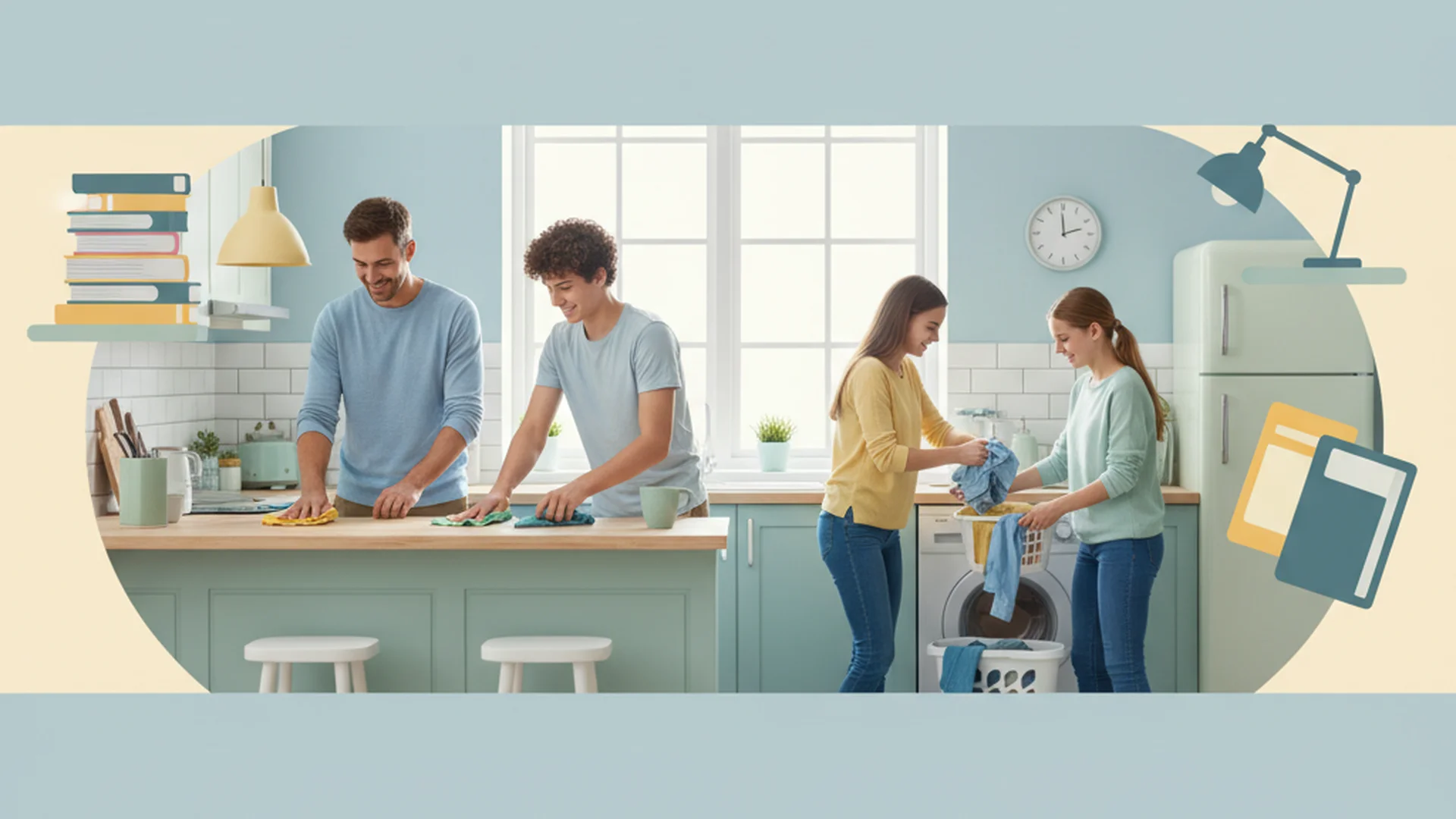
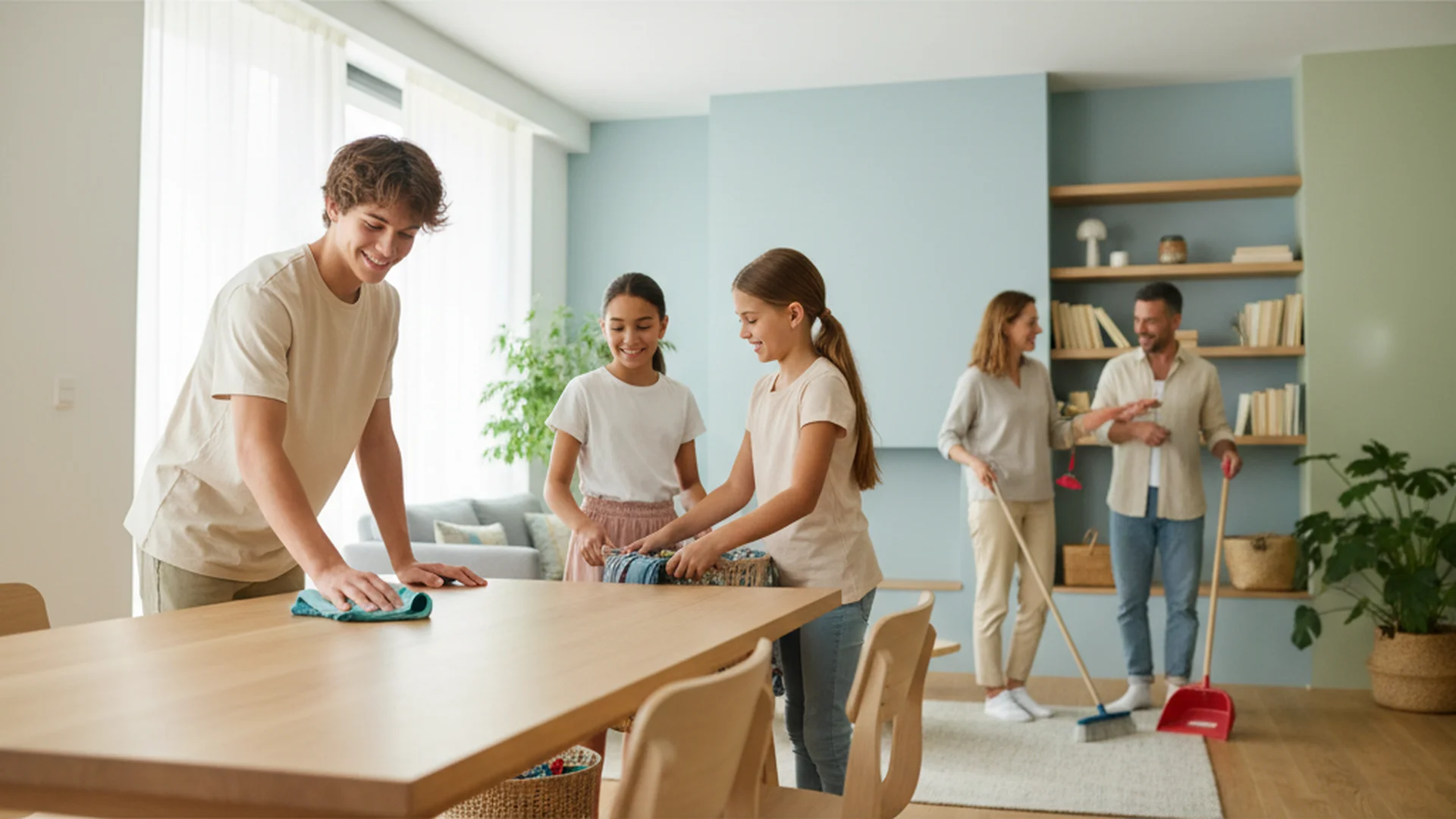
Borrowed from the ADHD community, "body doubling" is the practice of working alongside your child. Instead of shouting instructions from the other room, try loading the dishwasher while your child wipes the table. This parallel work reduces the feeling of "being ordered around" and turns chores into a social connection point.
Success: Children who use visual checklists are far more likely to get through their morning routine without verbal reminders from parents.
Common Mistakes to Avoid
Even the best-intentioned chore systems can fail if we fall into these common traps.
- Expecting Perfection: If your 8-year-old makes their bed but the pillows are crooked, do not fix it in front of them. Redoing their work destroys their sense of competence and teaches them that their effort isn't good enough.
- Using Chores as Punishment: If "cleaning the mudroom" is the consequence for a bad grade, your child will view household contribution as a negative burden rather than a shared responsibility.
- The "I'll Just Do It" Fallacy: It is always faster to do it yourself in the short term. However, doing so fosters "learned helplessness." By the time they hit age 10, a child who has never had chores often lacks the "utility mindset" needed for middle school organizational demands.
- Inconsistency: Chores work best when they are a "non-negotiable" part of the morning, like brushing teeth. If you only enforce them on Tuesdays, the child will fight them every other day of the week.
Warning: Avoid "nagging cycles." If you have to say it three times, the system is broken. Transition to a visual "When/Then" chart instead.
How to Implement Without the Drama
If you want to start chores before school tomorrow, don't introduce a list of ten items. Start with "Resetting the Stage" the night before. Ensure clothes are laid out and backpacks are packed so that the only morning focus is the new chore.
Use the "When/Then" parenting technique: "When your bed is made and your bowl is in the sink, then you can have your breakfast (or 5 minutes of iPad time)." This places the responsibility on the child to unlock the "reward" of the next part of their day.
Frequently Asked Questions
How many chores should a child do before school?
Should I pay my kids for morning chores?
What age can a child start doing morning chores?
How do I get my kid to do chores without nagging?
What if we are running late?
Conclusion
Transitioning to a morning that includes chores before school is one of the most significant gifts you can give your child. You aren't just getting a cleaner kitchen; you are training their brain for adulthood, boosting their confidence, and closing the "chore gap" in your own home. Start small—pick just one task from the list above—and watch how it changes the energy of your household.
Success: Consistency is the key to transformation. Stick with one chore for 21 days until it becomes as automatic as breathing.
Cleaning that keeps score
Every task earns points, every streak multiplies them, and Premium adds a household leaderboard plus a monthly Dustagorgon to beat.
- Free forever
- 30 badges to earn
- Up to 6 in a household
No card needed. Set up your rooms in a couple of minutes.