In this article
What you’ll learn
- Proactive maintenance costs far less than reactive emergency repairs.
- Follow the 1% rule to budget for annual home upkeep and avoid financial surprises.
- Integrating smart home tech and AI can predict failures before they happen.
Owning a home is often the largest financial investment you will ever make, yet many homeowners struggle to keep up with the necessary upkeep. Younger homeowners in particular describe feeling "burnt out" by the endless list of maintenance jobs, while older generations who grew up with these routines tend to find them manageable. That gap highlights a growing need for a clear, actionable annual home maintenance checklist that simplifies property care. By following a structured schedule, you can move from reactive emergency fixes to proactive preservation, ensuring your sanctuary remains safe and valuable for decades to come.
The Financial Reality of Home Ownership
Before diving into the tasks, it is crucial to understand the "why" behind maintenance. A common budgeting guideline is the "1% Rule," which suggests homeowners should budget 1% to 4% of their home’s purchase price annually for maintenance and repairs. For a $400,000 home, this translates to an annual budget of $4,000–$16,000.
While that might seem like a significant sum, consider the value of prevention. Money spent on upkeep goes a very long way compared with money spent on emergencies. Addressing a small leak today costs a fraction of what a mold remediation project will cost next year. In fact, emergency repairs typically cost 3 to 4 times more than planned maintenance tasks.
Tip: Open a dedicated high-yield savings account for your home maintenance fund. Automating a small monthly transfer based on the 1% rule ensures you are never caught off guard by a failing HVAC or a leaky roof.
Spring and Summer: The Season of Exterior Care
As the ice thaws and the days lengthen, your focus should shift to the exterior of the home. Winter can be brutal on building materials, making spring the perfect time for an audit.
HVAC Tune-up
Schedule a professional AC service before the first heatwave of the year. A technician can check refrigerant levels, clean coils, and ensure the system is running at peak efficiency.
Success: A well-maintained AC system uses up to 15% less energy than a neglected one, directly lowering your summer utility bills.
Roof and Gutters
Clean your gutters of all winter debris and inspect for damage. Look for missing shingles, cracked tiles, or granules in the gutters, which indicate a roof nearing the end of its life.
Warning: Never inspect a roof alone or in wet conditions. If your roof has a steep pitch, hire a professional to perform a drone-assisted or physical inspection.
Exterior Sealing
Inspect the caulk around your windows and doors. If a gap is wider than a nickel, it is time to re-seal it. This prevents moisture from entering the wall cavity and causing rot.
Landscaping and Grading
Ensure that your landscaping isn't working against your foundation. Trim trees and bushes at least two feet away from the siding to prevent pest entry and moisture retention. More importantly, check the grading of your soil; it should always slope away from the foundation to prevent basement flooding.
| Task | Estimated Cost | DIY vs. Pro |
|---|---|---|
| HVAC Service | $150 - $300 | Professional |
| Gutter Cleaning | $0 - $200 | DIY Friendly |
| Exterior Caulking | $20 - $50 | DIY Friendly |
| Tree Trimming | $200 - $1,000 | Professional |
Fall and Winter: Weatherproofing and Safety
When the leaves start to turn, it’s time to bring your maintenance efforts indoors and prepare for the cold.
Dryer Vent Cleaning
This is perhaps the most overlooked safety task. While we all clean the lint trap, the entire exhaust duct needs an annual vacuuming.
Warning: Clothes dryers are a well-known cause of house fires. Lint buildup is highly flammable, and clearing the full duct each year removes the main cause of these avoidable disasters.
Plumbing Winterization
Before the first freeze, drain and store your garden hoses. Use insulated covers for exterior faucets (spigots). If you live in a particularly cold climate, ensure that pipes in unheated areas like crawlspaces are wrapped in foam insulation.
Chimney and Fireplace
If you enjoy wood-burning fires, an annual chimney sweep is a "safety must." Creosote, a byproduct of burning wood, builds up inside the flue and can ignite, causing a dangerous chimney fire.
Water Heater Flush
Is it really necessary to flush your water heater? Yes. Sediment buildup (calcium and magnesium) settles at the bottom of the tank, reducing efficiency and eventually causing the tank to fail. A simple annual flush can extend the life of your water heater by 5 to 7 years.
Tip: If you have a tankless water heater, it still requires an annual descaling, especially if you have hard water.
Year-Round Habitual Maintenance
Some tasks are too important to wait for a specific season. These "micro-maintenance" tasks keep your home running like a well-oiled machine.
- Test Alarms: Test smoke and carbon monoxide detectors monthly. Replace the batteries every six months, even if they aren't chirping yet.
- Filter Changes: Change your HVAC air filter every 1–3 months. If you have pets or suffer from allergies, aim for every 30 days.
- Leak Checks: Once a month, look under every sink and around the base of every toilet. Catching a slow drip early prevents subfloor rot.
- Appliance Maintenance: Clean your range hood filters and your dishwasher drain. A clogged dishwasher drain is the #1 reason for poor cleaning performance.
Note: Many modern dishwashers have a removable cylindrical filter at the bottom. Twist it out and rinse it under hot water once a month to prevent "swimming pool" smells.
2025–2026 Trends: The High-Tech Home
As a Domestic Efficiency Specialist, I am seeing a massive shift in how we manage our homes. By 2026, several key technologies will become standard for the savvy homeowner.
Predictive AI Maintenance
Integrated IoT (Internet of Things) sensors are now capable of identifying equipment degradation before a total failure occurs. For example, a vibration sensor on your furnace blower motor can alert you via smartphone that a bearing is failing two weeks before the heat goes out.
Matter Protocol Adoption
2026 marks the peak of "Universal Interoperability." Thanks to the Matter protocol, your smart locks, leak sensors, and thermostats from different brands finally work together on one app. This makes monitoring your annual home maintenance checklist significantly easier.
Resilience Features
Homeowners are increasingly installing "resilience upgrades." This includes:
- Whole-home batteries: To combat grid instability.
- Smart water-management systems: These systems (like Phyn or Moen Flo) monitor water flow and automatically shut off the main valve if a leak is detected, potentially saving you tens of thousands in water damage.
Common Mistakes to Avoid
Even the most well-intentioned DIYers can fall into traps that cause more harm than good.
The "Vinegar Myth"
Many homeowners believe vinegar is a "miracle" natural cleaner for everything. However, the acidity in vinegar can permanently dull marble, limestone, and certain hardwood finishes. Always use pH-neutral cleaners for natural stone and finished wood.
Covering Soffit Vents
When adding attic insulation to save on energy costs, homeowners often accidentally cover their soffit vents (the vents under the eaves). This kills the airflow in your attic, leading to ice dams in the winter and mold growth in the summer.
The "Wait-and-See" Roofing Strategy
The biggest mistake is only inspecting a roof when you see a brown spot on your ceiling. By the time a leak is visible inside, you likely already have structural moisture damage and mold in your attic.
Cleaning Windows but Not Screens
If you notice splotches on your windows after a light rain, your screens are likely the culprit. Dirt and pollen trapped in screens get splashed onto the glass during rain. Always brush and rinse your screens annually.
Ignoring the Sump Pump
Most people only realize their sump pump is broken during a massive rainstorm.
Success: Perform a "bucket test" every spring. Pour a five-gallon bucket of water into the sump pit. If the pump doesn't kick on and clear the water immediately, it’s time for a replacement.
The Minimalist Checklist: The Top 5 High-Value Tasks
If you are feeling the "generational burnout" mentioned earlier, don't try to do everything at once. Focus on these five tasks that provide the highest protection for your wallet:
- HVAC Filter (Quarterly): Costs $20, prevents a $10,000 system failure.
- Gutter Cleaning (Bi-Annually): Prevents foundation cracks and basement flooding.
- Dryer Vent Cleaning (Annually): Eliminates a major fire hazard.
- Water Heater Flush (Annually): Adds 5+ years to the life of the appliance.
- Leak Sensor Check (Monthly): Smart sensors can prevent catastrophic water damage.
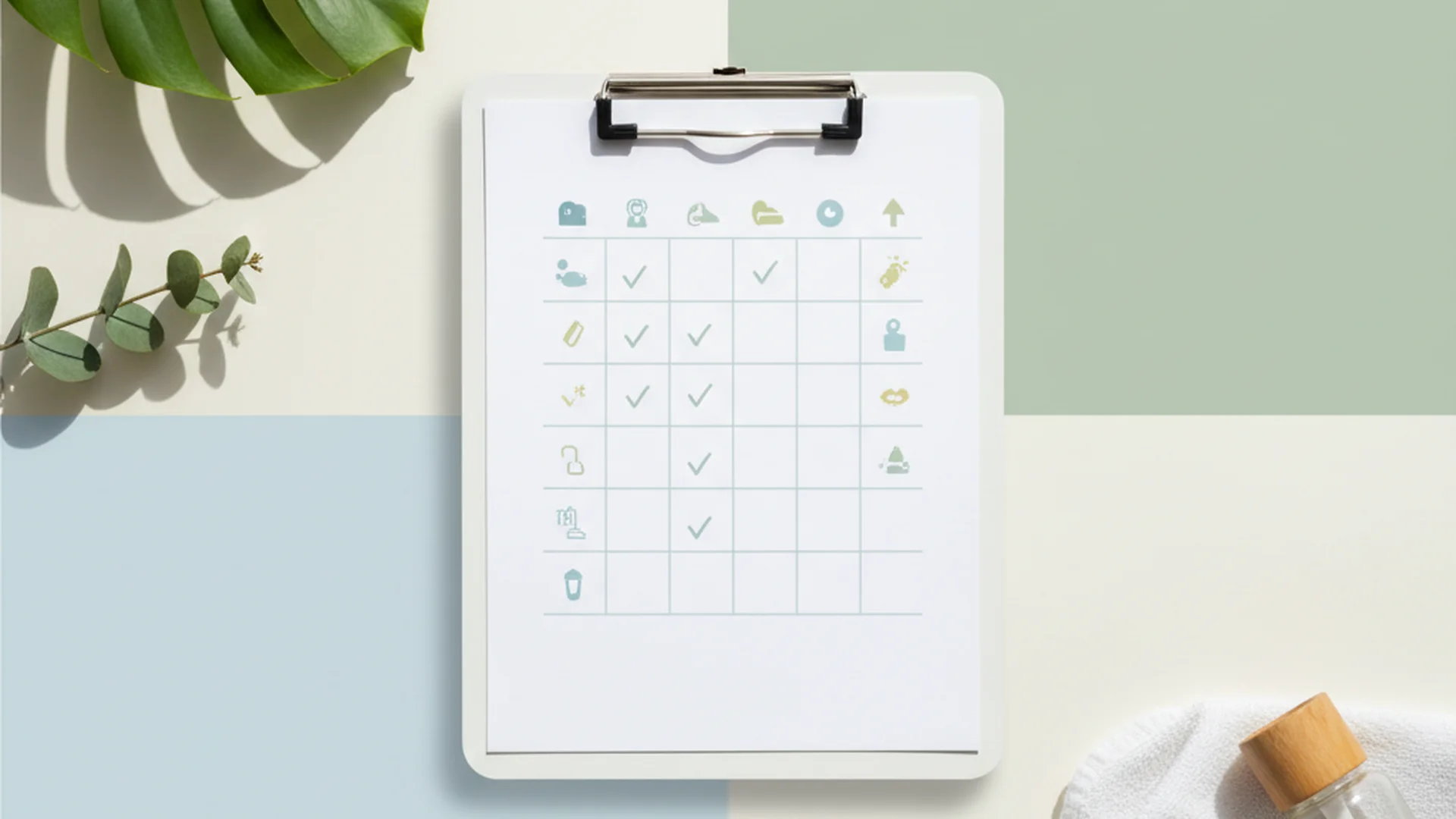
Note: If you are looking for an annual home maintenance checklist printable version, focus on these five items as your "non-negotiables" for your annual home maintenance checklist template.
Frequently Asked Questions
What is the single most important annual maintenance task?
How often should I really change my air filter?
Is it necessary to flush my water heater?
Can I do my own electrical or roofing inspections?
Why is my energy bill so high even though I have a new HVAC?
Conclusion
Maintaining a home is a marathon, not a sprint. By breaking down your property care into a seasonal annual home maintenance checklist, you transform an overwhelming responsibility into a series of manageable, high-ROI tasks. Whether you are a first-time homeowner or a seasoned property investor, staying proactive is the only way to truly protect your investment.
Remember, the goal isn't just to fix things when they break, but to ensure they never break in the first place. Start with the "Minimalist 5" this weekend and build your routine from there. Your future self—and your bank account—will thank you.
Cleaning that keeps score
Every task earns points, every streak multiplies them, and Premium adds a household leaderboard plus a monthly Dustagorgon to beat.
- Free forever
- 30 badges to earn
- Up to 6 in a household
No card needed. Set up your rooms in a couple of minutes.