In this article
What you’ll learn
- Understand that ADHD is an explanation for cleaning struggles, not an excuse.
- Transition from 'Equal' to 'Equitable' chore distribution based on brain strengths.
- Utilize tools like body doubling and AI task breakdown to overcome executive dysfunction.
In many relationships, there is a hidden "third roommate" that influences every dish left in the sink and every pile of laundry on the floor: ADHD. When you are navigating adhd cleaning with a partner, the friction often stems from more than just a difference in cleanliness standards. It is a fundamental difference in how two brains perceive, prioritize, and process the environment. Whether you are the partner with ADHD or the one supporting them, finding a sustainable rhythm requires moving past shame and toward neuro-affirming strategies that prioritize the relationship over a "Pinterest-perfect" living room.
The struggle is real, and the stakes are high. Research indicates that couples managing ADHD face unique challenges that can lead to significant distress if left unaddressed. However, by using the right adhd cleaning partner tips, you can transform your home from a battlefield into a functional sanctuary.
The Science of the "Messy" ADHD Brain
To find effective adhd cleaning partner help, we must first understand the neurological landscape. For a neurotypical person, a messy room is a list of tasks. For an ADHD brain, a messy room is a cacophony of "unresolved stimuli."
The Perception Gap and Inattentional Blindness
One of the most common sources of conflict is the "perception gap." In a survey conducted by ADDitude Magazine, non-ADHD spouses reported performing roughly 71% of the housework, while their ADHD partners perceived their own contribution at closer to 40%.
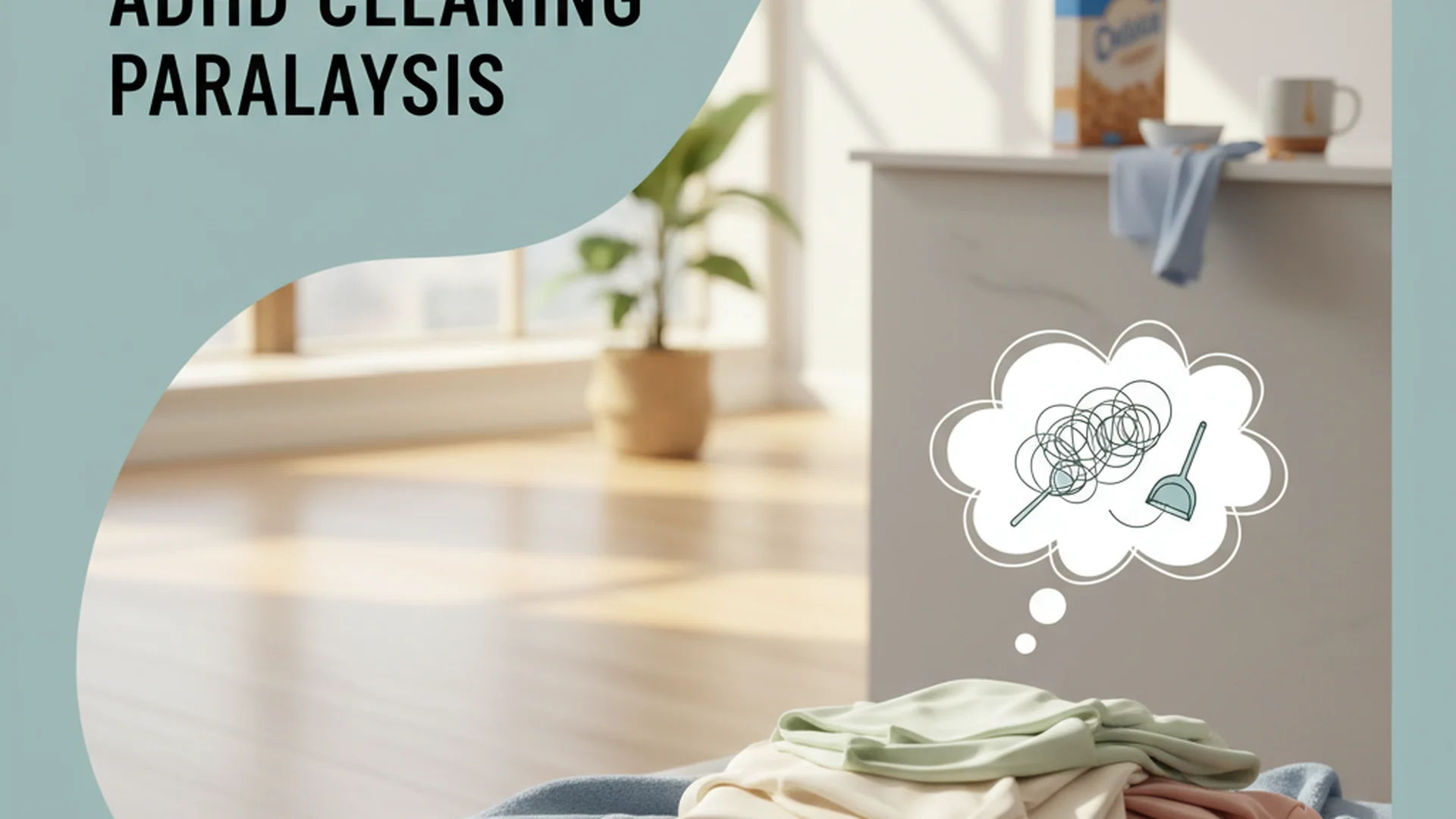
This isn't intentional gaslighting; it is often the result of "inattentional blindness." The ADHD brain may literally filter out clutter as background noise until it reaches a point of absolute overwhelm. By the time the ADHD partner "sees" the mess, they are already in a state of sensory overload, leading to task paralysis.
Executive Dysfunction: It’s Not One Task
Cleaning isn't a single action—it’s a complex sequence of executive functions. To "clean the kitchen," the brain must:
- Initiate: Overcome the "Wall of Awful" to start.
- Sequence: Decide if the dishes come before the counters.
- Working Memory: Remember where the cleaning spray was left while walking to get a paper towel.
When any of these links break, the process grinds to a halt.
Note: ADHD is an explanation for these neurological hurdles, but it is not an excuse for total inaction. It simply means the couple needs different tools, not necessarily more effort.
Moving Away from the Parent-Child Dynamic
The number one complaint in ADHD relationships is the "Parent-Child dynamic." This occurs when the non-ADHD partner takes on all "managerial" duties—noticing the mess, assigning the tasks, and following up.
Warning: Taking on a parental role creates a cycle of resentment for the "parent" and a sense of shame and inadequacy for the "child" partner. It is the fastest way to kill intimacy in a relationship.
To break this cycle, couples are turning to the "Fair Play" method developed by Eve Rodsky. This system emphasizes that one person must own a task from CPE: Conception, Planning, and Execution.
Real-World Example: The Laundry Loop
- The Old Way: Sarah (Non-ADHD) tells Tom (ADHD) to "do the laundry." Tom washes it but forgets it in the dryer. Sarah gets annoyed and moves it to the bed. Tom leaves it there. Sarah eventually folds it while feeling like a martyr.
- The Fair Play Way: Tom "owns" the laundry card. This means he tracks when the hamper is full (Conception), ensures there is detergent (Planning), and washes, dries, and puts it away (Execution). Sarah is forbidden from "reminding" him, and Tom is responsible for the entire cycle.
Transitioning from "Equal" to "Equitable" Chores
In 2025 and 2026, the domestic efficiency world has shifted away from the "50/50" split. An equal split assumes both partners have the same cognitive capacity for the same tasks. An equitable split focuses on capacity and ADHD strengths.
| Task Type | Best Suited For | Why? |
|---|---|---|
| High-Stimulation (Grocery shopping, yard work) | ADHD Partner | Constant movement and changing stimuli provide dopamine. |
| Low-Stimulation (Folding laundry, filing) | Non-ADHD Partner | Requires sustained, "boring" attention that is harder for ADHD brains. |
| High-Structure (Paying bills, scheduling) | Partner with better Executive Function | Requires strict sequencing and deadline management. |
Real-World Example: The "Grocery vs. Laundry" Swap
Alex (ADHD) and Jordan (Neurotypical) struggled for years. Alex hated folding laundry because the lack of stimulation led to immediate boredom and distraction. Jordan hated the chaos of the grocery store. They swapped. Alex now handles all errands and grocery runs—where the "hunt" for items keeps their brain engaged—while Jordan handles the repetitive, quiet task of folding.
Success: By aligning chores with brain types, the total "cognitive load" on the household decreases, leaving both partners with more energy at the end of the day.
The ADHD Cleaning Toolbox
When looking for adhd cleaning partner tips, specific techniques can bridge the gap between "knowing what to do" and "actually doing it."
Body Doubling: The Neurological Anchor
Body doubling is the practice of having another person present while you complete a task. They don't even have to help; their presence acts as a "neurological anchor" that keeps the ADHD brain grounded in the current task.
Tip: Try "Cleaning Together" hours. Set a timer for 30 minutes where both partners clean different things in the same room. The shared energy makes the "boring" task feel socially engaging.
The "Five Things" Method
Developed by KC Davis, this method prevents the ADHD brain from seeing "a million messes" and instead focuses on only five categories:
- Trash
- Dishes
- Laundry
- Things that have a place
- Things that don't have a place
By only looking for one category at a time, the ADHD partner avoids the "ping-ponging" effect of starting one task and getting distracted by another.
Modern Tech: AI-Powered Task Breakdown
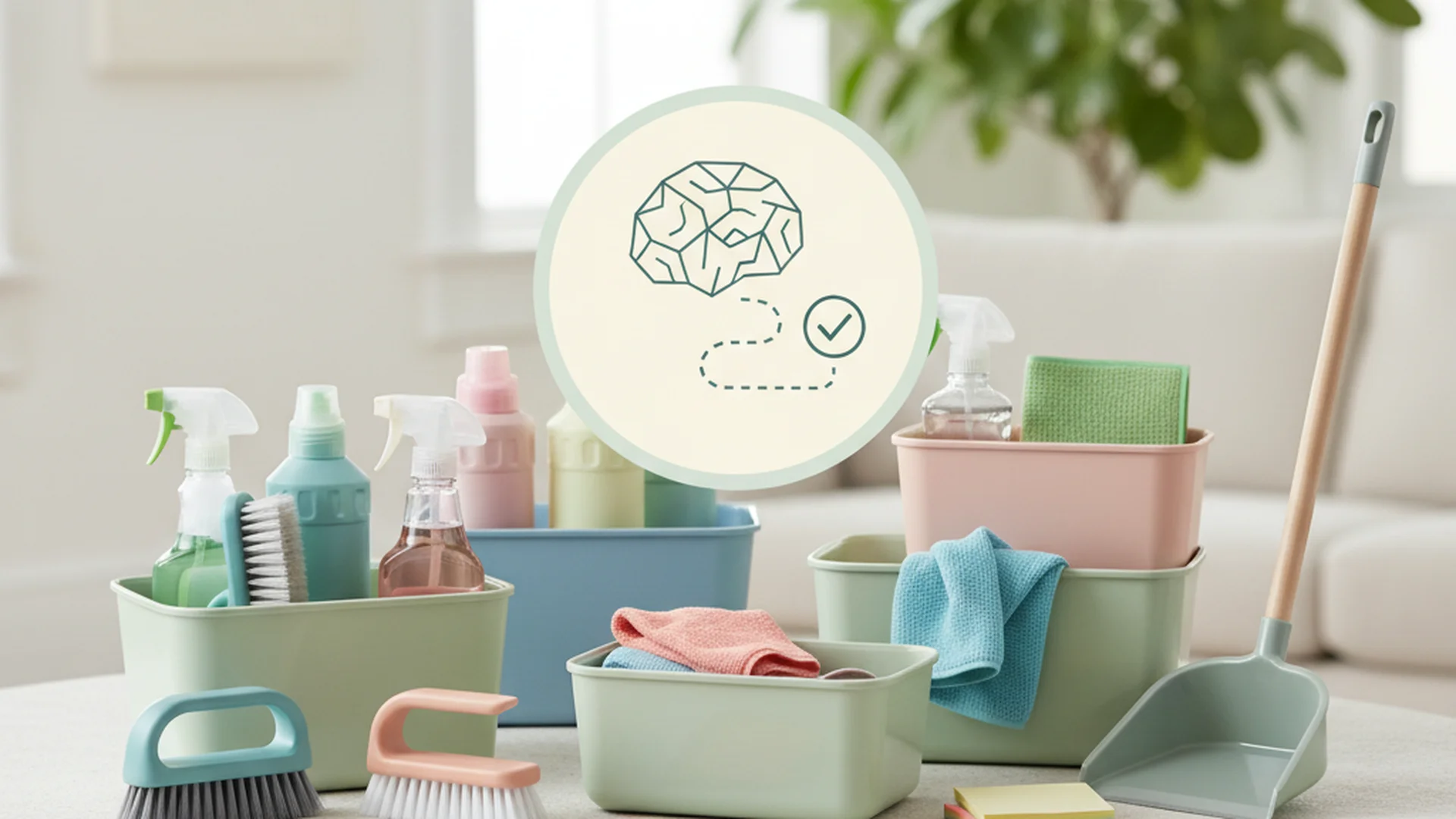
In 2025, tools like Goblin.tools (Magic ToDo) have become essential for ADHD cleaning. These AI tools take a vague demand like "Clean the Bathroom" and break it down into 15 tiny, dopamine-friendly steps (e.g., "Pick up the bath mat," "Put toilet cleaner in the bowl").
2026 Trends: Low-Demand Living and Somatic Decluttering
The latest shift in ADHD home management is "Low-Demand Living." This involves changing the home environment to match the ADHD brain rather than forcing the brain to match a neurotypical home.
- Doom Boxes: Designated "Discreet Objects of Organized Mess" boxes. Instead of cluttering a table, "loose" items go in a specific box to be sorted later when the partner has the "spoons" (energy) to do so.
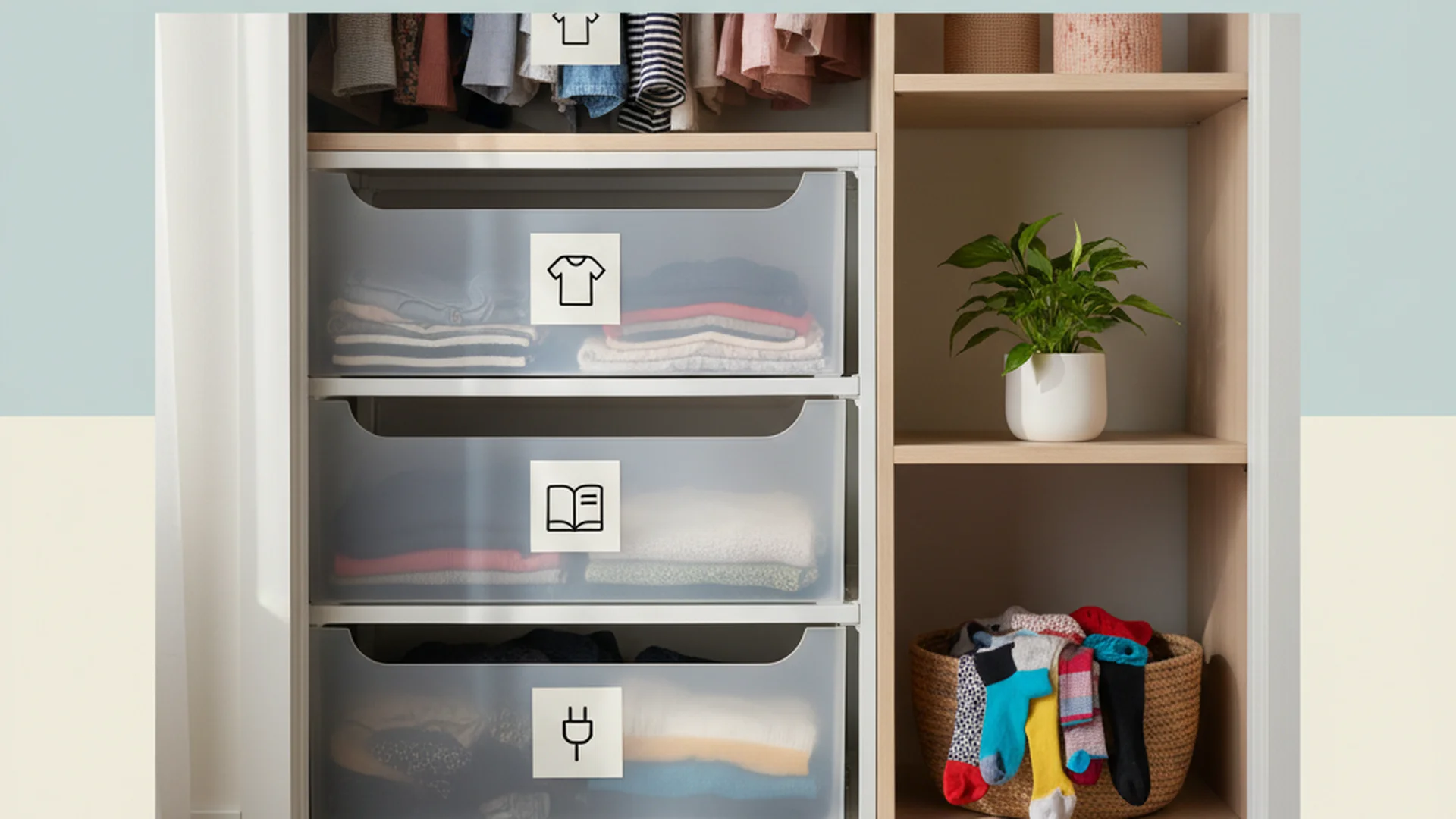
- No-Fold Systems: Using open bins for socks and undergarments instead of requiring them to be folded and tucked into drawers.
- Somatic Decluttering: Using music pairing or humming to stimulate the vagus nerve. This reduces the "Wall of Awful" and lowers the physical anxiety associated with starting a chore.
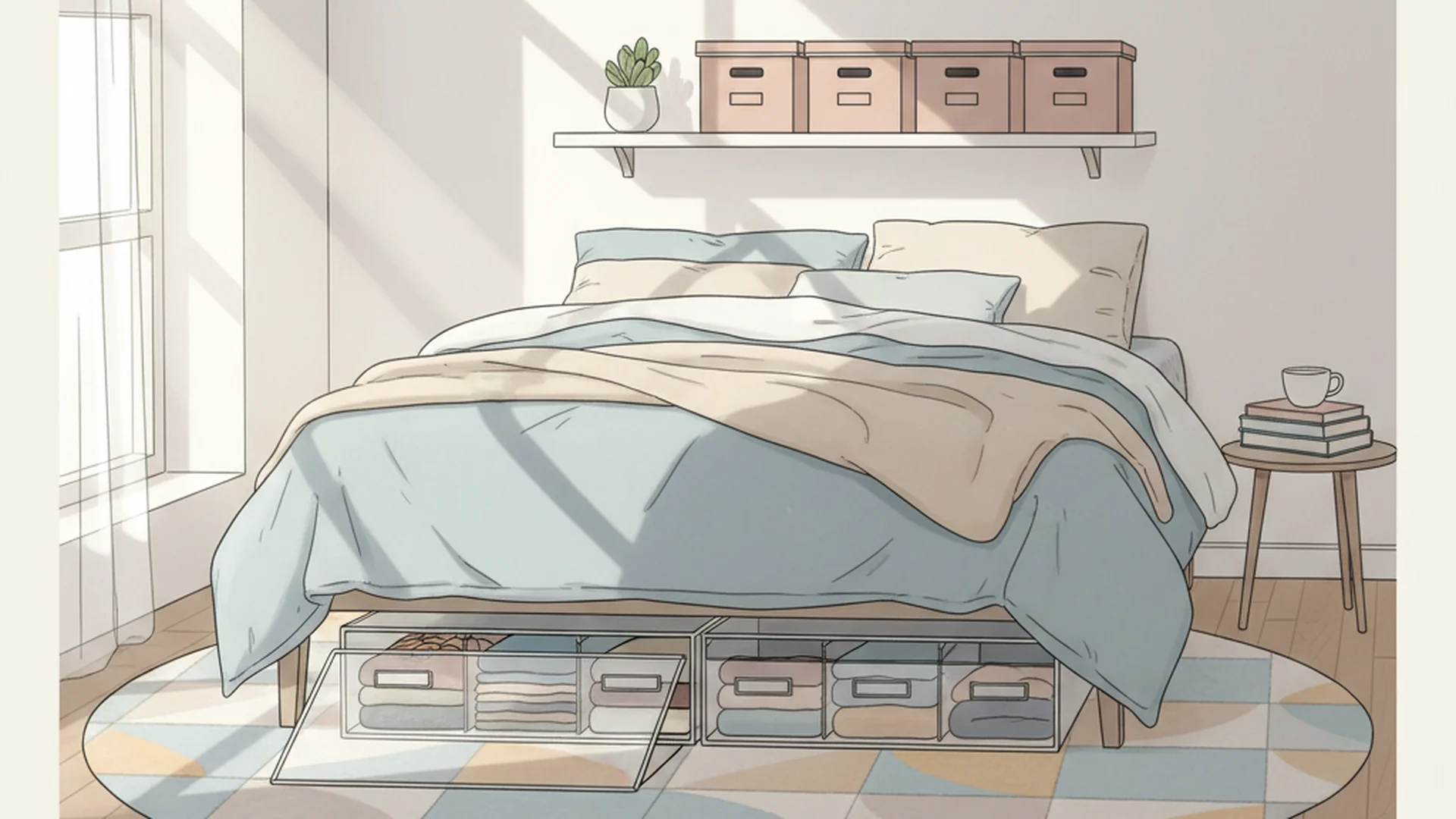
Note: Visual organization is key. If an ADHD person cannot see an item, it often ceases to exist (Out of sight, out of mind). Open shelving and clear bins are often superior to closed cabinets.
Common Mistakes to Avoid
Even with the best intentions, certain behaviors can sabotage your progress when seeking adhd cleaning partner help.
- The "Reminders" Trap: Non-ADHD partners often think they are helping with "gentle reminders." To the ADHD brain, this often feels like nagging, which triggers "demand avoidance." Use automated phone alerts instead.
- Assuming Laziness: Task paralysis is a physiological state where the brain cannot bridge the gap between intention and action. It is not a lack of caring.
- The "Just Do It" Mentality: Telling an ADHD person to "just focus" is like telling a person with poor eyesight to "just see better." They need glasses (tools), not more willpower.
- Aesthetic Over Function: Don't prioritize a "Pinterest" look over a "Functional" home. If a pile of mail on the counter works for your partner to remember to pay bills, let it stay until a better visual system is built.
Frequently Asked Questions
Why can't my partner just see the mess?
Is body doubling just "babysitting"?
How do we handle the "Wall of Awful"?
Should we use a chore chart?
Conclusion: Empathy Over Perfection
Successfully navigating adhd cleaning with a partner is not about achieving a spotless home; it’s about achieving a home that works for both of you. It requires the non-ADHD partner to let go of "how things should be done" and the ADHD partner to commit to using tools that work for their unique brain.
When you shift the focus from "Who didn't do the dishes?" to "How can we make doing the dishes easier for our team?", the resentment begins to melt away. Remember, a functional home where both partners feel loved and respected is far more valuable than a tidy house where everyone is miserable.
Success: Couples who implement equitable chore splits and neuro-affirming tools report a significant decrease in daily conflict and an increase in overall relationship satisfaction.
Cleaning that keeps score
Every task earns points, every streak multiplies them, and Premium adds a household leaderboard plus a monthly Dustagorgon to beat.
- Free forever
- 30 badges to earn
- Up to 6 in a household
No card needed. Set up your rooms in a couple of minutes.