In this article
What you’ll learn
- Hygiene struggles are a result of executive dysfunction, not laziness.
- Using "dopamine stacking" can make boring tasks feel more rewarding.
- Visible storage and sensory bridging reduce the friction of starting a routine.
For many, the morning ritual is a simple, autopilot sequence of events. But for those of us with ADHD, a standard adhd bathroom routine can feel like an Olympic-level obstacle course. From the "sensory dread" of a cold shower to the "time blindness" that occurs while scrolling on the toilet, the bathroom is often the site of our greatest executive function battles. If you have ever stared at a toothbrush for twenty minutes wondering why you can't just pick it up, or if you’ve forgotten whether you already washed your hair mid-shower, you aren’t alone.
The Science Behind the Struggle
Understanding why an adhd bathroom routine is so difficult is the first step toward fixing it. It isn't a lack of discipline; it’s a biological mismatch between your brain and the task at hand.
Executive Dysfunction and the Sequence Gap
Almost everyone with ADHD struggles with executive function. This is the "brain's secretary" that helps you sequence multi-step tasks. A "simple" shower is actually a complex 20-step process: find a towel, check the water temperature, undress, step in, wet hair, apply shampoo, and so on. When the secretary is overwhelmed, the brain often shuts down, leading to what many call "ADHD paralysis."
The Dental Hygiene Disparity
There is a well-recognised gap in oral health here. Adults with ADHD are considerably more likely to have poor oral health than their neurotypical peers, and plenty of children with ADHD never manage to brush twice a day. This isn't because they don't care about their teeth; it's because the task offers zero immediate dopamine, and the brain’s Default Mode Network (DMN) refuses to disengage from more stimulating thoughts to focus on a two-minute scrub.
Sensory Overload
A great many people with ADHD also deal with Sensory Processing Disorder (SPD). The transition from dry to wet, the loud roar of an exhaust fan, or the "pins and needles" feeling of a high-pressure showerhead can be physically distressing. When your brain perceives a task as painful or uncomfortable, it will do everything in its power to avoid it.
Note: Hygiene avoidance is often Sensory Avoidance. If the toothbrush bristles feel like sandpaper or the bathroom light is too bright, your brain treats the routine as a threat.
Transforming the Environment: Neuro-Inclusive Design
Traditional bathrooms are designed for aesthetics—minimalist, hidden, and clinical. For the ADHD brain, this is a nightmare. To find adhd bathroom routine help that actually sticks, we must change the environment to support the brain.
Object Permanence and Visible Storage
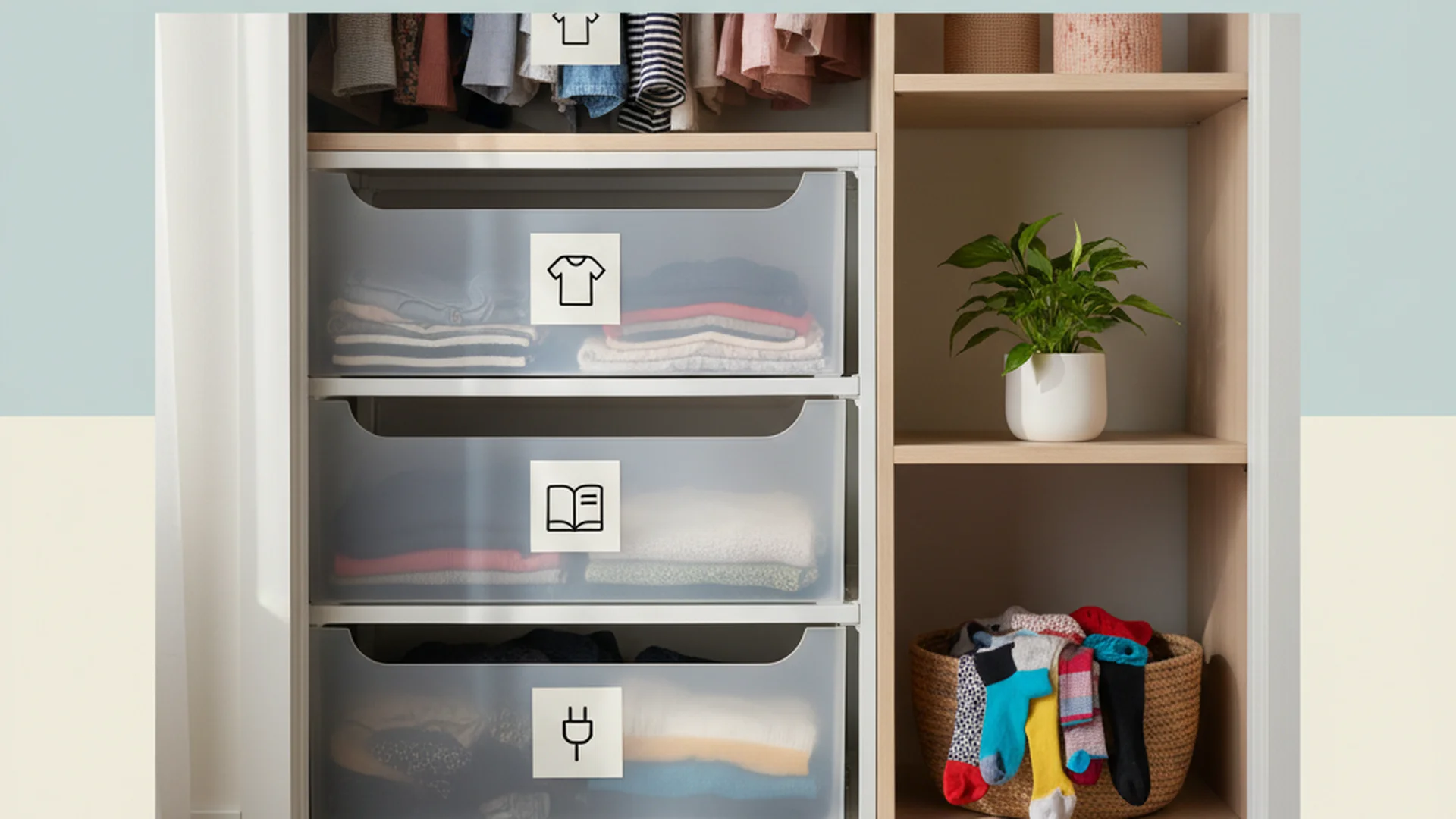
In the world of ADHD, "out of sight, out of mind" is a literal law. If your deodorant is tucked away in a dark drawer, your brain may genuinely forget it exists. 2026 home organization trends are shifting toward "visible-functional" storage.
- Clear Bins: Use transparent acrylic containers on the counter for daily essentials.
- Open Shelving: Replace closed cabinets with open shelves so you can see your "supplies" at a glance.
- Color-Coding: Assign a specific color to different "zones" (e.g., blue for dental, green for skincare).
Dopamine Decor
The "clinical white" bathroom can feel under-stimulating and boring. "Dopamine Decor"—using bright colors, interesting textures, and plants—can make the bathroom a high-interest environment. If you actually enjoy being in the space, the "activation energy" required to enter it decreases significantly.
| Strategy | Tool Needed | Benefit |
|---|---|---|
| Visual Cues | Clear Bins | Overcomes object permanence issues |
| Task Pacing | Waterproof Clock | Combats time blindness |
| Sensory Comfort | Space Heater | Eliminates the "cold shock" transition |
| Task Interest | Bluetooth Speaker | Provides dopamine during boring tasks |
Strategies for a Successful ADHD Bathroom Routine
If you are looking for adhd bathroom routine tips, these strategies focus on working with your brain rather than fighting it.
1. Dopamine Stacking
Since the ADHD brain lacks dopamine, we must "stack" a high-stimulation activity with a low-stimulation one.
- Real-World Example: Sarah struggled to brush her teeth for the full two minutes. She started keeping a phone mount on her mirror and only allowed herself to watch her favorite 5-minute YouTube clips while brushing. By pairing the "boring" task with a "high-reward" video, her brain no longer resisted the routine.
2. Sensory Bridging
Transitions are the hardest part of any routine. To make the move from the warm bed to the shower easier, try "bridging" the sensory gap.
- Heat the Room: Turn on a small space heater 10 minutes before you enter.
- The Right Towel: Invest in high-GSM (extra soft) towels. If the drying process feels like a luxury rather than a chore, you’re more likely to start.
3. Point-of-Performance Reminders
The "Point of Performance" is the exact time and place where a task needs to happen. If you always forget to brush your teeth in the morning because you're already in the kitchen making coffee, move a toothbrush to the kitchen sink.
- Real-World Example: Mark kept forgetting to wash his face at night. He moved his face wipes to his nightstand. By placing the items exactly where he "stalls" at night, he removed the barrier of having to get back up and go to the bathroom.
Tip: Use a waterproof Bluetooth speaker to play a specific "showering playlist." When the music ends, you know your time is up, helping to manage "time blindness."
Modern Tech: The "External Brain"
In 2025 and 2026, technology has become a vital ally for neurodivergent individuals.
Smart Mirrors and AI
A major trend is the Interactive Smart Mirror. These devices display digital checklists and timers directly on the glass. Seeing a countdown for "Rinsing Hair" helps keep the brain focused and prevents the "zoning out" that leads to 45-minute showers.
Haptic Cues
Apps like Tiimo or Structured now sync with smartwatches to provide haptic (vibration) cues. Instead of a loud, jarring alarm, a gentle pulse on your wrist tells you it’s time to move from "brushing" to "flossing."
Warning: Be careful of the "Dopamine Trap." Bringing your phone into the bathroom can lead to 45 minutes of scrolling on the toilet. Set a "bathroom-only" timer or use a dedicated waterproof device that doesn't have social media apps.
The "Low-Demand" Backup Plan
Some days, your executive function will be at zero. On these days, the "all-or-nothing" mindset is your worst enemy. If you can't manage a full shower, don't just give up on hygiene entirely.
The ADHD Hygiene Kit
Keep a "Low-Energy Kit" for days when a full adhd bathroom routine is impossible:
- Body Wipes: For a "dry shower" when you can't face the water.
- Dry Shampoo: To manage oily hair without the sensory struggle of washing.
- Mouthwash or Wisps: For basic dental care when brushing feels like too much.
Success: Completing a 2-minute "low-demand" routine is a huge win. It maintains the habit loop without draining your limited energy reserves.
Common Mistakes to Avoid
- Relying on Willpower: ADHD is a neurobiological condition. You wouldn't tell a person with poor vision to "try harder" to see; you’d give them glasses. Stop trying to "willpower" your way through a routine and start using systems.
- The 10-Step Trap: Social media often pushes complex skincare and grooming routines. For an ADHD brain, a 10-step routine is a recipe for burnout. Stick to a "Core 3" approach: Cleanse, Moisturize, Protect.
- Ignoring Your Energy Cycle: There is no "right" time to shower. If you have more energy at 10:00 PM than 7:00 AM, shower at night. Work with your natural circadian rhythm, not against it.
- Judging the "Why": If you need to sit down in the shower to get it done, sit down. If you need to brush your teeth while walking around the house, do it. The "how" doesn't matter as much as the "done."
Frequently Asked Questions
Why is showering so hard to start but so hard to end?
Why do I forget if I already washed my hair?
How can I stop scrolling on my phone in the bathroom?
Is it normal for the sound of the bathroom fan to bother me?
Conclusion
Creating a functional adhd bathroom routine isn't about becoming more disciplined; it's about becoming more curious about how your brain works. By embracing neuro-inclusive design, using "dopamine stacking," and allowing yourself the grace of a "low-demand" backup plan, you can turn a source of daily stress into a manageable, and perhaps even enjoyable, part of your day. Remember, the goal is progress, not perfection.
Success: By implementing just one visual cue or sensory bridge today, you are already reducing the cognitive load on your brain for tomorrow.
Cleaning that keeps score
Every task earns points, every streak multiplies them, and Premium adds a household leaderboard plus a monthly Dustagorgon to beat.
- Free forever
- 30 badges to earn
- Up to 6 in a household
No card needed. Set up your rooms in a couple of minutes.