In this article
What you’ll learn
- The 15-15-15 method uses three 15-minute intervals to prevent cleaning burnout.
- This strategy focuses on maintenance and flow rather than deep-scrubbing.
- It is highly effective for individuals with ADHD or busy professional schedules.
We have all been there: the weekend arrives, and instead of relaxing, you face a mountain of chores that have accumulated over the week. This "marathon cleaning" cycle is not only exhausting but often unsustainable, leading to a home that cycles between chaotic and briefly pristine. If you are looking for a way to break this cycle, the 15-15-15 cleaning method offers a psychological and practical breakthrough. By breaking your household maintenance into three manageable 15-minute blocks, you can maintain a high standard of cleanliness without the mental fatigue of a day-long deep clean.
What is the 15-15-15 Cleaning Method?
At its core, 15-15-15 cleaning explained is a time-boxing strategy. Time-boxing is the practice of setting a fixed time limit for a task, which helps increase focus and creates a "hard stop" to prevent perfectionism from taking over. While many cleaning protocols focus on what to clean, the 15-15-15 method focuses on how long you clean.
The method typically takes two forms. The first is the Triple-Zone Burst, where you spend 15 minutes each on three primary areas (usually the kitchen, living room, and bathroom). The second is the Mealtime Reset, where you perform a 15-minute cleaning burst after breakfast, lunch, and dinner. Regardless of which version you choose, the goal is consistency.
Cleaning for just 15 minutes three times a day adds up to 5.25 hours of cleaning per week. For a two-person household, that translates to 10.5 labor hours. Most people would find it daunting to spend 10 hours cleaning on a Saturday, but spending 15 minutes after a meal feels almost effortless.
Note: The 15-15-15 method was heavily influenced by "Crisis Cleaning" techniques popularized by home organization experts like FlyLady, designed to get a home "guest-ready" in under an hour.
The Science of Micro-Habits
Why does 15-15-15 cleaning work so well when other methods fail? The answer lies in the psychology of micro-habits. As James Clear notes in Atomic Habits, the best way to build a lasting routine is to make it "too small to fail."
When you commit to a two-hour cleaning session, your brain perceives it as a high-energy "threat" to your free time, often leading to procrastination. However, a 15-minute block is mentally non-threatening. Once you start, you often find that the momentum carries you through. Furthermore, the 15-minute limit prevents the "cleaning trance"—that frustrating phenomenon where you start cleaning the kitchen but end up three hours later color-coding your spice rack while the dishes remain unwashed.
How to Use 15-15-15 Cleaning Effectively
If you want to know how to use 15-15-15 cleaning in your own home, it is best to start with a clear plan for each 15-minute block. Here is a breakdown of a standard daily rotation:
Block 1: The Kitchen (15 Minutes)
The kitchen is the heart of the home and the area that generates the most immediate mess.
- 0-5 Minutes: Empty the dishwasher or drying rack.
- 5-10 Minutes: Clear all surfaces and load new dirty dishes.
- 10-15 Minutes: Wipe down counters and the stovetop.
Block 2: The Living Area (15 Minutes)
This block focuses on "visual clutter" that can make a home feel messy even if it is technically clean.
- 0-5 Minutes: The "Trash and Return" walk. Pick up any trash and return items that belong in other rooms.
- 5-10 Minutes: Straighten pillows, fold blankets, and tidy the coffee table.
- 10-15 Minutes: A quick vacuum or sweep of high-traffic zones.
Block 3: The Bathroom or Entryway (15 Minutes)
Focus on hygiene and the "first impression" areas of the home.
- 0-5 Minutes: Wipe down the bathroom mirror and sink.
- 5-10 Minutes: Swish the toilet bowl and wipe the seat.
- 10-15 Minutes: Organize shoes in the entryway or hang up stray coats.
Tip: Always use a physical kitchen timer rather than your phone. A phone invites distractions like social media notifications, whereas a mechanical timer provides a tactile "ticking" that creates a healthy sense of urgency.
Real-World Examples of the 15-15-15 Method
To see how this method adapts to different lifestyles, consider these three real-world scenarios:
1. The Remote Professional (The Mealtime Reset)
Sarah works from home and often felt overwhelmed by the "merging" of her work and home life. She implemented the 15-15-15 method as a transition tool. After her morning coffee (15 mins), after her lunch break (15 mins), and immediately after finishing work (15 mins). This not only kept her house clean but provided clear mental "bookmarks" between her professional and personal time.
2. The ADHD Household (The Body Doubling Burst)
For those with ADHD, the 15-15-15 method is a lifesaver because it provides a clear "end point." One family uses a 2025 trend called "Live Body Doubling." They join a TikTok live stream where a creator cleans for 15 minutes. The presence of someone else cleaning—even through a screen—provides the accountability they need to stay on task without getting distracted by deep-cleaning "side quests."
3. The Friday Night Guest-Ready (Crisis Cleaning)
Mark and Elena found out friends were stopping by in an hour. Instead of panicking, they divided the house into three zones. Mark took the kitchen (15 mins) and the bathroom (15 mins), while Elena took the living room (15 mins) and the entryway (15 mins). Because they focused strictly on visibility and surfaces, the house looked professionally cleaned in just 30 minutes of total elapsed time.
| Feature | 15-15-15 Method | 20/10 Rule | Marathon Cleaning |
|---|---|---|---|
| Structure | 3 separate bursts | Work-Rest Cycle | All-day session |
| Focus | Daily Maintenance | Task Completion | Deep Cleaning |
| Burnout Risk | Very Low | Low | High |
| Best For | Busy Professionals | Chronic Fatigue/ADHD | Moving/Seasonal |
Best Practices for Maximum Efficiency
To truly master 15-15-15 cleaning, you should adopt professional techniques that maximize the output of those 45 minutes.
The Clockwise Rule
In any 15-minute block, start at the entrance of the room and move clockwise. Never leave a section until it is "reset." This prevents "ping-ponging," where you carry an item to another room and then start cleaning that room, leaving the original task unfinished.
The "Top-Down" Principle
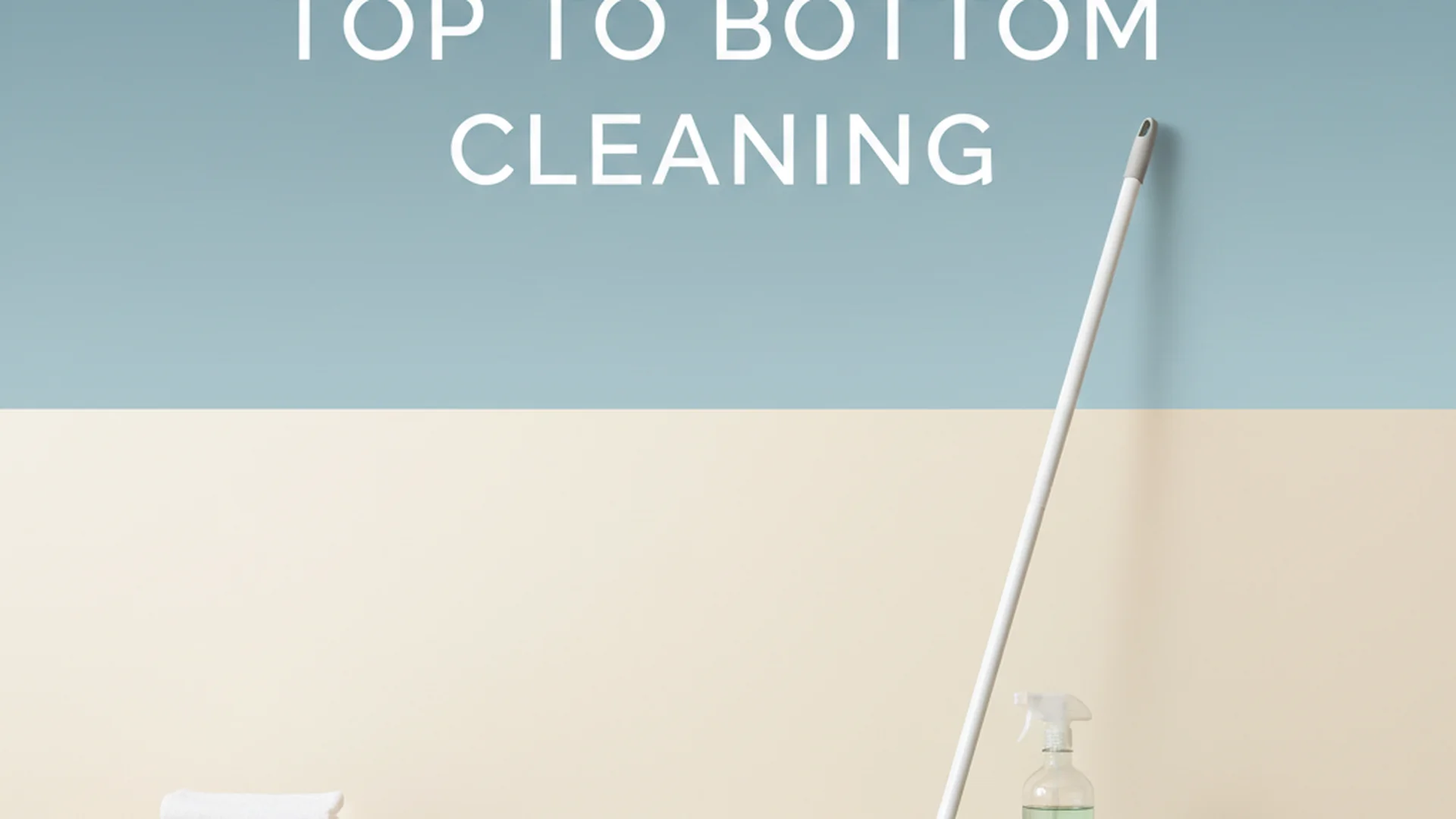
Dust and crumbs fall downward. If you spend the first 5 minutes of your block vacuuming, and the next 10 minutes wiping counters, you will end up with a dirty floor again. Always start with the highest surfaces (shelves, counters) and finish with the floors in the final 5 minutes.
Respect the Dwell Time
A common mistake is spraying a surface and wiping it immediately to "beat the clock." Most disinfectants require 3 to 10 minutes of "dwell time" to actually kill bacteria.
Success: Spray your bathroom surfaces or kitchen counters at the very beginning of your 15-minute block. Do your tidying and trash removal while the cleaner works, then wipe everything down in the final 2 minutes.
Common Mistakes to Avoid
Even with a simple method like this, it is easy to fall into traps that undermine your progress.
1. Treating it Like a Deep Clean
If you spend your 15 minutes scrubbing the grout with a toothbrush or cleaning the inside of your oven, you have missed the point. 15-15-15 cleaning is about visibility and flow. Save the deep-scrubbing for a dedicated monthly session. The goal here is to return the room to its "functional baseline."
2. Ignoring the Hard Stop
When the timer goes off, you must stop. It is tempting to say, "I'll just finish this one thing," but that leads to the very burnout this method is designed to prevent. Respecting the timer builds trust with yourself that cleaning won't "take over" your day.
3. Cleaning "Up" Instead of "Down"
As mentioned previously, never start with the floors. If you sweep first and then wipe crumbs off the table, you've wasted your time. Always work with gravity.
Warning: Do not use your 15-minute cleaning block to declutter or "organize." Decluttering (deciding what to keep or throw away) is a different cognitive process than cleaning (removing dirt and resetting space). Mixing them will slow you down and lead to decision fatigue.
Recent Trends in Domestic Efficiency (2025–2026)
The 15-15-15 method has seen a resurgence on social media under the name "The Daily Reset Trio." On platforms like TikTok and Instagram, users are moving away from "aesthetic" over-organization and toward "functional realistic cleaning."
Another emerging trend is "Green Maintenance Bursts." This involves using one of your 15-minute blocks specifically for sustainable home tasks, such as refilling glass spray bottles from concentrates, sorting the compost, or checking the inventory of reusable cloth wipes. This ensures that a low-waste lifestyle doesn't become a chore in itself.
Frequently Asked Questions
Can I do all 45 minutes at once?
What if my house is too messy for 15 minutes to matter?
Is this method suitable for families with children?
What supplies do I need to keep nearby?
Conclusion
The 15-15-15 cleaning method is more than just a schedule; it is a shift in mindset. It moves us away from the idea that cleaning must be a grueling, all-day event and toward the reality that small, consistent actions lead to significant results. By implementing these three short bursts into your daily routine, you reclaim your weekends and reduce the mental load of home maintenance.
Remember, the goal isn't perfection—it's peace of mind. Start your first 15-minute timer today and see how much your environment (and your stress levels) can change.
Success: By adopting this method, you are joining thousands of others who have successfully moved from "crisis cleaning" to a state of permanent, effortless order.
Cleaning that keeps score
Every task earns points, every streak multiplies them, and Premium adds a household leaderboard plus a monthly Dustagorgon to beat.
- Free forever
- 30 badges to earn
- Up to 6 in a household
No card needed. Set up your rooms in a couple of minutes.