In this article
What you’ll learn
- Zone cleaning prevents burnout by focusing on one area per week.
- A 15-minute daily "micro-burst" is more effective than marathon cleaning.
- Using a structured template reduces decision fatigue and lowers stress hormones.
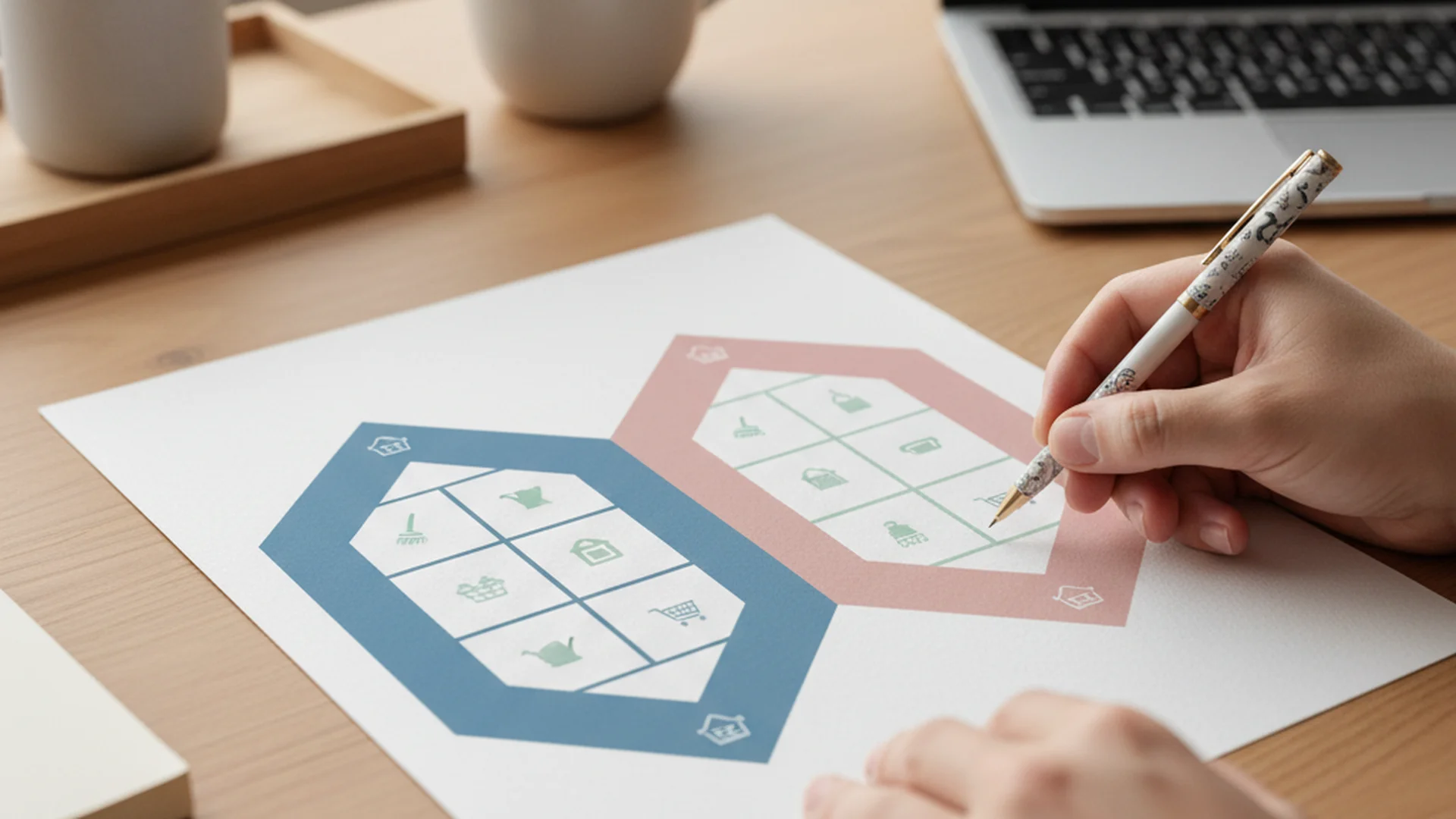
Do you feel like you are constantly cleaning, yet your home never stays tidy? You aren't alone. Traditional "marathon cleaning"—spending your entire Saturday scrubbing floors and dusting baseboards—often leads to a cycle of exhaustion and resentment. The solution lies in a more strategic approach: the zone cleaning template. By breaking your home into manageable sections and rotating your focus, you can achieve a deep-clean finish without the burnout.
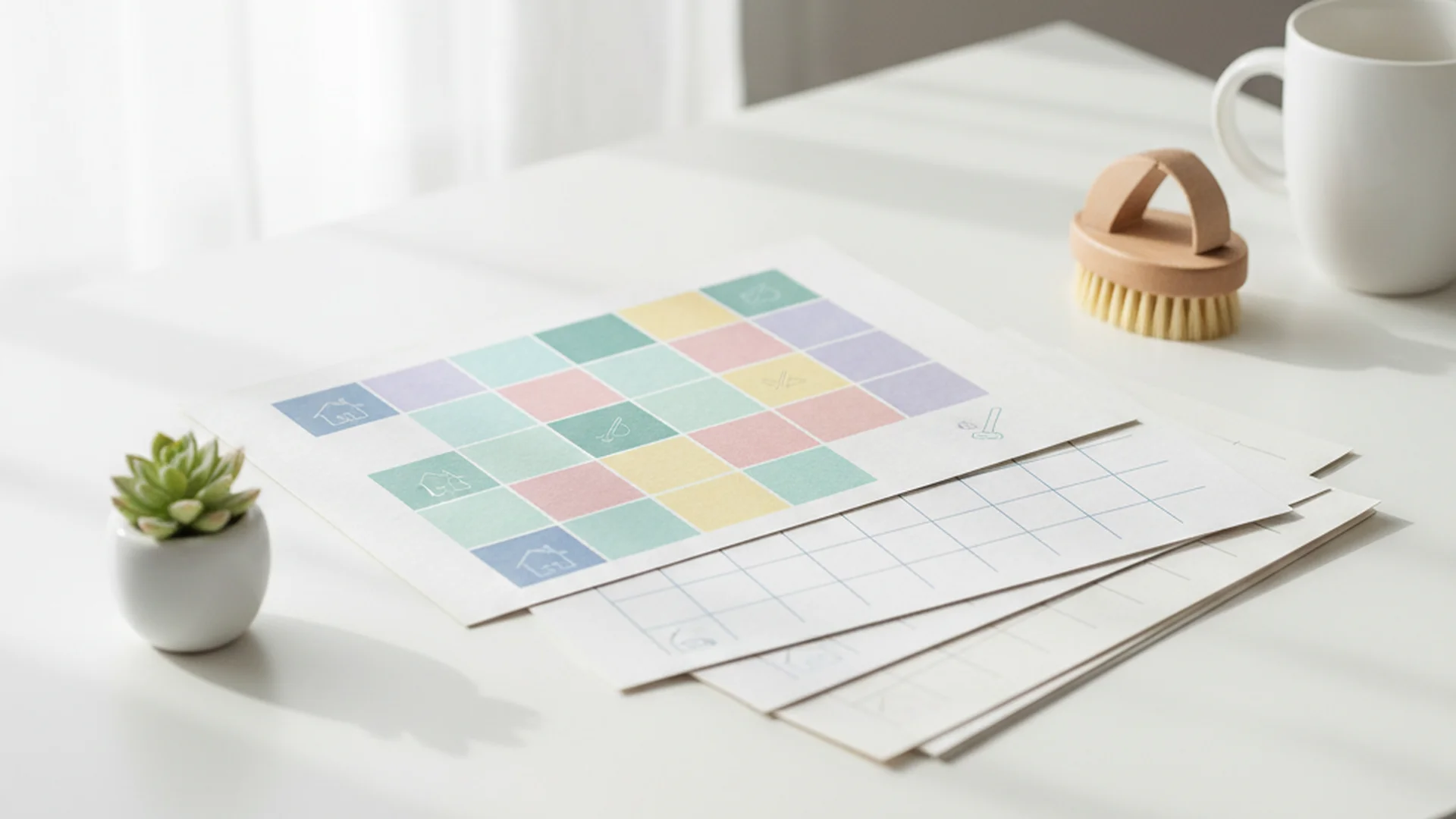
That structure matters enormously for your mental health. Almost everyone who establishes a proper cleaning routine finds it lifts their mood as much as it tidies their home. By using a zone cleaning template printable, you move away from the chaos of "cleaning everything at once" and toward a sustainable, high-efficiency system that works for your lifestyle.
The Science Behind Zone Cleaning
The Zone Cleaning Method, popularized by Marla Cilley (the "FlyLady"), isn't just about a clean house; it's about biology. Cluttered and disorganised living spaces are directly linked to higher levels of cortisol, our primary stress hormone. People living in cluttered homes tend to show the "flat" cortisol pattern that is a hallmark of chronic stress.
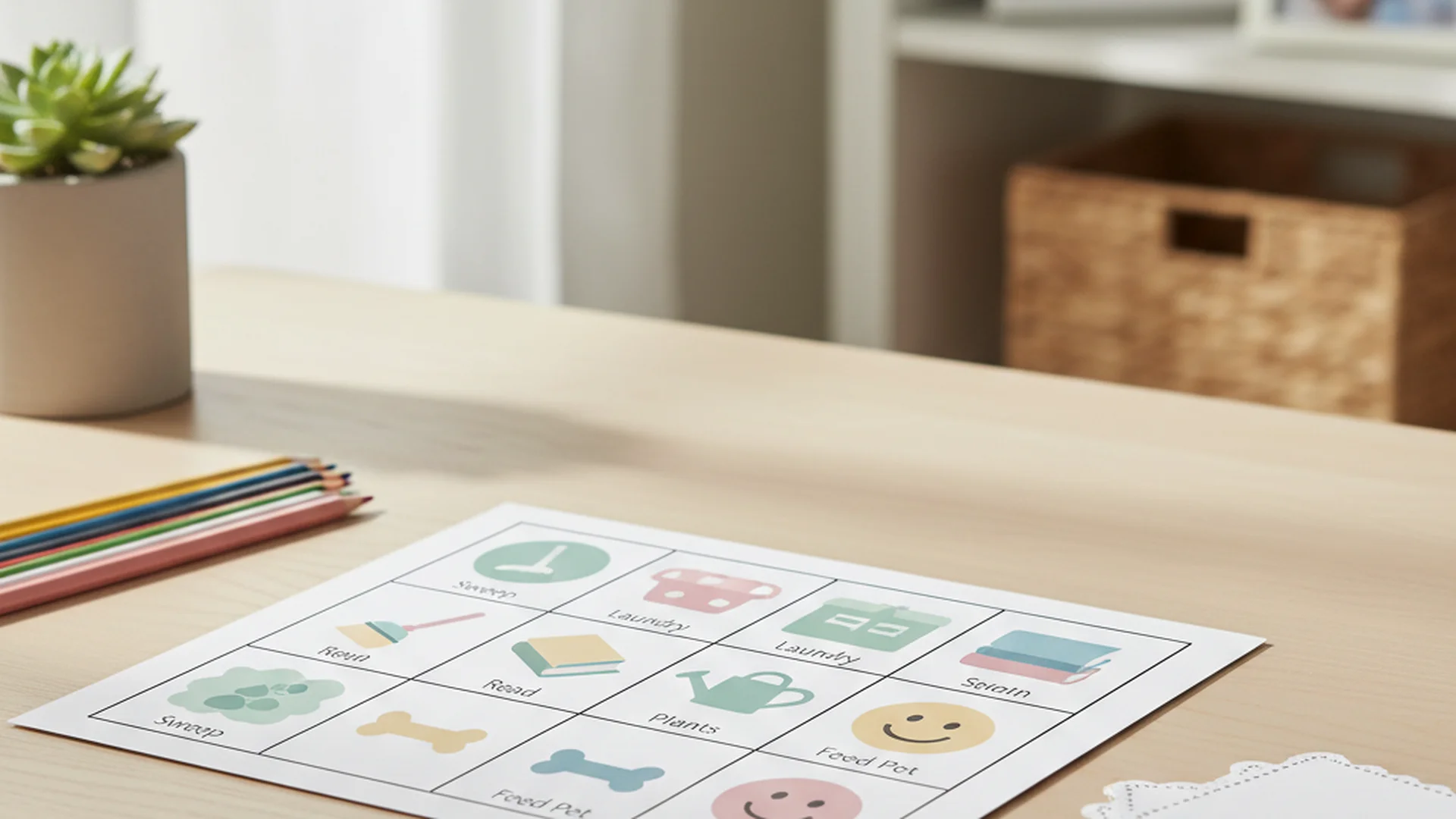
When you use a free zone cleaning template, you are essentially performing "decision fatigue" surgery. Instead of looking at a messy house and wondering where to start, the template tells you exactly where your focus lies this week. This "micro-burst" approach—typically 15 minutes of focused work—prevents perfectionism from paralyzing your progress.
Success: Most people feel more productive and noticeably less stressed once they implement a structured zone system.
Setting Up Your Zones for 2025 and 2026
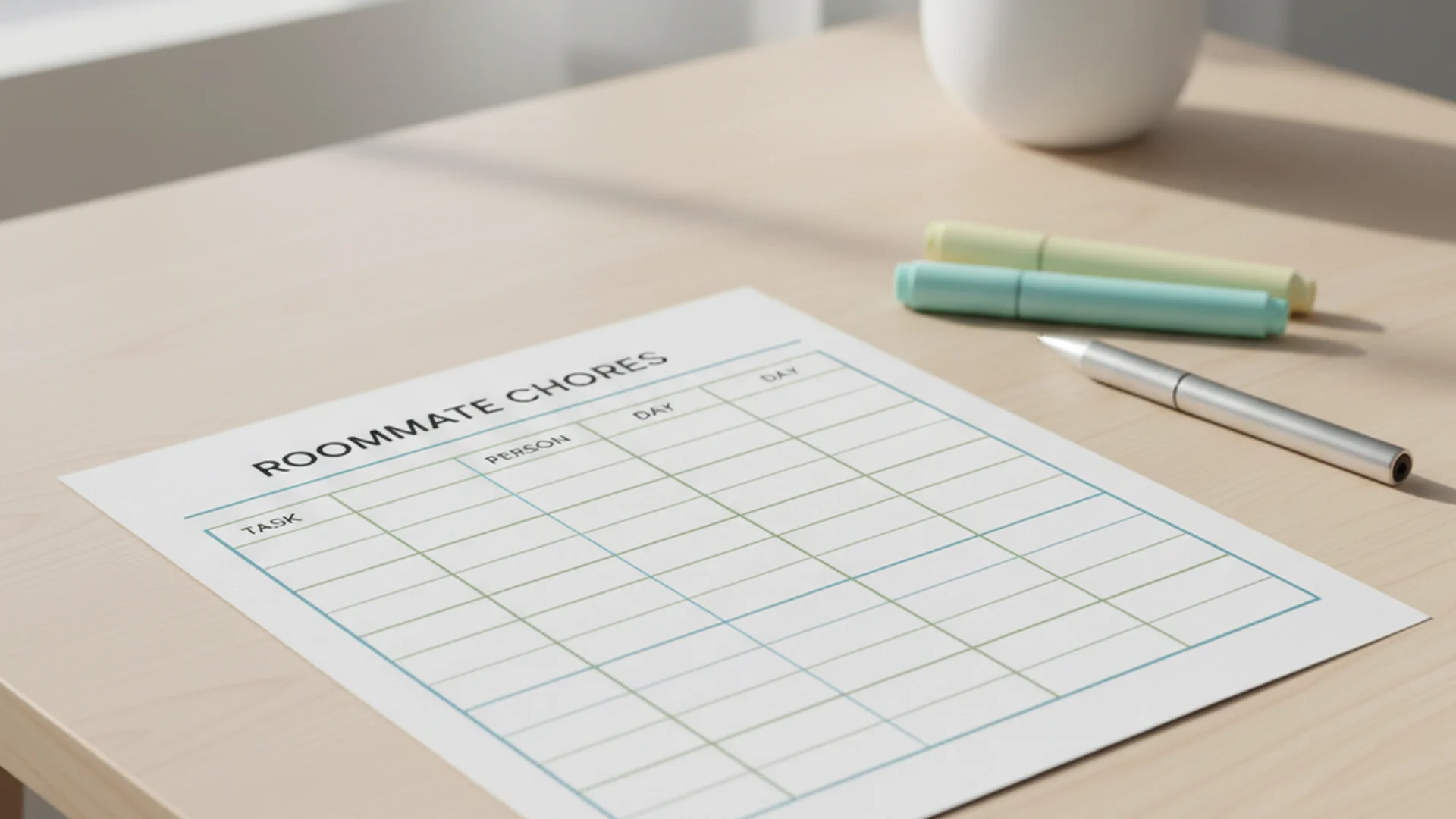
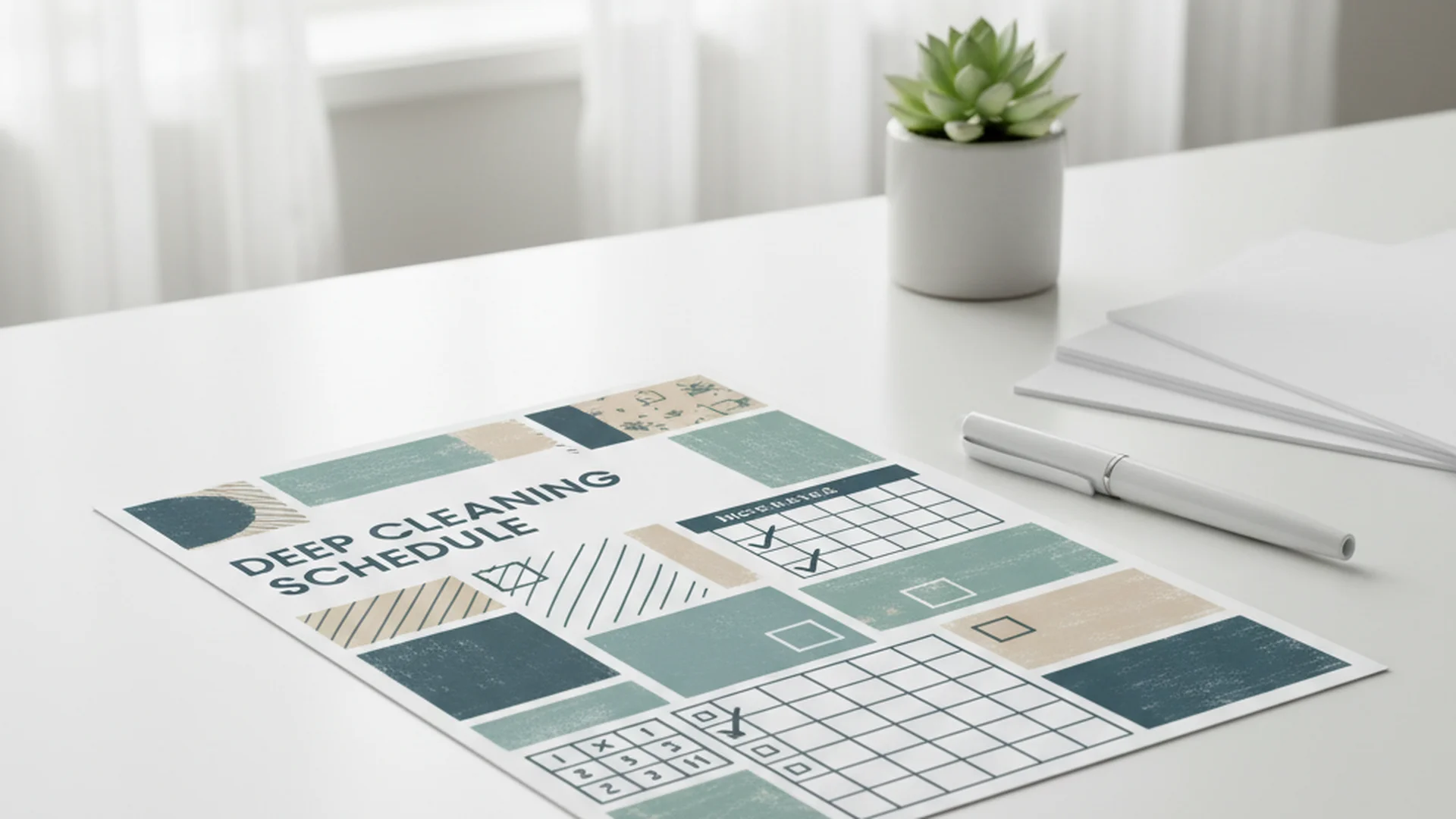
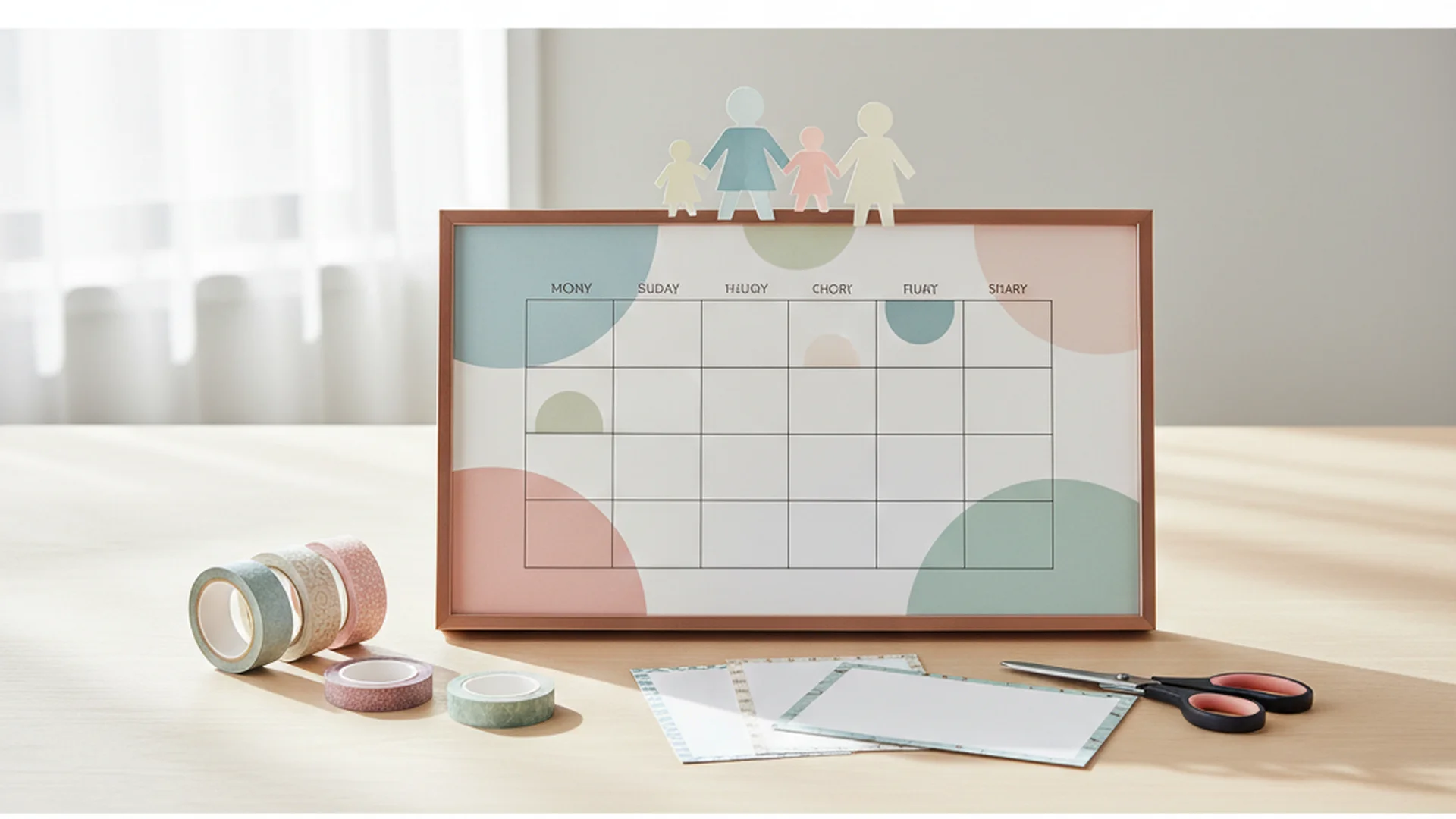
To make this system work, you must first divide your home into 4 or 5 distinct zones. Each zone receives your "deep cleaning" attention for one full week before you rotate to the next.
| Zone | Primary Area | Key Deep-Cleaning Tasks |
|---|---|---|
| Zone 1 | Entrance & Dining | Dust light fixtures, wipe baseboards, polish table |
| Zone 2 | The Kitchen | Clean oven interior, wipe cabinet fronts, scrub vent hood |
| Zone 3 | Main Bath & Guest Room | Wash shower curtains, organize linen closet, dust fans |
| Zone 4 | Master Bedroom & Bath | Flip mattress, clean under bed, scrub grout |
| Zone 5 | Living Room | Vacuum behind sofa, dust electronics, clean windows |
How to Use a Zone Cleaning Template Effectively
A template is only as good as its implementation. For those working full-time or managing busy households, the "15-minute rule" is your best friend. Instead of trying to complete the entire zone list in one afternoon, set a timer.
For example, Sarah, a marketing executive and mother of two, found that her "marathon" cleaning sessions left her too tired to enjoy her weekends. By switching to a zone cleaning template, she committed to just 15 minutes after work, three days a week. During Zone 2 (Kitchen week), she might spend Tuesday cleaning the microwave and Friday wiping down the fridge exterior. By the end of the month, the "heavy lifting" was done without a single "cleaning day" ruining her Saturday.
Tip: Keep a specific cleaning kit in the zone where it's used. Stashing a bathroom-specific kit under the sink removes the "barrier to entry" when your timer starts.
Advanced Trends: AI and Sustainability
As we move into 2026, the way we use a zone cleaning template printable is evolving.
- AI Customization: Many homeowners are now using AI tools to generate custom checklists based on their specific square footage. You can input your floor plan and the number of residents into a tool to get a tailored list of tasks.
- Micro-Zoning for Visual Noise: A major trend for 2026 is the focus on "visual noise." This involves micro-zones—like the "junk drawer" or the chair where clothes pile up—as specific subsets of your weekly zone.
- Low-Tox Routines: Modern templates are increasingly "green." Instead of harsh chemicals, 2025 trends emphasize the use of refillable glass bottles and DIY solutions like vinegar and baking soda to protect indoor air quality.
Note: A house isn't truly clean if the air quality is poor. Ensure your template includes "hidden zones" like HVAC filters and air vents.
Common Mistakes to Avoid
Even with a great free zone cleaning template, it's easy to fall into old habits. Avoid these common pitfalls:
- The Marathon Mistake: Do not try to finish an entire zone in one day. The goal is consistent, small progress. If you do too much, you’ll burn out and skip next week.
- Cleaning a Messy Room: Zone cleaning is for maintenance and deep cleaning, not for tidying up daily messes. If a room is in total chaos, perform a "reset" or decluttering session before starting your zone rotation.
- Over-complicating the List: Don't put 50 items on your checklist. Stick to 5–10 high-impact tasks (like wiping baseboards or cleaning light fixtures) that usually get ignored.
- Ignoring Top-to-Bottom Rules: Always clean from the ceiling down. If you dust the ceiling fan after mopping the floor, you'll just have to mop again.
Warning: Never mix bleach with ammonia-based cleaners, even when trying to "deep clean" a difficult zone.
Frequently Asked Questions
How do I divide my house into zones?
What is the difference between "Tidying" and "Zone Cleaning"?
Does it work for full-time workers?
What if I miss a week?
How often should I declutter?
Conclusion: Progress Over Perfection
The secret to a clean home isn't a better vacuum or more expensive chemicals; it's a sustainable system. By using a zone cleaning template, you stop fighting against the tide of household chores and start riding the wave of structured maintenance. Remember, the goal is not a perfect home—it's a home that supports your mental health and gives you back your free time.
Success: Following a zone-based rotation ensures that every inch of your home gets deep-cleaned at least once a month, keeping your living space healthy and stress-free.
Cleaning that keeps score
Every task earns points, every streak multiplies them, and Premium adds a household leaderboard plus a monthly Dustagorgon to beat.
- Free forever
- 30 badges to earn
- Up to 6 in a household
No card needed. Set up your rooms in a couple of minutes.