In this article
What you’ll learn
- Cleanliness is now defined by hygiene and health rather than just aesthetics.
- Tidy means organized, while clean means free of bacteria, dust, and allergens.
- Modern tools like AI-driven vacuums and probiotic cleaners are the new standard.
In years past, the answer to what is clean house was simple: if you couldn’t see any dust on the coffee table and the pillows were chopped, you were good to go. However, as we move through 2025 and look toward 2026, the definition has undergone a massive transformation. Today, a truly clean house is defined by its hygiene and health impact rather than just its visual appeal.
The what is clean house answer involves a combination of air quality, surface sanitization, and organizational systems that support a stress-free lifestyle.
The Evolution of Clean: Hygiene vs. Aesthetics
The biggest hurdle for many homeowners is distinguishing between a home that looks nice and one that is actually sanitary. You can have a "tidy" house that is full of bacteria, or a "clean" house that has a bit of lived-in clutter.
Understanding the Difference
- A Tidy House: Objects are returned to their designated places, surfaces are clear of mail and keys, and the beds are made. This is about visual order.
- A Clean House: This is about removing the "invisible" enemies—dust mites, pet dander, bacteria, and viruses. A clean house means the high-touch surfaces are disinfected and the air is filtered.
Note: A house can be messy but clean, or tidy but dirty. For a healthy living environment, you should aim for a balance of both, prioritizing hygiene first.
Modern Benchmarks for a Clean Home
To understand what is considered a clean house in 2025, we look at the frequency and quality of maintenance. Modern households are moving away from "marathon cleaning" on weekends and toward consistent, automated routines.
| Task | Modern Frequency (2025 Standard) | Tool Recommendation |
|---|---|---|
| Kitchen Counters | Daily (After every meal) | Microfiber + All-purpose cleaner |
| Floor Maintenance | 3–5 times per week | Robot Vacuum with HEPA filter |
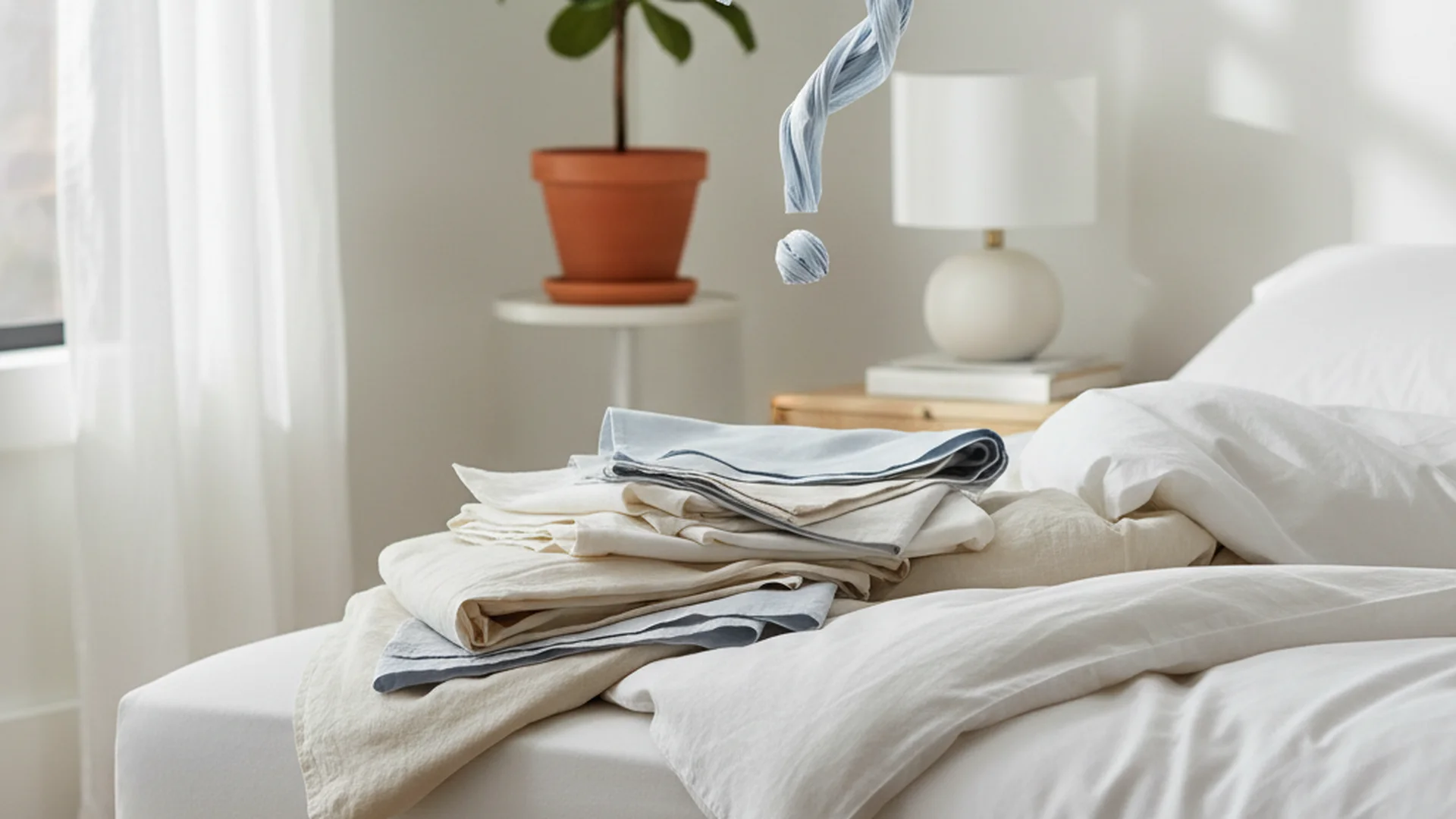
| Bed Sheets | Once per week | High-heat wash (60°C+) |
| Bathroom Disinfection | Twice per week | EPA-registered disinfectant |
| Deep Window Cleaning | Quarterly | Squeegee or Steam cleaner |
The "Top-to-Bottom" Rule
One of the most effective ways to ensure a house is truly clean is following the top-to-bottom rule. Dust follows gravity. If you vacuum your floors and then dust your ceiling fan, you have effectively wasted your time. Start at the highest point in a room and work your way down, ending with a thorough vacuum and mop.
Tip: Always dust your crown molding, light fixtures, and the tops of bookshelves before you even touch your vacuum cleaner.
Real-World Examples of Clean House Systems
To better understand how these standards apply to daily life, let's look at three common scenarios in a modern home.
Example 1: The "Closing Shift" Routine
Imagine a professional kitchen at the end of a night. The chefs don't just leave; they reset the space for the next day. In a clean house, the "closing shift" involves a 15-minute reset before bed: loading the dishwasher, wiping the primary kitchen surfaces, and clearing "hot spots" (places where clutter naturally accumulates, like the entryway table).
Example 2: The Allergy-Safe Bedroom
A clean bedroom in 2025 isn't just about a made bed. It includes washing sheets weekly to remove the skin cells that dust mites feed on and using a vacuum with a HEPA filter to ensure allergens aren't just being blown back into the air.
Example 3: The High-Touch Disinfection
A clean house focuses on what you touch the most. Think of your TV remote, doorknobs, and light switches. A home that looks spotless but hasn't had its doorknobs wiped in a month is not considered "clean" by modern hygiene standards.
Warning: Never mix cleaning chemicals, such as bleach and ammonia or bleach and vinegar. This can create toxic gases that are extremely dangerous in enclosed spaces.
Trends Shaping Cleanliness in 2025–2026
We are entering an era of "smart" and "biological" cleaning. The definition of a clean house is expanding to include the health of the home's microbiome.
Probiotic Cleaning
A major trend for 2026 is the use of bio-based cleaners. These contain "good bacteria" that stay on your surfaces, eating away at microscopic grime and pathogens for up to 72 hours after you finish wiping. This moves us away from harsh chemicals and toward a more sustainable, long-term clean.
AI and Automation
With robot vacuums already humming away in a great many homes, the next step is AI-driven maintenance. Smart appliances in 2026 will be able to detect the level of soil on your floors or the amount of bacteria on your laundry, automatically adjusting the intensity of the clean. This ensures you aren't using more water or detergent than necessary.
Whole-Home Water Filtration
Cleanliness now extends to the water coming out of your taps. To prevent hard water buildup and "soap scum" before it even starts, many homeowners are installing whole-home filtration systems. This keeps glass shower doors and chrome fixtures looking new without the need for harsh descalers.
Success: Utilizing automated tools like robot mops and AI-scheduled cleaning takes a serious chunk out of your manual labor, leaving you more time for family and hobbies.
Common Mistakes to Avoid
Even with the best intentions, many people make mistakes that actually prevent their house from being truly clean.
- Cleaning with Dirty Tools: Using a gray, dirty mop or an unwashed sponge simply spreads bacteria around. Microfiber cloths should be laundered after every single use to remain effective.
- Spraying Surfaces Directly: This is a common error. Spraying cleaner directly onto a wood table or electronic screen can cause product buildup and damage the finish. Instead, spray the cloth first, then wipe.
- Using Too Much Product: Many believe that "more soap equals more clean." In reality, excess detergent leaves a sticky residue that attracts more dirt, making your floors and counters get dirty faster than they would otherwise.
- Rubbing Stains Instead of Blotting: When a spill happens on a carpet, your instinct is to rub. This pushes the liquid deeper into the fibers. Always blot with a clean, white cloth.
- Disinfecting Before Cleaning: Disinfectants cannot reach bacteria if they are hidden under a layer of dust or grease. You must wipe the surface clean with a detergent before applying a disinfectant.
Frequently Asked Questions
What is the difference between a tidy house and a clean house?
Should I dust or vacuum first?
Is vinegar a sufficient disinfectant?
How often should I wash my towels and sheets?
What is the 20/10 method of cleaning?
Conclusion
So, what is clean house in the modern world? It is a home that balances organization with deep, health-conscious hygiene. It is a space where the air is filtered, high-touch surfaces are sanitized, and routines are supported by smart technology and sustainable products. By shifting your focus from "looking neat" to "being healthy," you create an environment that truly supports your well-being.
Success: A clean home leaves most people less stressed and sleeping better. Starting a small daily routine today can lead to significant long-term health benefits.
Cleaning that keeps score
Every task earns points, every streak multiplies them, and Premium adds a household leaderboard plus a monthly Dustagorgon to beat.
- Free forever
- 30 badges to earn
- Up to 6 in a household
No card needed. Set up your rooms in a couple of minutes.