In this article
What you’ll learn
- Chores build the work ethic that serves children well into adulthood.
- Using the "I Do, We Do, You Do" method reduces resistance and builds competence.
- Shifting language from "helping" to "family contribution" fosters belonging.
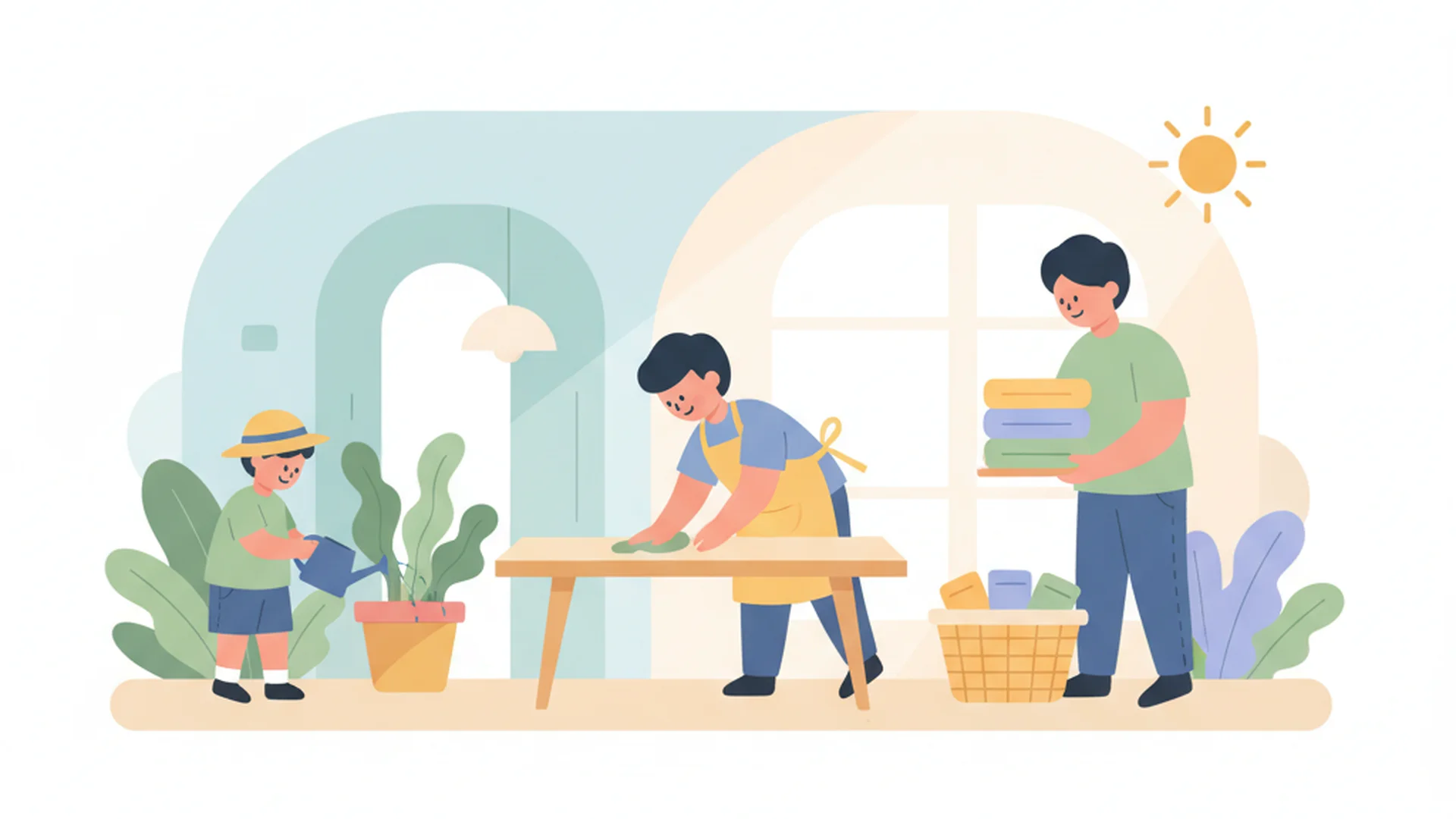
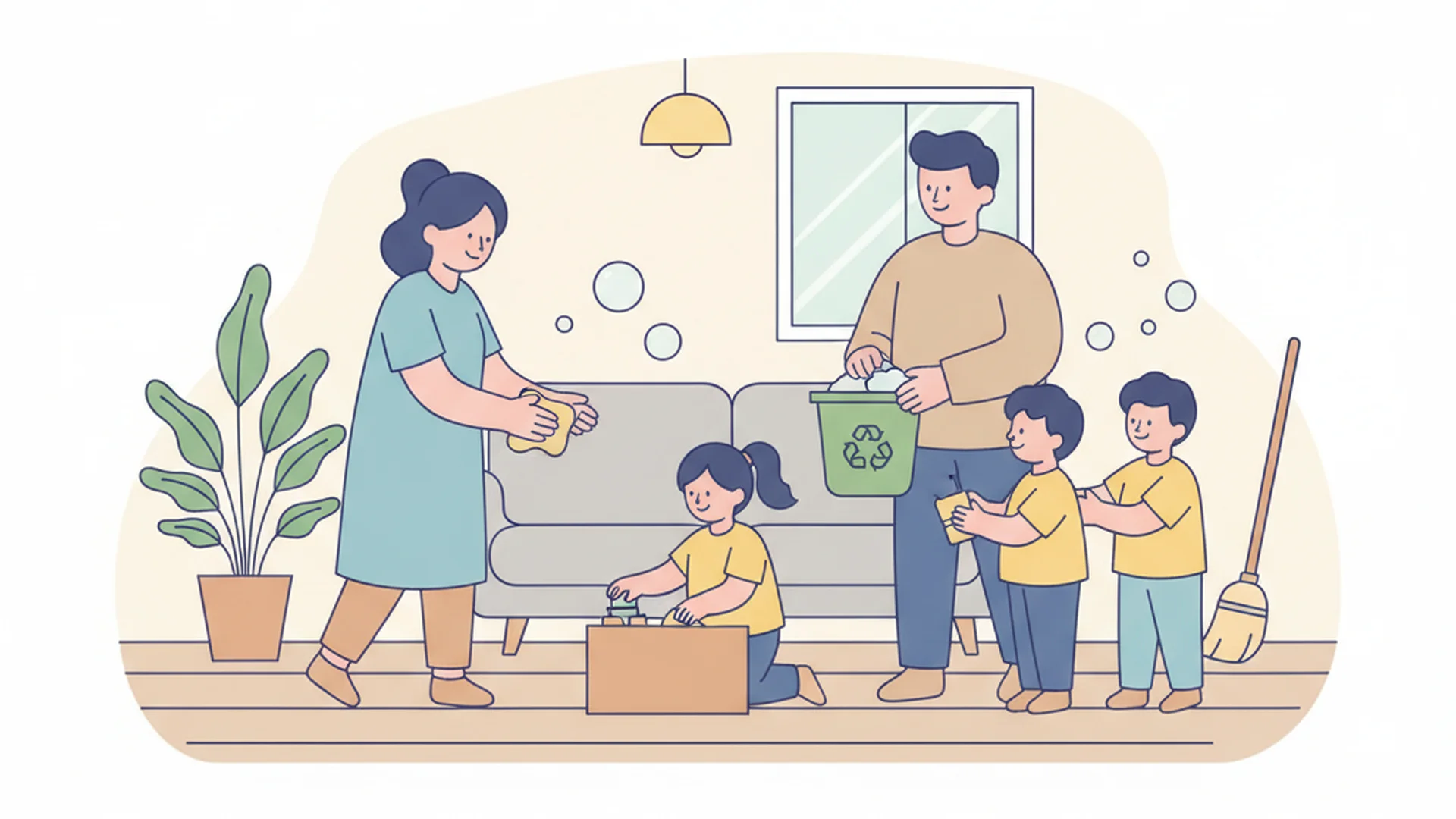
The transition from a hectic school week to the weekend often feels like a collision of schedules. Between sports practices and birthday parties, the house inevitably descends into a state of "lived-in" chaos. While many parents feel the urge to tackle the cleaning solo to save time, implementing a structured routine for weekend chores for kids is actually one of the most significant investments you can make in their future. It isn't just about a clean living room; it’s about preparing them for the realities of adulthood.
The Science of Success: Why Chores Matter
For decades, parents have debated whether chores are a necessary part of childhood or an outdated burden. The case for them is a simple one: a happy, capable adult life rests on two pillars, close relationships and a strong work ethic—and the habit of pitching in around the house is where that work ethic usually starts.
By participating in weekend chores for kids, children learn that they are part of a community—the family—that requires collective effort to function. These tasks tend to boost self-esteem and teach kids how to manage frustration. Despite these benefits, a "chore gap" has emerged: plenty of parents who grew up doing chores themselves never got round to asking the same of their own children. Reclaiming the weekend for household maintenance isn't just about tidying; it’s about closing that gap and building a "can-do" mindset.
The Saturday Morning Ritual: Setting the Strategy
Success with weekend chores begins with a system, not a shout. If you find yourself nagging every Saturday morning, the problem likely isn't the child, but the lack of a predictable ritual.
The "Work Before Play" Rule
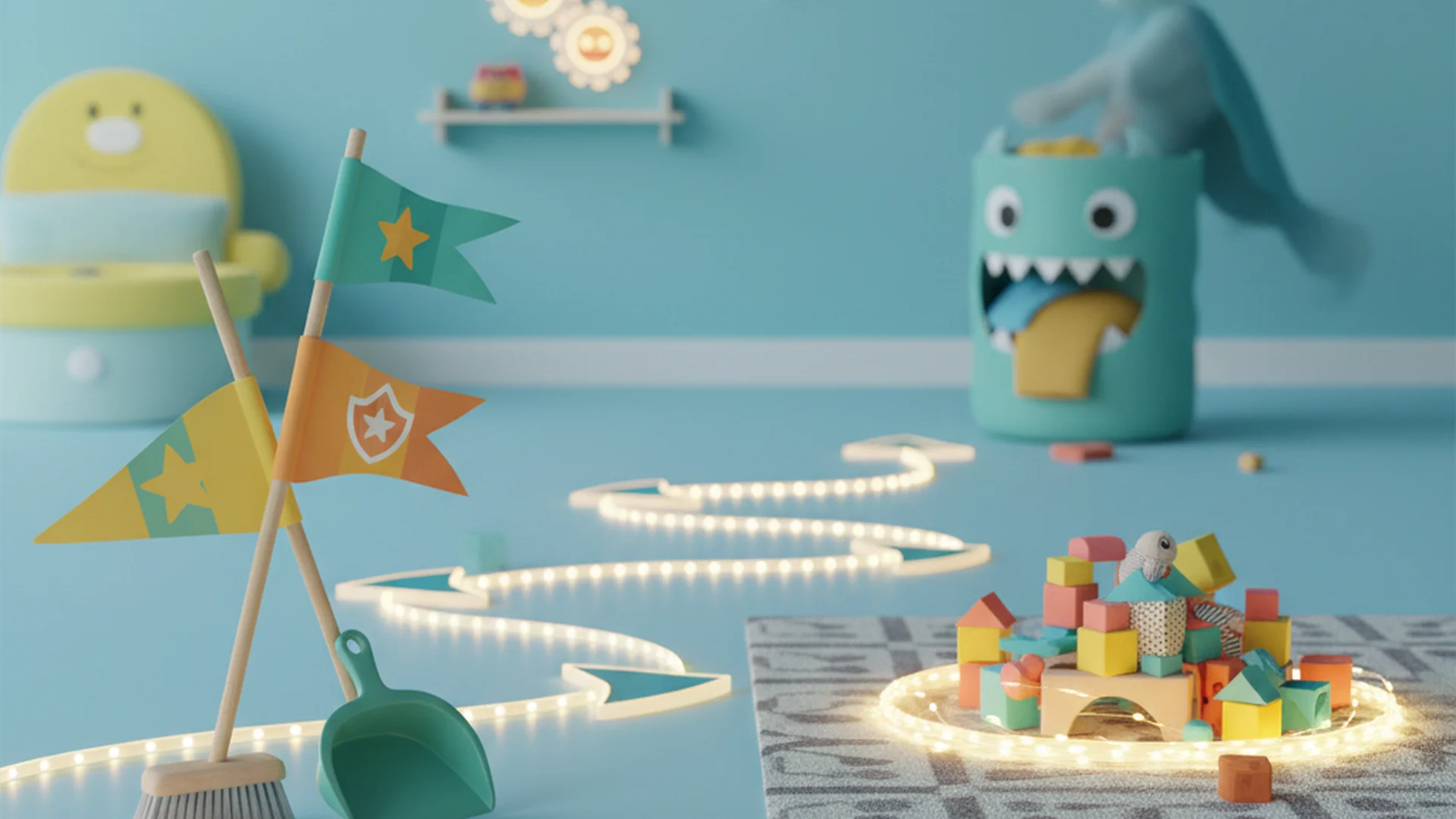
One of the most effective strategies is the "Work Before Play" principle. In this model, the weekend officially begins only after the "Home Reset" is complete. No screens, no playdates, and no outings until the checklist is cleared. This creates a natural incentive for children to focus and work efficiently.
Focus on "Contribution," Not "Help"
Language plays a vital role in how children perceive their tasks. When we ask kids to "help Mom" or "help Dad," we inadvertently frame the chore as someone else’s responsibility that they are doing as a favor. Instead, use the term "family contributions." This shift in phrasing reinforces the idea that the home belongs to everyone, and therefore, everyone is responsible for its upkeep.
The "I Do, We Do, You Do" Method
To ensure your kids actually know how to perform their weekend chores kids ideas, follow this three-step pedagogical approach:
- I Do: You perform the chore while the child watches. Explain why you use a specific cleaner or why you fold towels a certain way.
- We Do: You and the child perform the task together. This is the stage where you provide immediate feedback and encouragement.
- You Do: The child performs the task solo while you supervise, eventually transitioning to total independence.
Tip: Avoid the "Perfectionism Trap." If your child makes the bed and it’s a bit lumpy, leave it. Re-doing their work communicates that their best isn't good enough, which kills motivation.
The Ultimate Weekend Chores Kids List (By Age)
To keep expectations realistic, chores must be age-appropriate. Below is a breakdown of tasks that balance challenge with capability.
| Age Group | Focus Area | Recommended Weekend Chores |
|---|---|---|
| 3–5 Years | Coordination | Matching socks, putting toys in bins, wiping baseboards |
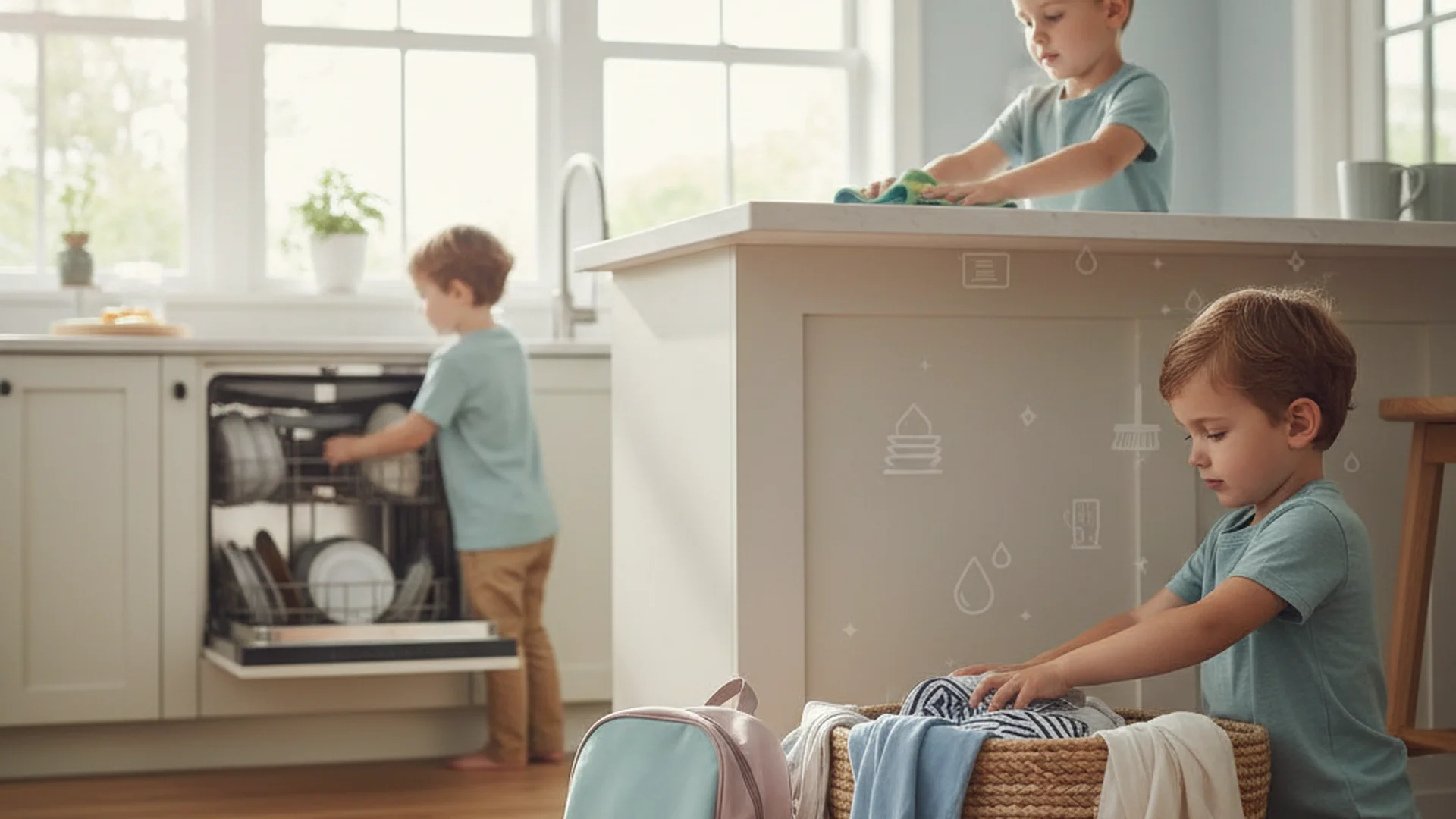
| 6–9 Years | Reliability | Emptying the dishwasher, sweeping floors, sorting laundry |
| 10–13 Years | Management | Loading the washing machine, vacuuming, cleaning mirrors |
| 14+ Years | Independence | Mowing the lawn, meal prep, washing the car |
Ages 3–5: The "Helpers"
Toddlers have a natural "helper" instinct. Harnessing this early is crucial.
- Example: Create a "Socks Matching Race" on Saturday mornings. Dump the clean laundry on the bed and have them find pairs. It builds cognitive skills and makes them feel like a hero of the household.
Ages 6–9: The "Doers"
At this age, kids can handle tasks that require multiple steps.
- Example: Assign the "Kitchen Floor Lead" role. Their job is to sweep after Saturday breakfast and ensure the recycling is taken out.
Ages 10–13: The "Managers"
Middle schoolers are ready for "invisible" chores—tasks that require noticing a need.
- Example: Instead of just telling them to "clean the bathroom," give them the responsibility of the "Sunday Bathroom Reset," which includes checking if toilet paper needs restocking and wiping down the counters.
Ages 14+: The "Independent Adults"
Teens should be performing tasks that mirror adult responsibilities.
- Example: The "Family Meal Manager." One weekend day, the teen is responsible for planning, prepping, and cooking one meal for the family. This teaches them nutrition, budgeting, and timing.
Warning: Never use chores as a punishment. If "cleaning the garage" is the penalty for a bad grade, the child will grow up associating hard work with shame and failure rather than pride.
2025-2026 Trends: Modernizing the Chore Routine
As we move into 2025 and 2026, the way families handle weekend chores for kids is evolving to match our tech-driven and eco-conscious world.
The "Slow Weekend" Movement
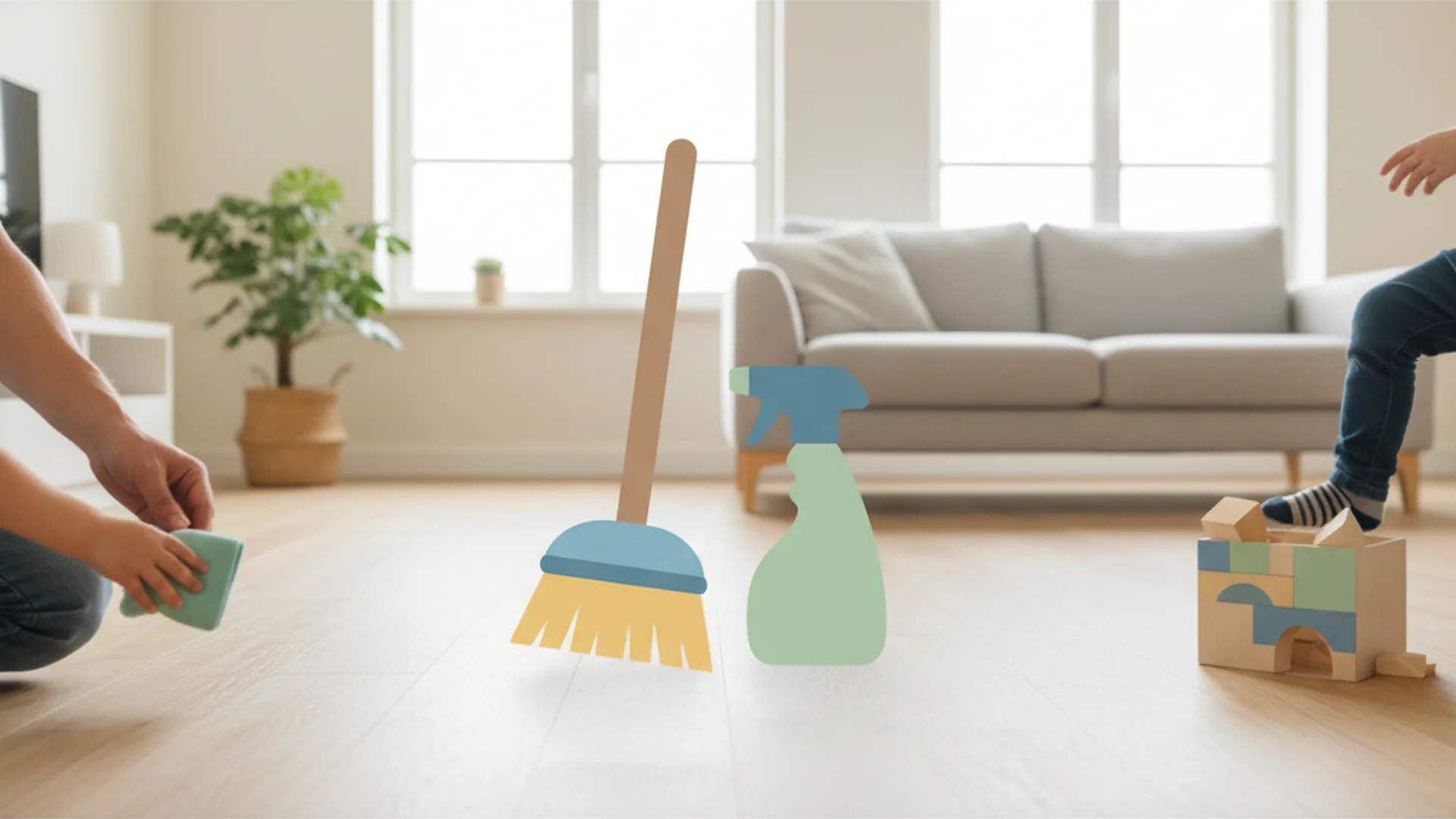
Many families are moving away from over-scheduling. The "Slow Weekend" movement encourages reclaiming Saturday mornings for a "Home Reset." This is a dedicated 60-to-90-minute block where the whole family works in tandem. It turns chores into a shared experience rather than a series of isolated tasks.
Gamification and AI
In 2026, AI-driven chore apps have become the norm. Apps like Greenlight or Ohmconnect now feature "Smart Tasks." These apps can "audit" a chore by having the child upload a photo of the finished work, which the AI analyzes for completion. This gives kids a sense of digital autonomy and reduces the "nagging" factor for parents.
Eco-Chores and Sustainability
With a rising focus on the environment, "Sustainability Chores" are a major trend.
- Sorting the Composting: Teaching kids which scraps go to the garden.
- Soft-Plastic Recycling: Managing the collection and drop-off of plastics that can't go in the bin.
- Victory Gardens: Tending to family vegetable patches as a weekend outdoor chore.
Note: Kids are often more motivated by "Eco-Chores" because they feel they are contributing to a global cause, not just a clean floor.
Common Mistakes to Avoid
Even with the best intentions, parents often fall into traps that make weekend chores more difficult than they need to be.
- Delaying the Start: Many parents wait until their kids are 8 or 9. By then, the "helper" window has closed, and chores feel like an imposition. Start at age 2 or 3.
- Inconsistency: If you enforce chores one weekend but skip the next three because you're "busy," the routine never sticks. Consistency is the parent’s primary job in this equation.
- The "Faster if I Do It" Logic: It is always faster to do it yourself in the short term. However, doing it yourself creates "learned helplessness." Think of the extra 10 minutes it takes to teach them as an investment in your future free time.
- Paying for Basics: A hybrid approach works best here. Basic daily/weekly chores (cleaning your room, clearing your plate) should be unpaid—they are the "price of admission" to living in a home. "Extra" chores (washing the car, pulling weeds) can be tied to an allowance.
Success: A child who completes their weekend chores without being asked has achieved "Executive Function," a key skill for college and career success.
Frequently Asked Questions
Should I pay my kids for chores?
How long should weekend chores take?
What if my child refuses to do their chores?
Is it okay to use a chore chart?
Conclusion: Shifting the Mindset
At the end of the day, weekend chores for kids are about more than just a tidy house. They are about the "Saturday Reset"—a time when the family comes together to care for the environment they share. When we teach our children to notice a full trash can, to fold a load of laundry, or to prep a meal, we are teaching them that they are capable, reliable, and necessary.
By moving away from a mindset of "getting the work done" and toward a mindset of "building a life," you transform the weekend from a series of battles into a series of lessons. Start small this Saturday, stay consistent, and watch as your children develop the "can-do" spirit that will serve them for the rest of their lives.
Cleaning that keeps score
Every task earns points, every streak multiplies them, and Premium adds a household leaderboard plus a monthly Dustagorgon to beat.
- Free forever
- 30 badges to earn
- Up to 6 in a household
No card needed. Set up your rooms in a couple of minutes.