In this article
What you’ll learn
- Starting chores at age 3-4 builds responsibility that lasts into adulthood.
- Use visual icons rather than text to cater to toddler brain processing.
- Focus on habit formation and contribution rather than perfect execution.
Many parents wonder when the "right" time is to start teaching responsibility. The "Golden Age" for introducing household contributions is much earlier than you might think. By using a structured toddler chore chart template, you can tap into your child's natural desire to mimic adults and be a "big helper." Starting this journey between ages 2 and 4 doesn't just help keep the playroom clean; it builds the foundation for executive functioning skills that last a lifetime.
In this guide, we will explore how to implement a toddler chore chart template printable in your home, why early responsibility matters, and the latest 2025 trends in modern parenting organization.
Why the "Big Helper" Instinct Works
Why is a chore chart so effective for a three-year-old? Children who begin contributing at home as early as age 3 or 4 tend to carry that sense of capability with them, professionally and personally, long into adulthood.
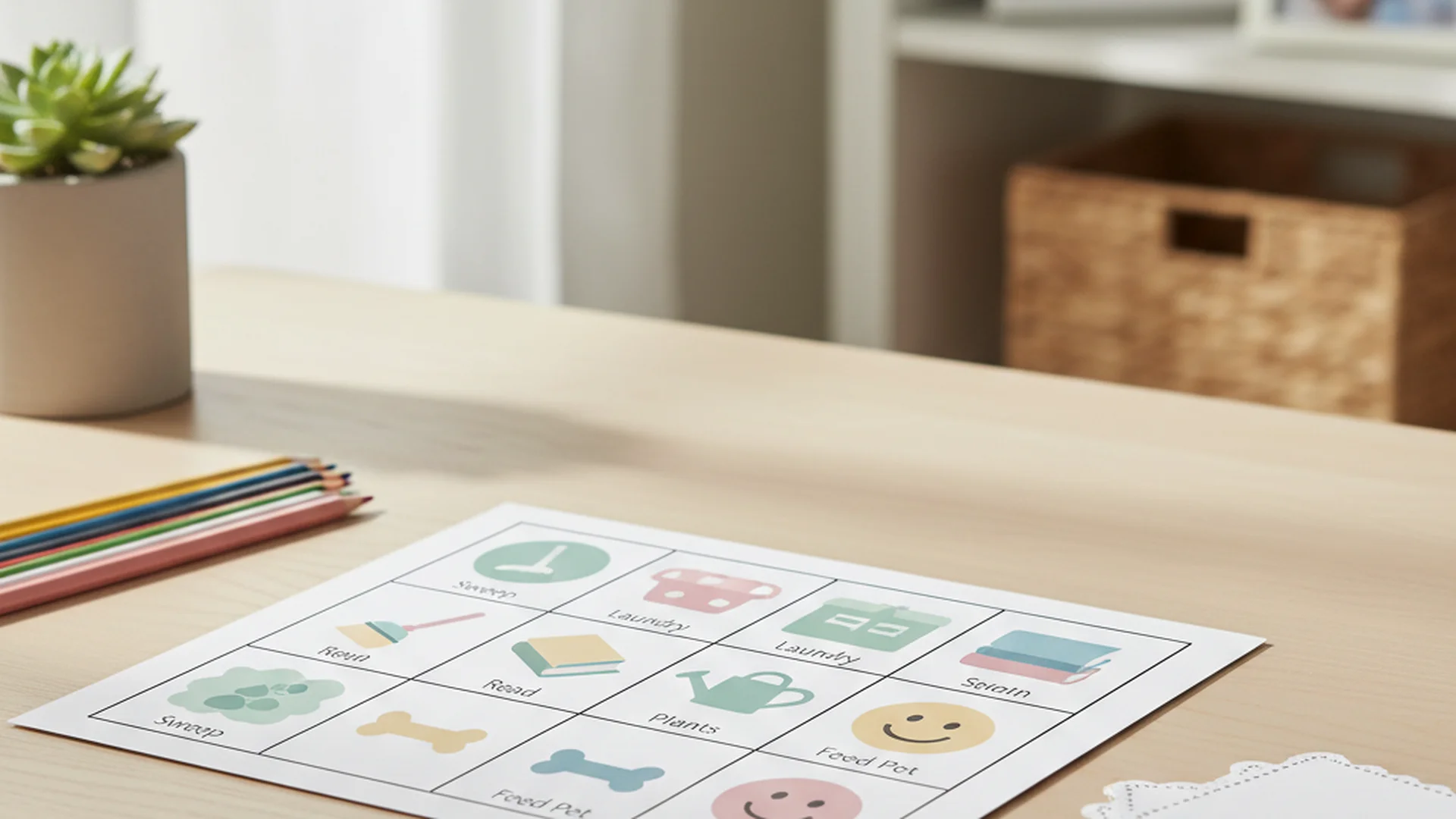
When a toddler uses a free toddler chore chart template, they aren't just "working." They are developing executive functioning skills: these tasks help children learn planning, organization, and the ability to follow multi-step instructions. Toddlers also take in visual information far more readily than text, which is why the most successful charts use icons or photos rather than lists of words.
Success: Children who take on chores early in life often grow up with a stronger sense of self-competence and closer relationships with family and friends.
The Anatomy of a Perfect Toddler Chore Chart Template
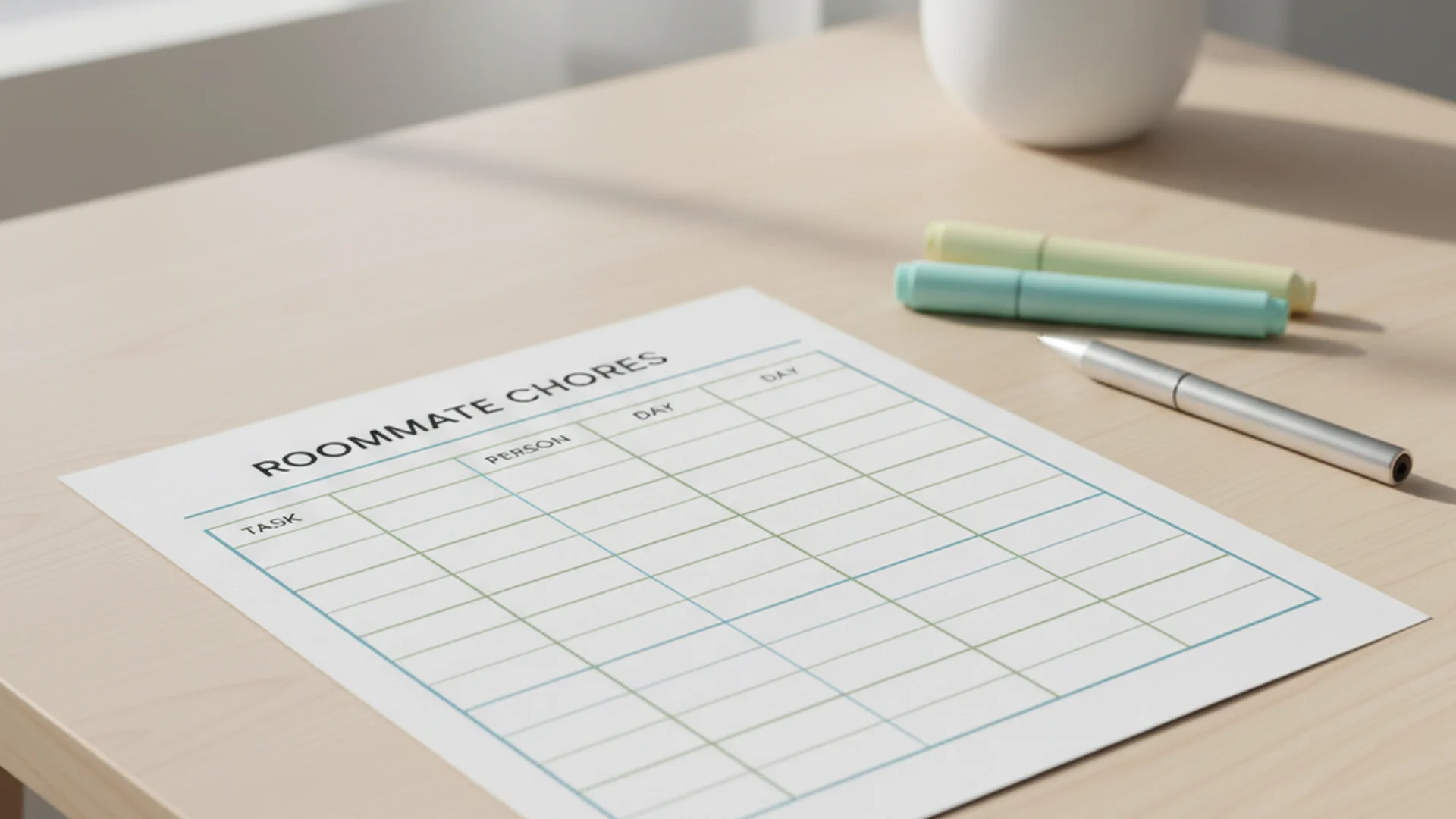
Not all charts are created equal. A toddler's brain requires simplicity and tactile feedback. When looking for a toddler chore chart template, ensure it includes these four essential elements:
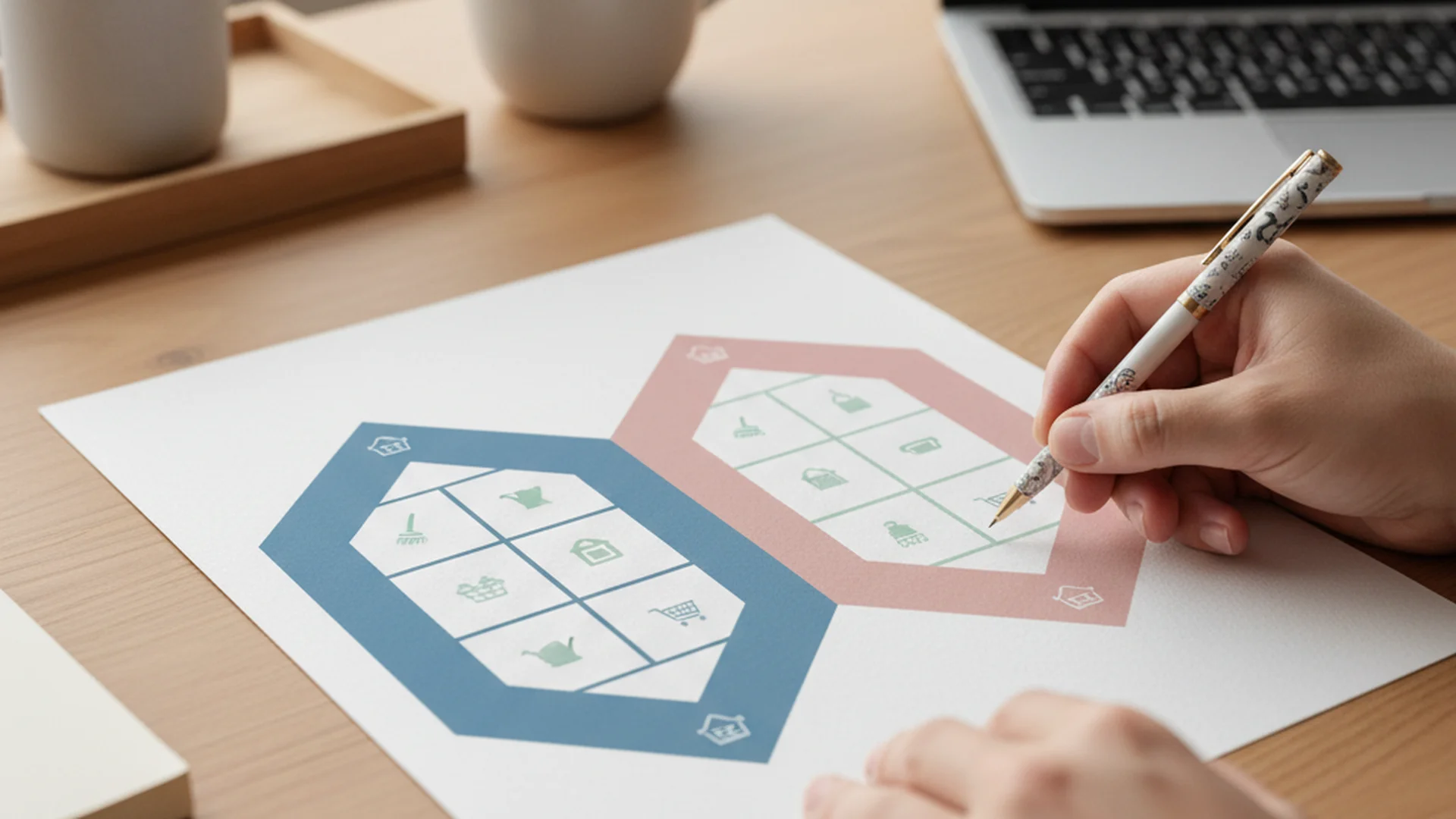
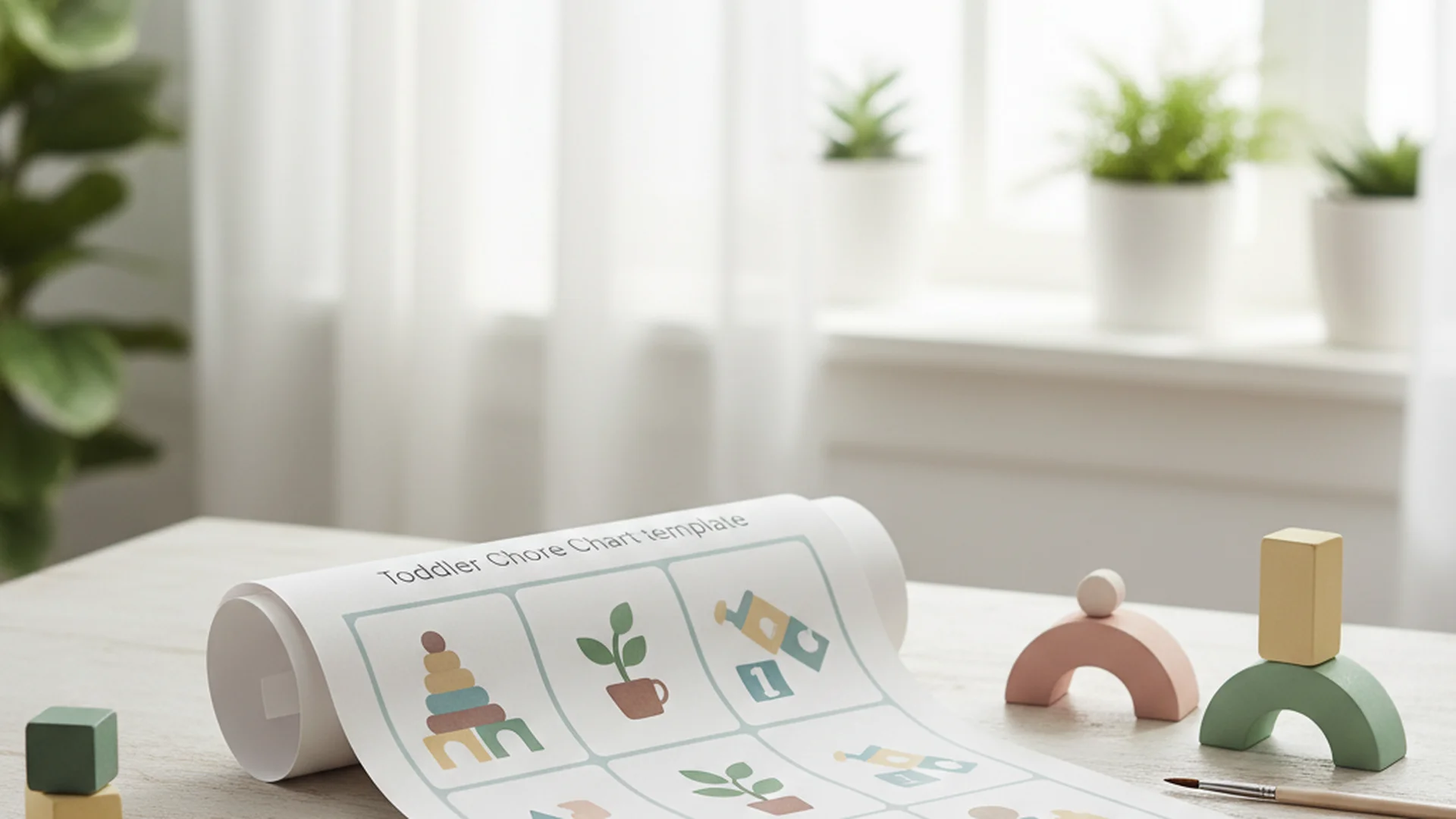
- Visual Icons: Since toddlers cannot yet read fluently, icons representing "toys," "hamper," or "pet food" are vital.
- Accessibility: The chart should be placed at the toddler's eye level—think the refrigerator or the back of a low bedroom door.
- Limited Scope: A common mistake is listing ten tasks. Keep it to 1–3 simple daily chores to avoid burnout.
- Interactive Elements: Whether it is a sticker, a checkmark, or a magnetic "snap," toddlers need a physical action to signal a job well done.
Tip: Use real photos of your toddler performing the task on their chart. Seeing themselves "in action" increases their sense of ownership and pride.
Age-Appropriate Tasks for Your Template
When you download a free toddler chore chart template, you need to know which tasks are actually safe and developmentally appropriate. Use the table below as a guide:
| Age | Recommended Chores | Skill Developed |
|---|---|---|
| 2 Years Old | Putting toys in a bin, putting dirty clothes in a hamper. | Categorization |
| 3 Years Old | Helping wipe a table (water only), feeding a pet (with help). | Empathy & Care |
| 4 Years Old | Making the bed, clearing their plastic plate from the table. | Motor Coordination |
Warning: Avoid giving toddlers chores that involve harsh chemicals or heavy lifting. Always supervise tasks to ensure safety.
2025–2026 Trends: The Modern Chore Chart
As we move into 2025 and 2026, the way we view household labor is evolving. We are seeing a shift away from "work" and toward "contribution."
The "Emotional Labor" Inclusion
Modern templates now include "kindness chores" or emotional tasks. Instead of just "Pick up blocks," you might see "Give a hug" or "Say something kind to a sibling." This teaches children that emotional support is just as important to a household as physical cleaning.
Hybrid Digital-Physical Charts
Innovation has hit the printable world. Many new templates feature QR codes next to specific tasks. When a parent scans the code, it plays a 15-second "cleanup song" or a short video of the parent demonstrating how to do that specific task. This turns chore time into an interactive, gamified experience.
Sustainable & Minimalist Aesthetics
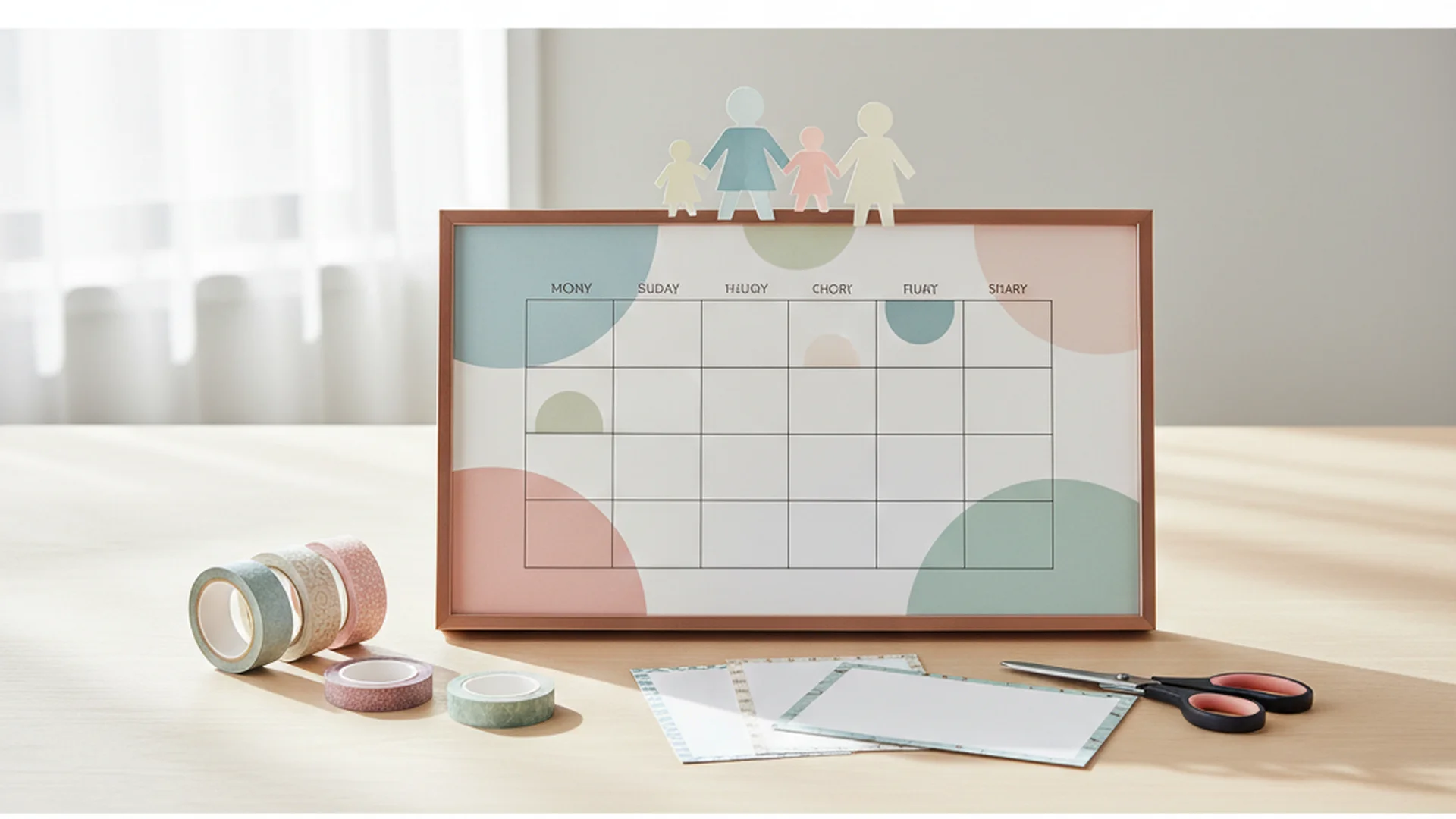
The "neon explosion" of the early 2010s is over. The 2025 trend favors "Scandi-style" or Earth-toned templates. These designs blend into home decor, making the chore chart feel like a natural part of the home rather than a cluttered classroom distraction.
Note: The "I Do, We Do, You Do" method remains the gold standard. Demonstrate the chore, do it together for a week, and then let them try it solo.
Common Mistakes to Avoid
Even with a perfect toddler chore chart template printable, execution matters. Avoid these common pitfalls to keep your toddler motivated:
- Using Chores as Punishment: If a child associates cleaning with being "bad," they will develop a lifelong aversion to household maintenance. Chores should be framed as "being part of the team."
- The "It’s Faster If I Do It" Trap: While true in the short term, you are sacrificing the long-term benefit of teaching responsibility. Think of it as an investment in your future 10-year-old.
- Bribing with Sugar or Toys: Bribing teaches a child to only work if there is an external reward. Instead, use "intrinsic" rewards like high-fives, verbal praise, or "Special Time" with a parent.
- Fixing Their Work: If your 3-year-old "folds" a towel and it looks like a lump of fabric, leave it. Fixing it in front of them tells them their effort wasn't good enough. Focus on the contribution, not the perfection.
Frequently Asked Questions
What chores are actually age-appropriate for a 2-year-old?
Should I give my toddler an allowance for doing chores?
Which is better: A printable chart or a magnetic board?
How many chores should a toddler have?
Conclusion
Implementing a toddler chore chart template is about more than just a clean house; it is about raising a capable, confident human being. By choosing the right template, keeping tasks age-appropriate, and focusing on the positive "helper" identity, you set your child up for a lifetime of success. Remember, at this age, the process is far more important than the result.
Success: By the time your toddler reaches kindergarten, those who have used a chore chart consistently often show higher levels of independence and initiative in the classroom.
Cleaning that keeps score
Every task earns points, every streak multiplies them, and Premium adds a household leaderboard plus a monthly Dustagorgon to beat.
- Free forever
- 30 badges to earn
- Up to 6 in a household
No card needed. Set up your rooms in a couple of minutes.