In this article
What you’ll learn
- AI navigation is shifting from simple mapping to real-world mess recognition.
- Fully autonomous "hands-free" stations are now the industry standard for 2025.
- Market leaders like Roborock and Ecovacs are dominating with higher suction and UV-C sanitization.
The landscape of home maintenance is undergoing a massive transformation as we head further into 2025. No longer just luxury "toys" for tech enthusiasts, smart cleaning gadgets are becoming essential autonomous systems that use Artificial Intelligence (AI) and the Internet of Things (IoT) to manage home hygiene with minimal human intervention. As a Domestic Efficiency Specialist, I have watched these devices evolve from simple bumping robots to sophisticated machines that can distinguish between a spilled glass of milk and a stray charging cable.
In this comprehensive review and guide, we will dive into the state-of-the-art technology defining the 2025–2026 era, examine the top-performing models, and provide actionable advice to help you reclaim your time.
The 2025 State of Smart Cleaning
The shift in the market is palpable. Smart home cleaning robots are selling faster than ever, and this surge isn’t just about more people buying vacuums; it is about people buying better vacuums. Average prices are climbing, which signals that shoppers are prioritizing advanced features like AI-powered obstacle avoidance and self-maintaining docks over budget-friendly, basic models.
The Rise of Autonomous Systems
In 2025, the industry moved past the "hands-on" phase. We are now firmly in the "Hands-Free" era. Modern stations do more than just empty dust bins; they now wash mop pads with hot water, heat-dry them to prevent mold, and even refill their own water tanks.
Note: The "Hands-Free" evolution means some users can go up to 8 weeks without touching their cleaning device, providing a massive return on investment for busy professionals.
Leading Smart Cleaning Gadgets 2025: What to Look For
When searching for smart cleaning gadgets reviews, it is easy to get lost in the sea of technical specifications. To simplify your search, we have categorized the most significant innovations hitting the shelves this year.
Generative AI and Navigation
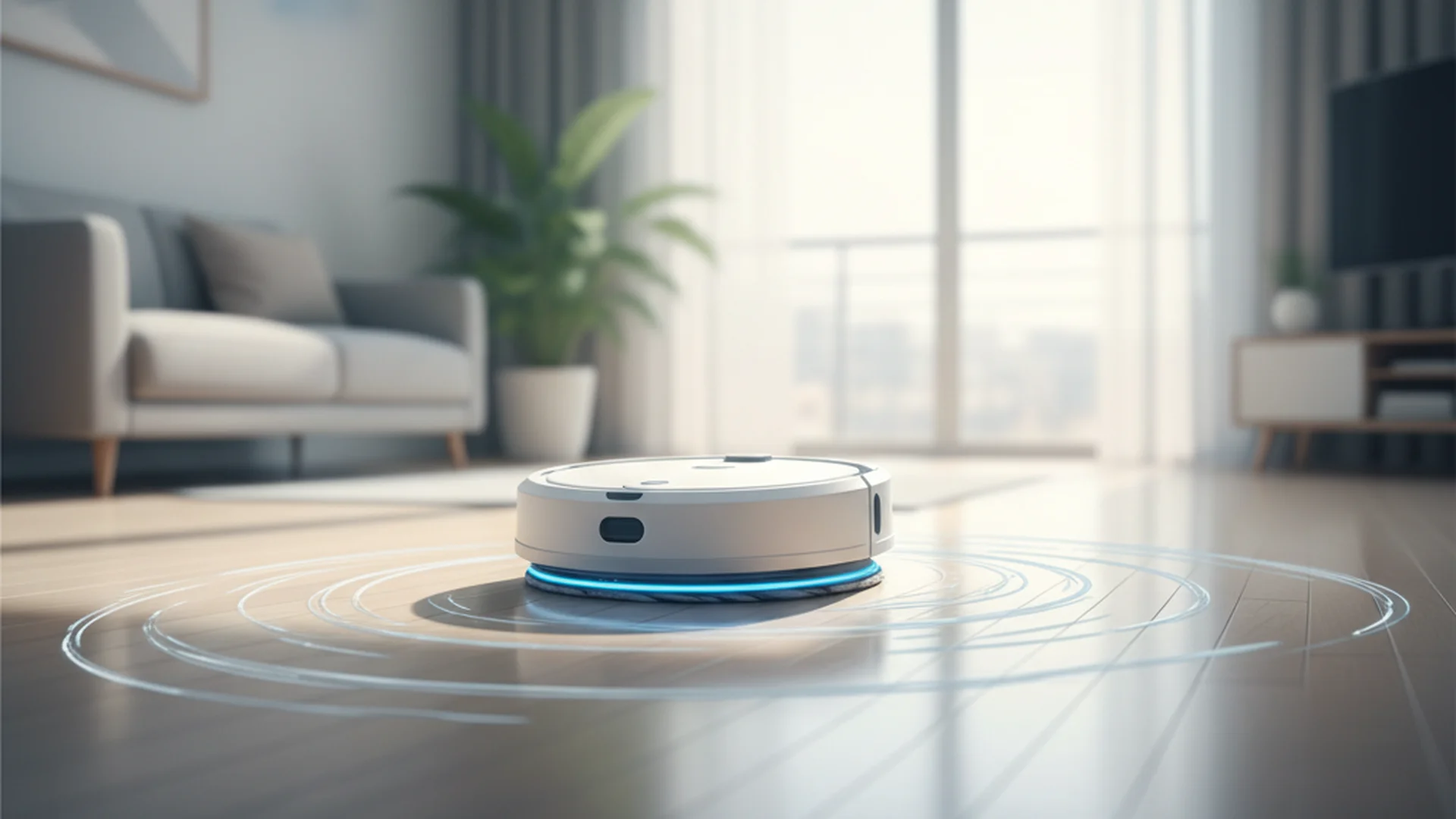
The most significant leap forward is the transition to Generative AI navigation. Unlike the LiDAR systems of the past that simply mapped walls, 2026-ready robots use onboard AI to recognize specific mess types.
- Real-time Adjustment: If the robot detects a liquid spill, it can immediately switch to a high-moisture mopping mode.
- Solid Waste Recognition: Models like the Shark PowerDetect are now trained to recognize "pet accidents" with nearly 100% accuracy, preventing the dreaded "poop-pocalypse" that plagued earlier generations.
Ultra-Slim and Niche Designs
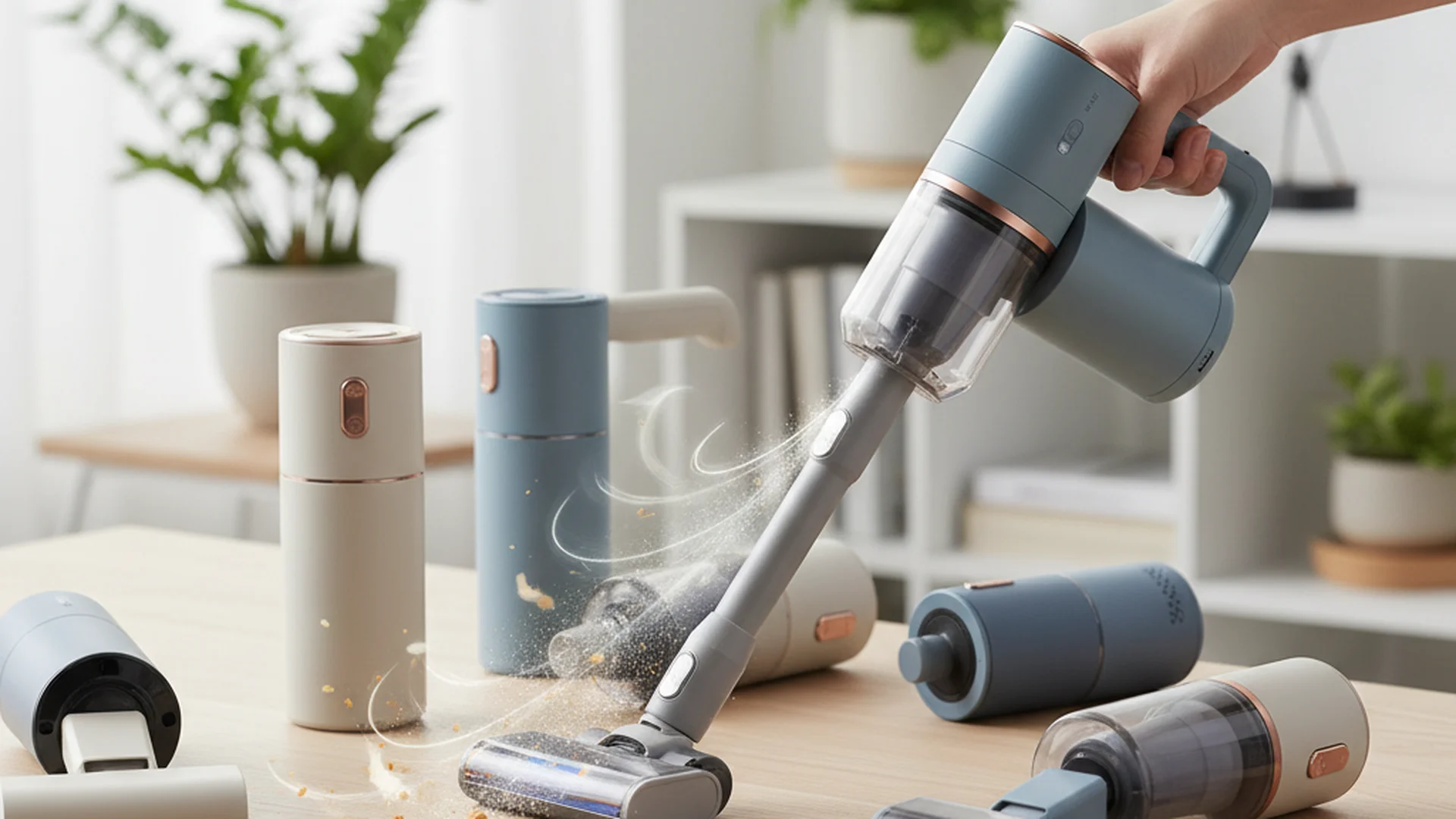
We are also seeing a shift toward specialized form factors. The Dyson PencilVac, with its revolutionary 38mm diameter, represents the new wave of ultra-slim gadgets designed to reach crevices, under low-profile sofas, and behind appliances—areas that traditional uprights could never touch.
| Feature | 2020 Standard | 2025/2026 Standard |
|---|---|---|
| Suction Power | 2,000Pa | 12,000 - 20,000Pa |
| Navigation | Bump/LiDAR | Generative AI + RGB Camera |
| Maintenance | Manual Emptying | Self-Wash, Self-Dry, Self-Refill |
| Sanitization | None | Integrated UV-C Light |
Tip: If you have low-clearance furniture, look specifically for "ultra-slim" or "D-shaped" models to ensure edge-to-edge cleaning coverage.
Real-World Examples of Smart Cleaning Success
To understand the impact of these smart cleaning gadgets, let’s look at how they perform in various household environments.
Example 1: The Busy Professional's Apartment
Sarah, a corporate lawyer, uses a Narwal Freo Z Ultra. Because she is often out of the house for 12 hours a day, she utilizes the "Mid-Morning Rule." Her vacuum-mop combo runs at 10:30 AM daily. By the time she returns, the floors are scrubbed, the mop pads are dried, and she hasn't heard a single motor whir.
Example 2: The Multi-Pet Household
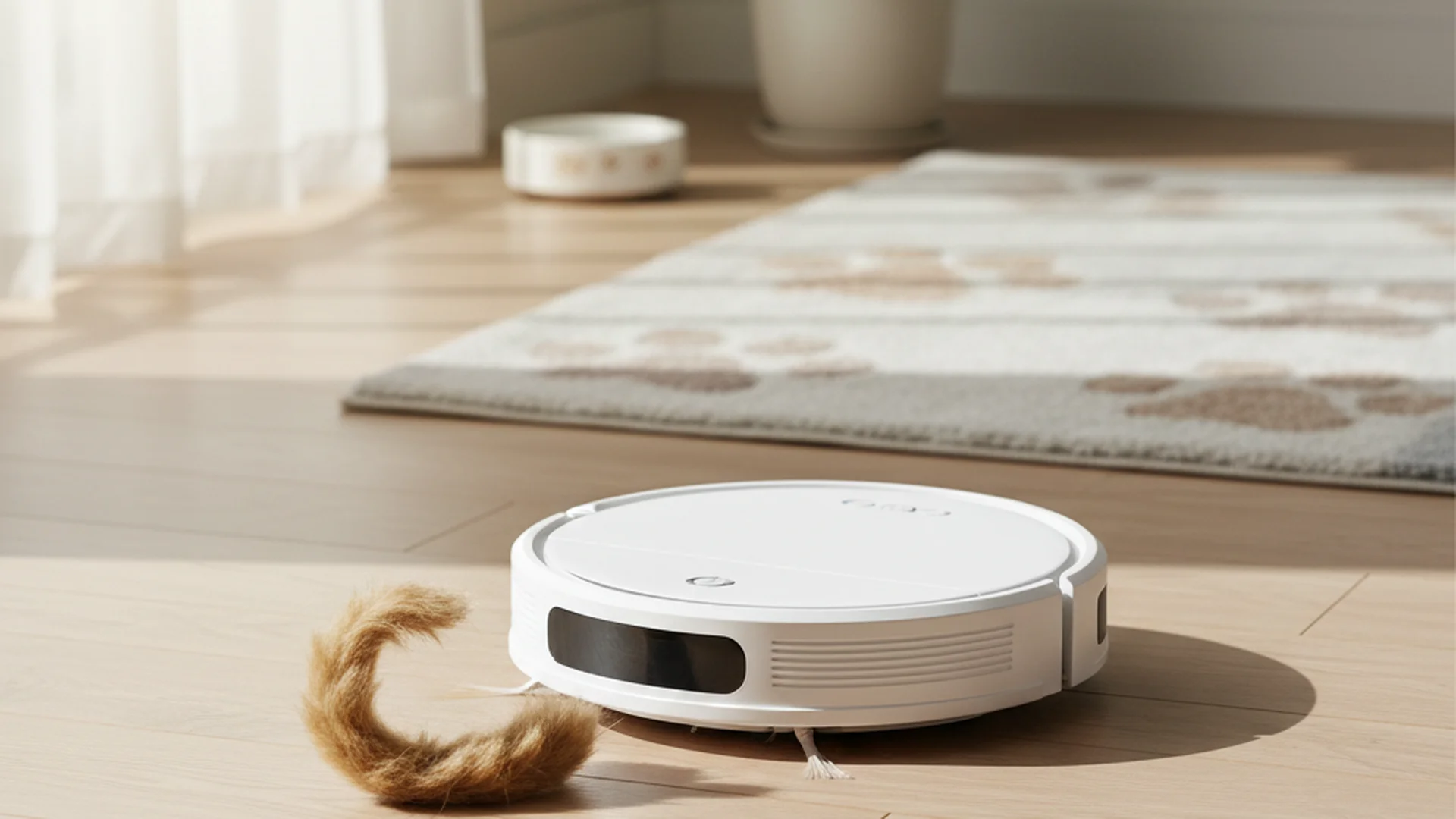
Mark and Elena have two Golden Retrievers. They invested in a Roborock model with 18,000Pa suction and a tangle-free brush roll. Before this, they had to manually clear hair from their vacuum every two days. Now, the dual-action brushes prevent hair wrap, and the high-capacity dock handles the fur volume for a full week without intervention.
Example 3: The Allergy Sufferer
James suffers from severe dust mite allergies. He integrated a smart air purifier with his robotic vacuum. Using a "Cleaning Scene," his air purifier ramps up to maximum filtration the moment the vacuum starts, catching any particulates that the vacuum's exhaust might kick into the air.
Success: Integrating your vacuum with an air purifier can reduce airborne dust by up to 45% during cleaning cycles.
Best Practices for Domestic Efficiency
Owning the gadget is only half the battle; knowing how to use it is where the real efficiency gains are found.
The "Mid-Morning" Rule
Always schedule your robot vacuums to run mid-morning when the house is empty. This prevents the device from being a trip hazard and ensures that noise doesn't disrupt your work-from-home meetings or evening relaxation.
Zone Optimization
Modern apps allow for incredible granularity. Use the mapping feature to set "No-Go Zones" around high-pile rugs (if your robot doesn't have auto-mop lifting) or around pet food bowls to prevent water spills.
Sensor Maintenance
Your device is only as smart as its "eyes." Over time, dust film can build up on the LiDAR and cliff sensors.
Warning: Never use liquid cleaners directly on the sensors. Clean your device’s sensors monthly with a dry, lint-free microfiber cloth to prevent "bumping" and navigation errors.
Common Mistakes to Avoid
Even the most advanced smart cleaning gadgets can fail if they are poorly maintained. Here are the most common pitfalls I see in my practice.
1. Neglecting the "Cleaner of the Cleaner"
Many users assume that "self-emptying" means "no maintenance." This is a mistake. Hair and sludge can build up in the docking tray where the mops are washed. If left for months, this leads to foul odors and bacteria growth.
2. Overusing Cleaning Solutions
It is a common misconception that "more soap equals cleaner floors." In reality, using too much detergent in a smart mop can leave a sticky residue. This residue actually attracts more dirt over time and can eventually corrode the internal pumps of your $1,000 machine.
3. Ignoring Software Updates
Smart gadgets frequently receive firmware updates. These aren't just for features; they often include battery efficiency improvements and refined navigation algorithms. Ignoring these can leave you with a "dumber" device than you paid for.
4. Leaving Tangle Hazards
While AI obstacle avoidance has improved significantly through 2025, thin charging cables remain the #1 cause of "stuck" robots. A quick five-minute "pre-flight check" to lift cables off the floor can save you hours of troubleshooting later.
Frequently Asked Questions
Can a robot vacuum truly replace my traditional vacuum?
Are smart cleaning gadgets worth the high price tag?
How do I choose between a robot vacuum and a vacuum-mop combo?
Are these devices safe for pet owners?
Do smart air purifiers actually help with floor dust?
Conclusion
The era of manual home maintenance is rapidly coming to an end. As we look toward 2026, smart cleaning gadgets are becoming more than just autonomous vacuums; they are becoming the central nervous system of home hygiene. By choosing devices that offer high-tier AI navigation, hands-free maintenance docks, and UV-C sanitization, you can achieve a level of cleanliness that was previously impossible without professional help.
Remember that the key to success lies in the "Mid-Morning Rule," regular sensor maintenance, and avoiding the trap of "setting and forgetting" your docking station.
Success: Implementing a fully automated cleaning schedule can reduce your manual chore time by up to 90%.
Cleaning that keeps score
Every task earns points, every streak multiplies them, and Premium adds a household leaderboard plus a monthly Dustagorgon to beat.
- Free forever
- 30 badges to earn
- Up to 6 in a household
No card needed. Set up your rooms in a couple of minutes.