In this article
What you’ll learn
- Matter 1.5 integration allows cross-brand communication for seamless cleaning.
- High-end 2025 models prioritize AI obstacle recognition and self-maintenance.
- Automation should supplement, not entirely replace, monthly deep cleaning.
The landscape of domestic maintenance has undergone a radical transformation over the last few years. We have officially moved past the era of "dumb" robots bumping into walls and have entered a sophisticated age where home automation cleaning is a standard feature of the modern smart home ecosystem. In 2025, the conversation is no longer about whether a robot can vacuum your floor, but how well it communicates with your air purifier, your lighting system, and your mobile device to create a frictionless living environment.
As we look toward 2026, the integration of universal standards and advanced artificial intelligence is making the "set it and forget it" dream a reality for millions of households. Whether you are a tech enthusiast or a busy professional looking to reclaim your weekend, understanding the current state of automated hygiene is essential for making a smart investment.
The 2025 Shift: From Standalone Tools to Integrated Ecosystems
For years, the biggest complaint about smart cleaning devices was their "walled garden" nature. You had one app for your vacuum, another for your mop, and a third for your air filtration. In 2025, the industry has pivoted toward total interoperability.
Matter 1.5 and the Death of Compatibility Issues
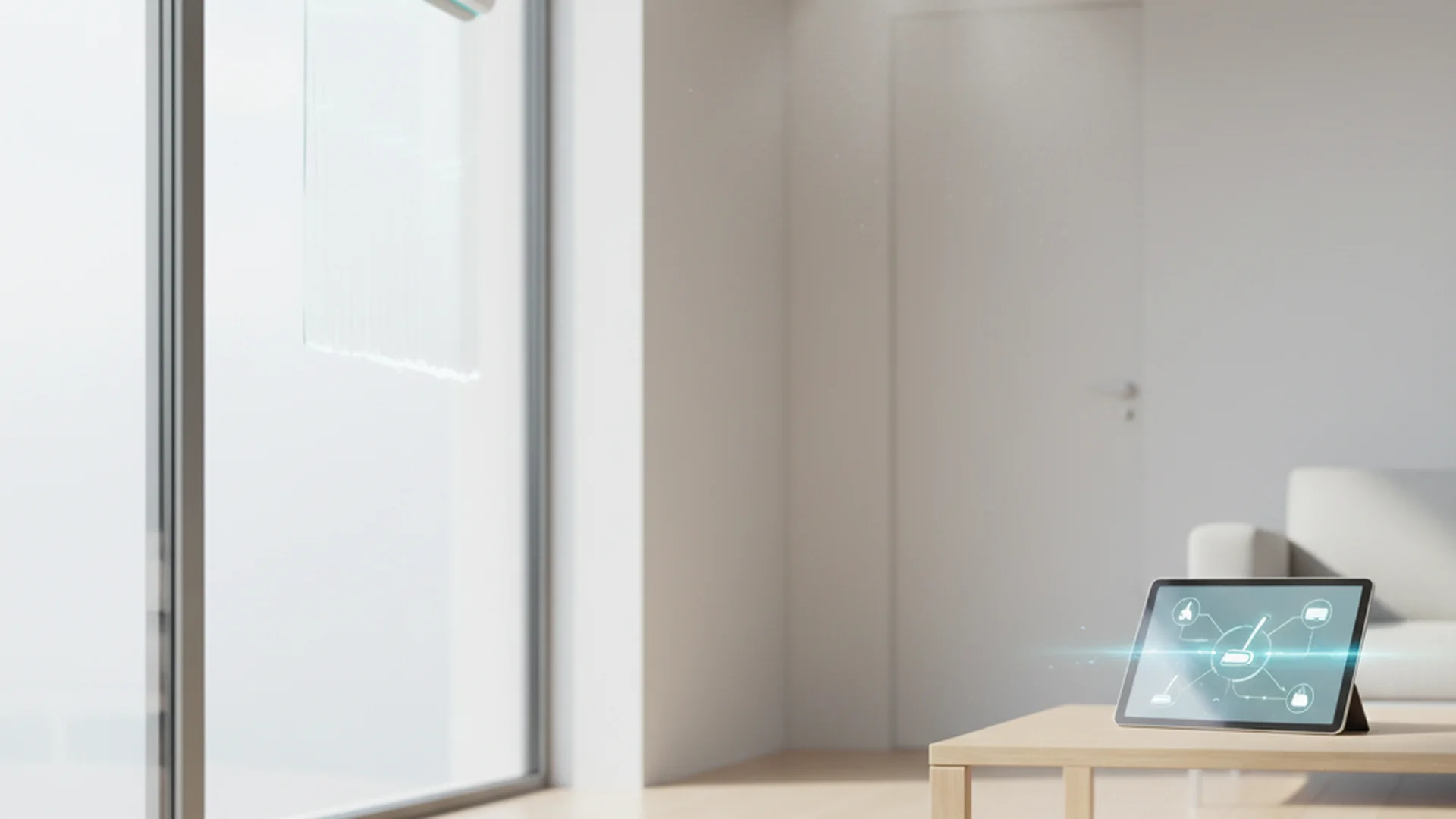
The most significant update in home automation cleaning 2025 is the widespread adoption of Matter 1.5. This universal communication protocol allows devices from competing brands—like Roborock, iRobot, and Ecovacs—to talk to each other and your central smart home hub natively.
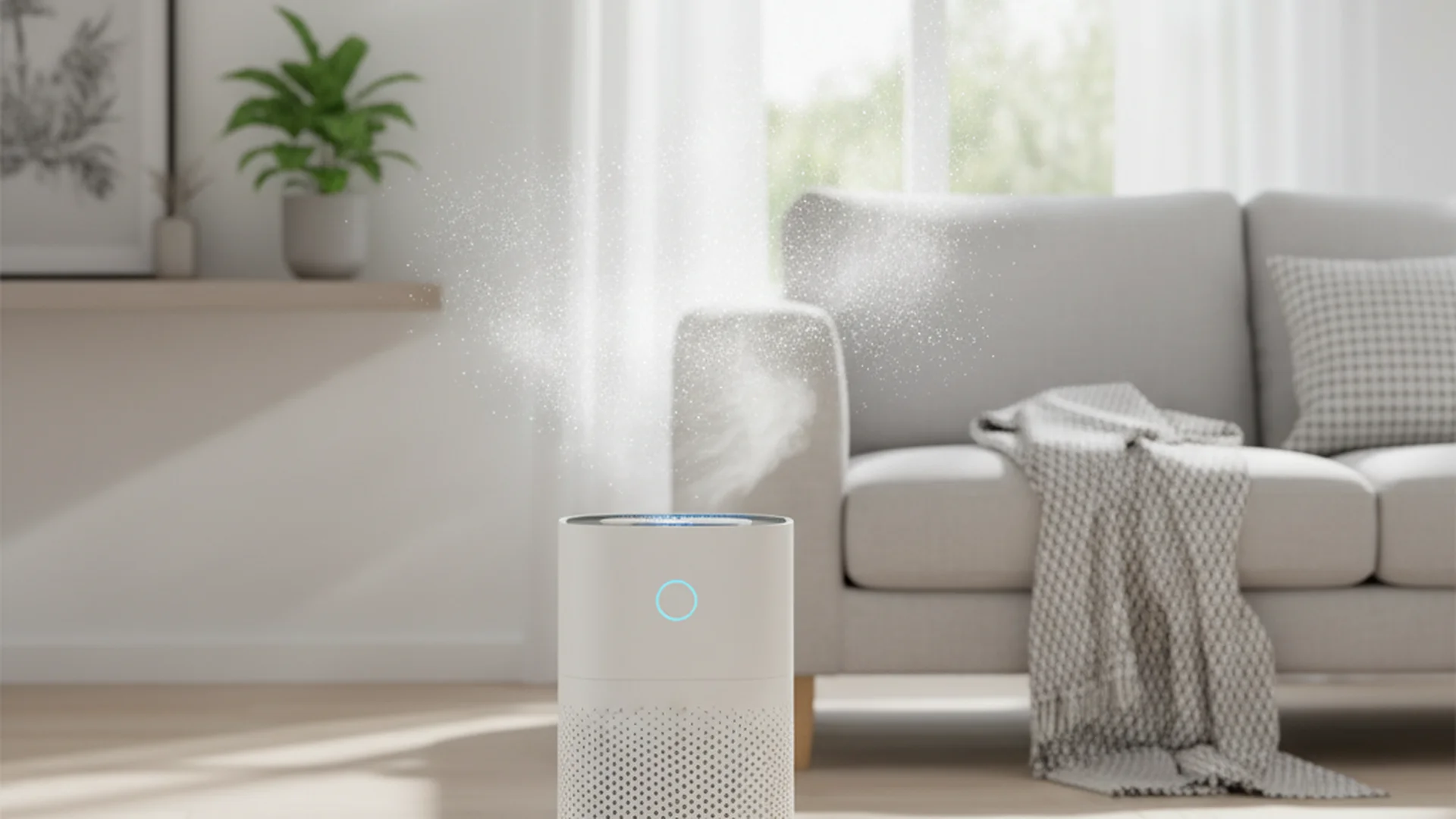
In previous years, if you owned an iPhone, you might have struggled to get a high-end Chinese vacuum to show up in your Apple Home app. Today, Matter certification ensures that your cleaning bot can be controlled via Siri, Alexa, or Google Assistant with the same level of depth as a smart light bulb. This integration allows for complex "scenes." For example, when your smart lock detects you’ve left for work, it can simultaneously trigger the vacuum, turn up the air purifier to catch kicked-up dust, and lower the blinds to keep the house cool.
AI 2.0: Beyond Simple Obstacle Avoidance
We have moved into the era of AI 2.0. Modern sensors no longer just see an "object"; they identify it. Through advanced neural networks and LiDAR-vision hybrids, the top-tier robots of 2025 can distinguish between a stray charging cable, a discarded sock, and—most importantly for pet owners—unexpected pet waste.
Note: AI-camera-based robots still perform best in moderate lighting. While LiDAR-only models can navigate in total darkness, they lack the granular object recognition found in high-end AI vision models.
Home Automation Cleaning Reviews: The Top Tech of 2025
When looking at home automation cleaning reviews, several key players dominate the market. While American brands like iRobot continue to innovate, Chinese manufacturers currently hold the top four global market share positions due to their rapid deployment of hardware features.
| Feature | Roborock S-Series (2025) | Ecovacs Deebot X-Series | iRobot Roomba Combo |
|---|---|---|---|
| Suction Power | 12,000 Pa | 11,000 Pa | 8,000 Pa |
| Mopping | Dual Spinning + Heat | Vibrating + Lift | Retractable Arm |
| Connectivity | Matter 1.5 / Thread | Matter 1.4 | Matter 1.5 |
| Maintenance | Self-Wash / Self-Dry | Self-Empty / Heat | Self-Empty |
The Rise of the All-in-One Docking Station
The average selling price of cleaning robots increased by 18% this year, and that is largely due to the "Omni-dock" or "Ultra-dock" trend. Consumers are no longer satisfied with just a charging base. They want docks that:
- Empty the vacuum's dustbin.
- Refill the water tank for mopping.
- Wash the mop pads with hot water (up to 60°C/140°F).
- Dry the pads with heated air to prevent mold and odors.
This shift toward "Premium Demand" highlights a consumer base that values time over a lower price point. People are willing to pay for a device that requires maintenance only once every 30 to 60 days.
Best Practices for a Seamless Automated Routine
To get the most out of your home automation cleaning setup, you cannot simply drop a robot in a messy room and expect perfection. Domestic efficiency requires a bit of strategy.
Implement a "Tidy Before the Bot" Routine
Automated cleaning works best on clear floors. Even with the best AI obstacle avoidance, a floor covered in LEGOs or loose charging cables will lead to a sub-optimal clean.
Tip: Set a "pre-clean" reminder on your smart speaker or phone 10 minutes before the scheduled vacuum run. This gives you a quick window to clear any "robot traps" from the floor.
Schedule Around Occupancy (Geofencing)
One of the most common complaints about robot vacuums is the noise. While modern "Quiet" modes are impressive, they often sacrifice suction power. Instead of scheduling your vacuum for 10:00 AM every day, use geofencing triggers. By setting your home automation system to start cleaning only when the last person (and their smartphone) leaves the house, you ensure you never have to hear the vacuum run, and it can operate at its highest, loudest suction setting for maximum efficiency.
Predictive Maintenance and Hybrid Care
The "Set It and Forget It" fallacy is the leading cause of device failure. New IoT sensors in 2025 models now offer "Predictive Maintenance," alerting you via app when the brushroll motor is straining or when a filter is nearing 90% clogging.
Warning: Hair wrap is the #1 cause of motor strain. Even "tangle-free" brushes require manual inspection every 3–5 cycles to ensure longevity.
Real-World Examples of Integrated Cleaning
Example 1: The Pet-Centric Protocol
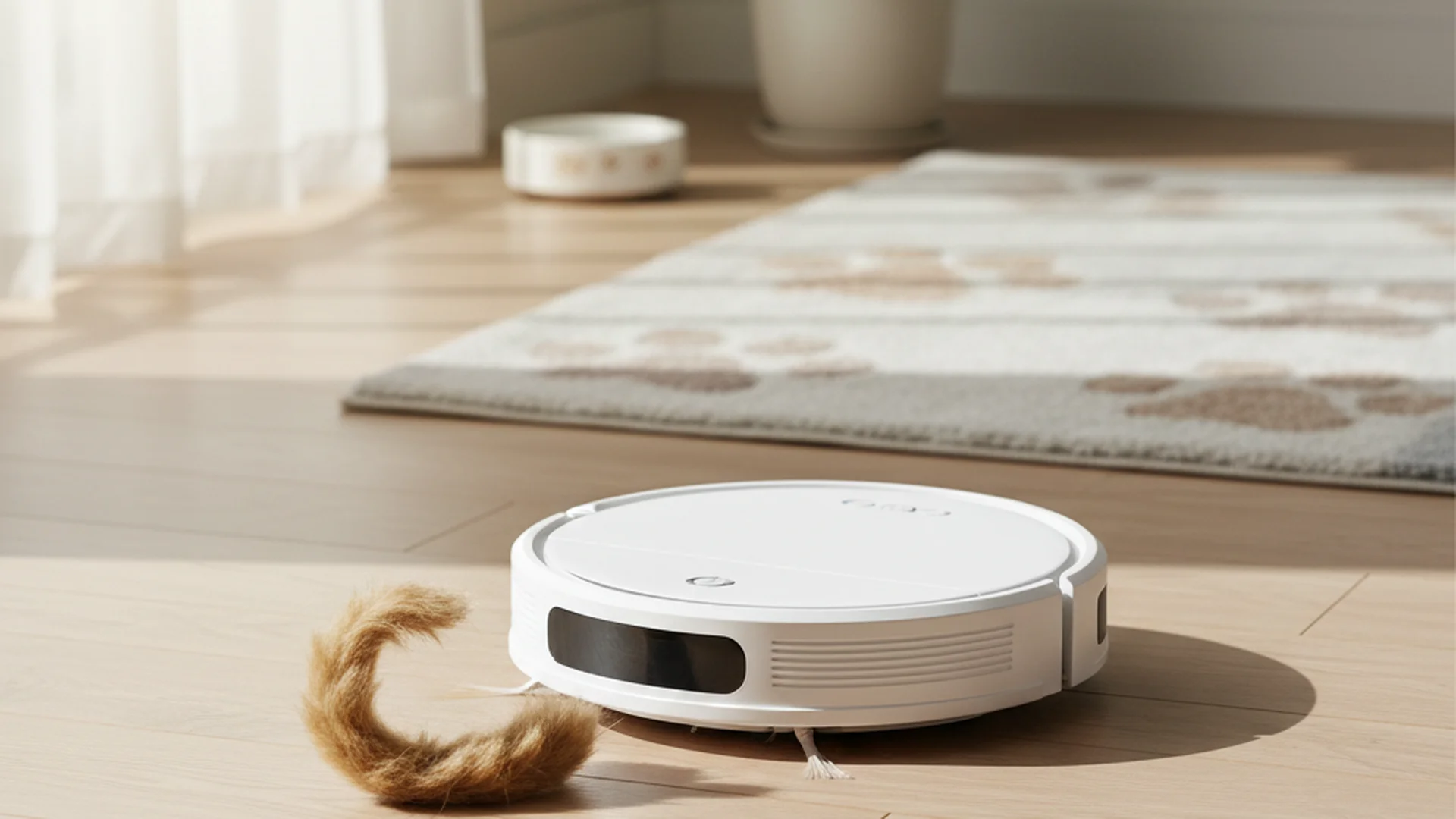
A homeowner with two Golden Retrievers uses a Matter-linked system. When the pet door's smart sensor detects the dogs returning from a muddy yard, it triggers the robot mop to perform a "spot clean" in the mudroom area immediately, preventing paw prints from reaching the rest of the house.
Example 2: The Allergy Relief Scene
During high-pollen seasons, a user integrates their automated vacuum with their HVAC system. As the robot begins its daily run, it signals the HVAC fan to turn on and the smart air purifiers to go into "High" mode. This creates a coordinated effort to capture both settled dust on the floor and airborne particulates kicked up by the vacuum's side brushes.
Example 3: The Multi-Level Solution
While we await the mass-market release of stair-climbing robots in 2026, current users are utilizing "Dual-Dock" setups. By placing a compact docking station on the second floor and a full-service station on the first, users can simply carry the robot upstairs once a week, where it automatically recognizes the new floor map and begins its routine.
Common Mistakes and Misconceptions
Despite the advanced technology available in home automation cleaning 2025, users often fall into predictable traps that hinder performance.
Data Privacy Neglect
Modern cleaning robots map the interior of your home using cameras and LiDAR. Using off-brand, "too good to be true" budget models often means your home's floor plan and images could be stored on unencrypted servers.
Success: Always look for devices with "TUV Rheinland" privacy certification or brands that offer verified local-only control options, ensuring your home's data stays within your four walls.
Poor Docking Station Placement
A common mistake is placing the docking station in a narrow hallway or on a plush rug. For a robot to return home reliably, it needs about 1.5 feet of clearance on either side and 3 feet in front. If the dock is on a thick rug, the robot may struggle to align its charging pins or climb onto the washing ramp.
Ignoring the "80/20 Rule"
It is a misconception that a robot vacuum completely replaces manual cleaning. Experts agree that robots are "maintenance" tools. They handle 80–90% of daily debris, but they cannot reach the top of baseboards, deep into 90-degree corners, or behind heavy furniture. You should still plan for a manual deep clean or professional service once a month.
Recent Trends and Updates (2025–2026)
The next 12 months will see a shift from "tools" to "assistants." We are seeing the first prototypes of humanoid home assistants from companies like Figure AI and Tesla. While they aren't quite ready to fold your laundry in every home just yet, the technology behind them—specifically robotic arms—is being integrated into premium vacuum series.
- Robotic Arms: Some 2025 models now feature extendable side brushes and "swing-out" mops that can reach into corners and under kitchen cabinets more effectively than a round body ever could.
- Sustainability: Approximately 73% of consumers now prefer eco-friendly solutions. Manufacturers are responding by using recycled plastics in robot chassis and developing biodegradable cleaning solutions for their automated mopping systems.
- Stair Transitions: While still in the premium testing phase, specialized treads are being developed to allow bots to transition over high thresholds and eventually navigate stairs, a feature expected to go mainstream in the 2026 product cycle.
Frequently Asked Questions
Do robot vacuums completely replace manual vacuuming?
Can robot cleaners handle stairs?
Do these devices work across different brands (e.g., Apple vs. Android)?
Are they safe for homes with pets?
Conclusion
The era of home automation cleaning has reached a level of maturity that makes it a viable, time-saving investment for almost any household. By prioritizing Matter-certified devices, understanding the importance of AI 2.0 obstacle recognition, and following a consistent maintenance schedule, you can significantly reduce the mental and physical load of keeping a clean home.
As we move toward 2026, the integration will only get tighter, and the robots will only get smarter. For now, focus on the "ecosystem" rather than just the "device." A cleaner home is no longer about the brush you hold, but the system you build.
Success: Transitioning to an automated cleaning routine can save the average homeowner up to 4 hours of manual labor per week—time better spent with family or on personal hobbies.
Cleaning that keeps score
Every task earns points, every streak multiplies them, and Premium adds a household leaderboard plus a monthly Dustagorgon to beat.
- Free forever
- 30 badges to earn
- Up to 6 in a household
No card needed. Set up your rooms in a couple of minutes.